How to Use a Kerosene Stove Safely for Heating and Cooking — Step-by-Step Guide
⏱ 6 min read
Power outages, winter storms, or outdoor trips can leave you asking: how do you stay warm and cook safely without electricity? A stainless steel kerosene stove solves both problems in one compact tool—if used correctly. This guide walks you through safe setup, cooking, heating, troubleshooting, and maintenance so you can feel confident, prepared, and in control.
Explore practical solutions that keep you warm when power isn’t an option.
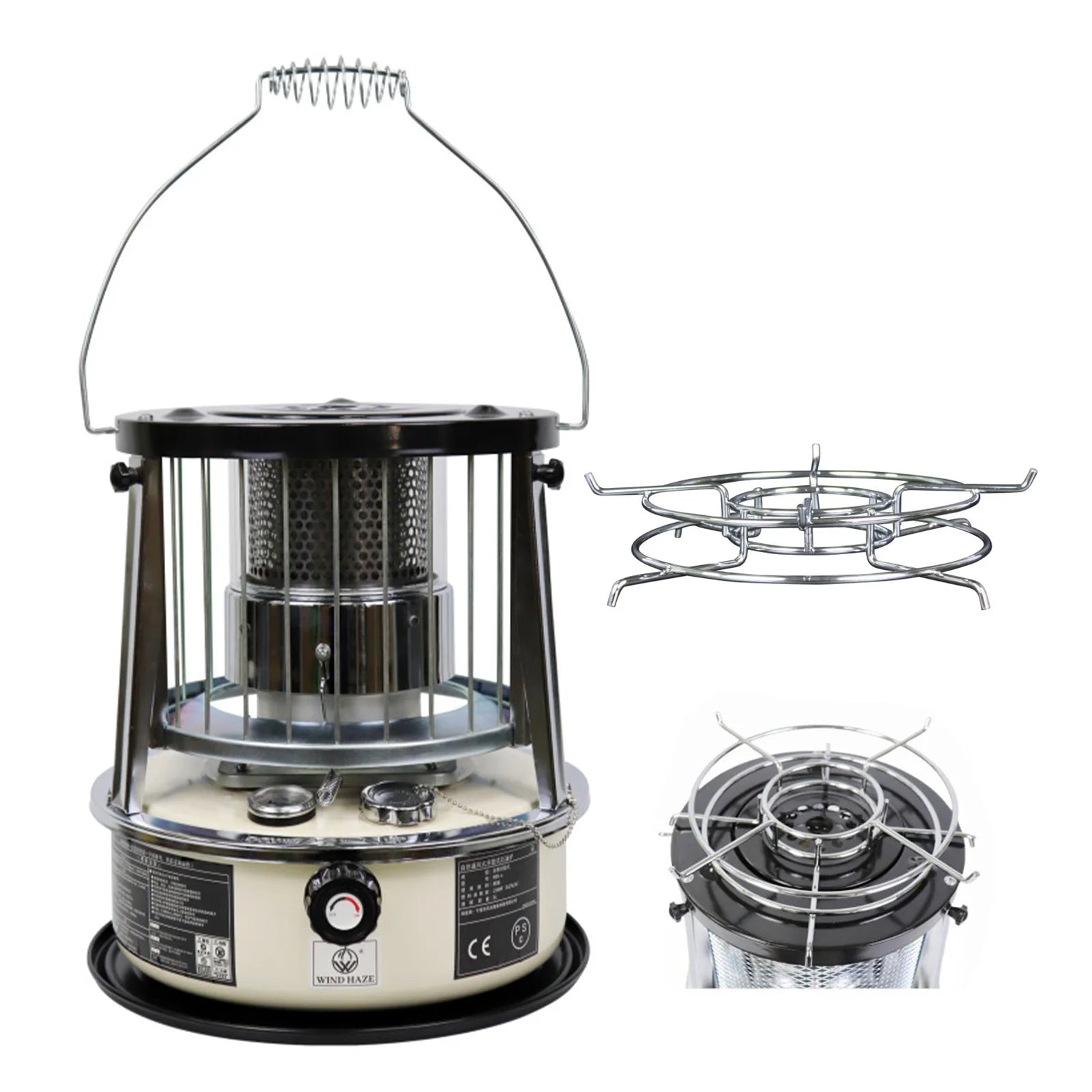
Stainless steel kerosene stove for heating and cooking — 💡 See it in action
Why a Stainless Steel Kerosene Stove Is a Smart Backup
A stainless steel kerosene stove provides dependable warmth and cooking power when electricity or gas fails. Its stable design, controlled flames, and durable steel body make it ideal for emergencies, outdoor trips, or cold-weather cooking. This tool reduces stress, increases preparedness, and gives you reliable heat whenever needed.
- Durable stainless steel body resists corrosion
- Stable base minimizes tipping risk
- Consistent heat for warming spaces and meals
- No electricity or batteries required
Many users keep one alongside essential lifestyle tools found in the Lifestyle collection to build a more resilient home setup.
How a Stainless Steel Kerosene Stove Works
A stainless steel kerosene stove burns clean kerosene fuel through a wick or pressurized system to generate heat. The steel body ensures even heat distribution and resists rust, making it durable for indoor and outdoor use.
Modern stoves include safety features such as automatic shutoff valves and flame regulators. Understanding how the stove converts fuel to heat is essential before attempting kerosene stove setup or cooking on a kerosene heater.
- Kerosene fuel feeds the wick or burner
- Controlled ignition creates a stable flame
- Steel chamber spreads heat efficiently
- Adjustable output supports cooking or heating
Master safe use before your next cold night.
Step-by-Step Kerosene Stove Setup for Safe Use
- Choose a safe location: Well-ventilated area, away from flammable items.
- Check fuel type: Use clean kerosene specifically labeled for cooking.
- Fill the tank carefully: Avoid overfilling and clean up spills immediately.
- Prime the stove: Follow manufacturer instructions for wick or pressure systems.
- Ignite safely: Light using a long match or lighter; keep hands and face away.
- Adjust flame: Control heat output to prevent smoking and maximize efficiency.
- Ventilation: Always ensure proper airflow to reduce carbon monoxide risk.
Cooking on a Kerosene Stove Heater
Cooking with a kerosene stove requires attention to flame size, cookware type, and ventilation:
- Use stable, flat-bottomed pots or pans designed for small stove surfaces.
- Maintain medium flame for even cooking; high flame may smoke or scorch food.
- Never leave the stove unattended while cooking.
- For simmering, adjust wick height gradually instead of turning it off and on.
Common uses include boiling water, frying, and warming food during power outages or camping trips.
How This Kerosene Stove Warms Small Spaces Efficiently
When positioned correctly, a stainless steel kerosene stove gently warms a room, tent, or shelter. Focus on targeted heat rather than attempting whole-house warming:
- Place centrally but away from walls
- Start with low flame, increase gradually
- Never leave unattended while burning
- Use a carbon monoxide detector nearby
During long outages, pairing heat tools with personal comfort items from Body Care and Health Devices can make cold conditions more manageable.
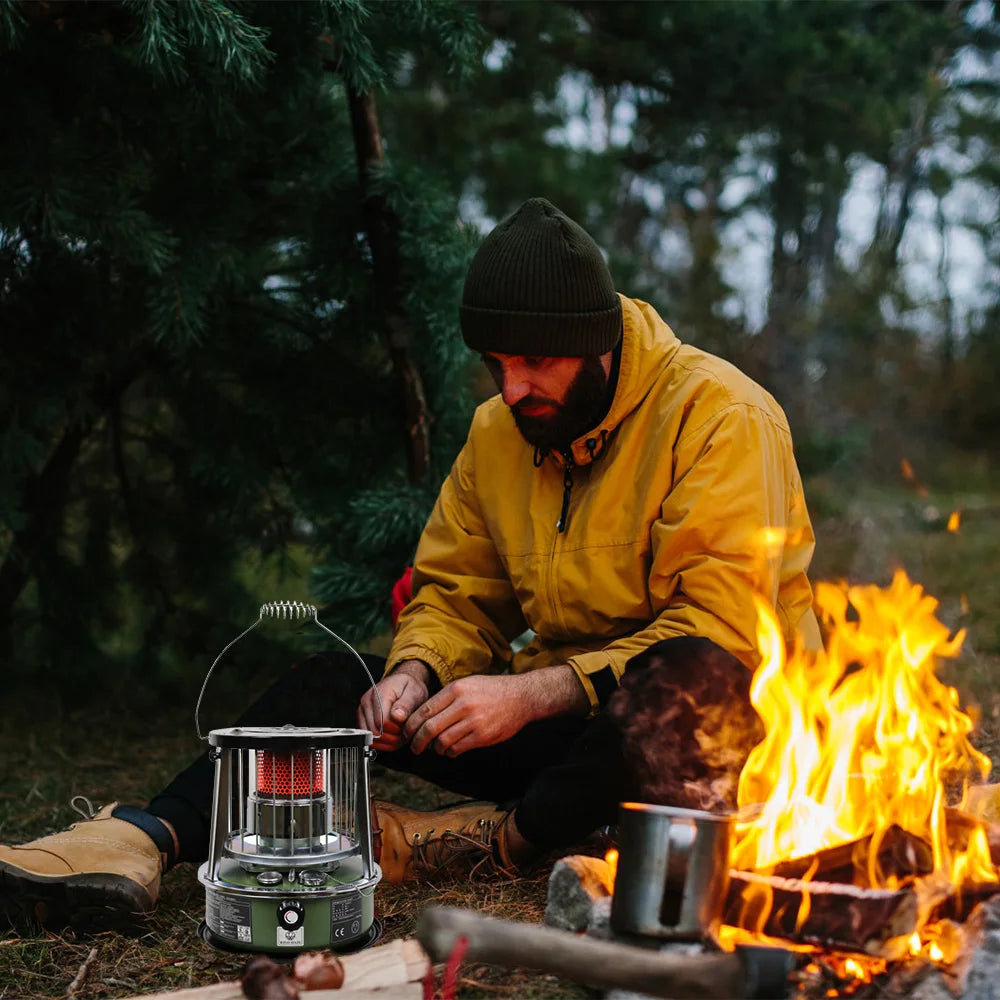
Kerosene stove heater for off-grid warmth — 💡 See it in action
Cold Weather Cooking Outdoors Without Electricity
Kerosene stoves are reliable for outdoor cooking in freezing conditions. Keep these tips in mind:
- Set up on stable, non-flammable surfaces to prevent tipping.
- Shield the flame from wind using a portable windscreen or natural barriers.
- Preheat cookware slightly to maintain consistent cooking temperatures.
- Monitor fuel levels; cold weather may reduce burn efficiency.
Get yours now — limited stock!
Comparing Kerosene Stoves vs Other Off-Grid Heating Options
- Kerosene stove heater: Affordable, reliable, works without electricity, suitable for small spaces.
- Propane heaters: Cleaner burning, quick heat, but propane tanks can be harder to store.
- Electric space heaters: Convenient indoors but useless during power outages.
| Pros | Cons |
|---|---|
| Reliable heat without electricity | Requires fuel storage |
| Durable stainless steel build | Needs ventilation |
| Supports heating and cooking | Manual ignition |
Cleaning, Storage, and Long-Term Maintenance
- Empty fuel tank if storing for long periods.
- Clean wick regularly to avoid soot buildup.
- Inspect seals and joints to prevent leaks.
- Store in a dry, cool area away from direct sunlight and heat sources.
- Test stove before extended use to ensure proper flame and performance.
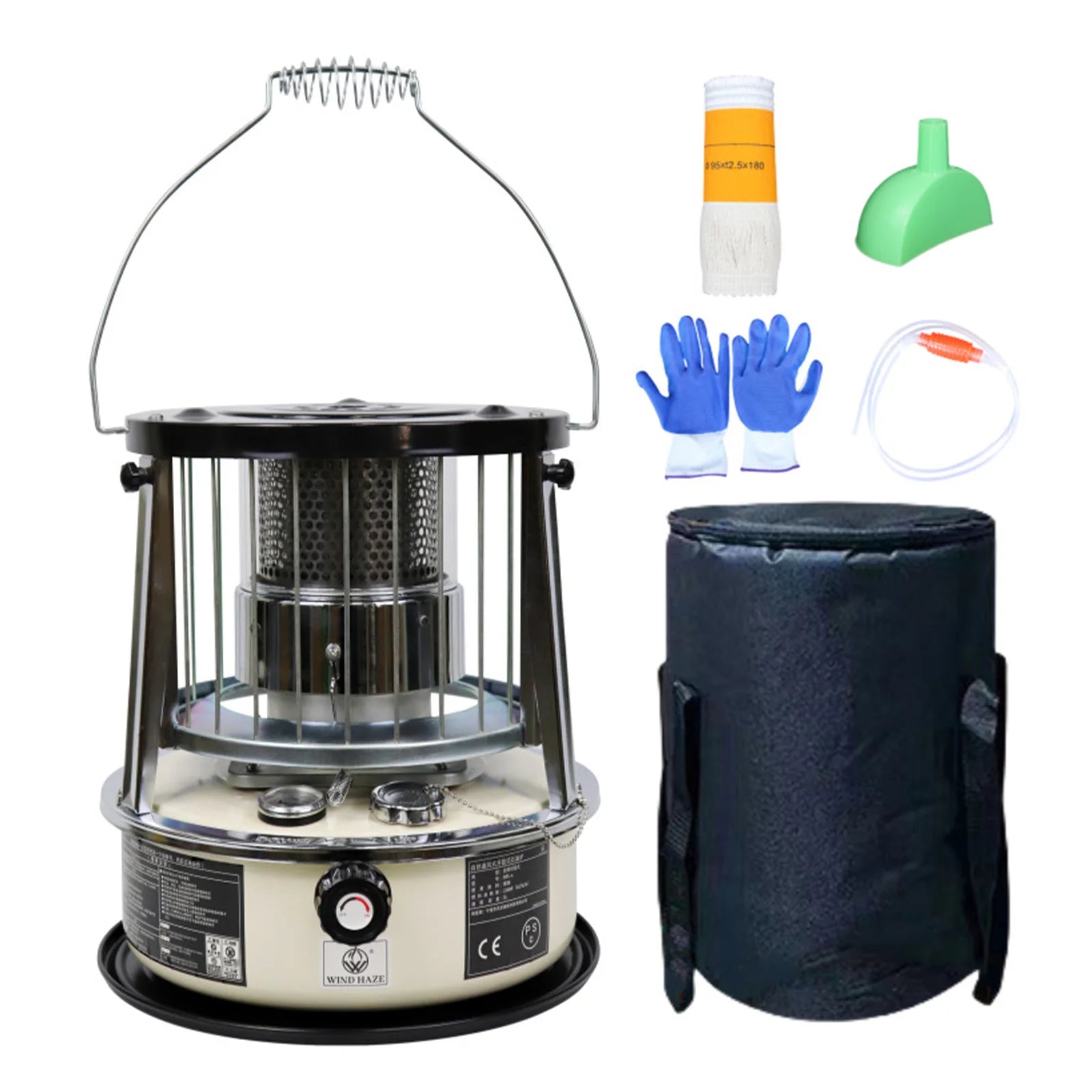
Portable kerosene cook stove for emergencies — 💡 See it in action
Troubleshooting Your Kerosene Stove
- Stove won’t light: Check fuel, wick priming, and ventilation.
- Flame uneven or smoky: Adjust wick height or clean soot buildup.
- Fuel leaks: Inspect seals and tighten connections before relighting.
- Burning smell indoors: Increase airflow or move stove outdoors.
Mini FAQ: Safe Use Essentials
Is a stainless steel kerosene stove safe indoors?
Yes, with proper ventilation and following manufacturer safety guidelines.
How long does one fill last?
Typically 6–12 hours depending on flame size and stove model.
Can I use it during power outages?
Absolutely — kerosene stoves work without electricity, making them ideal for emergencies.
How hot does kerosene burn?
Kerosene flames can reach temperatures up to 2,500°F (1,370°C), sufficient for cooking and heating but requiring careful handling to avoid burns or fire hazards.
Secure your stainless steel kerosene stove today.
Related Guide: Kerosene Heater Safety Guide for Confident Indoor Heating