

How can you stay warm while backpacking without carrying heavy gear?
Yes. You can stay warm while backpacking without carrying heavy gear by using an efficient layering system, insulating yourself from the ground, managing moisture, eating enough calories, and protecting yourself from wind. Rather than packing bulky clothing, focus on maximizing the warmth-to-weight ratio of every item you carry. Small adjustments in clothing, campsite selection, and heat management often provide greater comfort than simply adding more insulation.
⏱ 7 min read
Staying Warm While Backpacking Without Heavy Gear
Cold weather doesn't have to mean carrying a heavier backpack. Whether you're hiking in cool autumn conditions or camping near freezing temperatures, staying warm while backpacking depends on conserving body heat, keeping clothing dry, and choosing lightweight gear that works together as a complete system. In this guide, you'll learn practical strategies to reduce heat loss, improve sleep comfort, and stay warm without sacrificing the benefits of ultralight travel.
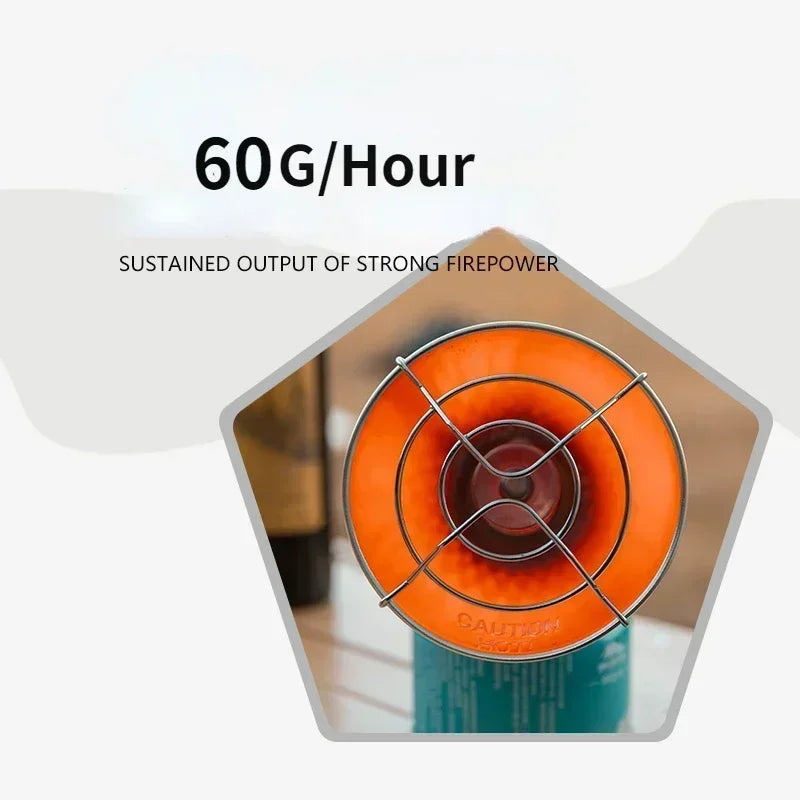
Staying warm while backpacking is easier when lightweight insulation, smart layering, and compact heat solutions work together.
Why Cold Hits Backpackers Harder Than Expected
Many hikers assume the outside temperature alone determines how cold they'll feel. In reality, wind, damp clothing, fatigue, inadequate nutrition, and poor campsite choices often accelerate heat loss long before temperatures become extreme. Understanding how your body loses heat is the first step toward learning how to retain body heat while backpacking without adding unnecessary pack weight.
Heat Loss Mechanisms You Must Control
Your body continuously loses heat through four primary mechanisms. Reducing these losses is far more effective than carrying extra clothing.
- Conduction: Direct contact with cold ground, rocks, or snow pulls heat away from your body, making a quality sleeping pad essential.
- Convection: Wind removes the thin layer of warm air surrounding your body, which is why lightweight windproof shells provide outsized warmth.
- Radiation: Your body naturally radiates heat into the surrounding environment, especially during clear, cold nights.
- Evaporation: Sweat evaporating from your skin rapidly cools your body, making moisture management one of the most important backpacking cold weather tips.
Common Mistakes That Make You Colder
Many backpackers unknowingly increase heat loss through simple habits that are easy to avoid.
- Starting hikes overdressed and sweating during climbs.
- Waiting too long to adjust layers as activity levels change.
- Skipping proper ground insulation beneath a sleeping bag.
- Choosing exposed campsites where wind continuously strips away warmth.
- Sleeping in damp socks or moisture-soaked base layers.
- Not eating enough calories before a cold night, reducing natural heat production.
The Ultralight Warmth System (Core Framework)
The best ways to stay warm outdoors without bulky gear come from treating warmth as a complete system rather than relying on a single jacket or sleeping bag. Every decision—from pacing on the trail to campsite selection—affects how efficiently your body retains heat.
Prioritize Heat Retention Over Heat Creation
Your first priority should be preventing heat from escaping. Blocking wind, insulating yourself from cold ground, sealing drafts around your shelter, and trapping warm air inside your clothing require far less energy than trying to generate additional body heat after you've become cold.
Manage Moisture Aggressively
Moisture is one of the fastest ways to lose warmth. Open zippers before steep climbs, remove an insulating layer as your pace increases, and change into dry clothing once you stop. Staying slightly cool while hiking is often more comfortable than becoming sweaty and chilled later.
Optimize Warmth-to-Weight Ratio
Ultralight backpacking warmth tips focus on choosing equipment that delivers the greatest insulation for the least weight. A lightweight insulating layer, an effective sleeping pad, and a windproof shell usually outperform carrying several heavy garments that serve similar purposes.
Use Strategic Heat Boosts
Short, controlled warming strategies can restore comfort quickly without increasing pack weight. A warm meal, hot drink, several minutes of light movement before bed, or a compact heat source used responsibly can help raise core temperature before settling into your sleep system. When combined with efficient layering and moisture control, these brief warmth boosts create a repeatable system for comfortable cold-weather backpacking.
Layering for Backpacking Warmth (Without Bulk)
An adaptable layering system is one of the most effective ways to stay warm while backpacking because it lets you respond to changing weather, elevation, and activity levels without carrying unnecessary weight. Instead of relying on one bulky jacket, combine lightweight layers that work together to trap heat while allowing moisture to escape.
Base Layer: Moisture Control
Your base layer sits directly against your skin, making moisture management its primary job. Choose merino wool or high-quality synthetic fabrics that wick sweat away and dry quickly. Avoid cotton, which retains moisture and can dramatically increase heat loss once temperatures drop.
The mid layer provides most of your insulation by trapping warm air close to your body. Lightweight fleece performs well in damp conditions, while compressible down or synthetic insulated jackets offer excellent warmth for their weight. Select insulation based on expected weather rather than carrying multiple heavy garments.
Outer Layer: Wind & Weather Protection
A lightweight waterproof or windproof shell completes your layering system. Even a thin shell can significantly improve warmth by blocking wind, reducing convective heat loss, and keeping insulating layers dry during rain or snow.
Temperature-Based Layering Examples
- Cool conditions (50–60°F / 10–16°C): Moisture-wicking base layer with a lightweight wind shell.
- Cold conditions (35–50°F / 2–10°C): Base layer, insulating fleece or light puffy jacket, plus a weather-resistant shell.
- Near freezing (below 35°F / 2°C): Add a warmer insulated jacket during rest breaks and camp while continuing to adjust layers during movement.
Common Layering Mistakes
- Wearing every insulating layer at once instead of adding or removing layers as conditions change.
- Ignoring ventilation during climbs, leading to sweat buildup that later causes chilling.
- Choosing one heavy coat instead of several versatile lightweight layers.
- Keeping damp clothing on after reaching camp instead of changing into dry layers.
Sleep System Optimization for Cold Nights
Even the warmest sleeping bag cannot compensate for poor insulation beneath you. A well-balanced sleep system minimizes overnight heat loss while keeping pack weight reasonable, making it one of the most effective ways to stay warm camping without heavy gear.
Sleeping Pad R-Value Strategy
Your sleeping pad prevents conductive heat loss to the ground. Match the pad's R-value to expected temperatures, since cold ground can quickly draw away body heat. In colder seasons, some backpackers stack a lightweight foam pad beneath an inflatable pad to increase insulation with only a modest weight increase.
Sleeping Bag Efficiency Hacks
- Change into clean, dry sleep clothing before getting into your sleeping bag.
- Wear a warm hat or buff because significant heat can be lost from exposed skin.
- Store water bottles, batteries, and electronics inside your sleeping bag to help prevent freezing.
- Loosen compressed insulation before bedtime so your sleeping bag reaches full loft.
- Eat a calorie-rich snack and stay hydrated to support natural heat production overnight.
Clothing vs Sleeping System Tradeoffs
Rather than packing multiple heavy clothing layers specifically for sleeping, invest in an efficient sleeping pad and an appropriately rated sleeping bag. Allow your sleep system to provide most of the insulation, while reserving clothing for staying comfortable around camp and during breaks.
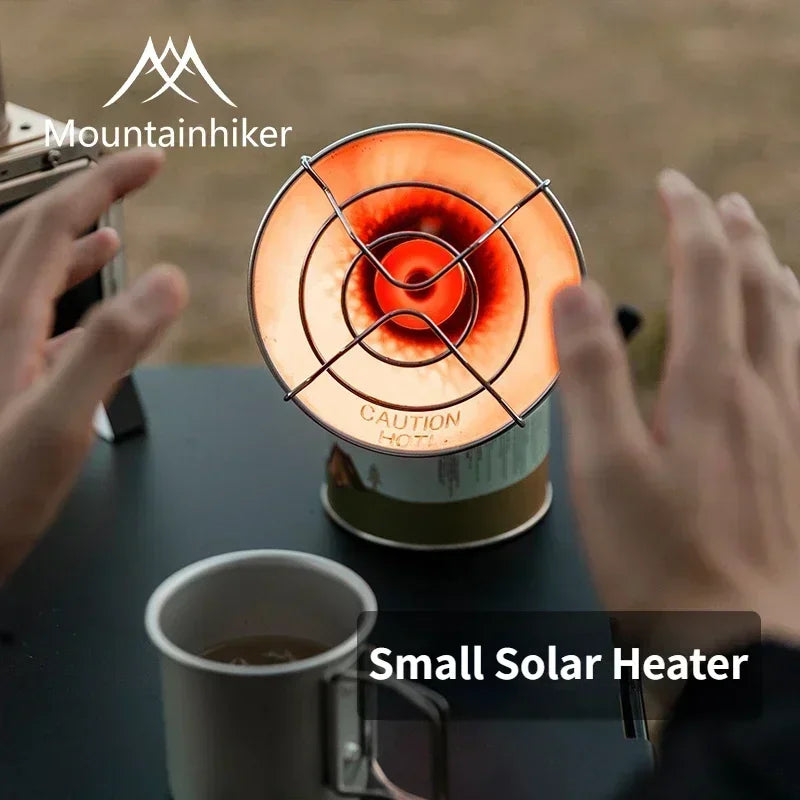
A compact warmth source can provide an extra boost of comfort during cold evenings while keeping your backpacking setup lightweight.
Campsite Strategy That Keeps You Warmer
Where you pitch your shelter can influence overnight comfort almost as much as the gear you carry. Careful campsite selection helps reduce wind exposure, improve insulation, and conserve body heat without adding a single ounce to your pack.
Wind Protection Positioning
Choose naturally sheltered locations behind rock formations, dense vegetation, or terrain features that reduce prevailing winds. Avoid ridgelines and other exposed areas where wind continuously strips away warm air surrounding your shelter.
Ground Insulation Techniques
Cold air naturally settles into low-lying valleys, so slightly elevated sites often provide a warmer sleeping environment. Whenever permitted, camp on durable surfaces with natural insulation beneath your tent and ensure your sleeping pad fully separates you from the cold ground.
Shelter Setup for Heat Retention
Pitch your tent or tarp securely with minimal gaps to reduce drafts while maintaining adequate ventilation to limit condensation. Orient the entrance away from prevailing winds whenever possible, creating a more stable and comfortable sleeping environment throughout the night.
How to Keep Warm While Hiking (Day & Night Movement)
Your body is the most efficient heat source you carry. The goal is to generate enough warmth through steady movement while avoiding excessive sweating, which can quickly lead to chilling once you slow down or stop.
Regulating Heat While Moving
Begin hiking feeling slightly cool rather than fully warm. Within a few minutes of walking, your body temperature will naturally rise. Adjust clothing early instead of waiting until you're already overheating, and maintain a comfortable pace that supports consistent heat production.
Preventing Sweat-Freezing Cycles
Excess perspiration is one of the biggest challenges during cold-weather backpacking. Remove an insulating layer before steep climbs, open pit zips or front zippers when needed, and put insulating layers back on immediately during breaks. Keeping clothing dry is one of the simplest ways to stay warm while backpacking throughout the day.
Night Hiking Warmth Tips
After sunset, temperatures often drop rapidly. Maintain a steady walking pace, protect your hands, head, and feet from wind exposure, and avoid long stationary breaks in exposed areas. If you stop for navigation or rest, add an insulating layer before your body begins to cool.
Nutrition & Metabolic Heat Hacks
Your body converts food into energy and heat, making nutrition an essential part of staying comfortable during cold-weather trips. Consistent fueling helps maintain circulation, supports muscle performance, and reduces the risk of feeling chilled during long hiking days.
High-Calorie Foods That Generate Heat
Foods rich in healthy fats and complex carbohydrates provide sustained energy that supports heat production over several hours. Nuts, nut butters, cheese, dried fruit, oatmeal, whole grains, and energy bars are popular backpacking choices because they deliver high calories without adding excessive pack weight.
Pre-Sleep Eating Strategy
Eating a calorie-dense snack shortly before bed gives your body fuel to generate warmth throughout the night. Pairing carbohydrates with healthy fats or protein can provide more sustained energy than sugary snacks alone.
Hydration and Warmth
Even mild dehydration can reduce circulation and make it harder for your body to regulate temperature. Drink water consistently throughout the day, and consider warm beverages at camp for added comfort during cold evenings.
Extremities Protection (Hands, Feet, Face)
Your hands, feet, ears, and face are often the first areas to become cold because your body naturally prioritizes keeping vital organs warm. Protecting these high-risk areas with lightweight solutions can significantly improve overall comfort without increasing pack weight.
Why Extremities Get Cold First
As temperatures fall, blood vessels in your hands and feet constrict to conserve core body heat. Wind, damp clothing, and restricted circulation can make extremities feel cold even when your core remains comfortable, so keeping these areas dry and protected is essential.
Quick Warm-Up Protocol
- Swing your arms or perform gentle arm circles to increase blood flow to your hands.
- Walk briskly or perform short bursts of movement before your body cools significantly.
- Replace wet gloves or socks with dry ones as soon as possible.
- Keep your head and neck covered to reduce overall heat loss.
Lightweight Gear Tricks
Thin liner gloves paired with windproof shells, dry merino wool socks, a lightweight beanie, and a neck gaiter often provide excellent warmth-to-weight performance. These compact accessories help you stay warm while backpacking without relying on bulky insulated clothing, making them valuable additions to an ultralight cold weather gear system.
Ultralight Warmth Tools (When Gear Is Worth It)
Good technique should always come first, but a few carefully selected pieces of ultralight gear can significantly improve comfort in cold conditions. Prioritize equipment that solves a specific problem, such as heat loss to the ground or prolonged wind exposure, instead of adding unnecessary weight to your pack.
When to Add Gear vs Use Technique
Before buying additional equipment, identify what is actually making you cold. If you're losing heat through the ground, upgrade your sleeping pad. If wind is the issue, a lightweight shell often provides more benefit than a heavier insulated jacket. Efficient gear choices complement good habits—they don't replace them.
Minimalist Heat Tools
- Ultralight insulated sleeping pads with an appropriate R-value for expected temperatures.
- Compact windproof or waterproof shells that dramatically reduce convective heat loss.
- Lightweight thermal base and mid layers that provide excellent warmth-to-weight performance.
- High-quality merino socks and liner gloves for improved comfort without bulk.
- Compact emergency blankets or bivy sacks for unexpected weather or emergencies.
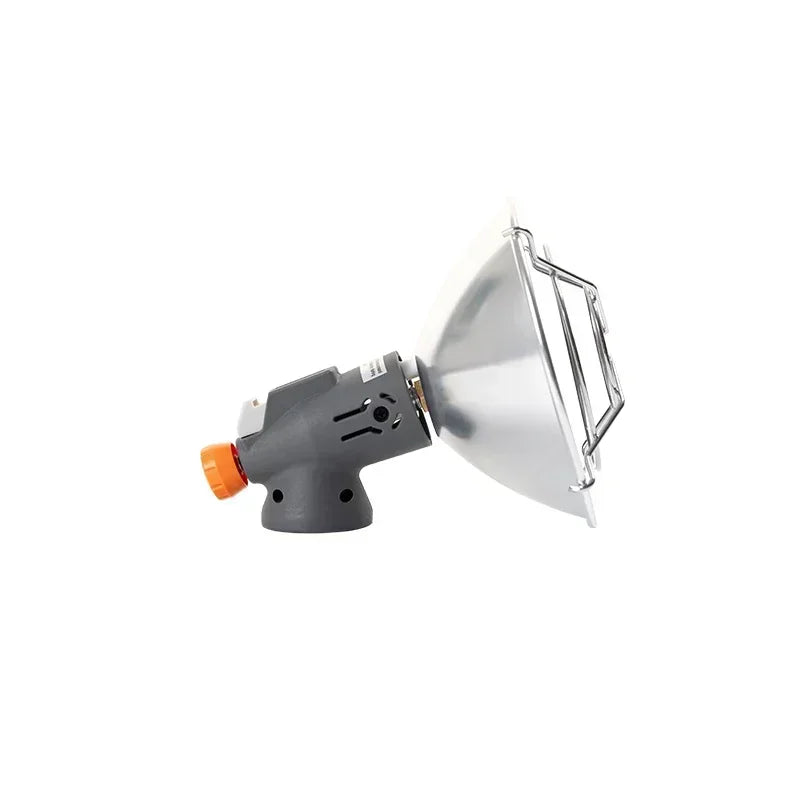
Lightweight warmth solutions can improve cold-weather comfort without adding unnecessary pack weight.
Warmth Mini-FAQ
How cold can you backpack without a heavy jacket?
There is no single temperature that applies to everyone because wind, humidity, activity level, and your clothing system all influence comfort. Many backpackers remain comfortable near freezing with efficient layering, proper ground insulation, and a well-rated sleep system rather than a single heavy coat.
What is the lightest way to stay warm while backpacking?
The lightest approach combines moisture-wicking base layers, lightweight insulation, a windproof shell, an insulated sleeping pad, and smart campsite selection. Improving your warmth-to-weight ratio is usually more effective than carrying additional clothing.
Is layering better than carrying one heavy coat?
Yes. Multiple lightweight layers allow you to regulate body temperature as conditions change, helping prevent both overheating and excessive cooling while reducing unnecessary pack weight.
How do you stay warm in a tent without extra blankets?
Focus on insulating yourself from the ground with an appropriate sleeping pad, using a sleeping bag suited to the forecast, changing into dry clothing before bed, eating a snack before sleeping, and minimizing drafts inside your shelter.
What should you eat to stay warm while backpacking?
Calorie-dense foods containing healthy fats and complex carbohydrates provide sustained energy for heat production. Nuts, cheese, nut butter, oatmeal, and trail mix are popular choices for cold-weather trips.
How do you prevent getting cold after sweating on a hike?
Adjust your layers before you become too warm, ventilate during climbs, and change into dry clothing as soon as you stop for an extended break or arrive at camp. Keeping moisture away from your skin is one of the most effective ways to stay warm.
For more lifestyle gear solutions, explore Lifestyle collections built for comfort and performance outdoors.
Related Guide: How to Stay Warm Camping in Freezing Nights













