

Swollen Ankle 1 Month After Sprain: Causes, Recovery, and Relief
⏱ 5 min read — If your ankle still feels puffy, stiff, or unstable weeks after an injury, you're not alone. A swollen ankle one month after a sprain is common, especially with moderate or severe ligament injuries. Understanding what's normal, what may delay healing, and how to support recovery can help you safely regain mobility and confidence.
Discover the option people overlook but swear by
Is It Normal for an Ankle to Still Be Swollen 1 Month After a Sprain?
Yes. A swollen ankle 1 month after a sprain is often part of the normal healing process, particularly after a Grade II or Grade III ligament injury. Even when pain has improved, the injured tissues may still contain excess fluid as blood vessels, ligaments, and surrounding connective tissue continue to repair.
If swelling is gradually decreasing and you're steadily regaining strength and mobility, reassurance is usually appropriate. However, if your ankle is becoming more swollen, increasingly painful, or repeatedly giving way, further medical assessment is recommended.
- Mild swelling with improving function is usually expected.
- Morning stiffness and evening swelling commonly occur during recovery.
- Walking should become progressively easier each week.
- Persistent severe swelling, instability, or inability to bear weight deserves evaluation.
Why Your Ankle Is Still Swollen After a Month
If you're wondering, " Why is my ankle still swollen after a month? " the answer often lies in how slowly ligaments heal. Unlike muscles, ankle ligaments have a limited blood supply, meaning inflammation and tissue remodeling continue well beyond the first few weeks.
How Ligament Healing Causes Persistent Swelling
After a sprain, your body removes damaged tissue while producing new collagen fibers. During this remodeling phase, mild swelling may persist despite noticeable pain relief. Increased activity can also temporarily increase fluid around the joint before it settles again.
Grade I vs Grade II vs Grade III Recovery
- Grade I: Mild stretching of ligaments with recovery typically within 2–4 weeks.
- Grade II: Partial ligament tear with swelling commonly lasting 4–8 weeks.
- Grade III: Complete ligament rupture that may require several months of rehabilitation and occasionally surgery.
Common Causes of Chronic Swelling
- Incomplete ligament healing
- Returning to sports or work too quickly
- Persistent joint inflammation (synovitis)
- Weak ankle muscles and poor balance control
- Scar tissue restricting normal joint movement
- Insufficient compression or rehabilitation
Warning Signs of a More Serious Injury
- Swelling continues worsening instead of improving.
- Sharp pain with walking or standing.
- Repeated ankle instability or "giving way."
- Numbness, tingling, or significant bruising that persists.
- Visible deformity or inability to bear weight.
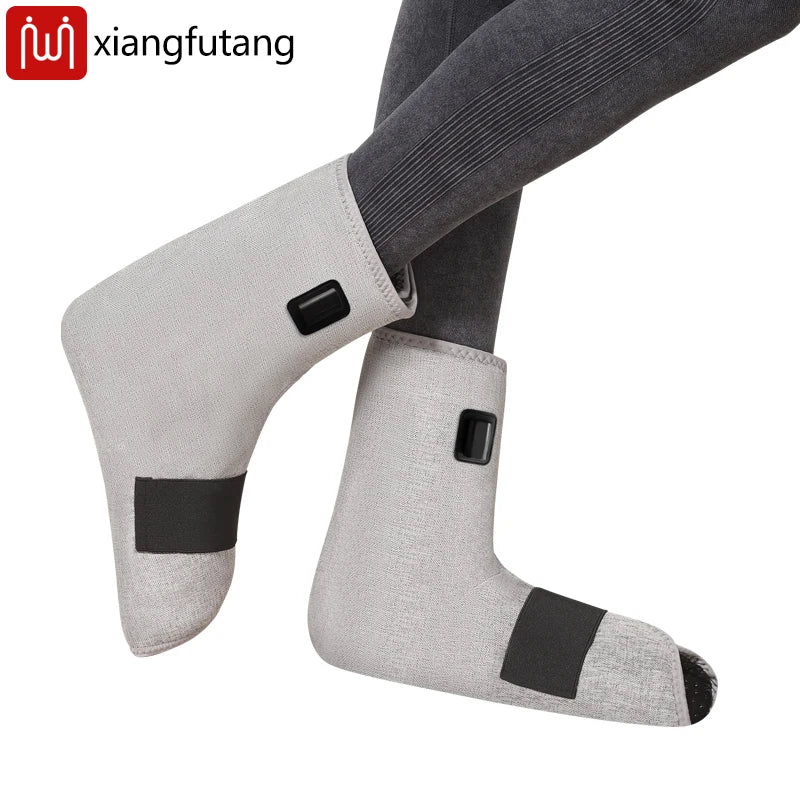
Swollen ankle 1 month after sprain with targeted support — See it in action
Week-by-Week Ankle Sprain Recovery Timeline
Week 1
Swelling and pain are usually at their highest. Protection, compression, elevation, and early gentle movement help control inflammation.
Weeks 2–4
Most people notice improving mobility, although swelling commonly returns after prolonged standing or walking. Gentle strengthening and range-of-motion exercises become increasingly important.
Weeks 4–8
Many moderate sprains still have mild swelling, especially after exercise. Balance training, resistance exercises, and progressive walking typically replace early rehabilitation.
Beyond 8 Weeks
If significant swelling, pain, or instability remains beyond two months, additional evaluation may be needed to rule out cartilage injury, tendon damage, chronic ankle instability, or an unrecognized fracture.
When an X-ray Is Recommended
An X-ray may be appropriate if pain persists, weight-bearing remains difficult, or your clinician suspects an occult fracture that was missed initially.
When MRI or Ultrasound May Help
MRI is particularly useful for evaluating ligament tears, tendon injuries, cartilage damage, or persistent joint inflammation. Ultrasound can assess tendons and fluid around the ankle in certain situations.
Signs of Chronic Ankle Instability
- Your ankle frequently rolls inward.
- You feel uncertain on uneven ground.
- Swelling returns after routine activity.
- Balance remains poor despite rehabilitation.
Persistent instability often responds best to structured physiotherapy focusing on strength, balance, and proprioception.
How to Reduce Ankle Swelling After a Sprain
One month after injury, treatment focuses less on resting the ankle and more on restoring normal movement while controlling lingering inflammation.
Progressive Swelling Management
- Walk within your comfort level instead of complete immobilization.
- Elevate the ankle after longer periods of standing.
- Use compression during activity to reduce fluid buildup.
- Continue ankle mobility exercises daily.
- Gradually increase activity instead of making sudden jumps.
Rehabilitation Exercises by Recovery Stage
- Weeks 2–4: Alphabet exercises, ankle circles, towel stretches.
- Weeks 4–6: Heel raises, resistance band strengthening, single-leg balance.
- Weeks 6–8: Step-ups, calf strengthening, controlled hopping if approved.
- Beyond 8 weeks: Sport-specific drills and agility exercises.
Compression Ankle Wraps
A compression ankle wrap for injury helps reduce fluid accumulation while supporting comfortable movement. The wrap should feel snug without causing numbness, discoloration, or increased pain.
Heat Therapy: When It Helps
Heat is generally more useful once the initial inflammatory phase has settled. Around one month after a sprain, gentle heat before exercise may improve flexibility and reduce stiffness, while compression afterward can help limit swelling. If the ankle becomes hot, red, or acutely swollen after activity, cold therapy may still be preferable.
See how modern ankle support fits into daily life
Choosing the Right Support During Recovery
The best support depends on your activity level, degree of instability, and stage of healing.
Best Ankle Brace for Sprain Recovery
- Lace-up braces for moderate ligament injuries.
- Semi-rigid braces for athletes returning to activity.
- Compression sleeves for mild swelling and daily wear.
- Adjustable supports that accommodate changing swelling.
Compression Wrap vs Support Brace
Compression wraps primarily control swelling and improve comfort, while structured braces provide greater mechanical stability during walking, work, or sports. Some individuals benefit from using both at different stages of recovery.
When to Wear a Brace
- During prolonged walking.
- While exercising or returning to sports.
- On uneven surfaces.
- Until strength and balance have fully recovered.
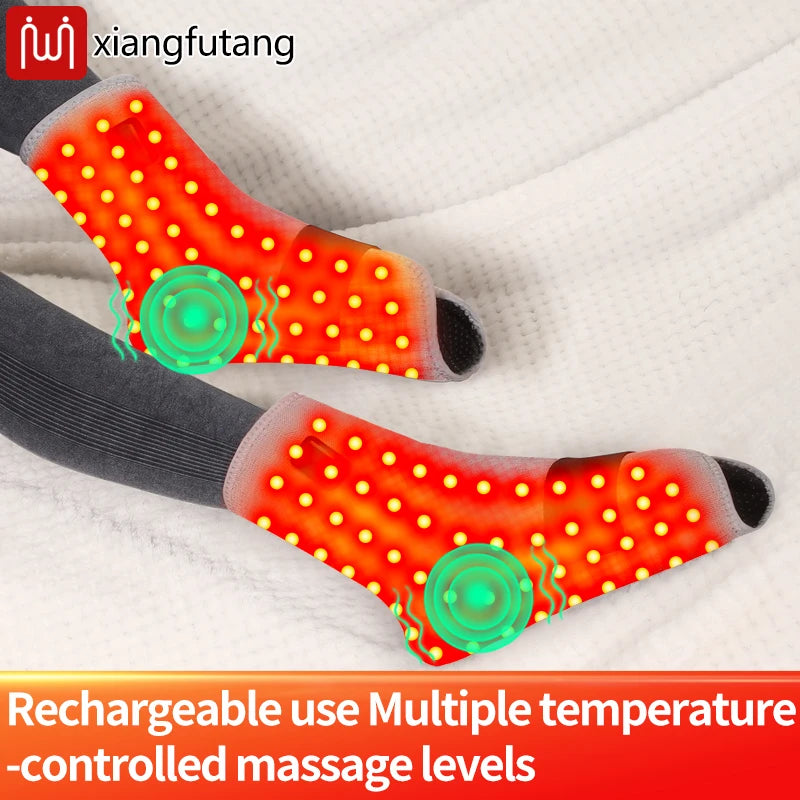
Stability ankle brace support stabilizer comparison — See it in action
Get yours now — limited stock!
Expert Tips to Prevent Long-Term Ankle Problems
Returning to Walking and Work
- Increase walking distance gradually.
- Take regular breaks if your job requires standing.
- Wear supportive footwear with good stability.
Returning to Sports
- Achieve pain-free hopping before high-impact sports.
- Restore full ankle strength and balance first.
- Consider temporary brace use during early return.
Preventing Reinjury
- Continue strengthening exercises even after swelling resolves.
- Practice single-leg balance several times weekly.
- Avoid sudden increases in training volume.
- Monitor recurring swelling after activity.
- Consult an orthopedic specialist if symptoms persist beyond 6–8 weeks.
Frequently Asked Questions
Why is my ankle still swollen after a month if the pain is better?
Ligaments continue healing after pain decreases. Mild swelling commonly remains because tissue remodeling takes longer than pain resolution.
How long does ankle swelling usually last after a sprain?
Mild sprains often improve within 2–3 weeks, moderate sprains frequently take 4–8 weeks, and severe injuries may require several months before swelling fully resolves.
Is walking good for a swollen ankle after four weeks?
Yes, provided walking is comfortable and progressively increased. Gentle weight-bearing helps restore circulation, strength, and joint function.
When should I get an MRI for an ankle sprain?
An MRI may be appropriate when swelling, pain, instability, or limited function persists beyond the expected healing timeline despite appropriate rehabilitation.
Can a Grade II sprain still be swollen after one month?
Yes. Partial ligament tears commonly remain mildly swollen four to six weeks after injury while collagen fibers continue strengthening.
Can persistent swelling mean a torn ligament or tendon?
It can. Persistent swelling accompanied by instability, weakness, or ongoing pain should be evaluated to rule out ligament, tendon, or cartilage injuries.
Should I use heat or ice one month after an ankle sprain?
Heat is generally helpful for stiffness before exercise, while ice may be useful if swelling increases after activity. Many people benefit from combining both strategically.
When is it safe to return to sports after an ankle sprain?
Return when swelling is minimal, strength has returned, balance is restored, and sport-specific movements can be performed without pain or instability.
Related Guide: Ankle Sprain Healing Time Frame: Full Product Review













