

Does head massage really work?
Yes. Current evidence suggests that head massage can promote relaxation, ease everyday muscle tension, support relief from tension-type headaches, and improve overall well-being for many people. These benefits are thought to come primarily from gentle stimulation of the scalp, muscles, and sensory nerves rather than dramatic changes in blood flow alone.
During a head massage, rhythmic pressure and circular movements help relax tight muscles around the scalp, temples, neck, and jaw while activating the parasympathetic ("rest and digest") nervous system. Many people notice reduced stress, greater comfort, and a calmer state after a session.
Some proposed benefits—such as supporting scalp comfort and maintaining a healthy environment for hair follicles—are biologically plausible but supported by more limited research than relaxation and stress relief. Regular massage should be viewed as a supportive wellness practice rather than a treatment for underlying medical conditions.
Head Massage Benefits: Science, Effects, and How to Maximize Results
Head massage is more than a relaxing ritual. When performed with gentle, consistent technique, it may help reduce muscle tension, encourage relaxation, support recovery after stressful days, and ease tension-related discomfort around the scalp, temples, and neck. This guide explains what the evidence says about head massage benefits, how different techniques work, and how to get the most from each session while keeping expectations realistic.
⏱ 7 min read
Explore how targeted scalp stimulation can change your daily recovery routine.
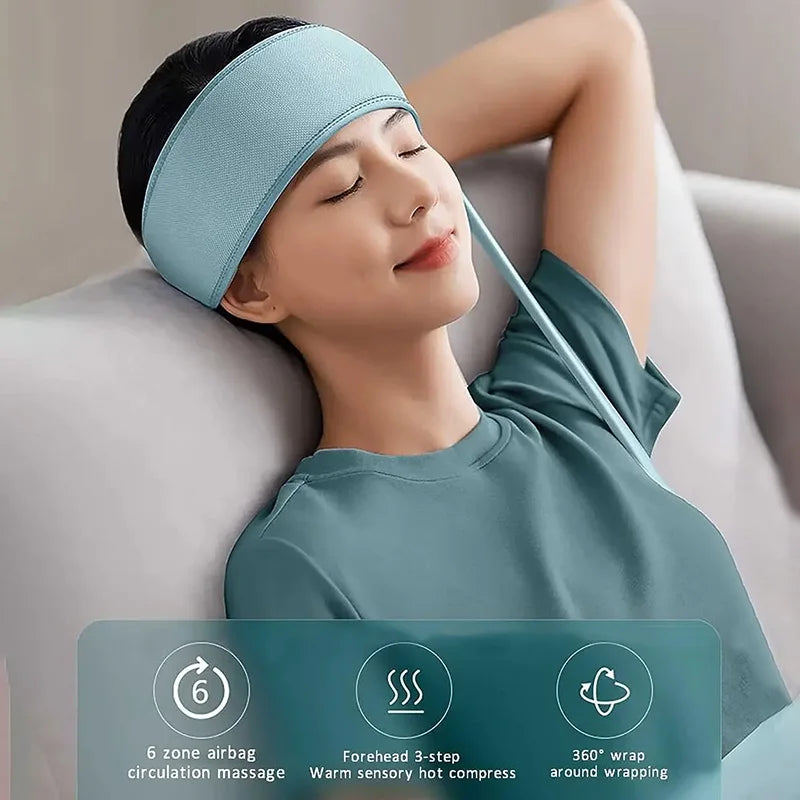
Therapeutic head massage for daily relaxation, scalp comfort, and tension relief. See it in action.
What Is Head Massage? Types and Techniques Explained
Head massage is the practice of using the fingertips, hands, or massage devices to apply gentle pressure and rhythmic movements across the scalp, temples, forehead, and surrounding neck muscles. While the terms head massage and scalp massage are often used interchangeably, head massage usually includes the temples and upper neck in addition to the scalp.
The goal is to encourage relaxation, reduce muscle tightness, and provide pleasant sensory stimulation. Depending on the technique, a session may be performed with dry hands, massage oils, manual tools, or electric head massagers.
Common head and scalp massage techniques
- Gentle circular movements: Small fingertip circles help relax tight areas without excessive pressure.
- Kneading and lifting: Light kneading across the scalp may improve comfort and reduce feelings of tightness.
- Temple massage: Slow circular motions around the temples can be soothing for people experiencing tension after prolonged screen time.
- Neck integration: Including the base of the skull and upper neck often provides more complete relief than massaging the scalp alone.
Traditional vs modern scalp massage
- Ayurvedic head massage: Traditionally combines warm oils with slow, rhythmic strokes to promote relaxation and scalp comfort.
- Therapeutic scalp massage: Focuses on easing muscle tension around the scalp, temples, jaw, and neck using controlled manual techniques.
- Device-based massage: Electric or manual massage tools provide consistent pressure and repetitive movements, making regular sessions easier for many users.
The Science Behind Head Massage Benefits
Nervous system relaxation and stress response
One of the most supported head massage benefits is its ability to encourage relaxation. Gentle, repetitive touch stimulates sensory nerves in the scalp and surrounding tissues, which may help activate the parasympathetic nervous system—the part of the body associated with rest and recovery.
This shift can reduce feelings of stress and promote a calmer mental state. While research findings vary depending on the type of massage, duration, and individual response, many people report feeling more relaxed and less mentally overwhelmed after a session.
Muscle tension and pain perception
Head massage may help with discomfort caused by tight muscles around the scalp, temples, forehead, jaw, and neck. Gentle pressure can relax areas that become tense from prolonged screen use, poor posture, stress, or repetitive daily habits.
For tension-related discomfort, massage may influence how the brain processes pain signals by reducing muscle tightness and creating a soothing sensory response. However, head massage should not be considered a replacement for medical evaluation when headaches are severe, sudden, or persistent.
Sensory stimulation and why massage feels good
Many people wonder, “why does head massage feel good?” The answer is partly related to the large number of sensory receptors located in the scalp. Slow, controlled movements provide calming touch signals that can create a feeling of comfort and relief.
This explains why head massages often feel soothing even after a short session. The combination of gentle pressure, repetitive movement, and focused attention can help the body move away from a heightened stress response.
Circulation: what is supported and what is overstated
Head massage may temporarily increase local blood flow in the area being massaged, which can contribute to a feeling of warmth and relaxation. However, claims that massage dramatically improves oxygen delivery, directly stimulates hair growth, or transforms scalp health are not strongly supported by current evidence.
Circulation may be one factor involved in scalp comfort, but the most established benefits of head massage relate to relaxation, sensory stimulation, and reducing feelings of muscle tension.
Physical Benefits of Head Massage
Head massage for tension headaches
A scalp massage headache approach may be helpful for some people with tension-type headaches, especially when discomfort is linked to tight muscles around the scalp, temples, jaw, or neck. Relaxing these areas may reduce the sensation of pressure and improve overall comfort.
Head massage does not cure headaches, and results vary depending on the cause. People experiencing frequent or worsening headaches should seek professional medical advice to identify underlying factors.
Head massage and migraine symptoms
Migraine symptoms are different from tension headaches and may involve neurological changes, sensitivity to light or sound, nausea, and other symptoms. Some people find gentle massage relaxing during migraine episodes, but evidence for massage as a migraine treatment remains limited.
Because migraines can vary significantly between individuals, pressure-based techniques should always be adjusted according to personal comfort. Strong pressure may feel unpleasant for some people during an active migraine.
Temple massage benefits and eye strain
One of the common temple massage benefits is temporary relief from the feeling of pressure caused by tired eyes, prolonged screen use, or facial muscle tension. Gentle movements around the temples may help relax surrounding muscles and create a calming sensation.
However, temple massage does not correct vision problems or replace proper screen habits. Regular breaks, appropriate lighting, and comfortable viewing distance remain important for managing digital eye strain.
Neck, shoulder, and scalp tension relief
Head massage often works best when it includes nearby areas that contribute to upper-body tension. The scalp, base of the skull, neck, and shoulders are closely connected, and tightness in one area can influence how discomfort is felt in another.
Combining scalp movements with gentle neck and shoulder relaxation techniques may provide a more complete approach for people dealing with everyday tension from work, posture, or stress.
Experience consistent scalp massage headache relief at home.
Mental and Emotional Benefits of Head Massage
Stress and anxiety relief
One of the most recognized benefits of head massage is its ability to support relaxation during stressful periods. Gentle touch and rhythmic movement may help reduce feelings of tension and encourage a calmer emotional state.
Head massage should not be viewed as a treatment for anxiety disorders, but it can be a useful self-care practice that supports relaxation alongside other healthy stress-management habits.
Relaxation and mental well-being
Regular head massage may provide a dedicated moment of relaxation in a busy routine. The focused, repetitive movements can help create a sense of comfort and mindfulness, which may support overall mental well-being.
Sleep support
Because relaxation plays an important role in sleep quality, some people find that head massage before bedtime helps them transition into a calmer state. The potential sleep benefits are most likely related to reduced stress and physical relaxation rather than a direct sleep-promoting effect.
Individual responses vary, and the quality of sleep depends on many factors, including daily habits, environment, and overall health.
Why Does Head Massage Feel So Good?
Many people wonder why head massage feels good even after only a few minutes. The answer begins with the scalp’s rich network of sensory receptors. Gentle pressure, circular movements, and rhythmic touch provide signals that the brain interprets as soothing and comforting.
Why scalp massage feels relaxing
A scalp massage may feel relaxing because slow, controlled movements help reduce the sensation of physical tension while encouraging a calmer state of mind. The combination of repetitive touch and focused attention can create a comforting experience that helps people disconnect from daily stress.
This is one reason why scalp massages feel good as part of a self-care routine. The benefit is not only physical—it also comes from creating a quiet moment of relaxation and body awareness.
Why massaging the temples feels good
Many people find that massaging the temples feels good when they experience tension around the forehead, eyes, or sides of the head. Gentle temple movements may help relax nearby muscles and provide temporary comfort, especially after long periods of screen use or concentration.
Temple massage benefits are mainly associated with relaxation and reduced feelings of tightness. It should be performed gently, as excessive pressure may increase discomfort for some people.
Why head massagers feel satisfying
Many users ask, “why do head massagers feel so good?” The answer is that massage devices create consistent, repetitive stimulation that can be difficult to maintain with hands alone. The sensation of steady movement across the scalp can feel soothing and help support a relaxing routine.
Why do scalp massagers feel so good for many people? Comfort, pressure control, and the repetitive nature of the movement all contribute to the experience. However, personal preference plays an important role, and a comfortable level of pressure is different for everyone.
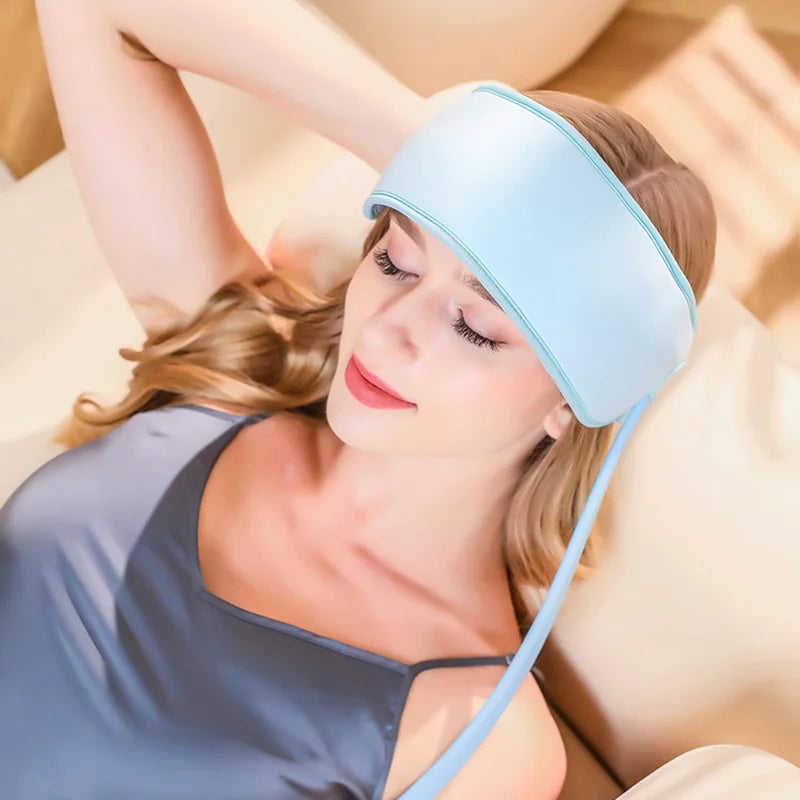
Does head massage reduce stress? Users report calmer days and better sleep. See it in action.
Daily Head Massage Benefits: What Happens Over Time?
Short-term effects after one session
One of the most noticeable daily head massage benefits is the immediate feeling of relaxation after a session. A few minutes of gentle massage may help release areas of tightness and create a temporary sense of comfort.
These short-term effects vary from person to person and depend on factors such as stress levels, technique, pressure, and individual sensitivity.
Potential benefits of regular massage
Consistent head massage may support ongoing relaxation and help people maintain a regular self-care routine. Over time, some individuals notice improved comfort, reduced feelings of tension, and better awareness of areas where they hold stress.
The long-term benefits of head massage depend on consistency and personal response. Massage can support wellness habits, but it should not be expected to replace treatment for medical conditions or guarantee specific outcomes.
How often should you massage your head?
For most people, a gentle head massage several times per week can be a practical routine. Sessions of around 5–15 minutes are commonly used, with frequency adjusted based on comfort and personal goals.
Daily massage is not required for everyone. The most important factors are using comfortable pressure, avoiding irritation, and maintaining a routine that feels sustainable.
Manual vs Electric Head Massager Benefits
Fingertips and manual scalp massage
Manual massage using fingertips gives you direct control over pressure, speed, and location. It can be useful for targeting specific areas such as the temples, forehead, or scalp regions where you notice tension.
The main advantage of manual massage is flexibility. You can adjust every movement based on how your body feels, making it a simple option for relaxation and mindfulness.
Manual scalp massagers and head scratchers
Manual scalp massagers and head scratchers provide an easy way to stimulate the scalp without using your fingers continuously. They may be convenient for people who enjoy the sensation of light pressure or gentle scratching.
Head scratcher benefits are mainly related to sensory enjoyment and relaxation. They should not be viewed as tools that provide proven medical treatment or guaranteed hair-growth effects.
Electric head massagers
Electric head massagers provide consistent movement and pressure, which can make regular massage easier and more convenient. They are especially useful for people who prefer hands-free operation or want a repeatable massage experience.
The benefits of head massager devices include convenience, consistency, and reduced hand fatigue. However, comfort remains the most important factor—stronger stimulation is not always better.
Explore options within Body Care and Health Devices and Hair Care and Styling Devices .
For those seeking reliable results, the electric head massager provides controlled therapy that supports relaxation, scalp comfort, and stress reduction as part of a daily wellness routine.
How to Do Head Massage for Maximum Benefits
Step-by-step technique
A simple self-massage routine can be effective when performed with gentle, controlled movements. The goal is to create comfortable stimulation rather than apply strong pressure.
- Start at the temples using slow circular motions with your fingertips.
- Move across the scalp using light to medium pressure, focusing on areas that feel tense.
- Massage the crown, sides, and back of the head evenly with small circular movements.
- Include the base of the skull and upper neck if you carry tension in those areas.
- Finish with slower strokes to encourage relaxation and a calm transition.
Where to focus: scalp, temples, forehead, and neck
For tension-focused massage, the temples, forehead, scalp, and upper neck are common areas to target. Gentle movements around these regions may help relieve feelings of tightness associated with prolonged concentration, screen use, or everyday stress.
When massaging the temples, avoid pressing too firmly. Comfortable pressure is more important than intensity, especially for people who experience sensitivity around the head.
How much pressure to use
The best pressure level is one that feels soothing rather than painful. Light to moderate pressure is generally suitable for most people, while aggressive scratching or excessive force may irritate the scalp.
If the scalp feels sore, irritated, or uncomfortable during a session, reduce pressure or stop and reassess the technique.
How often and how long to massage
A practical routine is to massage the head for about 5–15 minutes several times per week. Some people enjoy daily sessions, while others prefer occasional use depending on their relaxation goals and comfort level.
Consistency is usually more important than duration. A short, comfortable massage routine may be easier to maintain than occasional longer sessions with excessive pressure.
Who Should Avoid or Be Careful With Head Massage?
When to avoid scalp or head massage
Although head massage benefits many people as a relaxation practice, it is not suitable for every situation. Avoid scalp or head massage when you have:
- Open wounds, cuts, or active scalp infections
- Severe scalp irritation, inflammation, or unexplained skin changes
- A recent head, neck, or scalp injury that has not fully healed
- Discomfort or worsening symptoms caused by massage pressure
When to stop and seek medical advice
Head massage should not be used as a substitute for diagnosis or medical treatment. Stop and seek professional advice if you experience sudden or severe headaches, unusual scalp pain, neurological symptoms, or symptoms that continue to worsen.
People who frequently experience migraines, unexplained headaches, or other ongoing concerns should discuss appropriate approaches with a healthcare professional before using massage as part of their routine.
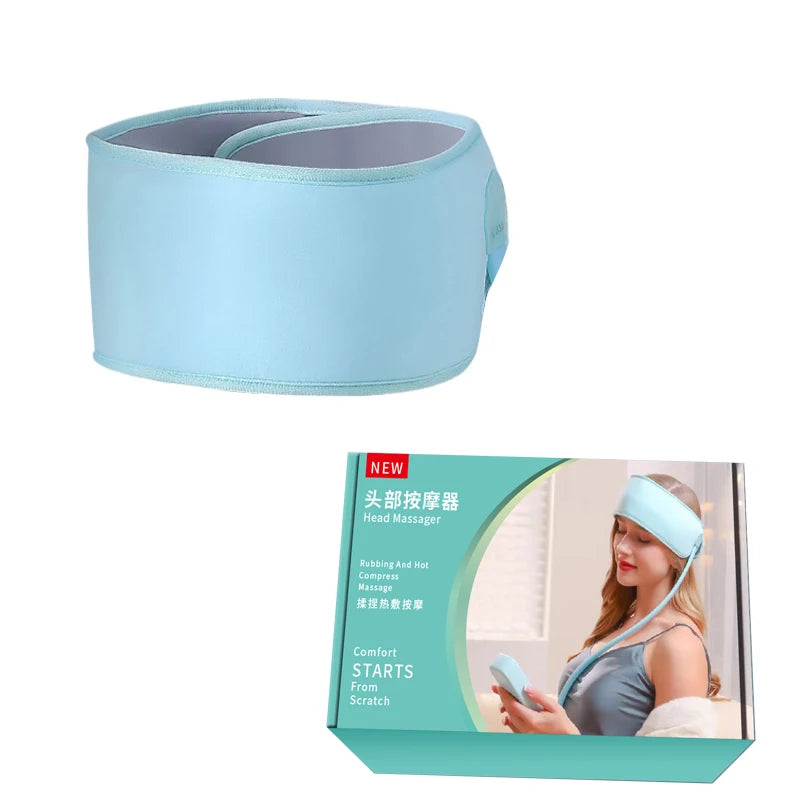
Transform your daily routine with therapeutic head massage. See it in action.
Get yours now — limited stock!
Frequently Asked Questions About Head Massage Benefits
What are the main benefits of head massage?
The main head massage benefits include relaxation, reduced feelings of muscle tension, support for stress management, and temporary comfort from tension-related discomfort. Some people also use head massage to support scalp comfort and create a calming self-care routine. Evidence is stronger for relaxation-related effects than for claims about hair growth or major circulation changes.
How often should I do a head massage?
Many people find that 5–15 minute sessions several times per week are a practical routine. The ideal frequency depends on your comfort, goals, and how your scalp responds. Daily head massage is not required to experience potential relaxation benefits.
Can head massage help with headaches?
Head massage may help support relief from tension headaches by relaxing tight muscles around the scalp, temples, jaw, and neck. However, it does not treat all headache types, and persistent, severe, or unusual headaches should be evaluated by a healthcare professional.
Can scalp massage help with migraines?
Some people find gentle scalp massage relaxing during migraine episodes, but research supporting massage as a migraine treatment is limited. Because migraines can involve different symptoms and triggers, pressure levels should always be adjusted based on personal comfort.
Can head massage promote hair growth?
Head massage may help maintain scalp comfort and support a healthy scalp environment, but current evidence does not prove that massage alone can regrow hair or prevent hair loss. Anyone experiencing sudden or unexplained hair loss should seek professional guidance.
Why does scalp massage feel so good?
Scalp massage feels good because gentle touch stimulates sensory receptors in the scalp and creates a soothing physical experience. The combination of rhythmic movement, comfortable pressure, and relaxation can make scalp massage feel calming and satisfying.
Is it safe to massage your head every day?
Yes, gentle daily head massage is generally safe for many people when performed with comfortable pressure. Avoid aggressive scratching or excessive force, and stop if you notice irritation, pain, or increased discomfort.
Are electric head massagers safe to use?
Electric head massagers are generally safe when used according to the manufacturer’s instructions and with a comfortable intensity level. Benefits of head massager devices include consistent movement and convenience, but they should not be used on irritated skin, open wounds, or areas that feel painful.
For more wellness inspiration, explore the Beauty & Self-Care Blog and Body & Face Blog .
Related Guide: Air Compression Massage Therapy Features That Ease Head Pressure













