

Best Fleece Face Gaiter for Cold Weather: Top Picks & Buying Guide
Cold wind biting at your face, dry air tightening your skin, constant readjusting just to stay warm—winter discomfort adds up fast. A thermal fleece face gaiter provides reliable cold weather face protection by balancing insulation, breathability, and comfort without bulk.
⏱ 6 min readBest Fleece Face Gaiters for Cold Weather: Top Picks Compared
These fleece face gaiter styles are selected based on warmth, wind resistance, breathability, and real-world usability. Each option fits a different winter scenario.
1. Best Overall Thermal Fleece Face Gaiter for Winter
- Material: Dense thermal fleece
- Warmth: High (0°C to -15°C)
- Best for: All-around winter use, commuting, outdoor work
- Pros: Excellent insulation, soft interior, wind-resistant
- Cons: Slightly warmer during intense activity
- Ideal user: Daily users needing reliable warmth and comfort
2. Best Breathable Fleece Neck Gaiter for Skiing and Snowboarding
- Material: Lightweight fleece blend
- Warmth: Medium (-5°C to 5°C)
- Best for: Skiing, snowboarding, high-output activity
- Pros: Moisture-wicking, reduces overheating
- Cons: Less insulation in extreme cold
- Ideal user: Active winter sports enthusiasts
3. Best Fleece-Lined Neck Gaiter for Wind Protection
- Material: Windproof shell + fleece lining
- Warmth: High (-10°C to 0°C)
- Best for: Windy urban commutes, cycling
- Pros: Strong wind blocking, structured fit
- Cons: Slightly bulkier
- Ideal user: City commuters exposed to wind chill
4. Best Lightweight Fleece Face Cover for Running and Hiking
- Material: Stretch microfleece
- Warmth: Medium (0°C to 10°C)
- Best for: Running, hiking, layering
- Pros: Flexible fit, breathable, lightweight
- Cons: Limited insulation in harsh cold
- Ideal user: Runners and hikers needing airflow
5. Best Neck Warmer for Extreme Cold Conditions
- Material: Thick fleece or double-layer fleece
- Warmth: Very high (-20°C and below)
- Best for: Extreme cold, snowmobiling, outdoor work
- Pros: Maximum insulation, strong heat retention
- Cons: Lower breathability
- Ideal user: Users in harsh winter climates
Quick Comparison Table: Fleece Face Gaiters for Winter
| Type | Warmth | Wind Protection | Breathability | Temperature Range | Best Activity | Fit |
|---|---|---|---|---|---|---|
| Thermal Fleece | High | High | Medium | -15°C to 0°C | General winter use | Snug |
| Lightweight Fleece | Medium | Low | High | -5°C to 10°C | Running, hiking | Flexible |
| Fleece-lined Shell | High | Very High | Medium | -10°C to 0°C | Windy conditions | Structured |
| Stretch Fleece | Medium | Medium | High | 0°C to 10°C | Everyday wear | Adjustable |
How We Evaluated the Best Cold Weather Face Gaiters
To identify the best fleece face gaiter for cold weather, we focused on real-world performance rather than marketing claims.
- Insulation: Ability to retain heat in low temperatures
- Breathability: Moisture escape during movement
- Wind resistance: Protection against wind chill
- Comfort: Skin feel during long wear
- Durability: Resistance to pilling and shape loss
This approach ensures each breathable fleece face cover performs reliably across daily use and outdoor conditions.
How to Choose the Best Fleece Face Gaiter for Winter Conditions
Choose Fleece Weight Based on Temperature
Thicker fleece provides more insulation for sub-zero conditions, while lightweight fleece works better for mild winter or active use.
Microfleece vs Grid Fleece vs Polartec vs Merino Blends
- Microfleece: Lightweight and breathable
- Grid fleece: Better airflow for active movement
- Polartec: High-performance warmth-to-weight ratio
- Merino blends: Natural odor resistance with moderate insulation
Balance Warmth and Breathability for Activity Level
Low-output activities (commuting, standing) require insulation. High-output activities (skiing, running) need airflow to prevent overheating.
Check Fit, Stretch, and Helmet Compatibility
A snug but flexible fit ensures warmth without restricting breathing. Look for stretch materials that work under helmets or goggles.
Fleece Face Gaiter vs Other Winter Face Coverings
Fleece vs Merino Wool
Fleece dries faster and is more durable, while merino offers better odor control and natural temperature regulation.
Fleece vs Polyester
Fleece (a form of polyester) is brushed for insulation, making it warmer and softer than standard polyester fabrics.
Fleece vs Neoprene
Neoprene blocks wind completely but traps moisture. Fleece offers better breathability and comfort for extended wear.
Best Fleece Face Gaiter Uses for Different Winter Activities
Skiing and Snowboarding
Use breathable fleece to reduce moisture buildup and prevent fogging goggles.
Winter Hiking and Backpacking
Layer lightweight fleece gaiters to adapt to changing temperatures.
Cycling and Running
Choose stretch fleece with high breathability to maintain airflow.
Hunting, Snowmobiling, and Outdoor Work
Opt for windproof fleece-lined gaiters for maximum protection.
Daily Commuting in Cold Weather
A thermal fleece face gaiter provides consistent warmth without bulk.
Warmth, Breathability, and Moisture Management Explained
How Fleece Insulates Heat
Fleece fibers trap air pockets, creating insulation that retains body heat efficiently.
Preventing Frozen Condensation and Damp Fabric
Breathable fleece helps release moisture, reducing internal dampness that can freeze in cold air.
Avoiding Fogged Goggles During Winter Sports
Position the gaiter below the nose or use vented designs to direct airflow downward.
Comfort, Fit, and Care Tips for Long-Term Use
Skin Comfort and Soft Inner Linings
Soft fleece lining minimizes irritation during extended wear.
Adjustability and Face Coverage
Stretch fabrics and adjustable designs allow use as a neck warmer or full face cover.
Washing and Maintaining Fleece Performance
- Machine wash cold
- Avoid fabric softeners
- Air dry to preserve structure
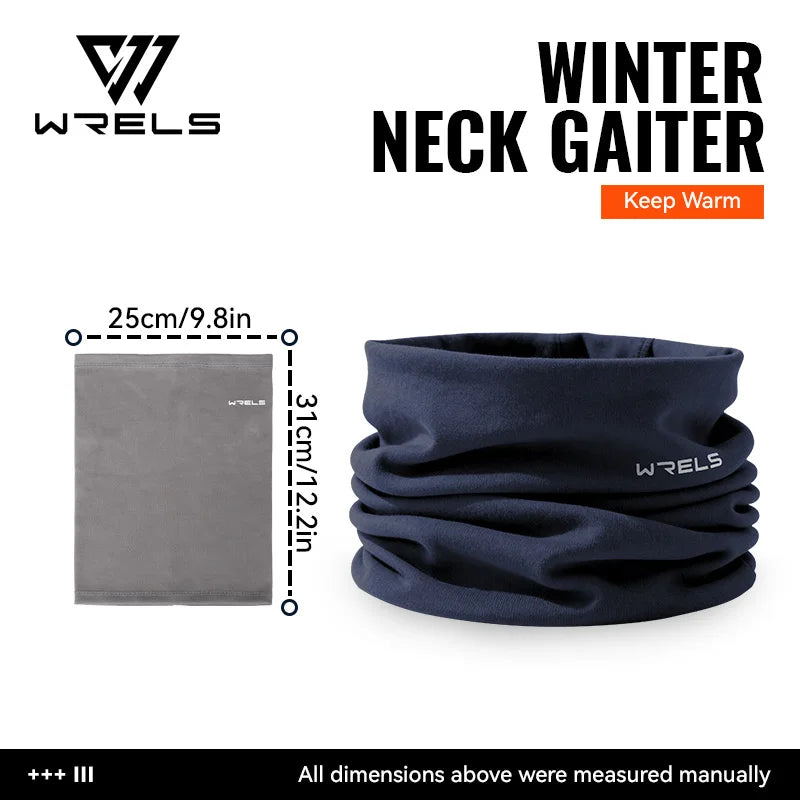
Extreme cold weather face mask performance in winter conditions — See it in action
Explore more winter clothing guides and cold weather camping gear to build a complete setup for harsh conditions.
Pair your winter routine with wellness-focused essentials from the Body Care and Health Devices collection for all-around cold-season support.
Frequently Asked Questions About Fleece Face Gaiters
Are fleece face gaiters breathable during exercise?
Yes. Breathable fleece allows moisture to escape, helping regulate temperature during activity.
What temperature is a fleece neck gaiter suitable for?
Most fleece gaiters work well from 10°C down to -15°C, depending on thickness and layering.
Can a fleece gaiter replace a scarf and winter mask?
Yes. It combines both functions in a single, more secure and versatile design.
Is fleece better than wool for extreme cold?
Fleece is often more durable and dries faster, while wool excels in moisture control. For extreme cold, thick fleece performs very well.
How do you stop a fleece gaiter from getting wet inside?
Choose breathable designs and avoid covering your mouth fully during high-output activity to reduce condensation buildup.
Product reference: Thermal fleece face gaiter
Related Guide: Cold Weather Neck Gaiter Features That Actually Keep Heat In













