

Does a thermal neck insulation layer really work better than a scarf?
A thermal neck insulation layer works by sealing warmth directly around the neck and upper chest, reducing heat loss caused by gaps and movement. Unlike scarves, it stays close to the body, blocks wind effectively, layers neatly under jackets, and delivers consistent warmth during commuting, outdoor work, and winter sports.
⏱ 6 min read
Thermal Neck Warmer: Best Thermal Neck Insulation Layers for Cold Weather (Buyer Guide)
Cold air sneaking down your collar. A scarf that loosens every time you turn your head. Traditional winter accessories often leave gaps that allow warm air to escape. A thermal neck warmer solves this problem by creating a close-fitting insulation layer around the neck and upper chest—one of the body's fastest heat-loss zones.
Quick Verdict: Best Thermal Neck Warmers by Activity
| Best Choice | Recommended For | Why It Stands Out |
|---|---|---|
| Fleece Thermal Neck Warmer | Best Value | Warm, soft, affordable, and ideal for everyday winter use. |
| Merino Wool Neck Warmer | Outdoor Sports | Excellent temperature regulation with natural odor resistance. |
| Synthetic Insulated Neck Warmer | Motorcycling & Windy Conditions | Superior wind blocking and fast-drying performance. |
| Heated Neck Warmer | Premium Choice | Provides active heating for prolonged exposure to freezing temperatures. |
Best Thermal Neck Warmers (Quick Comparison)
If you're comparing the best thermal neck warmer options, consider more than warmth alone. Material, breathability, insulation, and intended activity all affect long-term comfort.
| Type | Warmth | Breathability | Best Activity | Main Advantage | Potential Drawback |
|---|---|---|---|---|---|
| Fleece Thermal Neck Warmer | High | Medium | Daily commuting | Comfortable and budget-friendly | Can retain moisture during intense activity |
| Merino Wool Neck Warmer | Medium-High | High | Skiing, hiking | Naturally breathable and odor resistant | Usually costs more |
| Synthetic Insulated Neck Warmer | Very High | Medium | Motorcycling, outdoor work | Excellent wind protection | Slightly less breathable |
| Heated Neck Warmer | Maximum | Low-Medium | Extreme cold | Active heat generation | Requires battery charging |
Warmth vs Breathability
For active sports, prioritize breathable fabrics like merino wool. If you'll be standing still or riding in strong wind, thicker insulation or heated designs generally provide better protection.
Best Value vs Premium
Fleece remains the best value for most users, while heated neck warmers offer premium comfort during prolonged exposure to sub-freezing temperatures.
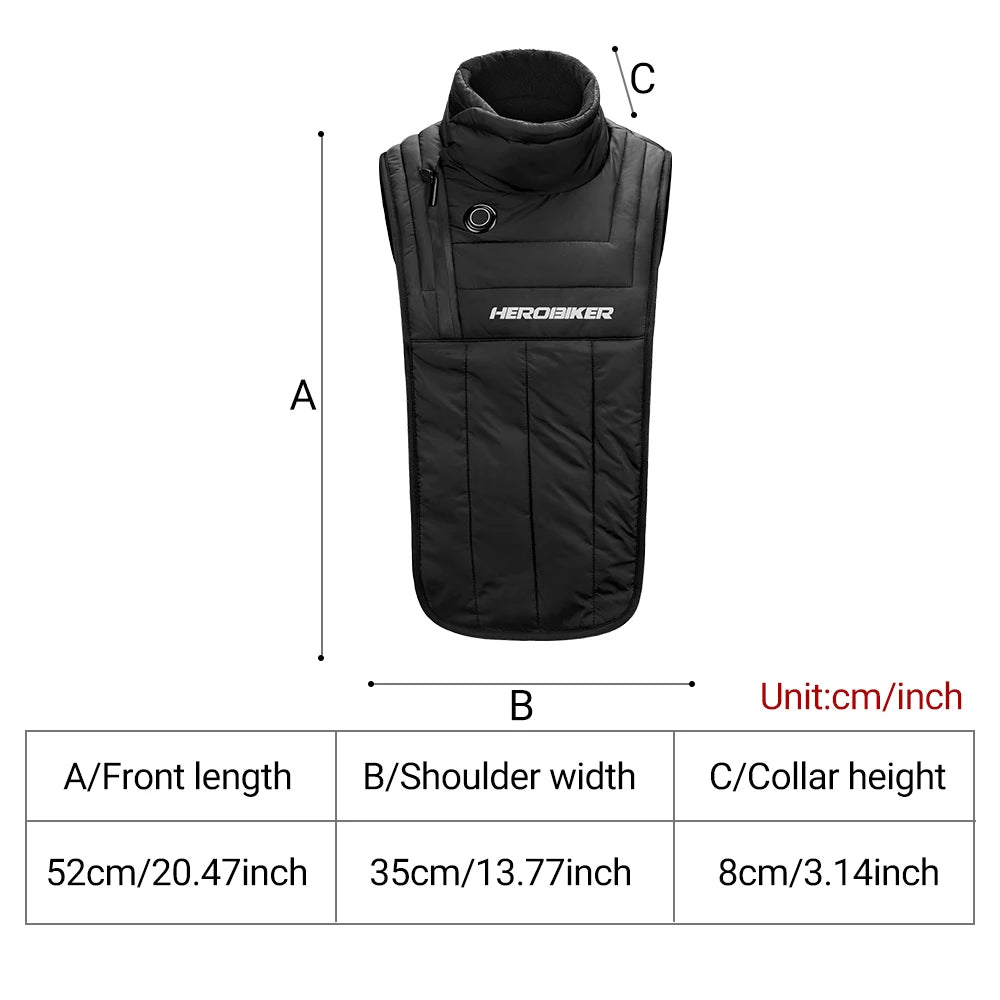
Thermal neck insulation layer acting as a secure neck warmer wrap — See it in action
What Is a Thermal Neck Warmer?
A thermal neck warmer is an insulated garment designed to retain heat around the neck and upper chest while limiting cold airflow. Unlike loose scarves, it stays securely positioned, helping maintain warmth during movement, windy weather, and repeated layering.
Why This Design Changes Everything
Most thermal neck warmers use stretch fabrics, ergonomic shaping, and extended chest panels that reduce openings where cold air normally enters. The closer fit improves insulation without adding unnecessary bulk.
How Thermal Neck Warmers Work
Body heat naturally warms the air trapped inside insulated fibers. Because the warmer stays close to the skin, less warm air escapes while cold wind has fewer opportunities to circulate inside clothing.
Benefits of a Neck Insulation Layer
- Blocks wind around the collar.
- Maintains a stable layer of warm air.
- Helps regulate body temperature during outdoor activities.
- Wicks moisture away in breathable performance fabrics.
- Reduces the need for oversized scarves or bulky jackets.
Best Thermal Neck Warmers by Use Case
Best for Motorcycle Riders
Synthetic insulated neck warmers with extended chest coverage reduce wind chill inside motorcycle jackets while fitting comfortably beneath helmets.
Best for Winter Sports
Merino wool balances insulation with moisture control, making it ideal for skiing, snowboarding, and alpine activities where body temperature changes throughout the day.
Best for Hiking & Hunting
Quiet, breathable fleece or wool designs help retain warmth during long periods outdoors while remaining comfortable under backpacks and layered clothing.
Best for Running & Cycling
Lightweight synthetic performance fabrics dry quickly and prevent overheating during high-output exercise.
Best for Daily Commuting
Soft fleece provides dependable warmth for walking, driving, or public transportation without feeling restrictive indoors.
Best for Extreme Cold
Heated neck warmers or heavily insulated synthetic designs provide the highest level of cold weather neck protection for prolonged exposure below freezing.
Thermal Neck Warmer Materials Comparison
Fleece
Fleece is warm, lightweight, and exceptionally comfortable for everyday winter wear.
Merino wool naturally regulates temperature, resists odors, and continues insulating even when slightly damp.
Synthetic Insulation
Modern polyester insulation dries quickly, resists wind effectively, and performs well in wet conditions.
Heated Neck Warmers
Battery-powered heating elements provide active warmth rather than relying only on trapped body heat.
Material Comparison Chart
| Material | Warmth | Breathability | Drying Speed | Odor Resistance |
|---|---|---|---|---|
| Fleece | High | Medium | Fast | Medium |
| Merino Wool | High | High | Medium | Excellent |
| Synthetic | Very High | Medium | Very Fast | Medium |
| Heated | Maximum | Low-Medium | Depends on outer fabric | Depends on material |
Thermal Neck Warmer vs Scarf
| Feature | Thermal Neck Warmer | Traditional Scarf |
|---|---|---|
| Coverage | Neck and upper chest | Varies with wrapping style |
| Wind Resistance | Excellent | Moderate |
| Layering | Fits easily under jackets | Can become bulky |
| Movement | Stays in place | Often shifts during activity |
| Warmth Consistency | High | Depends on adjustment |
When a Chest Warmer Scarf Makes Sense
A chest warmer scarf remains a practical choice for casual wear or fashion, but for sports, commuting, motorcycling, and outdoor work, a fitted thermal neck warmer generally provides more reliable protection and mobility.
How to Choose the Best Thermal Neck Warmer
Temperature Rating Guide
Choose lightweight fleece for cool weather, merino wool for active winter sports, synthetic insulation for windy conditions, and heated models for severe cold.
Fit and Coverage
The warmer should fit snugly without restricting breathing while extending below the collarbone to reduce heat loss.
Breathability vs Warmth
Higher activity levels require greater breathability, while stationary outdoor work benefits from maximum insulation.
Sizing Guide
Select a size that seals comfortably around the neck without creating pressure points. Stretch fabrics generally accommodate a wider range of neck sizes.
Layering Tips
Wear the neck warmer beneath your jacket collar and pair it with insulated outerwear for the best thermal performance.
Comfort, Fit, and All-Day Wear
A quality insulated neck warmer should feel secure without becoming restrictive during extended use.
Helmet Compatibility
Low-profile designs fit comfortably beneath motorcycle, ski, and cycling helmets without creating pressure around the neck.
Moisture Control
Moisture-wicking fabrics help keep the skin dry during changing activity levels.
Odor Management
Merino wool naturally resists odor, while antimicrobial synthetic fabrics reduce odor buildup between washes.
Explore more comfort-focused gear in the Lifestyle collection or wellness solutions from Body Care and Health Devices .
Real-World Results and User Experiences
Testing Criteria
Performance was evaluated based on warmth, wind resistance, comfort, durability, layering ability, and value across common winter activities.
Performance Summary
- Excellent wind protection compared with traditional scarves.
- Reliable warmth during walking, commuting, and outdoor work.
- Reduced need for frequent adjustment.
- Long-lasting comfort under jackets and helmets.
More insights can be found in the Body & Face Blog and Beauty & Self-Care Blog .
How to Use a Thermal Neck Warmer
- Pull the warmer comfortably around your neck.
- Position the extended panel over the upper chest.
- Layer beneath your jacket collar.
- Adjust only enough to create a comfortable seal.
Layering for Maximum Warmth
Combine your neck warmer with insulated jackets and base layers to minimize heat loss in extremely cold weather.
Care and Washing
Follow the manufacturer's care instructions. Most fleece and synthetic models can be machine washed on a gentle cycle, while merino wool often benefits from cold water and air drying.
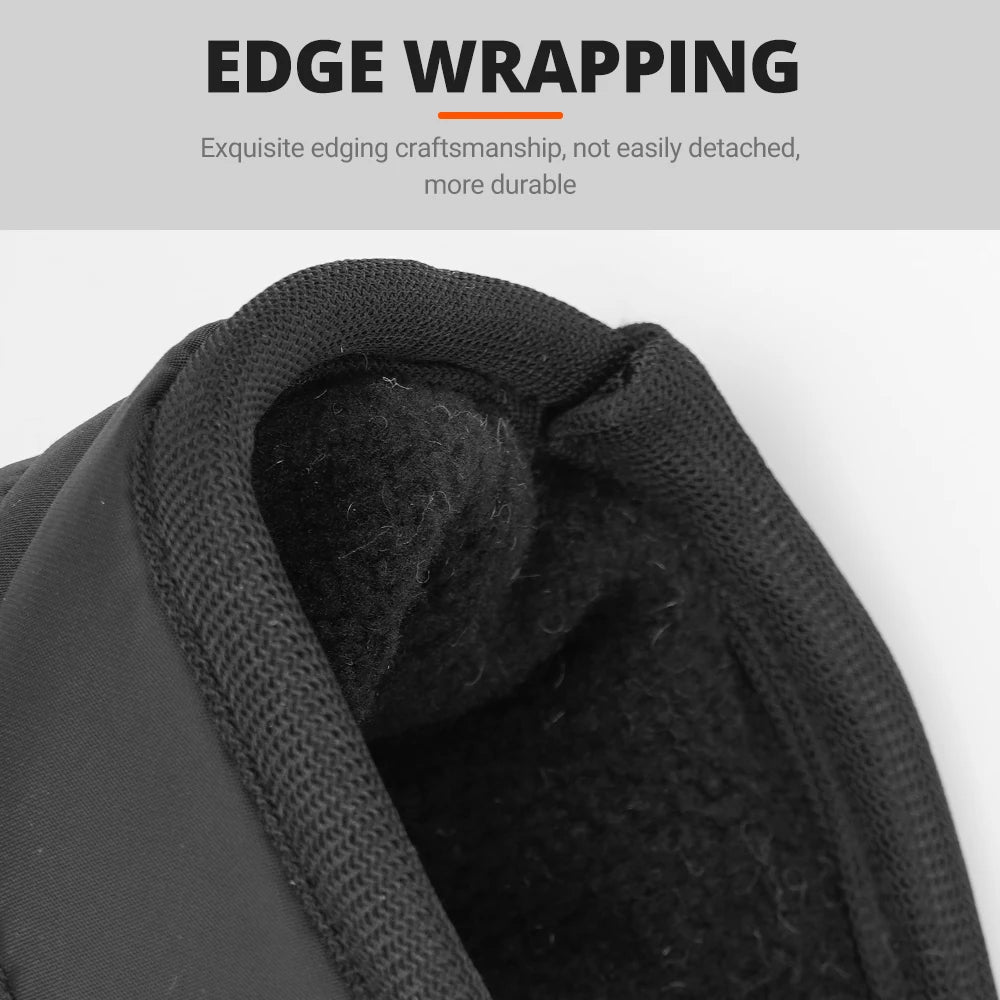
Thermal neck insulation layer paired with outerwear — See it in action
Frequently Asked Questions
Which material is warmest for a thermal neck warmer?
Heated models provide the greatest warmth, followed by synthetic insulated designs. Merino wool and fleece offer an excellent balance between warmth and breathability.
Is merino wool better than fleece for cold weather?
Merino wool performs better during active use because it regulates temperature and resists odors, while fleece offers excellent comfort and value for everyday wear.
Can a thermal neck warmer replace a scarf?
Yes. For most outdoor activities, a thermal neck warmer offers more secure coverage, improved wind resistance, and easier layering than a traditional scarf.
How should a thermal neck warmer fit?
It should fit snugly enough to prevent drafts without restricting movement or breathing.
Are insulated neck warmers breathable during exercise?
Yes. Breathability depends on the material, with merino wool and lightweight synthetic fabrics performing especially well during exercise.
How do you wash a thermal neck warmer?
Most synthetic and fleece models are machine washable, while wool garments typically require gentler care according to the garment label.
What is the best thermal neck warmer for skiing?
Merino wool is often preferred because it balances warmth, moisture management, and comfort throughout changing activity levels.
Yes. Low-profile insulated designs fit comfortably beneath most helmets while improving wind protection.
Do heated neck warmers outperform insulated models?
In extremely cold environments, heated designs provide active warmth. For everyday winter use, high-quality insulated models are often sufficient.
When should you choose a chest warmer scarf instead?
A chest warmer scarf is suitable when versatility or style is the priority, while fitted thermal neck warmers excel in performance-focused cold-weather use.
Related Guide: Best Neck Protection Winter: Features That Keep You Warm













