

Do thermal socks really keep your feet warm in extreme cold?
Yes. High-quality thermal socks for cold weather can significantly improve foot warmth by slowing heat loss, managing moisture, and maintaining a comfortable layer of insulating air around your feet. Their effectiveness depends on the insulation material, proper fit, and suitable footwear. In prolonged sub-zero conditions or during extended periods of inactivity, heated socks provide an additional level of active warmth that conventional thermal socks cannot match.
Best Thermal Socks for Cold Weather (2026): Warmest Winter Thermal Socks Compared
Cold feet make winter activities less enjoyable, whether you're commuting, hiking, working outdoors, or traveling. The best thermal socks for cold weather do more than add thickness—they combine effective insulation, moisture management, breathable construction, and, in some models, battery-powered heating to help keep your feet warm for longer in demanding winter conditions.
⏱ 7 min read
Quick Comparison — Best Thermal Socks for Cold Weather
Choosing the right winter thermal socks depends on temperature, activity level, footwear, and how long you'll be outdoors. The comparison below highlights which style performs best for different cold-weather situations.
| Category | Warmth | Material | Best For |
|---|---|---|---|
| Best Overall | High | Multi-layer insulated blend | Everyday winter comfort and versatile use |
| Best for Extreme Cold | Very High | Heavy thermal insulation | Snow, outdoor work, prolonged freezing conditions |
| Best for Hiking | High | Merino wool | Moisture control during active movement |
| Best for Everyday Wear | Moderate | Lightweight thermal blend | Daily commuting and indoor-outdoor use |
| Best Heated Socks | Adjustable | Battery-powered heating elements | Extended exposure to severe cold |
| Best Budget Option | Moderate | Synthetic insulated fibers | Affordable casual winter wear |
Each recommendation below explains its ideal use case, key strengths, and any trade-offs so you can quickly identify the most suitable socks for your winter activities.
Best Thermal Socks for Cold Weather (Top Picks)
Best Overall Thermal Socks for Cold Weather
Multi-layer thermal warm socks deliver the best balance of insulation, breathability, and comfort. By combining heat-retaining fibers with moisture-wicking inner layers, they help maintain warmth without causing excessive sweating during everyday winter use.
- Pros: Excellent warmth-to-bulk ratio, breathable, comfortable for extended wear.
- Limitations: May not provide enough warmth alone during prolonged exposure below freezing.
- Best for: Commuting, travel, daily winter activities, and general outdoor use.
Best Thermal Socks for Extreme Cold
Thick thermal winter socks maximize insulation by trapping more warm air around the foot. Dense cushioning and high-loft materials help reduce heat loss when standing or working in freezing environments.
- Pros: Outstanding insulation and cushioning.
- Limitations: Require boots with adequate room to avoid restricting circulation.
- Best for: Snow, ice fishing, winter work, and harsh climates.
Best Thermal Socks for Hiking & Outdoor Use
Merino wool winter thermal socks naturally regulate temperature while effectively moving moisture away from the skin. They remain comfortable during long hikes and changing weather conditions, helping reduce the chilling effect caused by damp feet.
Best Thermal Socks for Everyday Winter Wear
Lightweight cold weather thermal socks prioritize flexibility and all-day comfort. They fit easily inside everyday shoes and boots while providing dependable insulation for routine winter wear.
Best Heated Socks for Winter
Battery-powered heated socks actively warm key areas such as the toes and forefoot. They are particularly useful when passive insulation alone cannot keep up with prolonged exposure to very low temperatures.
Best Budget Thermal Socks
Synthetic insulated socks offer dependable warmth at an accessible price. Fast-drying fibers and durable construction make them a practical option for casual winter use and backup pairs.
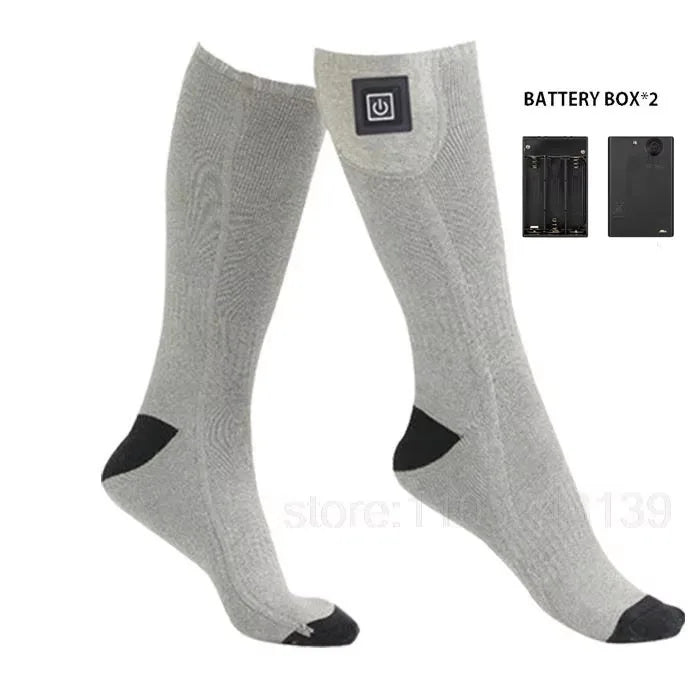
Thermal warm socks engineered for comfort and control. See them in action.
Why Feet Get Cold in Winter (Even With Thick Socks)
Warm feet depend on more than sock thickness. Heat is lost through cold surfaces, damp fabrics, restricted blood flow, and poorly fitting footwear. Even thick thermal winter socks can become less effective if they compress inside tight boots, reducing the insulating air pockets that help retain warmth.
- Reduced insulation: Wet or low-quality fibers lose their ability to trap warm air.
- Restricted circulation: Socks or boots that fit too tightly may reduce blood flow to the feet.
- Moisture accumulation: Sweat that remains against the skin accelerates heat loss in cold conditions.
- Cold transfer: Frozen ground and poorly insulated footwear conduct heat away from your feet.
Well-designed thermal warm socks address these challenges by combining effective insulation, moisture management, and a supportive fit that maintains warmth without excessive bulk.
What Makes Thermal Warm Socks Different?
Unlike ordinary winter socks that rely primarily on extra thickness, thermal warm socks are engineered to improve heat retention while maintaining breathability and comfort. Their layered construction helps regulate temperature, reduce moisture buildup, and support long periods of wear in cold environments.
Insulation and Heat Retention
Quality insulated socks for winter use multiple fabric layers with different purposes. Soft inner fibers move moisture away from the skin, insulating middle layers trap warm air, and durable outer materials help protect against wear while allowing excess heat and moisture to escape.
- Multi-layer insulation for improved heat retention
- Moisture-wicking inner fabrics that help keep feet dry
- Cushioned high-pressure zones for additional comfort
- Breathable construction that reduces overheating during activity
Warmth Levels and Thickness Explained
Choosing the right thickness depends on both temperature and activity. Lightweight winter thermal socks work well for commuting and everyday wear, while thick thermal winter socks provide greater insulation for prolonged exposure to freezing temperatures. However, socks that are excessively bulky can make boots fit too tightly, reducing circulation and limiting their insulating performance.
Merino Wool vs Synthetic Insulation vs Heated Technology
- Merino wool: Naturally regulates temperature, resists odor, and remains comfortable across changing activity levels.
- Synthetic blends: Dry quickly, resist wear, and offer dependable insulation at a lower cost.
- Heated socks: Combine passive insulation with battery-powered heating elements that actively warm areas where heat loss occurs most rapidly.
How Heat Technology Improves Comfort in Freezing Conditions
Passive insulation slows heat loss, while heated socks for winter actively replace lost warmth through integrated heating elements positioned near the toes and forefoot. Adjustable heat settings allow users to respond to changing weather and activity instead of relying on a single insulation level.
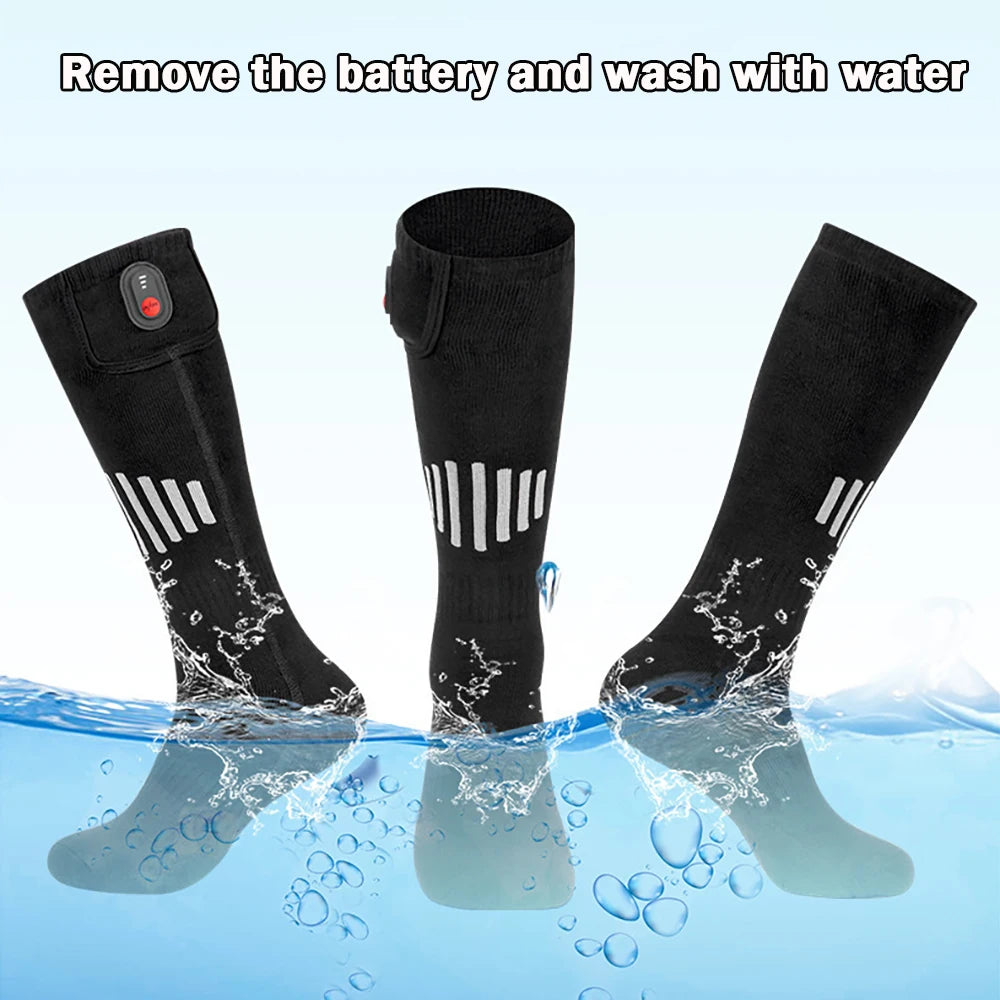
Targeted heating zones in heated socks for winter. See it in action.
Why Adjustable Heat Matters
Different winter activities require different warmth levels. Adjustable heating helps conserve battery life while providing additional comfort only when conditions demand it.
- Low: Suitable for indoor use, travel, or mild winter weather.
- Medium: Ideal for walking, commuting, and routine outdoor activities.
- High: Designed for prolonged exposure to severe cold or low-activity situations where natural body heat declines.
Heated Socks vs Thermal Socks
| Feature | Thermal Socks | Heated Socks |
|---|---|---|
| Warmth source | Passive insulation | Passive insulation plus active heating |
| Best use | Everyday winter wear | Extended exposure to extreme cold |
| Power required | No | Rechargeable battery |
| Warmth control | Depends on materials and activity | Adjustable heat settings |
When Battery-Powered Warmth Makes Sense
Most people stay comfortable with quality thermal socks during everyday winter activities. Heated socks become especially valuable for long periods outdoors, winter sports, hunting, ice fishing, outdoor work, or anyone who remains stationary in freezing conditions for extended periods.
Thermal Warm Socks vs Traditional Winter Socks
Although both are designed for cold weather, thermal warm socks and traditional winter socks use different approaches to keeping feet comfortable. Conventional winter socks often rely on added thickness alone, while thermal socks combine insulation, moisture management, and ergonomic construction to provide more consistent warmth across a wider range of activities.
| Feature | Thermal Warm Socks | Traditional Winter Socks |
|---|---|---|
| Construction | Engineered insulation with moisture-wicking layers | Primarily thicker fabric for basic warmth |
| Heat retention | Traps warm air while remaining breathable | Relies mainly on fabric thickness |
| Moisture management | Designed to move sweat away from the skin | May retain moisture during prolonged wear |
| Comfort in boots | Available in multiple thicknesses for better fit | Bulky models may reduce circulation in tight footwear |
| Best use | Daily winter wear, hiking, travel, and outdoor activities | Short-term casual use in cool weather |
For most people, winter thermal socks offer a better balance of warmth, breathability, and comfort during everyday cold-weather use. Heated socks remain a specialized option when passive insulation is no longer sufficient, such as during prolonged exposure to freezing temperatures.
Which Thermal Socks Are Best for Different Cold-Weather Activities?
For Everyday Winter Wear
Lightweight or medium-weight thermal socks provide dependable insulation without adding unnecessary bulk. They are well suited for commuting, shopping, travel, and spending time indoors and outdoors throughout the day.
For Hiking and Outdoor Activities
Merino wool or technical blended socks excel during active use because they regulate temperature, reduce moisture buildup, and help minimize friction inside hiking boots. Moderate cushioning also improves comfort on longer walks.
For Work and Long Hours Outside
Workers exposed to cold environments benefit from thicker thermal socks with reinforced heels, cushioned soles, and durable construction. Moisture-wicking materials help maintain comfort throughout long shifts by reducing dampness inside work boots.
For Extreme Cold and Prolonged Exposure
When spending extended periods in sub-zero conditions, insulated thermal socks may be paired with heated socks to provide consistent warmth. This combination is particularly useful for activities such as ice fishing, winter sports, hunting, or extended outdoor work.
They pair naturally with other comfort-focused solutions from the Lifestyle collection.
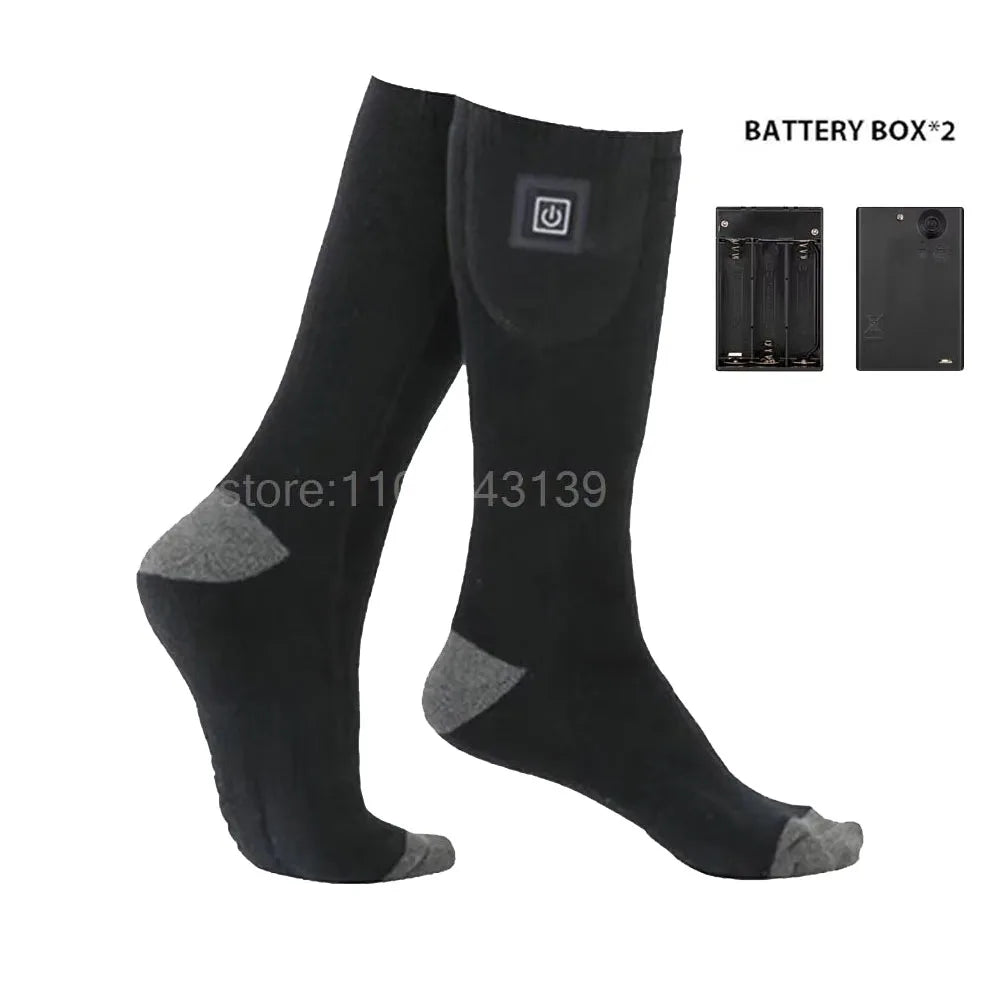
Designed for everyday winter confidence. See it in action.
Fit, Materials, and All-Day Comfort
The right fit is just as important as the insulation material. Socks that are too loose allow warm air to escape, while socks that are overly thick or tight can restrict circulation and reduce overall warmth inside boots.
- Merino wool: Excellent temperature regulation, natural odor resistance, and reliable moisture management.
- Synthetic fibers: Durable, quick-drying, and well suited for demanding daily use.
- Blended materials: Balance comfort, stretch, insulation, and durability.
- Seamless toe construction: Helps reduce irritation during extended wear.
- Targeted cushioning: Improves comfort without excessive bulk.
- Flexible cuffs: Keep socks securely in place without feeling restrictive.
Choose socks that match the volume of your footwear. Boots should leave enough room for insulation to work effectively, as compressed insulation traps less warm air and can make feet feel colder despite wearing thicker socks.
For those using tools from the Body Care and Health Devices collection, upgrading your winter socks can be another simple way to improve everyday cold-weather comfort.
Winter Foot Warming Tips That Actually Work
Even the best thermal socks perform better when paired with good cold-weather habits. Small adjustments to your footwear and layering strategy can significantly improve warmth and comfort throughout the day.
- Start with completely dry feet and change damp socks promptly if they become wet.
- Avoid wearing multiple thick pairs of socks, as compression reduces the insulating air that helps retain heat.
- Choose boots with enough interior space for insulation to work effectively without restricting circulation.
- Adjust heated sock settings only when additional warmth is needed to balance comfort and battery life.
- Consider combining thermal socks with heated foot warming options after long periods outdoors to help restore comfort.
- For recovery after winter activities, electric foot massagers for winter comfort can help relieve tired feet and improve relaxation.
How to Choose the Best Thermal Socks for Cold Weather
The best thermal socks for cold weather are the ones that match your environment, activity level, footwear, and expected time outdoors. Use this checklist to narrow your options.
Match Warmth and Thickness to the Temperature
Choose lightweight thermal socks for everyday winter wear, medium-weight options for active outdoor use, and thick thermal winter socks for prolonged exposure to freezing conditions. More insulation is not always better if it compromises boot fit.
Choose the Right Insulation Material
- Merino wool: Excellent for temperature regulation, moisture control, and odor resistance.
- Synthetic blends: Durable, affordable, and quick drying.
- Blended fabrics: Offer a balance of comfort, stretch, and insulation.
- Heated technology: Best reserved for severe cold or extended periods outdoors.
Prioritize Moisture Management
Dry feet stay warmer. Look for moisture-wicking linings that move perspiration away from the skin while allowing excess heat to escape during physical activity.
Check Fit, Cushioning, and Boot Compatibility
A properly fitted sock should feel supportive without creating pressure points. Reinforced heels, seamless toes, and targeted cushioning improve comfort, while ensuring your boots still have enough room for insulation to remain effective.
Choose Passive or Heated Warmth
Most winter activities require only quality thermal socks with effective insulation. Heated socks for winter become worthwhile when temperatures are extremely low, exposure lasts several hours, or staying stationary makes it difficult to maintain natural foot warmth.
If you're exploring additional recovery and comfort products, browse our body care and health devices collection.
Quick FAQs About Thermal Socks for Cold Weather
Are Thermal Socks Safe for Daily Wear?
Yes. Quality thermal socks are designed for regular use with breathable materials that balance insulation and moisture management. Heated models should always be used according to the manufacturer's instructions.
Can I Wear Thermal Socks Indoors?
Absolutely. Lightweight and medium-weight thermal socks are comfortable indoors, while heated socks are typically best used on lower settings only when extra warmth is needed.
Are Thermal Socks Suitable for People With Circulation Sensitivity?
Many people find thermal socks more comfortable because they help maintain consistent warmth. Choose socks that fit properly without excessive compression, and seek medical advice if you have a circulatory condition.
What Are the Warmest Thermal Socks for Cold Weather?
The warmest options combine high-loft insulation, moisture-wicking construction, and a proper fit. For prolonged exposure to severe cold, heated socks provide additional active warmth beyond passive insulation alone.
Are Heated Socks Better Than Thermal Socks?
Neither is universally better. Thermal socks are the preferred choice for most everyday winter activities, while heated socks are intended for extreme cold, extended outdoor work, winter sports, and situations where passive insulation is insufficient.
How Thick Should Thermal Socks Be for Winter?
Select thickness based on both the temperature and your footwear. Socks should insulate effectively without making boots so tight that circulation or trapped insulating air is reduced.
Do Thermal Socks Help Keep Feet Warm When Wet?
Thermal socks perform best when dry. Merino wool generally retains insulating properties better than many other materials when damp, but changing into a dry pair remains the best way to maintain warmth.
What Material Is Best for Thermal Socks in Cold Weather?
Merino wool offers an excellent balance of warmth, breathability, and moisture management. Synthetic blends provide durability and faster drying, while heated socks combine insulated materials with battery-powered warmth for demanding winter conditions.
Related Guide: Electric Heat Socks Features Compared for Comfort and Safety













