

Does a thermocouple outdoor heater really prevent gas accidents?
The thermocouple outdoor heater reduces gas accident risk by detecting flame loss and instantly stopping gas flow. This safety response prevents leaks when wind or moisture extinguishes the flame, making it a trusted solution for portable heater safety outdoors and reliable use with a butane heater for camping.
Thermocouple Outdoor Heater: Why It Prevents Gas Accidents
Gas heaters provide convenient outdoor warmth, but they also introduce risks like unseen flameouts and continued gas flow. A thermocouple outdoor heater solves this by automatically cutting gas supply the moment the flame disappears—helping protect users without requiring constant attention.
⏱ 6 min read
Which outdoor heating setup actually protects your space when conditions change?
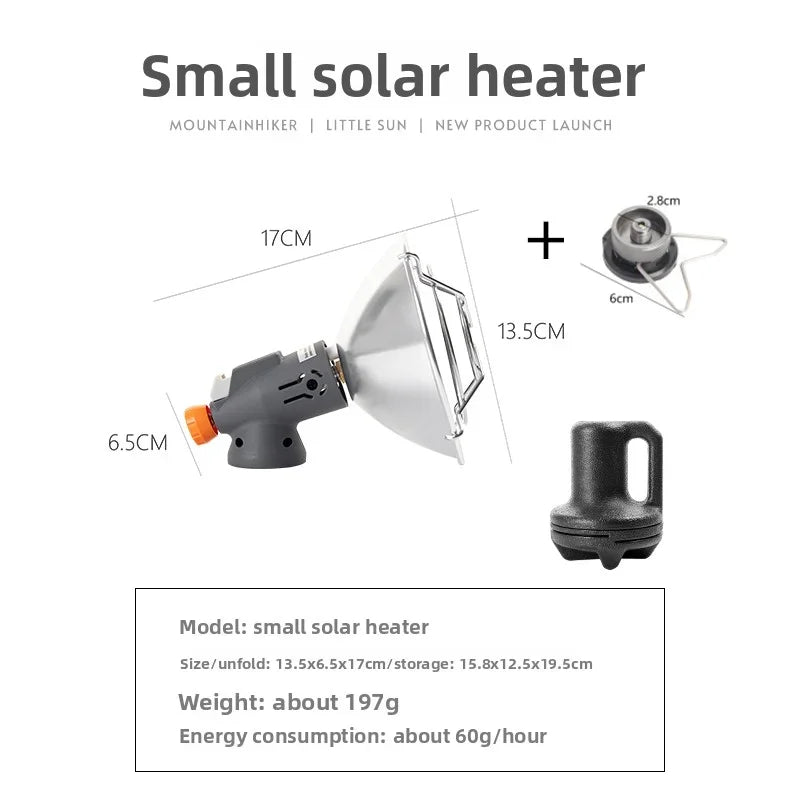
Thermocouple outdoor heater monitoring flame safety outdoors See it in action
What Is a Thermocouple in a Heater (And How It Works)
Basic thermocouple principle explained simply
A thermocouple is a small safety sensor that detects heat from a flame. When the pilot flame is burning, the thermocouple generates a tiny electrical current. This current keeps the gas valve open. If the flame goes out, the current stops—and the gas supply shuts off instantly.
Gas heater thermocouple function step-by-step
- The pilot flame heats the thermocouple tip
- The thermocouple generates a voltage signal
- This signal keeps the gas valve open
- If the flame goes out, the signal drops
- The gas valve closes automatically to prevent leaks
This simple mechanism is what makes a thermocouple outdoor heater one of the safest options for portable and camping use.
How a Thermocouple Outdoor Heater Stops Gas Leaks Automatically
How thermocouple prevents gas leaks in real scenarios
Outdoor heaters are exposed to wind, rain, and movement. If a gust of wind blows out the flame, a thermocouple immediately detects the temperature drop and shuts off the gas supply. This prevents unburned gas from escaping into the air.
What happens when the flame goes out
Without a thermocouple, gas would continue flowing even after the flame is extinguished—creating a serious fire or explosion risk. With a thermocouple:
- Flame goes out
- Sensor cools within seconds
- Electrical signal stops
- Gas valve closes automatically
This automatic shutoff is the core reason thermocouples are essential in outdoor heater safety systems.
Why Your Heater Shuts Off: Thermocouple Warning Signs
Common symptoms (heater won’t stay lit)
- Pilot light ignites but goes out when you release the knob
- Heater shuts off after a few minutes
- Flame looks weak or unstable
- You need multiple attempts to keep it running
When it’s NOT the thermocouple
Not every shutdown issue is caused by a faulty thermocouple. Check these first:
- Blocked pilot tube
- Low gas pressure
- Dirty burner or nozzle
- Strong wind exposure
Diagnosing correctly helps you avoid unnecessary part replacement.
How to Test a Thermocouple on an Outdoor Heater (Step-by-Step)
Tools you need
- Multimeter (millivolt setting)
- Wrench
- Basic safety gloves
Simple test method
- Turn off gas supply completely
- Disconnect the thermocouple from the gas valve
- Heat the tip with a lighter
- Use a multimeter to measure voltage output
- A working thermocouple typically produces 20–30 millivolts
When to replace instead of test
If your heater is older, or the thermocouple shows corrosion or physical damage, replacement is often faster and more reliable than testing.
Thermocouple vs Flame Failure Device: What’s the Difference?
A thermocouple is actually a type of flame failure device (FFD), but not all FFDs use thermocouples.
- Thermocouple: Uses heat-generated voltage to control gas flow
- Flame failure device: Broader category that includes electronic sensors and ionization systems
In most portable outdoor heaters and butane units, thermocouples are the standard because they are simple, reliable, and do not require external power.
Common Outdoor Heating Risks Most Users Miss
Many outdoor heater accidents occur due to unexpected changes like wind gusts, moisture, or unstable placement. These factors can extinguish flames silently while gas continues to flow if no safety system is present.
This hidden risk is why safety-equipped heaters are increasingly preferred for patios, campsites, and balconies.
Why Thermocouple Technology Improves Portable Heater Safety Outdoors
Key safety advantages you feel immediately
- Automatic gas shutoff without user intervention
- Protection against wind-related flame loss
- No electricity required for safety operation
- Reliable performance in remote or camping environments
These features make thermocouple-equipped heaters one of the safest choices for outdoor heating where conditions are unpredictable.
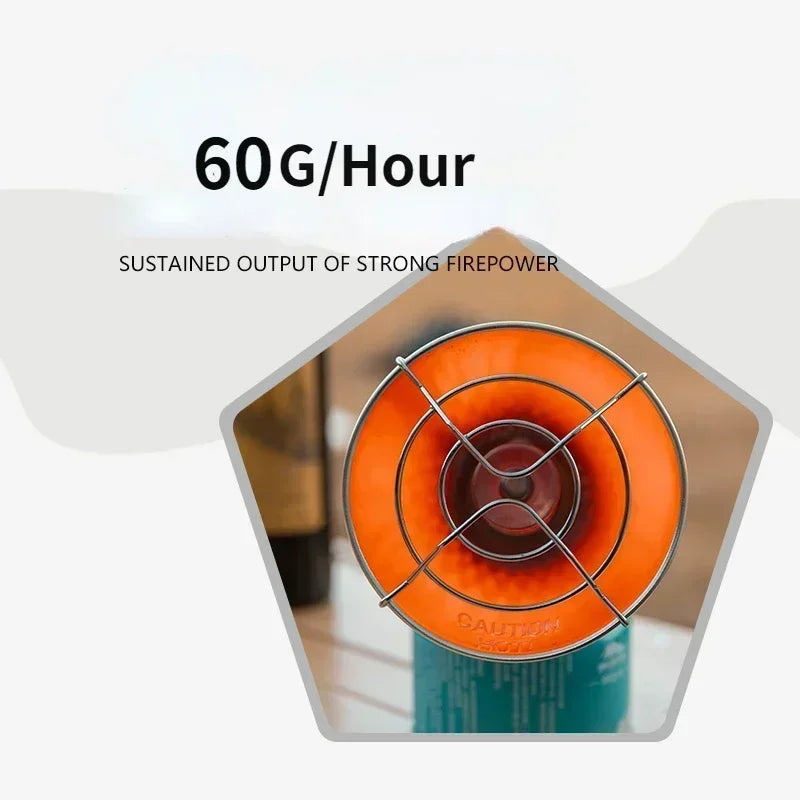
Portable heater safety outdoors with instant flame detection See how it works
Thermocouple vs Non-Safety Heaters: What Changes
The biggest difference comes down to automatic protection.
- With thermocouple: Gas shuts off instantly if flame goes out
- Without thermocouple: Gas may continue flowing, increasing risk
| Feature | Thermocouple Outdoor Heater | Basic Heater |
|---|---|---|
| Automatic gas shutoff | Yes | No |
| Protection from flame loss | Immediate | Manual |
| Fuel waste prevention | High | Low |
| Recommended for camping | Yes | Limited |
Butane Heater Thermocouple Safety for Camping
Camping heater safety tips
- Always use heaters with built-in thermocouples
- Keep ventilation to avoid carbon monoxide buildup
- Place heater on stable, non-flammable surfaces
- Avoid using in fully enclosed tents
- Turn off heater before sleeping
Butane heaters with thermocouples are popular for camping because they combine portability with essential safety protection.
Explore practical outdoor lifestyle gear through the Lifestyle collection to complement safe heating setups.
How to Choose the Right Replacement Thermocouple
Compatibility by heater type
Not all thermocouples are universal. Check your heater model and manufacturer specifications before buying.
Length, fittings, and materials
- Length must match original part
- Thread size must fit your gas valve
- Choose corrosion-resistant materials for outdoor use
Choosing the correct replacement ensures proper safety function and avoids installation issues.
Care Tips to Keep Safety Features Working Longer
- Clean the thermocouple tip regularly to remove carbon buildup
- Keep burner and pilot area free of dust and debris
- Protect heater from moisture when not in use
- Inspect connections before each season
Regular maintenance ensures your thermocouple responds quickly and reliably when needed.
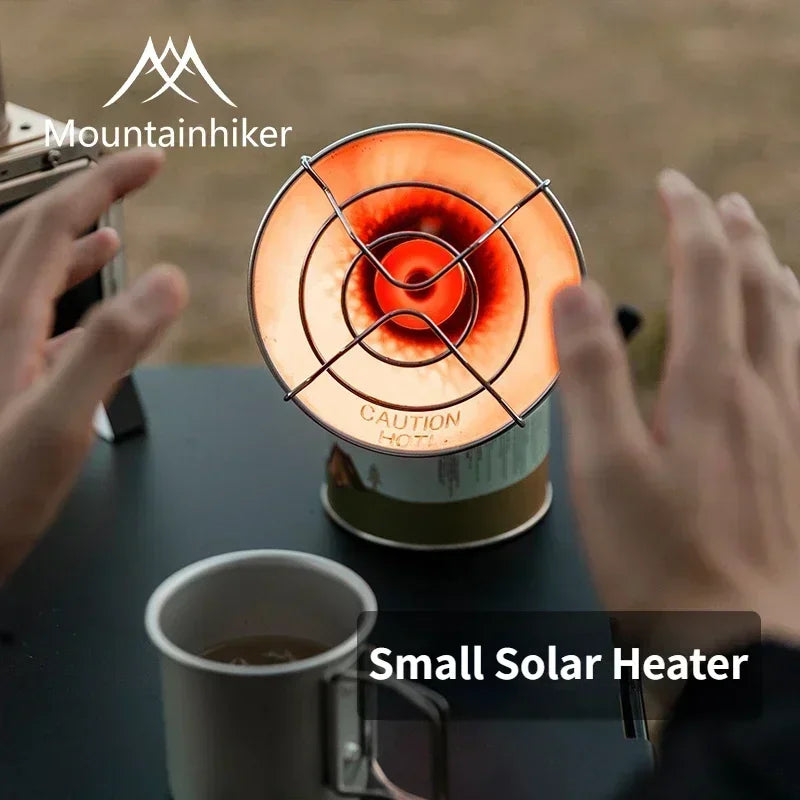
Safe outdoor heating methods that protect every moment ⛺ See it in action
Frequently Asked Questions
How fast does a thermocouple shut off gas?
Most thermocouples shut off gas within a few seconds after the flame goes out.
Why does my heater not stay lit even after replacing the thermocouple?
This could be due to gas pressure issues, a faulty valve, or a blocked pilot tube.
Can I use a heater without a thermocouple outdoors?
It is not recommended, as it increases the risk of gas leaks and fire hazards.
How long does a thermocouple last?
Most thermocouples last between 3–10 years depending on usage and conditions.
For a dependable heating solution designed with protection in mind, explore the portable camping gas heater stove and experience safer warmth wherever you go.
Related Guide: Portable Heater Safety Features That Matter Outdoors
UPGRADE PLAN { "outline": [ { "action": "MODIFY", "h2": "Does a thermocouple outdoor heater really prevent gas accidents?", "h3": [ "Quick answer", "How the safety shutoff works", "When it cannot prevent accidents" ], "focus": [ "Featured snippet", "Safety purpose", "User intent", "Limitations" ], "keywords": [ "thermocouple outdoor heater", "outdoor heater safety thermocouple" ] }, { "action": "MODIFY", "h2": "What Is a Thermocouple in a Heater and How Does It Work?", "h3": [ "Basic thermocouple principle explained simply", "Gas heater thermocouple function step-by-step", "Where the thermocouple is located in an outdoor heater" ], "focus": [ "Operating principle", "Component location", "Millivolt generation", "Safety circuit" ], "keywords": [ "what is a thermocouple in a heater", "gas heater thermocouple function" ] }, { "action": "MODIFY", "h2": "How a Thermocouple Prevents Gas Leaks Automatically", "h3": [ "How thermocouple prevents gas leaks in real scenarios", "What happens when the flame goes out", "Thermocouple operating sequence" ], "focus": [ "Gas shutoff", "Pilot flame", "Valve operation", "Failure response" ], "keywords": [ "how thermocouple prevents gas leaks", "outdoor heater safety thermocouple" ] }, { "action": "ADD", "h2": "Quick Symptom Diagnosis: Is the Thermocouple the Problem?", "h3": [ "Pilot won't stay lit", "Weak flame vs bad thermocouple", "Decision tree: clean, test or replace" ], "focus": [ "Fast diagnosis", "Common symptoms", "Decision guide", "Avoid misdiagnosis" ], "keywords": [ "why heater shuts off thermocouple" ] }, { "action": "MODIFY", "h2": "Why Your Heater Shuts Off: Thermocouple Warning Signs", "h3": [ "Common symptoms", "When it's NOT the thermocouple", "Environmental causes of shutdown" ], "focus": [ "Failure symptoms", "Wind and dirt", "False diagnosis", "Common causes" ], "keywords": [ "why heater shuts off thermocouple" ] }, { "action": "ADD", "h2": "Thermocouple vs Other Outdoor Heater Components", "h3": [ "Thermocouple vs thermopile", "Thermocouple vs flame failure device", "Thermocouple vs igniter and gas valve" ], "focus": [ "Component comparison", "Correct diagnosis", "Safety devices", "Repair differences" ], "keywords": [ "thermocouple vs flame failure device" ] }, { "action": "MODIFY", "h2": "How to Test a Thermocouple on an Outdoor Heater", "h3": [ "Safety checklist before testing", "Tools you need", "Multimeter voltage test", "Expected voltage readings", "When replacement is the better choice" ], "focus": [ "Testing procedure", "Voltage ranges", "Safety", "Diagnosis" ], "keywords": [ "how to test thermocouple heater" ] }, { "action": "ADD", "h2": "How to Replace a Thermocouple Safely", "h3": [ "Required tools", "Replacement steps", "Final leak and function checks" ], "focus": [ "Replacement", "Safety precautions", "DIY guidance", "Post-repair testing" ], "keywords": [ "thermocouple outdoor heater" ] }, { "action": "MODIFY", "h2": "How to Choose the Right Replacement Thermocouple", "h3": [ "OEM vs universal replacements", "Compatibility by heater type", "Length, fittings and materials" ], "focus": [ "Compatibility", "Replacement selection", "OEM vs universal", "Sizing" ], "keywords": [ "thermocouple outdoor heater" ] }, { "action": "MODIFY", "h2": "Care Tips to Keep Safety Features Working Longer", "h3": [ "Cleaning the thermocouple", "Maintenance schedule", "Factors that shorten lifespan" ], "focus": [ "Maintenance", "Cleaning", "Lifespan", "Preventive care" ], "keywords": [ "portable gas heater safety features" ] }, { "action": "MODIFY", "h2": "Butane Heater Thermocouple Safety for Camping", "h3": [ "Camping heater safety tips", "Portable gas heater safety checklist" ], "focus": [ "Outdoor use", "Ventilation", "Portable heater safety", "Camping" ], "keywords": [ "butane heater thermocouple safety", "portable gas heater safety features", "camping heater safety tips" ] }, { "action": "REMOVE", "h2": "Common Outdoor Heating Risks Most Users Miss", "h3": [], "focus": [], "keywords": [] }, { "action": "REMOVE", "h2": "Why Thermocouple Technology Improves Portable Heater Safety Outdoors", "h3": [], "focus": [], "keywords": [] }, { "action": "REMOVE", "h2": "Thermocouple vs Non-Safety Heaters: What Changes", "h3": [], "focus": [], "keywords": [] }, { "action": "MODIFY", "h2": "Frequently Asked Questions", "h3": [ "How fast does a thermocouple shut off gas?", "Why does my heater not stay lit after replacing the thermocouple?", "Can I clean a thermocouple instead of replacing it?", "What voltage should a working thermocouple produce?", "Can I use a heater without a thermocouple?", "How long does a thermocouple last?" ], "focus": [ "PAA coverage", "Repair questions", "Safety", "Maintenance" ], "keywords": [ "thermocouple outdoor heater" ] } ], "internal_links": [ "Outdoor heater pilot light troubleshooting", "Patio heater maintenance guide", "Propane heater safety checklist", "Outdoor heater regulator troubleshooting", "Portable camping heater safety" ], "faq": [ "What voltage should a patio heater thermocouple produce?", "Can a dirty thermocouple cause the pilot light to go out?", "How do I know if the thermocouple or gas valve is faulty?", "Are universal thermocouples safe for outdoor heaters?", "How often should a thermocouple be replaced?" ], "trim": [ "Common Outdoor Heating Risks Most Users Miss", "Why Thermocouple Technology Improves Portable Heater Safety Outdoors", "Thermocouple vs Non-Safety Heaters: What Changes" ] } Approved linked products: - portable camping gas heater stove (/products/portable-camping-gas-heater-stove) Product Rules - Keep all approved products. - Only approved products may contain affiliate links. - You may add real competitor products when useful. - Competitor products must not contain links unless already present. - Only create comparison tables when they genuinely improve the article. RULES - Apply every instruction in the Upgrade Plan. - Keep all existing affiliate links unchanged. - Keep all existing internal links unchanged. - Keep all existing image URLs unchanged. - Preserve sections such as Related Articles, Related Posts and Recommended Reading. - Avoid duplicate headings. - Insert new sections only where specified. - Improve clarity, topical coverage, EEAT and readability. - Expand weak sections only when required. - Use natural keyword placement. - Keep semantic HTML clean. YEAR UPDATE If visible article text contains "2005", replace it with "2026". Do not modify years inside: - URLs - href attributes - image filenames OUTPUT REQUIREMENTS Return ONLY the final upgraded HTML article. The output must be valid HTML and ready to publish. Do NOT return: - Markdown - Explanations - Notes - Code fences - JSON - XML Return the HTML beginning with the first HTML element and ending with the last HTML element.












