

Does microcurrent really tighten sagging facial skin?
Yes—microcurrent can create a visibly firmer, more lifted appearance by stimulating facial muscles and supporting normal cellular activity. Unlike topical skincare that primarily affects the skin's surface, microcurrent delivers gentle electrical currents that target underlying facial muscles, helping improve definition while enhancing circulation. The lifting effect is subtle, builds with consistent use, and is best suited for mild to moderate skin laxity rather than significant sagging.
Immediate lifting vs long-term skin tightening
Many people notice a temporary lifting effect immediately after treatment because facial muscles are activated and circulation increases. Longer-term improvements depend on regular treatments over several weeks and should be viewed as gradual cosmetic enhancements rather than permanent skin tightening.
What results can you realistically expect?
Individual results vary based on age, skin quality, lifestyle, and treatment consistency. For most users, the progression typically looks like this:
- After each session: a subtle lift, healthier-looking glow, and reduced facial puffiness
- After 2–4 weeks: improved facial tone, better contour definition, and more consistent lifting effects
- After 8–12 weeks: firmer-looking skin, enhanced jawline and cheek definition, and smoother overall appearance with ongoing maintenance
Microcurrent before and after: realistic timeline
Microcurrent before and after results are cumulative rather than dramatic. Most at-home routines begin with treatments 3–5 times per week before transitioning to maintenance sessions. While many users report visible improvements in facial contour, microcurrent enhances your natural features instead of producing the dramatic changes associated with surgical lifting or injectable procedures.
Microcurrent Facial Benefits: How It Works, Results, Safety & Best Devices
Looking for a noninvasive way to improve facial firmness without downtime? Microcurrent facial technology uses low-level electrical currents to stimulate facial muscles and support healthy skin function. In this guide, you'll learn how microcurrent works, what current evidence suggests, who benefits most, and how to use at-home devices safely for gradual, natural-looking results.
⏱ 7 min read
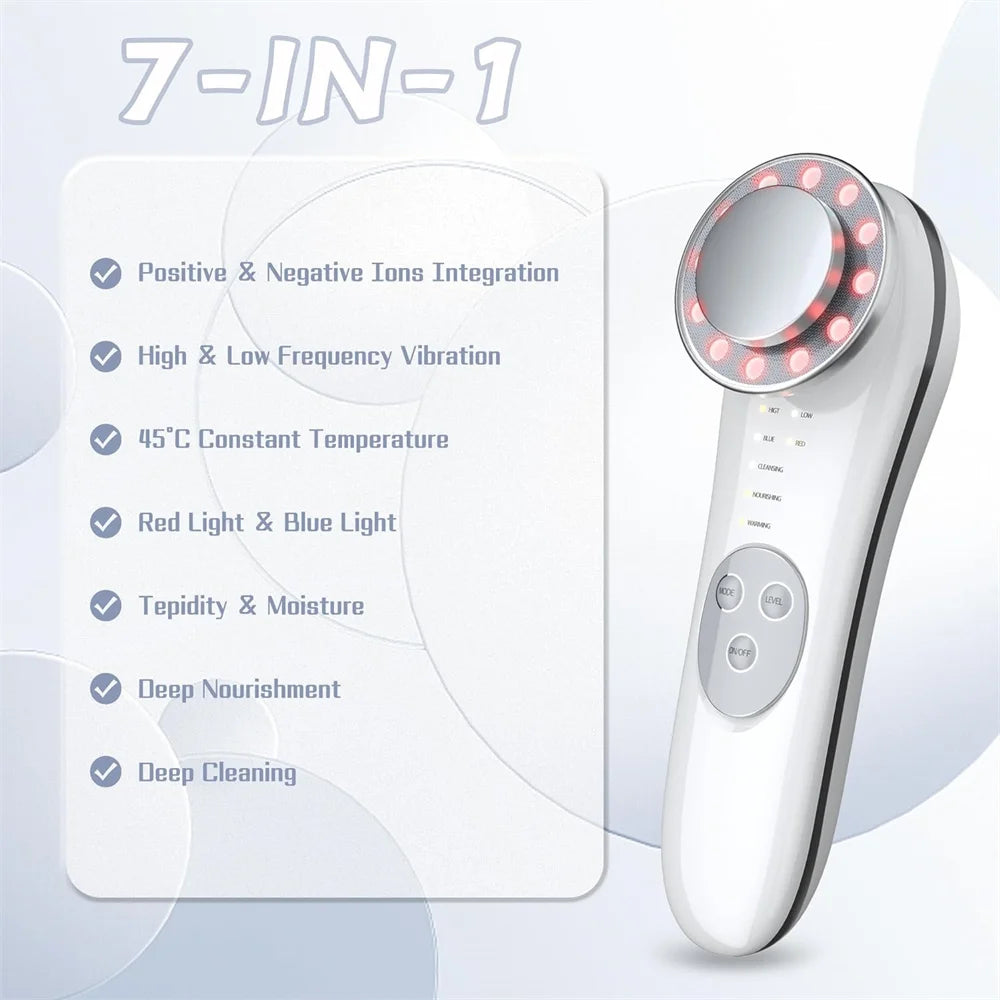
Discover how microcurrent can help improve facial firmness and contour — See it in action.
Why skin sags (and what changes with age)
Facial sagging develops gradually as multiple age-related changes affect the skin, muscles, fat pads, and connective tissues. Understanding these changes helps explain why microcurrent for sagging skin focuses on improving muscle tone and facial definition rather than replacing lost tissue.
Collagen, elastin, and facial muscle decline explained
With age, collagen and elastin production naturally slows, making skin thinner, less elastic, and more prone to fine lines. At the same time, facial muscles may lose tone while supportive fat pads shift and gravity contributes to changes around the cheeks, jawline, and brows. Together, these factors create the appearance of looser, less defined facial contours.
Why topical skincare alone isn’t enough
Quality skincare remains essential for hydration and barrier support, but creams and serums primarily work within the skin itself. They cannot directly stimulate facial muscles, which play an important role in facial contour. Microcurrent complements a skincare routine by targeting muscle activity while topical products continue supporting overall skin health.
How microcurrent works on the face (simple science)
Microcurrent devices deliver extremely low-level electrical currents that resemble the body's natural bioelectrical signals. These gentle currents are designed to stimulate facial muscles while supporting normal cellular processes, producing both immediate cosmetic effects and gradual improvements with consistent use.
ATP stimulation and cellular energy
ATP (adenosine triphosphate) is the primary energy source used by cells. Laboratory research suggests microcurrent may increase ATP production under certain conditions, potentially supporting normal cellular repair and function. Although this mechanism is promising, the extent to which it translates into visible cosmetic improvements continues to be studied.
Facial muscle stimulation and lifting
One of the best-understood effects of microcurrent is gentle facial muscle stimulation. Repeated treatments help temporarily activate muscles that contribute to facial expression and contour, creating a more lifted appearance in areas such as the cheeks, jawline, and brows.
Circulation and lymphatic drainage
Microcurrent treatments may temporarily improve local blood circulation and encourage lymphatic drainage. This can reduce fluid retention, minimize morning puffiness, and give the complexion a brighter, more refreshed appearance immediately after treatment.
Does microcurrent build collagen?
Microcurrent is often promoted as a collagen-boosting treatment, but current evidence is limited. While improved cellular activity may indirectly support healthy skin, stronger clinical evidence exists for its effects on facial muscle stimulation than for significant collagen production. For this reason, it is best viewed as a complementary treatment rather than a dedicated collagen-building procedure.
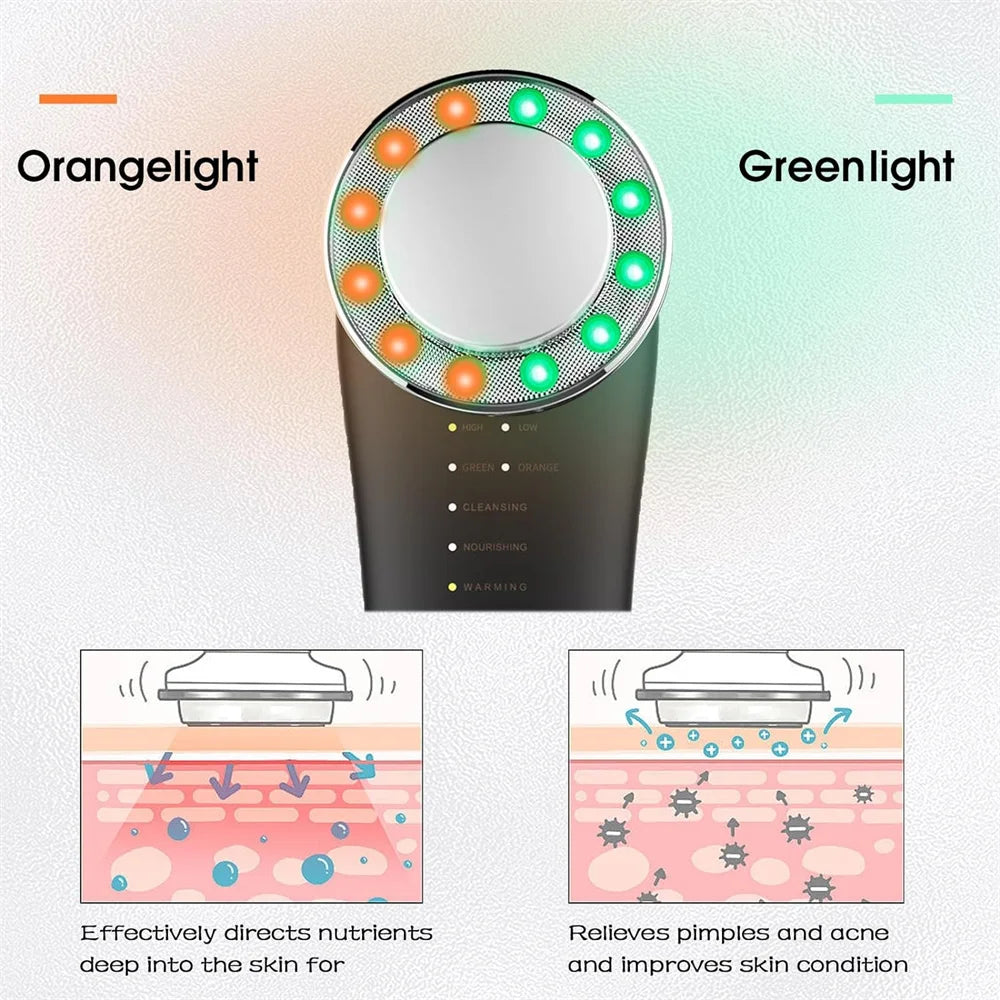
Consistent use enhances lifting and contouring effects — See how it works.
Microcurrent facial benefits (evidence-based)
Lift facial muscles naturally
One of the most noticeable microcurrent facial benefits is a temporary lifting effect created by gentle facial muscle stimulation. With regular treatments, many users see improved definition along the cheeks, jawline, and brow area, resulting in a more refreshed appearance without invasive procedures.
Improve skin tone and elasticity
Microcurrent supports healthier-looking skin by encouraging normal cellular activity and improving local circulation. While it cannot reverse the natural aging process, consistent use may help skin appear firmer, smoother, and more resilient over time as part of a comprehensive skincare routine.
Reduce fine lines and wrinkles
Regular treatments can soften the appearance of fine lines by improving muscle tone, reducing temporary puffiness, and enhancing overall skin hydration. Results are generally subtle and cumulative, making microcurrent most effective as an ongoing maintenance treatment rather than a quick fix.
Depuff and contour the face
Improved lymphatic drainage may help reduce fluid retention, particularly around the eyes, cheeks, and jawline. This temporary reduction in puffiness can make facial contours appear more sculpted immediately following treatment.
Microcurrent for sagging skin: what it can and cannot do
Microcurrent is most effective for people with mild to moderate facial laxity who want gradual, natural-looking improvements. It works best as a preventive and maintenance treatment, helping maintain facial definition through consistent use rather than correcting advanced skin sagging.
Best areas for visible lifting
- Jawline and lower face
- Cheeks and nasolabial region
- Brows and forehead
- Areas affected by mild facial puffiness
When results are limited
Microcurrent cannot remove excess skin, eliminate deep static wrinkles, restore significant volume loss, or produce results comparable to surgical facelifts. Individuals with advanced skin laxity may require professional cosmetic procedures for more dramatic improvement.
Who is an ideal candidate
Healthy adults beginning to notice early signs of aging, reduced facial firmness, or loss of contour often experience the greatest cosmetic benefit. Consistency, realistic expectations, and proper technique are key factors in achieving the best results.
Is microcurrent safe for the face?
Microcurrent is generally considered safe for most healthy adults when used according to manufacturer instructions. Because it is non-invasive and does not damage the skin barrier, it is widely used for cosmetic facial treatments at home and in professional settings.
Who should avoid microcurrent
- People with pacemakers or implanted electronic medical devices
- Pregnant individuals unless specifically advised by a healthcare professional
- People with epilepsy or certain neurological disorders
- Anyone with active skin infections, open wounds, or untreated facial inflammation should postpone treatment until the area has healed
Side effects and common mistakes
Side effects are uncommon and typically mild, including temporary tingling, slight redness, or muscle fatigue immediately after treatment. To maximize comfort and effectiveness:
- Always apply enough conductive gel.
- Keep the device moving instead of holding it in one place.
- Use the recommended intensity for your experience level.
- Follow the suggested treatment schedule rather than overusing the device.
Dermatologist and esthetician insights
Dermatologists and licensed estheticians generally view microcurrent as a helpful adjunct to a broader anti-aging routine. While clinical evidence supports temporary lifting and facial muscle stimulation, experts recommend pairing microcurrent with sun protection, appropriate skincare, and healthy lifestyle habits for the best long-term cosmetic results.
Professional vs at-home microcurrent devices
Power and treatment differences
Professional microcurrent treatments typically use higher-output equipment operated by trained practitioners, allowing for more customized treatment protocols. At-home microcurrent devices use lower-intensity currents designed to prioritize safety while still providing gradual cosmetic improvements with regular use.
Expected results
Professional treatments may produce a more noticeable lifting effect after a single session, but maintaining those results often requires follow-up appointments. An at-home microcurrent device is better suited for long-term maintenance, offering convenience and consistent treatments that can help preserve facial tone between professional visits.
Maintenance schedule
Many users begin with a series of treatments several times per week before reducing to a maintenance routine. Whether performed at home or professionally, consistency has a greater impact on long-term cosmetic results than occasional treatments.
Cost comparison
Professional sessions can become costly when performed regularly, whereas purchasing an at-home device usually involves a higher upfront investment but lower long-term costs. Your choice depends on budget, convenience, and whether you prefer guided treatments or self-care at home.
How to use a microcurrent facial massager for best results
Step-by-step routine
- Cleanse your face thoroughly to remove makeup, sunscreen, and excess oil.
- Apply a generous layer of conductive gel to ensure the current transfers effectively.
- Place the device against the skin and glide it slowly along the natural contours of the face.
- Use gentle upward and outward lifting motions, following the manufacturer's recommended treatment pattern.
- Reapply conductive gel as needed to maintain smooth movement throughout the session.
How often to use microcurrent
For most at-home devices, using the microcurrent facial massager 3–5 times per week during the first 4–6 weeks helps establish visible improvements. Once desired results are achieved, reducing treatments to 2–3 sessions per week is typically sufficient for maintenance. Always follow the specific recommendations provided by your device manufacturer.
Mistakes that reduce effectiveness
- Skipping or using too little conductive gel.
- Using the device inconsistently.
- Moving too quickly or applying excessive pressure.
- Ignoring the recommended lifting directions.
- Using higher intensity levels before becoming comfortable with the device.
How to choose the best microcurrent facial device
Features that matter
The best microcurrent facial device is one that combines safety, ease of use, and reliable performance. When comparing models, prioritize features that directly affect treatment quality instead of focusing only on extra accessories.
- Multiple adjustable intensity levels.
- Ergonomic design that comfortably reaches facial contours.
- Built-in safety features and recognized electrical safety certifications.
- Rechargeable battery with adequate runtime.
- Clear instructions and dependable customer support.
Beginner vs advanced devices
Beginners generally benefit from straightforward devices with preset treatment modes and intuitive controls. More experienced users may prefer advanced models offering additional intensity settings, customized treatment programs, or interchangeable treatment heads for different facial areas.
When professional treatment is a better choice
Professional treatment may be the better option if you have more advanced skin laxity, want faster short-term cosmetic improvements, or would like a licensed provider to personalize your treatment plan. For individuals with mild to moderate concerns who are committed to consistent use, an at-home microcurrent device can be an effective and practical long-term solution.
Microcurrent vs other non-invasive face lifting methods
Microcurrent vs radiofrequency
Although both treatments are non-invasive, they work differently. Microcurrent primarily stimulates facial muscles to create a temporary lifting effect and improve facial definition, while radiofrequency delivers heat into deeper skin layers to encourage collagen remodeling. Microcurrent is often chosen for facial toning, whereas radiofrequency is generally better suited for addressing mild to moderate skin laxity.
Microcurrent vs LED therapy
LED light therapy and microcurrent complement each other rather than compete. LED therapy targets skin concerns such as acne, redness, and uneven tone by using specific wavelengths of light, while microcurrent focuses on improving muscle tone, reducing puffiness, and enhancing facial contours.
Microcurrent vs Botox
Microcurrent and Botox achieve different cosmetic goals. Microcurrent temporarily lifts and tones facial muscles without injections, while Botox relaxes targeted muscles to reduce the appearance of dynamic wrinkles. Microcurrent cannot replicate the wrinkle-smoothing effects of Botox, but it offers a needle-free option for those seeking gradual, natural-looking improvements.
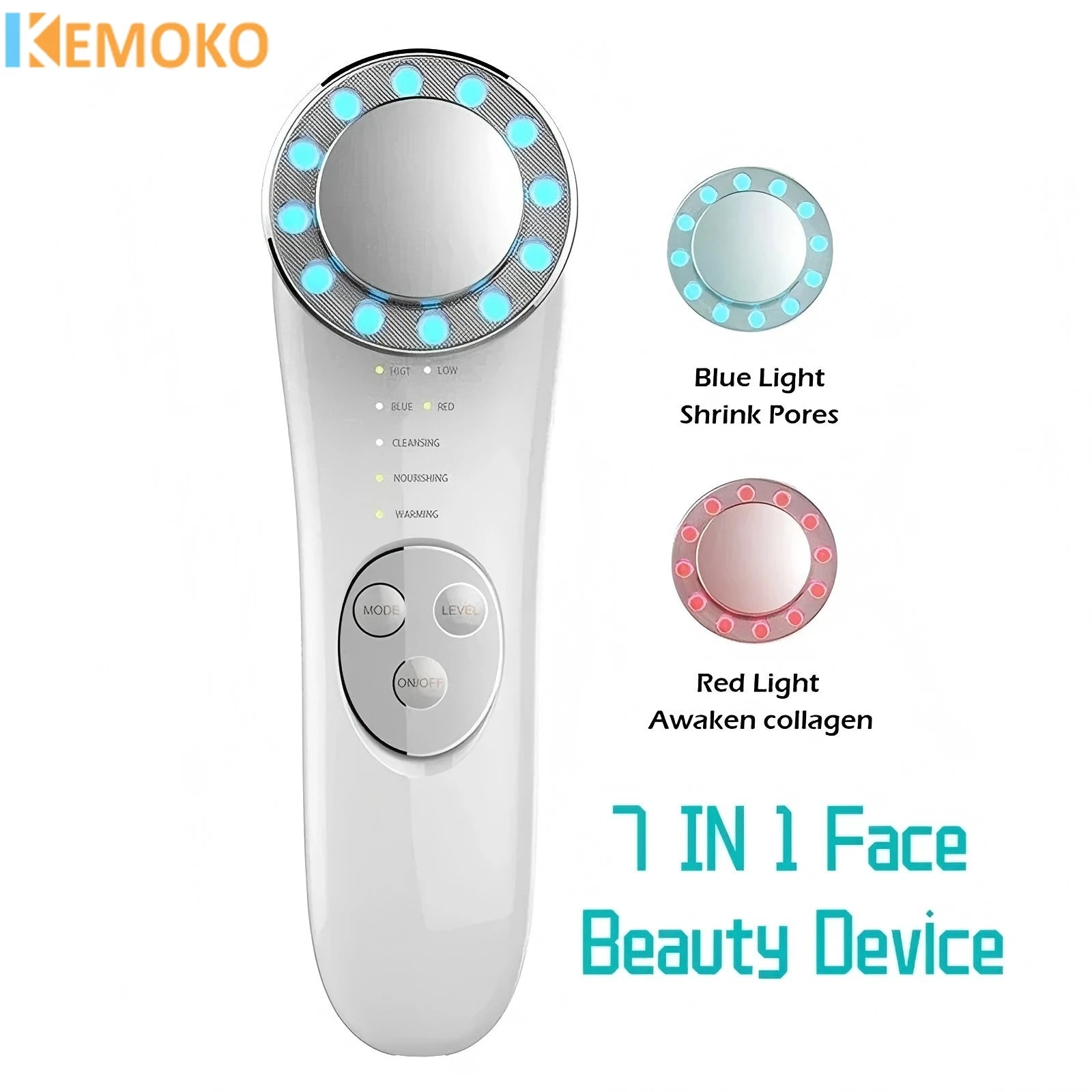
Support your lifting routine with consistent care — Results improve over time.
FAQ
Does microcurrent tighten skin permanently?
No. Microcurrent provides temporary lifting and toning effects that require ongoing maintenance. Regular treatments help preserve results, but they do not permanently tighten the skin.
How long do results last?
After an individual session, results commonly last one to three days. With consistent treatments over several weeks, many users find that improvements become easier to maintain with two to three sessions per week.
Is microcurrent safe for the face?
Yes. For most healthy adults, microcurrent is considered safe when used as directed. People with pacemakers, implanted electronic devices, certain neurological conditions, or those who are pregnant should consult a healthcare professional or avoid treatment unless advised otherwise.
How often should I use a microcurrent facial massager?
Most manufacturers recommend using a microcurrent facial massager three to five times per week during the initial treatment phase, followed by two to three weekly sessions for maintenance. Always follow the instructions for your specific device.
Can microcurrent replace Botox?
No. Microcurrent and Botox work through different mechanisms. Microcurrent temporarily tones facial muscles, while Botox relaxes muscles responsible for expression lines. One should not be considered a direct replacement for the other.
Can microcurrent damage skin?
When used correctly with conductive gel and appropriate technique, microcurrent does not damage the skin barrier. Temporary redness or mild tingling may occur but usually resolves quickly.
Does microcurrent stimulate collagen?
Some laboratory research suggests microcurrent may support cellular activity associated with healthy skin, but current clinical evidence does not demonstrate significant collagen production comparable to treatments specifically designed for collagen remodeling. Its most established cosmetic effect remains facial muscle stimulation.
At what age should you start microcurrent?
There is no single ideal age. Many people begin using microcurrent in their late twenties or thirties as part of a preventative skincare routine, while others start later to address mild loss of firmness. The decision depends more on individual skin concerns than age alone.
Pillar Article: Reduce Enlarged Facial Pores: Best Device Features Explained
Other Related Articles:
Explore More:













