

Clogged Pores Natural Treatment: What Actually Works at Home
Finding an effective clogged pores natural treatment doesn't have to be complicated. Most clogged pores improve with a consistent skincare routine that removes excess oil, gently exfoliates dead skin, and protects the skin barrier. Whether you're dealing with blackheads, rough texture, or recurring congestion, choosing evidence-based home remedies for clogged pores can help improve skin clarity while minimizing irritation.
In this guide, you'll learn why pores become clogged, how different skin types influence congestion, and which natural skincare habits provide the best results over time. The goal isn't to permanently shrink pores—which isn't possible—but to keep them clean so they appear smoother and less noticeable.
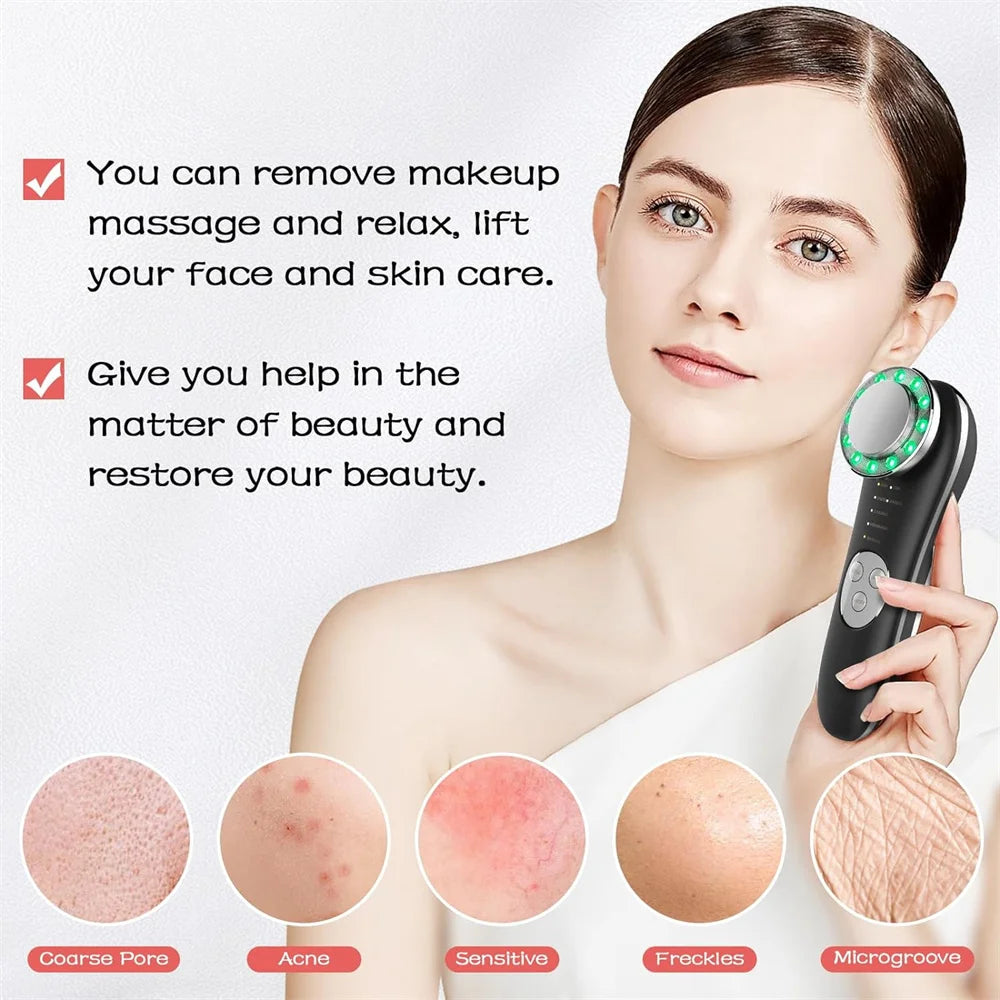
See how a consistent pore-care routine can support clearer, healthier-looking skin.
Why Pores Get Clogged
Clogged pores develop when excess sebum, dead skin cells, sunscreen, makeup, or environmental debris become trapped inside hair follicles. Over time, this buildup can oxidize into blackheads, remain closed as whiteheads, or contribute to inflammatory acne. Understanding what causes congestion makes it easier to choose home remedies for clogged pores that target the underlying problem instead of just treating the symptoms.
Excess Sebum and Dead Skin Buildup
Your skin naturally produces sebum to keep the surface hydrated and protected. When oil production increases or dead skin cells are not shed efficiently, they combine inside the pore opening and create a blockage. This is one of the most common reasons people seek a clogged pores natural treatment, especially in the oily T-zone.
Role of Bacteria and Environmental Factors
Pollution, sweat, cosmetic residue, and daily environmental exposure can accumulate on the skin throughout the day. While dirt itself does not directly "cause" acne, debris mixed with oil and dead skin can worsen congestion if the skin is not cleansed regularly. Bacteria may also contribute to inflammation after a pore becomes blocked.
How Skin Type Affects Clogged Pores
Every skin type can experience clogged pores, but the causes and best treatments vary:
- Oily skin: Produces more sebum, increasing the likelihood of blackheads and enlarged-looking pores.
- Dry skin: Often accumulates excess dead skin cells that can trap oil beneath the surface.
- Combination skin: Typically experiences congestion on the forehead, nose, and chin while the cheeks remain normal or dry.
- Sensitive skin: Benefits from gentle exfoliation and fragrance-free products that minimize irritation while supporting natural skin renewal.
Matching your routine to your skin type is one of the most effective ways to improve long-term results with a clogged pores natural treatment while reducing the risk of over-cleansing or unnecessary irritation.
How to Unclog Pores Naturally (Step-by-Step Routine)
An effective clogged pores treatment at home focuses on removing excess oil and dead skin while protecting your skin barrier. Rather than relying on harsh DIY treatments, follow a consistent routine that combines gentle cleansing, targeted exfoliation, hydration, and occasional deep pore cleansing at home.
Step 1 – Gentle Cleansing
Wash your face twice daily with a mild, pH-balanced cleanser to remove sunscreen, makeup, excess sebum, and environmental debris. Avoid cleansers that leave your skin feeling tight, as over-cleansing can stimulate additional oil production and worsen congestion.
Step 2 – Chemical Exfoliation
Instead of aggressive scrubs, use a gentle chemical exfoliant one to three times per week depending on your skin type. Salicylic acid (BHA) is particularly effective because it penetrates into oil-filled pores, helping loosen debris and reduce blackheads. If you prefer natural ways to clean pores, gentle oatmeal-based exfoliation can also help remove surface dead skin without excessive friction.
Step 3 – Clay Mask or Steam
Apply a clay mask once or twice weekly to absorb excess oil and lift impurities from the skin's surface. If you enjoy facial steaming, keep sessions brief—about 5 to 10 minutes—and use them only occasionally before cleansing or masking. Steam softens surface buildup but does not permanently "open" pores.
Step 4 – Moisturize and Protect
Finish with a lightweight, non-comedogenic moisturizer to support the skin barrier and reduce moisture loss. During the day, apply broad-spectrum sunscreen, since UV damage can contribute to rough skin texture and make enlarged pores appear more noticeable over time.
Weekly Routine Schedule
- Daily: Gentle cleansing, moisturizer, and sunscreen every morning.
- Evening: Cleanse thoroughly and moisturize after removing makeup or sunscreen.
- 1–3 times weekly: Use a chemical exfoliant appropriate for your skin type.
- 1–2 times weekly: Apply a clay mask for additional oil control.
- As needed: Brief facial steaming before masking, avoiding excessive frequency.
Consistency matters more than using multiple treatments at once. Introducing one new product at a time also makes it easier to identify what works best for your skin.
Natural Solutions That Actually Work
The best home treatment for clogged pores combines proven skincare ingredients with gentle daily habits. While no single ingredient works for everyone, the options below have the strongest evidence for reducing congestion while maintaining a healthy skin barrier.
Salicylic Acid
Salicylic acid is an oil-soluble beta hydroxy acid (BHA) that penetrates inside pores to dissolve excess sebum and loosen dead skin cells. It is especially beneficial for oily, acne-prone, and blackhead-prone skin when used according to product directions.
Retinoids
Retinoids encourage healthy skin cell turnover, helping prevent dead skin from accumulating inside pores. Beginners should start with lower-strength formulations a few nights per week and increase usage gradually to minimize irritation.
Clay
Kaolin and bentonite clay masks temporarily absorb excess oil and help remove surface impurities. They work best as a weekly maintenance treatment rather than a daily solution.
Niacinamide
Niacinamide supports the skin barrier, helps regulate oil production, and can reduce the appearance of enlarged pores over time. It is generally well tolerated by most skin types, including sensitive skin.
Sulfur
Sulfur helps reduce excess oil while gently exfoliating the skin. It can be useful for occasional clogged pores and mild blemishes, particularly for people whose skin cannot tolerate stronger exfoliating acids.
Top Home Remedies for Deep Pore Cleansing
Many DIY clogged pores remedies are popular online, but only a few offer meaningful benefits without increasing the risk of irritation. The safest approach to deep pore cleansing at home combines gentle cleansing, proven ingredients, and realistic expectations.
Steam Therapy
Facial steaming can soften surface oil and dead skin, making cleansing more comfortable. However, steam does not permanently open pores. Limit sessions to 5–10 minutes once or twice a week, especially if you have sensitive skin or rosacea, to avoid excessive redness and moisture loss.
Clay Masks
Clay masks containing kaolin or bentonite are among the most effective home treatments for temporarily reducing excess oil. Apply a thin layer to clean skin, leave it on according to the product instructions (typically 10–15 minutes), then rinse with lukewarm water and follow with a moisturizer.
Honey
Raw honey contains naturally occurring compounds that help soothe the skin while supporting the skin barrier. Although it is not a replacement for evidence-based acne treatments, a simple honey mask can provide gentle hydration and may benefit dry or irritated skin when used once or twice weekly.
Oatmeal
Finely ground oatmeal offers mild exfoliation while calming irritated skin. It is a suitable option for people with sensitive or reactive skin who want a gentle alternative to rough physical scrubs.
DIY Remedies to Avoid
Some traditional DIY treatments can do more harm than good. To reduce the risk of irritation or barrier damage, avoid:
- Undiluted lemon juice, which can irritate the skin and increase sun sensitivity.
- Baking soda, as its high pH may disrupt the skin's natural protective barrier.
- Coarse sugar or salt scrubs that create microscopic skin damage.
- Frequent extraction or squeezing of blackheads, which may increase inflammation and scarring.
- Combining multiple exfoliating acids or DIY ingredients in a single routine.

Simple, gentle skincare habits often deliver better long-term results than aggressive DIY treatments.
Best Home Remedies by Skin Type
Oily Skin
Focus on controlling excess sebum without over-drying the skin. A gentle cleanser, salicylic acid several times per week, and a weekly clay mask provide an effective clogged pores treatment at home. Use lightweight, non-comedogenic moisturizers to maintain skin balance.
Dry Skin
Dry skin benefits from gentle exfoliation once weekly, followed by barrier-supporting moisturizers. Hydrating ingredients such as glycerin, ceramides, and occasional honey masks can help reduce flaky buildup that contributes to clogged pores.
Sensitive Skin
Choose fragrance-free products and limit exfoliation to once weekly unless your skin tolerates more frequent use. Oatmeal-based treatments and gentle moisturizers help calm irritation while supporting gradual improvement in pore congestion.
Combination Skin
Treat different areas according to their needs. Apply oil-control products to the forehead, nose, and chin while using richer hydration on drier areas. This targeted approach improves congestion without unnecessarily drying the entire face.
Lifestyle Tips to Reduce Enlarged Facial Pores
Daily habits play an important role in preventing clogged pores from returning. While genetics largely determine pore size, healthy skincare practices can minimize congestion, reduce inflammation, and make pores appear less noticeable over time.
Sun Protection
Apply a broad-spectrum sunscreen with SPF 30 or higher every morning. Consistent UV protection helps preserve collagen, supports the skin barrier, and prevents sun damage that can make enlarged pores and uneven texture more visible.
Diet and Hydration
A balanced diet rich in fruits, vegetables, whole grains, lean proteins, and healthy fats supports overall skin health. Staying well hydrated also helps maintain normal skin function, although water alone will not unclog pores. Limiting highly processed foods may benefit some individuals who are prone to acne.
Daily Habits
- Cleanse your face morning and evening with a gentle cleanser.
- Remove makeup and sunscreen before going to bed.
- Use non-comedogenic skincare and cosmetic products whenever possible.
- Wash makeup brushes and reusable applicators regularly.
- Change pillowcases frequently to reduce the buildup of oil, sweat, and bacteria.
- Avoid introducing too many new skincare products at the same time.
Common Mistakes
- Over-washing or over-exfoliating, which can weaken the skin barrier.
- Skipping moisturizer because of oily skin.
- Using heavy or comedogenic products that trap excess oil.
- Picking, squeezing, or aggressively extracting blackheads.
- Ignoring daily sunscreen, especially when using exfoliating ingredients.
Recommended Tools & Products
The best home treatment for clogged pores combines consistent skincare with products suited to your skin type. Supportive tools and well-formulated skincare products can improve cleansing effectiveness without replacing a healthy daily routine.
Gentle Cleansers
Choose fragrance-free, pH-balanced cleansers that remove oil, sunscreen, and makeup without leaving the skin feeling dry or tight. Gentle cleansing helps maintain the skin barrier while reducing daily buildup.
Chemical Exfoliants
Products containing salicylic acid are often the first choice for oily or acne-prone skin because they help clear congestion inside pores. For drier skin types, gentler exfoliating acids may be more appropriate when used according to the manufacturer's instructions.
Clay Masks
Weekly clay masks containing kaolin or bentonite help absorb excess oil and temporarily improve the appearance of congested skin. Use them as a maintenance treatment rather than a daily product.
Non-Comedogenic Moisturizers
A lightweight moisturizer supports the skin barrier and helps reduce irritation from exfoliating ingredients. Look for formulas labeled "non-comedogenic" to minimize the likelihood of pore blockage.
| Product | Key Benefit | Best Use |
|---|---|---|
| KentDO™ Ionic Facial Cleanser | Supports deep cleansing while helping maintain a consistent skincare routine. | Daily cleansing support for clearer-looking, healthier skin. |

See how this device can complement your clogged pores treatment routine.
FAQ
How often should I do natural pore-cleansing at home?
For most people, a consistent routine works better than aggressive treatments. Cleanse your face daily, use a chemical exfoliant such as salicylic acid 2–3 times per week if tolerated, and apply a clay mask once weekly. Over-exfoliating or steaming too often can weaken the skin barrier and increase irritation.
Can natural remedies reduce pore size permanently?
No. Pore size is largely determined by genetics, skin type, and age, so natural remedies cannot permanently shrink pores. However, keeping pores free of excess oil and dead skin cells can make them appear noticeably smaller and smoother over time.
What is the best home treatment for clogged pores?
The best clogged pores treatment at home combines gentle cleansing, regular exfoliation with salicylic acid when appropriate, occasional clay masks, lightweight non-comedogenic moisturizers, and consistent sun protection. Natural ingredients such as oatmeal and honey can provide additional soothing benefits but work best as part of a complete skincare routine.
How long does it take to unclog pores naturally?
Most people notice healthier-looking skin within 2–4 weeks of following a consistent routine. More stubborn congestion, blackheads, or acne may require several months of regular care or professional treatment.
Are DIY clogged pores remedies safe for all skin types?
Not always. Even home remedies for clogged pores can cause irritation or allergic reactions. Perform a patch test before trying new ingredients, avoid abrasive scrubs, and discontinue use if burning, persistent redness, or excessive dryness develops.
Does steaming really open pores?
No. Pores do not physically open or close because they do not contain muscles. Warm steam simply softens oil and debris on the skin, making them easier to remove during cleansing. Limit facial steaming to about once a week to minimize irritation.
Is salicylic acid better than natural remedies?
Salicylic acid has stronger clinical evidence for treating clogged pores because it penetrates into oily pores and dissolves excess sebum and dead skin buildup. Natural remedies like oatmeal, honey, and clay can complement a routine by soothing skin or absorbing oil, but they generally do not replace proven exfoliating ingredients.
Pillar Article: 3 in 1 Cleanser Comparison: Which Device Delivers Flawless Skin Fast
Other Related Articles:
- Clean Skin Care for Sensitive Skin: Best Tools and Devices Reviewed
- Cleansing Device for Face: Top Picks to Restore Radiant Skin
- Clogged Pores Home Treatment Devices Ranked for Quick Results
- Top 5 Cleaning Deep Pores Devices You Need to Try Today
Explore More:













