

Does a tip over protection space heater really prevent accidents?
Yes—when used correctly, a tip over protection space heater can significantly reduce the risk of accidents caused by an appliance falling over. A built-in sensor detects when the heater tilts beyond its safe operating angle and immediately cuts power to the heating element. This space heater automatic shut off feature helps lower the risk of scorching nearby materials, damaging floors, or causing burn injuries if the unit is accidentally knocked over.
However, space heater tip over protection is only one part of a complete safety system. It does not replace safe placement, proper clearance from combustible materials, or overheat protection. The safest heaters combine multiple protective features that work together to reduce common household hazards.
Visual Guide: How the Tip-Over Switch Works

The internal heater tip-over switch uses a mechanical or electronic tilt sensor to monitor the heater's position. When the unit leans beyond its designed threshold, the sensor interrupts electrical power almost instantly so the heating element stops producing heat.
What Tip-Over Protection Can and Cannot Prevent
Understanding the limits of this safety feature helps you use your heater more safely.
- Can help prevent: Fires caused by a heater remaining powered after falling, burns from prolonged contact with hot heating elements, and damage to nearby flooring or furniture.
- Cannot prevent: Fires caused by blocked air intakes, overloaded electrical circuits, flammable objects placed too close to the heater, or misuse that ignores the manufacturer's safety instructions.
For the best protection, choose a heater that combines tip-over protection with overheat protection, a stable base, and recognized safety certification.
⏱ 7 min read
Tip Over Protection Space Heater Features That Prevent Accidents
A cold room can affect comfort, productivity, and even safety when people rely on outdated or poorly designed heating equipment. A modern tip over protection space heater delivers fast, efficient warmth while adding built-in safeguards that automatically respond if the unit is knocked over. Understanding how these safety features work—and where their limitations lie—makes it easier to choose a heater that provides dependable warmth without unnecessary risk.

Tip over protection space heater with heater tip over switch — safer warmth for everyday use. See it in action.
Because heaters are often used near desks, sofas, beds, and walkways, accidental bumps are more common than many people realize. A heater that shuts off when tipped provides an extra layer of protection in these everyday situations. While no safety feature can eliminate every risk, combining automatic shutoff with responsible placement and routine inspection greatly improves safe indoor heating.
How Does a Tip Over Protection Space Heater Work?
Understanding how tip over protection works in a heater helps explain why this feature has become a standard safety requirement in many modern electric heaters. Inside the unit, a heater tip over switch continuously monitors the heater's position. If the appliance tips beyond its designed operating angle, the switch immediately interrupts power to the heating element, allowing the fan and heating system to stop before excessive heat can build up.
The shutdown process typically occurs within fractions of a second, making it much faster than manual intervention and helping reduce the chance of heat-related accidents after the heater falls.
Mechanical Tip-Over Switches
A traditional tip over switch for electric heater models relies on a mechanical component that moves when the heater changes position. Common designs use a spring-loaded mechanism or weighted contact that disconnects the electrical circuit once the heater tilts beyond its preset angle.
- Simple and dependable construction.
- Requires no complex electronics.
- Provides rapid automatic power interruption when tipped.
Electronic Tilt Sensors
Many newer heaters use electronic tilt sensors instead of purely mechanical switches. These sensors continuously monitor orientation and communicate with the heater's control board, which instantly cuts power when unsafe movement is detected.
Electronic systems often offer greater consistency, fewer moving parts, and improved durability while maintaining the same automatic shutoff function.
Step-by-Step Shutdown Sequence
- The heater tilts beyond its safe operating angle.
- The mechanical switch or electronic tilt sensor detects the movement.
- The safety control circuit immediately interrupts electrical power.
- The heating element stops producing heat.
- Depending on the model, the heater either resets automatically after being placed upright or requires a manual restart for additional safety.
Why Modern Switches Are Mercury-Free
Older safety devices sometimes relied on mercury-based tilt switches, but modern consumer space heaters now use mercury-free mechanical or electronic sensing technologies. These newer designs are more environmentally friendly, comply with current safety standards, and provide reliable operation without using hazardous materials.
Electric Heater Safety Features That Actually Protect You
Tip-over protection is only one component of a safe heater. The best models combine several electric heater safety features that work together to reduce common household risks while maintaining efficient heating performance.
Overheat Protection
An overheat protection system monitors the heater's internal temperature. If airflow becomes blocked or internal components become too hot, the heater automatically shuts down before temperatures reach unsafe levels.
- Helps reduce overheating caused by blocked air vents.
- Protects internal components from excessive heat.
- Adds another layer of automatic shutdown beyond tip-over protection.
Cool-Touch Housing
A cool-touch exterior keeps the outer housing significantly cooler than the heating element inside. While no heater should be handled during operation unless recommended by the manufacturer, this feature helps lower the risk of accidental skin contact causing burns.
Child Lock and Timer Functions
Many premium heaters include child lock controls that prevent accidental setting changes, along with programmable timers that automatically turn the heater off after a selected period. These features improve convenience while supporting safer day-to-day operation.
Safety Certifications (UL and ETL)
When comparing models, look for recognized testing certifications such as UL or ETL . These certifications indicate that the heater has been evaluated against established electrical safety standards and that its safety systems have been independently tested.
A strong safety checklist should include:
- Tip-over protection with automatic shutoff.
- Overheat protection.
- Cool-touch housing.
- Stable anti-tip base.
- Child lock or timer functions where available.
- UL or ETL certification.
Many users pair compact heaters like this with wellness-focused home devices from the Lifestyle collection to create a safer, more comfortable indoor routine.

Electric heater safety features working together for stable indoor warmth. See it in action.
Real-Life Scenarios Where Protection Makes the Difference
The value of an anti tip space heater becomes most apparent during everyday use. Accidental bumps, uneven flooring, playful children, and curious pets can all cause a heater to shift unexpectedly. In these situations, a heater that shuts off when tipped provides an important layer of protection by automatically stopping heat production before the unit can continue operating in an unsafe position.
Under a Work Desk
Home offices often contain rolling chairs, power cords, backpacks, and footrests. A heater placed beneath a desk can easily be nudged while you work. If the heater tips over, the automatic shutoff feature cuts power immediately, reducing the chance of prolonged contact with carpets, paperwork, or cables.
Bedrooms and Night Use
Blankets, clothing, and furniture are commonly found near bedroom heaters. While a space heater should always be positioned with adequate clearance, tip-over protection adds an extra safeguard by shutting the heater off if it is accidentally knocked over during the night or while moving furniture.
Homes with Pets
Dogs and cats frequently brush against portable appliances while playing or exploring. A quality heater tip-over switch helps prevent continuous heating after an unexpected bump, offering additional peace of mind for pet owners.
Homes with Children
Children may accidentally push, pull, or bump into portable heaters during everyday activities. Choosing a heater with tip-over protection, overheat protection, and a cool-touch exterior helps reduce the risks associated with active family environments, although adult supervision and proper placement remain essential.
Shared Family Spaces
Living rooms, playrooms, and other shared areas experience constant movement throughout the day. An anti-tip design combined with automatic shutoff allows the heater to respond quickly if someone accidentally knocks it over while walking, cleaning, or rearranging furniture.
Comparison: Protected vs Basic Space Heaters
Not all portable heaters offer the same level of protection. Comparing key safety features makes it easier to identify the best safe space heater for your home or office.
Feature Comparison Table
| Feature | Basic Heater | Protected Heater |
|---|---|---|
| Tip-over protection | ❌ Not included | ✅ Automatic shutoff when tipped |
| Overheat protection | Optional or unavailable | ✅ Standard on many quality models |
| Cool-touch housing | ❌ Often unavailable | ✅ Helps reduce burn risk |
| Stable anti-tip base | Varies by model | ✅ Designed for improved stability |
| Safety certification | May not be independently tested | ✅ UL or ETL listed |
| Typical price range | $20–$50 | $40–$100 |
Safety Trade-Offs
Lower-priced heaters may provide adequate heating performance but often omit important safe indoor space heater features such as automatic tip-over shutoff, overheat protection, or third-party safety certification. Spending slightly more on a model with multiple integrated safety systems can provide greater long-term value, especially in homes with children, pets, or high-traffic living areas where accidental contact is more likely.
How to Use a Space Heater Safely at Home or Work
Even the best space heater safety features are most effective when combined with proper daily use. Following a few simple practices helps reduce fire hazards, improves heating efficiency, and allows tip-over and overheat protection systems to function as intended.
Placement Guidelines
- Always place the heater on a firm, level, and stable surface.
- Avoid positioning the heater on beds, sofas, thick rugs, or other soft surfaces that may reduce stability.
- Keep the heater away from busy walkways where it could be bumped or knocked over.
- Never cover the heater or block its air intake and exhaust vents.
Extension Cord Safety
Whenever possible, plug the heater directly into a properly grounded wall outlet. Portable space heaters draw significant electrical current, and extension cords or power strips may overheat if they are not designed for the required load.
- Avoid daisy-chaining multiple power strips.
- Inspect the power cord regularly for signs of wear or damage.
- Unplug the heater when it is not in use or before cleaning.
Safe Clearance Distances
Maintaining adequate clearance is one of the most important space heater safety tips . Keep at least 3 feet (about 1 meter) of space between the heater and combustible materials such as curtains, bedding, upholstered furniture, clothing, paper, or cardboard.
Also avoid placing heaters directly beneath electrical outlets or in areas where water exposure is possible unless the manufacturer specifically approves the heater for that environment.
Daily Safety Checklist
- Place the heater on a flat, stable surface before switching it on.
- Confirm at least 3 feet of clearance around the heater.
- Plug the heater directly into a wall outlet whenever possible.
- Verify that tip-over and overheat protection features are unobstructed.
- Inspect the power cord, plug, and housing for visible damage.
- Turn the heater off and unplug it when leaving the room for extended periods or before going to sleep unless the manufacturer specifically states unattended operation is appropriate.
When paired with a compact design like the portable electric fan heater , these best practices help maximize comfort while supporting safe everyday operation.
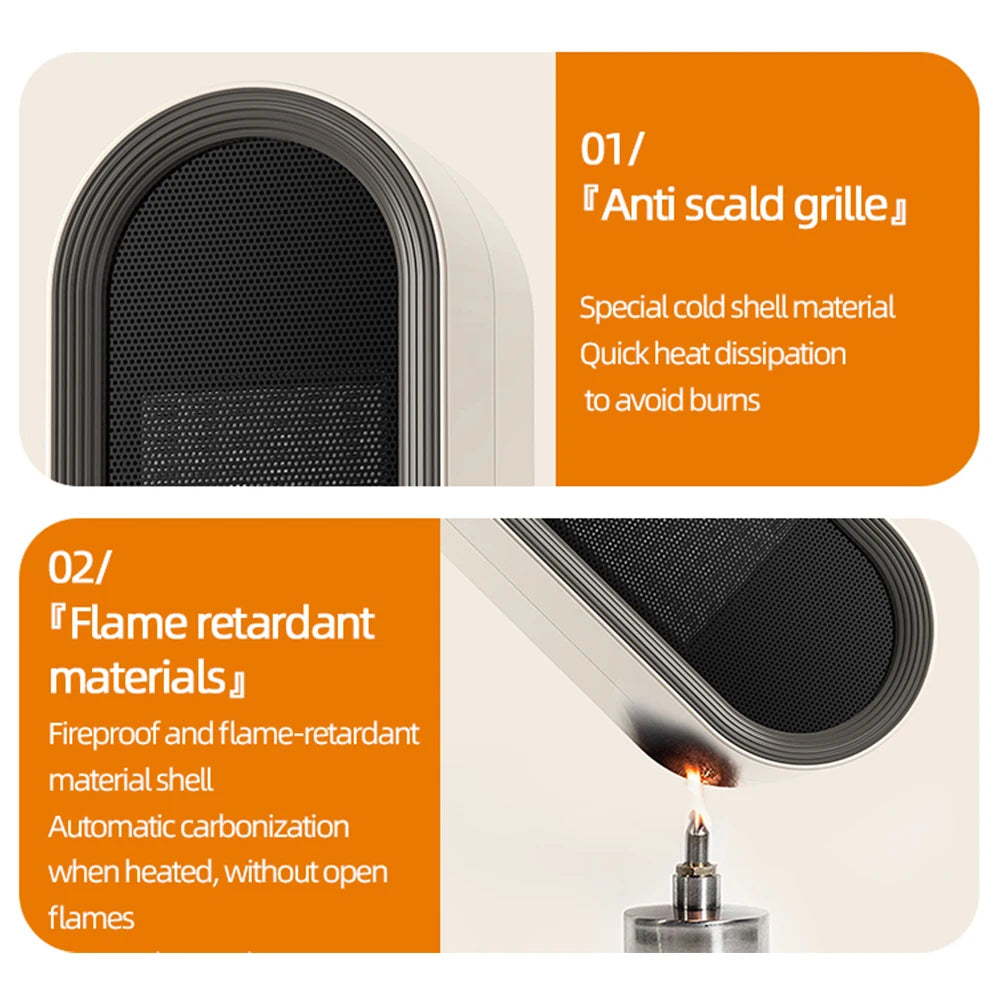
Stable, protected heating for everyday environments. See it in action.
Comprehensive Space Heater Safety FAQ
Does tip-over protection completely prevent fires?
No. Tip-over protection significantly reduces the risk of a heater causing problems after it falls by automatically cutting power, but it cannot eliminate every fire hazard. Safe placement, proper clearance from combustible materials, routine maintenance, and overheat protection are equally important for safe operation.
How does a heater tip-over switch detect a fall?
A heater tip-over switch uses either a mechanical mechanism or an electronic tilt sensor to monitor the heater's position. When the appliance tilts beyond its designed operating angle, the sensor interrupts the electrical circuit and shuts off the heating element almost instantly.
Can I test a space heater's tip-over protection at home?
Yes, but only by following the manufacturer's instructions. With the heater operating in a safe, open area away from combustible materials, gently tilt it enough to activate the safety switch if the manual recommends this procedure. Never attempt to defeat, bypass, or modify the safety mechanism during testing.
Will the heater restart automatically after being upright again?
It depends on the model. Some heaters automatically resume operation after they are returned to an upright position, while others require a manual reset or power cycle. Always refer to the owner's manual to understand how your specific heater operates.
Do all modern space heaters include tip-over protection?
Many modern portable electric heaters include tip-over protection, but not every model does. Before purchasing, verify that the product specifications specifically list automatic tip-over shutoff as one of its safety features.
What safety certification should a space heater have?
Look for heaters that carry recognized independent safety certifications such as UL or ETL . These marks indicate the heater has been evaluated against established electrical safety standards.
What is the difference between tip-over protection and overheat protection?
Tip-over protection activates when the heater falls or tilts beyond a safe angle. Overheat protection activates when internal temperatures become too high, such as when airflow is blocked. Together, these systems provide complementary protection against different types of hazards.
Can tip-over protection fail over time?
Like any mechanical or electronic component, a tip-over switch can wear over many years of use or become unreliable if the heater is damaged. If the heater fails to operate normally, repeatedly shuts off unexpectedly, or does not respond as described in the manufacturer's instructions, discontinue use and replace or service the unit according to the manufacturer's recommendations.
Can these heaters be used under desks?
Yes, provided the heater is approved for indoor use, sits on a stable surface, has adequate airflow, and maintains the recommended clearance from papers, bags, furniture, and other combustible materials.
Do protected heaters heat as well as basic ones?
Yes. Modern heaters with built-in safety systems generally provide comparable heating performance while adding automatic protections that improve overall safety and peace of mind.
Which heaters offer the best tip-over protection?
The safest portable heaters typically combine several protective features instead of relying on only one.
- Automatic tip-over shutoff.
- Overheat protection.
- Stable, wide anti-tip base.
- Cool-touch housing.
- UL or ETL certification.
- Optional child lock and programmable timer functions.
Related Guide: Carbon fiber heater element benefits that boost warmth and safety













