

Does recovering tired legs after work really help?
Yes, a consistent recovery routine can help relieve tired legs after work by supporting circulation, relaxing overworked muscles, and reducing stiffness. Simple strategies such as leg elevation, gentle stretching, hydration, compression, and massage for tired legs can improve comfort and help your body recover before sleep.
Tired Legs After Work: How to Recover Before Bed
Long hours standing, sitting, walking, or physically working can leave your legs feeling heavy, sore, and exhausted by the end of the day. Leg fatigue after work is common, but ignoring it can affect sleep quality, mobility, and how refreshed you feel the next morning. A structured evening recovery routine can help restore comfort and prepare your legs for overnight recovery.
⏱ 7 min read
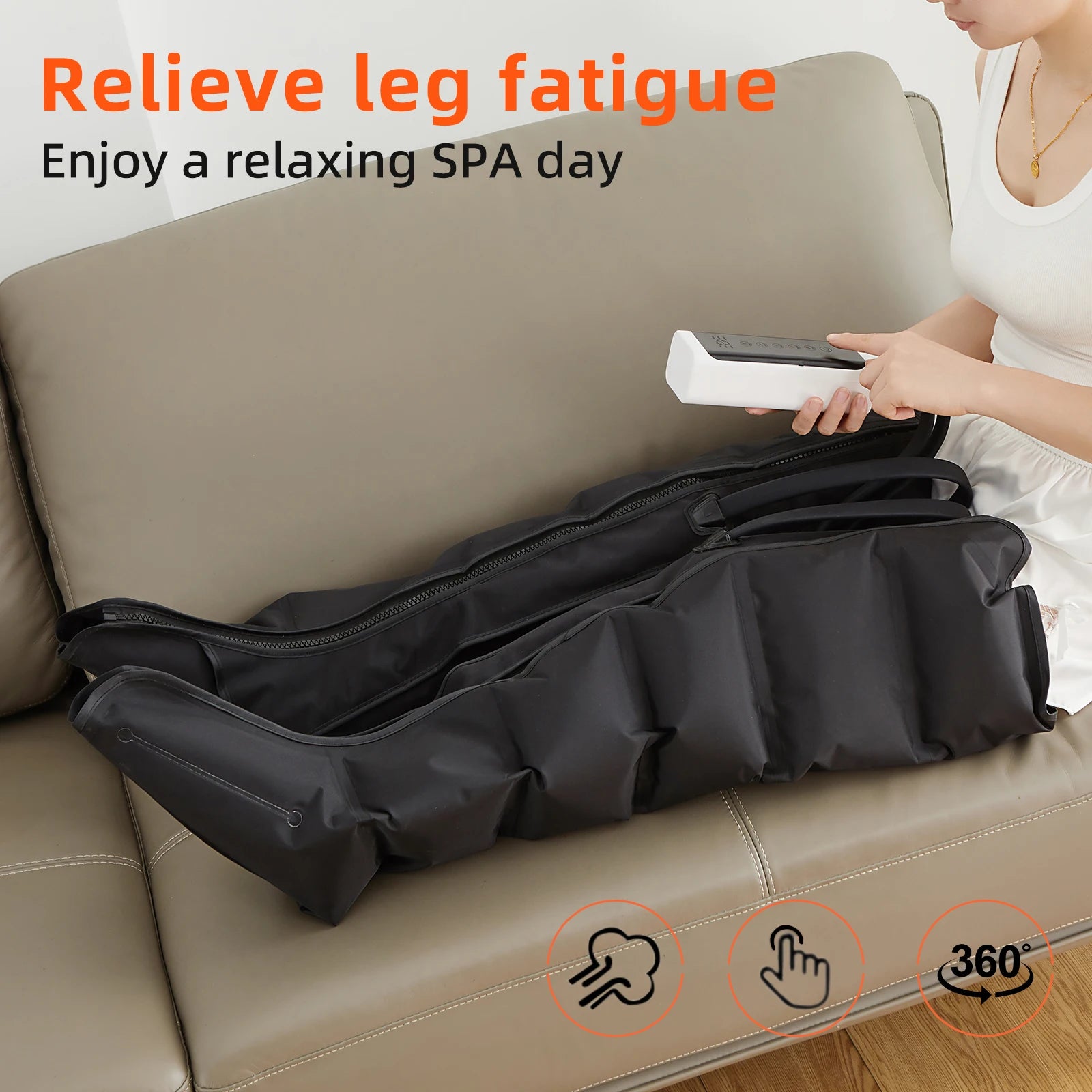
Evening relief for tired legs after work See it in action
Why Are Your Legs Tired After Work?
Feeling tired legs after work usually happens because your muscles, blood vessels, and connective tissues have been under stress throughout the day. The exact cause depends on your activity level, posture, and daily habits.
Muscle fatigue and overuse
Your leg muscles constantly support your body weight during standing, walking, climbing stairs, and exercise. Repeated use can create temporary muscle fatigue, tightness, and soreness, especially after physically demanding days.
Poor circulation and venous return
Your veins must work against gravity to move blood from your legs back toward your heart. Long periods of standing or sitting can reduce muscle pump activity, contributing to heaviness, swelling, and discomfort.
Fluid retention and dehydration
Fluid can naturally collect in the lower legs throughout the day, especially when movement is limited. Dehydration may also affect circulation and muscle function, making legs feel more tired and stiff.
Standing vs. sitting: how each affects your legs
Standing all day places continuous demand on muscles and joints, while sitting for extended periods reduces movement and circulation. Both situations can contribute to leg fatigue after work, but the recovery approach may differ.
When tired legs may signal an underlying condition
Occasional tired legs are usually related to daily activity. However, persistent swelling, unusual pain, weakness, numbness, or changes in skin color may require medical evaluation.
Common Causes of Leg Fatigue by Occupation and Lifestyle
Standing jobs (retail, healthcare, manufacturing)
Jobs that require long periods on your feet can cause sore legs after a long day because muscles remain activated for hours. Common symptoms include heavy calves, tired feet, and lower-leg swelling.
Desk jobs and prolonged sitting
Office workers may experience leg fatigue after work even without intense physical activity. Sitting for many hours can reduce movement, create stiffness, and contribute to poor circulation.
Physically demanding work
Lifting, carrying, climbing, and repetitive movements place additional stress on leg muscles. Recovery time becomes more important after physically demanding work.
Exercise-related muscle soreness
Workouts can create temporary muscle soreness as the body repairs and adapts. Combining exercise with proper hydration, stretching, and recovery habits helps support muscle comfort.
How to Tell Normal Leg Fatigue from a Medical Problem
Signs of normal muscle fatigue
- Heavy or tired feeling after a busy day
- Mild soreness that improves with rest
- Temporary stiffness after standing or sitting
Symptoms suggesting circulation problems
- Persistent swelling that does not improve overnight
- Frequent heaviness or aching without a clear cause
- Visible vein changes or ongoing discomfort
Possible nerve or joint involvement
Tingling, numbness, weakness, or pain that affects movement may involve nerves or joints rather than simple muscle fatigue.
Red flags requiring urgent care
Seek medical advice promptly for sudden severe symptoms, significant swelling, skin changes, or pain that does not improve.
How to Relieve Tired Legs After Work
Elevate your legs
Raising your legs above heart level for several minutes can encourage fluid movement and reduce the heavy sensation caused by a long day.
Gentle stretching
Slow calf, hamstring, and ankle stretches help release tension and improve flexibility without adding extra strain.
Hydration and nutrition
Drinking enough water and maintaining balanced nutrition supports normal muscle function and recovery.
Walking vs. resting
Complete rest is not always the best option. A short walk can activate the calf muscle pump and improve circulation, while excessive activity may delay recovery.
Compression therapy
Compression socks can provide support by applying gentle pressure to the legs, making them useful for people who stand or sit for long periods.
Massage for Tired Legs: Does It Help?
Manual massage
Manual massage can help relax tight muscles, improve comfort, and reduce the feeling of stiffness after a demanding day.
Massage devices
Massage devices provide consistent pressure and can make daily recovery easier. Some models combine compression, vibration, or heat to support relaxation.
Foam rolling
Foam rolling can help release muscle tension and improve mobility when used gently. It should not cause sharp pain or excessive pressure.
Who should avoid massage
People with unexplained swelling, injuries, circulation concerns, or certain medical conditions should ask a healthcare professional before using intensive massage techniques.
| Recovery Method | Best For |
|---|---|
| Massage | Muscle relaxation and daily comfort |
| Compression | Leg heaviness and swelling support |
| Stretching | Stiffness and flexibility |
Step-by-Step Leg Recovery Before Bed
5-minute recovery routine
- Elevate your legs against a wall for 2 minutes
- Complete ankle circles and gentle calf stretches for 2 minutes
- Massage calves lightly for 1 minute
15-minute complete routine
- Take a warm shower or apply gentle heat
- Stretch calves, hamstrings, and thighs
- Use massage for tired legs with hands or a device
- Elevate legs for 5–10 minutes
Heat vs. cold therapy
Heat may help relax tight muscles, while cold therapy can be useful after intense activity when temporary soreness or inflammation is present. Choose the method that matches your recovery needs.
Recovery timeline
Mild fatigue may improve within minutes, while deeper muscle soreness may require several days of consistent recovery habits.
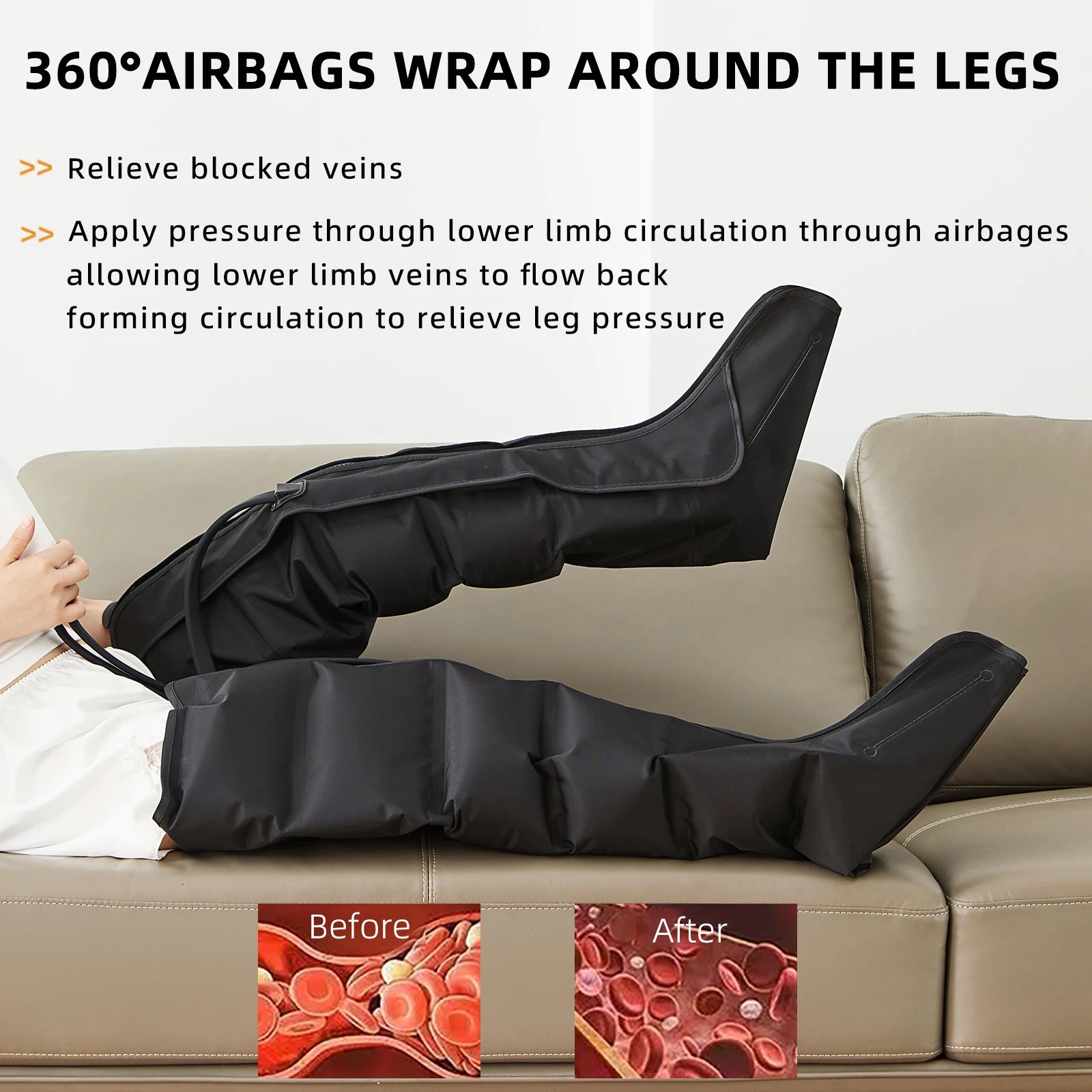
Massage for tired legs supports deeper night recovery See it in action
Simple Stretches and Exercises for Leg Recovery
Calf stretch
Place your hands against a wall, extend one leg behind you, and gently stretch the calf muscle to reduce tightness.
Hamstring stretch
A gentle seated or standing hamstring stretch can improve flexibility after long periods of sitting or standing.
Ankle pumps
Moving your ankles up and down activates lower-leg muscles and supports circulation.
Heel raises
Slow heel raises strengthen calf muscles and encourage movement after long periods of inactivity.
Best Recovery Tools for Tired Legs
Compression socks
Compression socks are useful for people who spend many hours standing or sitting. They can support circulation and reduce the feeling of heavy legs.
Leg massagers
Leg massagers provide convenient at-home recovery through compression, vibration, or heat. They are especially helpful for people who want a consistent evening routine.
Foam rollers
Foam rollers are affordable tools for releasing muscle tension and improving mobility.
Supportive footwear
Comfortable shoes with proper support can reduce unnecessary stress on feet, calves, and joints throughout the workday.
Explore supportive options within Body Care and Health Devices to enhance your nightly routine. For those focusing on overall wind-down rituals, Beauty & Self-Care Blog offers complementary comfort ideas.
Many users pair these tools with the air compression leg massager to simplify massage for tired legs after long workdays.
How to Prevent Tired Legs After Every Workday
Movement breaks
Take short movement breaks throughout the day to keep muscles active and reduce stiffness.
Hydration habits
Regular water intake supports normal circulation and muscle function.
Ergonomic adjustments
Improve your workstation setup, sitting posture, and standing position to reduce unnecessary strain.
Footwear choices
Supportive footwear can make a major difference for people who spend many hours on their feet.
Sleep Habits That Support Overnight Leg Recovery
Best sleeping positions
- Back sleeping with a pillow under calves
- Side sleeping with a pillow between knees
- Avoid positions that compress or twist the legs
Leg elevation
Short periods of elevation before sleep may help reduce the heavy sensation caused by daily activity.
Evening habits to avoid
Avoid intense late-night exercise, prolonged sitting without movement, and dehydration before bed.
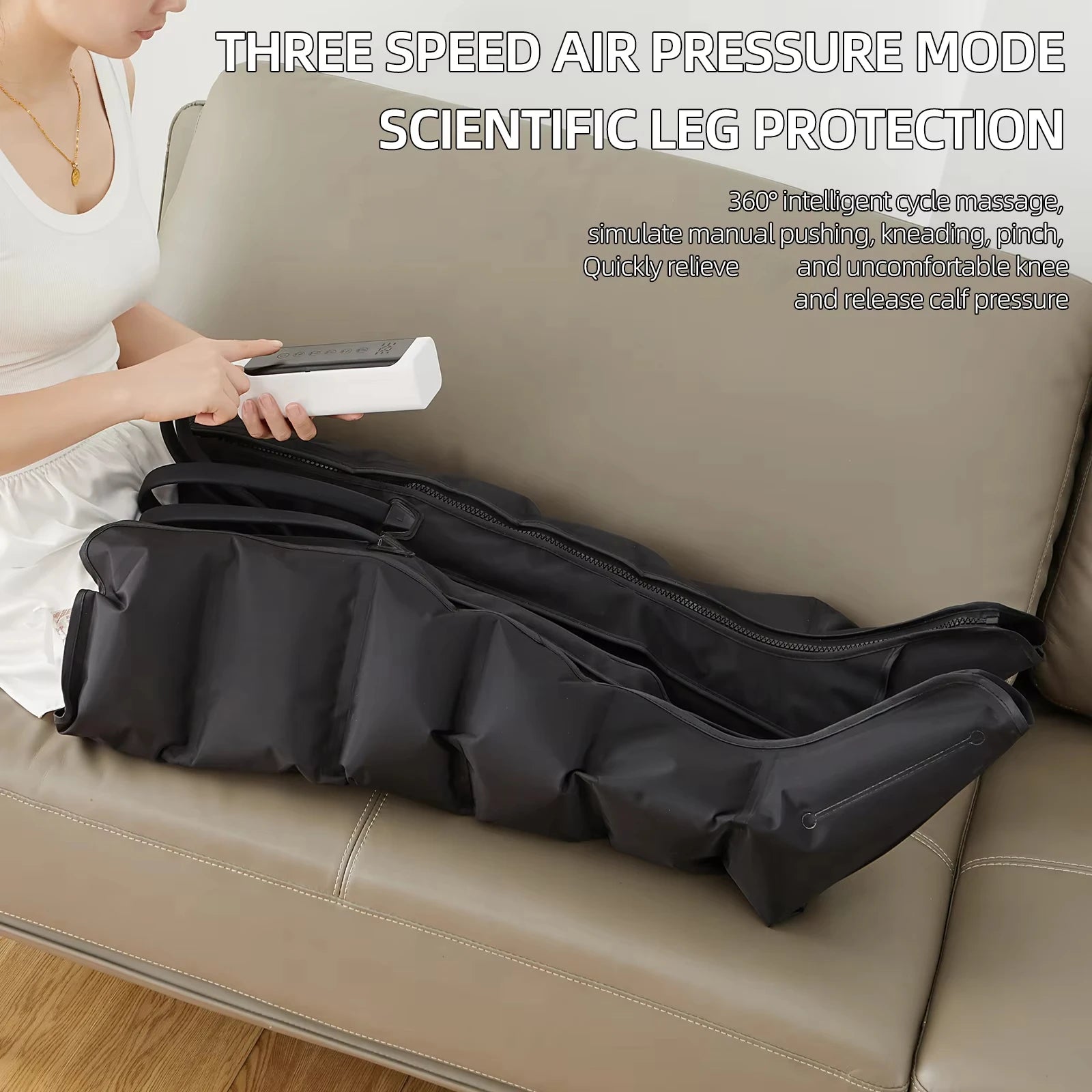
Wake up refreshed after easing tired legs after work See it in action
When to See a Doctor for Tired or Painful Legs
Persistent pain
Leg discomfort that continues despite rest and recovery habits may require professional evaluation.
Swelling or discoloration
Unusual swelling, warmth, or skin color changes should not be ignored.
Numbness or weakness
These symptoms may indicate nerve-related issues and should be assessed if persistent.
Possible vascular conditions
Ongoing heaviness or swelling may sometimes be linked to circulation-related conditions such as varicose veins.
Frequently Asked Questions
How long does tired leg recovery take?
Mild tiredness may improve within 10–20 minutes with elevation, stretching, and relaxation. More intense soreness may take longer.
What is the fastest way to relieve tired legs?
Leg elevation, gentle movement, stretching, and hydration are among the quickest ways to support tired legs relief.
Should I use heat or ice for sore legs after work?
Heat can help relax tight muscles, while cold may help after intense activity. Choose based on your symptoms and comfort.
Are compression socks effective?
Compression socks can help support circulation and reduce discomfort for people who experience leg heaviness during long workdays.
Is massage safe every day?
Gentle massage is generally suitable for daily relaxation, but avoid aggressive pressure if you have pain, swelling, or medical concerns.
Why are my legs more tired after sitting than standing?
Long sitting reduces movement and muscle activation, which can contribute to stiffness and a heavy feeling.
Can dehydration cause tired legs?
Yes, dehydration may affect muscle performance and contribute to feelings of fatigue.
When should I worry about heavy legs?
Seek medical advice if heaviness is persistent, severe, one-sided, or accompanied by swelling, weakness, or skin changes.
Related Guide: How to Improve Leg Circulation Step by Step at Home













