

Does tired feet relief really work after long days on your feet?
Yes. Effective tired feet relief can reduce soreness, heaviness, stiffness, and mild swelling after long periods of standing by addressing the main causes of foot fatigue: muscle overuse, pressure on the feet, and fluid buildup in the lower legs.
The most useful at-home approaches include elevating your feet, using heat or cold appropriately, stretching, gentle self-massage, staying hydrated, and wearing supportive footwear. Relief may feel noticeable within minutes when the problem is simple fatigue, while recurring pain caused by footwear, overuse, or an underlying condition may require consistent changes over days or weeks.
The best relief for tired feet depends on what is causing the discomfort. A warm soak may help tight, fatigued muscles, while cold therapy may be more appropriate for temporary swelling after unusual exertion. If symptoms persist despite rest and basic care, the cause may need professional evaluation.
Tired Feet Relief: Proven Ways to Relieve Sore Feet After Standing All Day
If your feet ache the moment you finally sit down, you’re not alone. Foot fatigue from standing all day can drain your energy, affect your mood, and make it harder to relax at night. The good news is that most everyday tired feet respond well to a combination of simple recovery habits and better support during the day.
Whether your feet hurt after work, exercise, walking, or hours on hard floors, the goal is to reduce accumulated stress while restoring comfortable movement. Elevation, appropriate heat or cold, gentle stretching, massage, hydration, and supportive footwear can all play a role in recovery.
⏱ 7 min read
Explore simple ways to feel lighter tonight

Tired sore feet relief starts with circulation and comfort See it in action
Why Do Your Feet Feel Tired and Sore After Standing All Day?
Understanding why your feet hurt after a long day helps you choose the right recovery strategy. Foot fatigue from standing all day usually results from a combination of repetitive muscle loading, pressure on the soles, reduced movement, footwear, and the surface you stand on.
Symptoms can vary significantly. One person may feel a dull ache across the entire foot, while another may notice heel soreness, arch discomfort, stiffness, heaviness, or swelling. The likely cause often depends on your daily activity and how long the symptoms last.
Muscle fatigue and overuse
Your feet and lower legs contain many muscles that continuously help stabilize your body. Standing for hours keeps these muscles working, even when you are not walking. Over time, repetitive loading can contribute to aching, stiffness, and reduced comfort.
Poor circulation and swelling
Standing in one position for long periods reduces the natural muscle-pump action that helps move fluid upward from the lower legs. This can contribute to a heavy feeling or temporary swelling, especially after a long shift or day on your feet.
Improper footwear and hard surfaces
Shoes with inadequate cushioning, poor fit, or insufficient support can increase pressure on the heels, arches, and forefoot. Hard surfaces such as concrete or tile can also increase the amount of impact and stress your feet absorb throughout the day.
Common risk factors: work, exercise, pregnancy, and aging
Retail, healthcare, hospitality, manufacturing, and other jobs that require prolonged standing can increase the risk of tired feet after work. Exercise and long walks can also temporarily overload foot and calf muscles.
Pregnancy may contribute to foot discomfort through changes in body weight, fluid retention, and biomechanics. Aging can also affect muscle strength, joint mobility, and the natural cushioning of the feet. These factors do not automatically mean pain is serious, but they can change which relief strategies work best.
How to Relieve Tired Feet Fast at Home
If you need to relieve sore feet fast after a long day, use a short recovery sequence rather than relying on a single technique. The following routine combines rest, circulation support, mobility, and gentle pressure.
Step 1: Rest and elevate your feet
Lie down and raise your feet comfortably above the level of your heart for about 10–15 minutes. Elevation can help reduce the heavy feeling associated with prolonged standing and may help temporary swelling settle.
Step 2: Choose a warm soak or cold therapy
Use warm water when your feet mainly feel tight, stiff, or generally fatigued. Warmth can help you relax before stretching or massage.
Consider cold therapy when temporary swelling or soreness follows unusual exertion. Avoid placing ice directly against bare skin, and stop if the skin becomes excessively numb or uncomfortable.
When deciding between heat and cold, match the method to the symptom rather than assuming one option is always better.
Step 3: Stretch your feet and calves
Gentle calf, ankle, toe, and arch movements can reduce stiffness and restore comfortable mobility. Avoid forcing a stretch into sharp pain.
Step 4: Use gentle self-massage
Massage your soles and calves with your hands, a massage ball, or a foot roller using comfortable pressure. Short, gentle sessions can help relieve the sensation of tightness after prolonged standing.
Step 5: Support recovery with hydration and, when appropriate, compression
Drinking enough fluids supports normal body function during recovery. For people who experience lower-leg heaviness or swelling, compression garments may be useful in some situations, but the right level and suitability depend on individual health factors. If you have circulation problems or a medical condition, ask a healthcare professional before using compression therapy.
A practical recovery timeline is often simple: elevation can provide immediate comfort, heat or cold may help within a short session, and stretching or massage can improve mobility afterward. If pain repeatedly returns or lasts beyond normal recovery, focus on identifying the underlying trigger instead of repeatedly masking symptoms.
Learn how simple tools fit into real routines
Best Stretches and Exercises for Foot Fatigue
Gentle mobility work can help reduce stiffness and maintain flexibility when your feet feel tired after work or prolonged standing. Perform these movements slowly and stop if you feel sharp, worsening, or unusual pain.
Calf stretch
Stand facing a wall with one foot behind the other. Keep the back heel down and gently bend the front knee until you feel a comfortable stretch through the back of the lower leg. Hold briefly, then switch sides.
Plantar fascia stretch
While seated, gently pull the toes of one foot back toward you until you feel a mild stretch along the sole and arch. This can be especially useful as part of a morning or evening mobility routine.
Toe mobility
Spread and relax your toes several times, then gently move them through a comfortable range of motion. Toe mobility helps counter the restricted movement that can occur after spending hours in shoes.
Ankle circles
Lift one foot slightly and slowly circle the ankle in both directions. Controlled ankle circles encourage movement through the ankle joint and can help reduce the stiff feeling that often accompanies prolonged standing.
For a more complete routine, combine mobility exercises with short periods of walking, calf strengthening, and regular changes in position throughout the day. Consistency is generally more useful than forcing an intense workout when your feet are already fatigued.
Which Remedies Work Best for Different Types of Tired Feet?
The best relief for tired feet depends on the pattern of discomfort. Matching the remedy to the likely cause can make your recovery routine more effective.
Standing all day
For tired feet after work, start with elevation, gentle calf and foot stretching, and comfortable massage. If your feet feel generally tight rather than acutely swollen, a warm soak may also help you relax.
After walking or exercise
After unusual or intense activity, rest and gentle mobility are often useful. If temporary soreness or swelling is present, cold therapy may be more comfortable than heat during the early recovery period.
Swollen feet
Elevation and regular movement can help with temporary swelling associated with prolonged standing. Avoid assuming that persistent or one-sided swelling is simply normal fatigue, especially when it is accompanied by pain, redness, warmth, or other concerning symptoms.
Arch discomfort
Arch discomfort may improve with better-fitting footwear, appropriate support, gentle stretching, and gradual strengthening. Persistent arch pain may have causes that require more specific evaluation, including conditions such as plantar fasciitis.
Do foot massagers really help foot fatigue?
Massage devices can provide temporary comfort by applying pressure, vibration, warmth, or movement to tired feet. They may be especially convenient when manual massage is difficult. However, a massager should complement—not replace—supportive footwear, rest, mobility, and medical evaluation when pain persists.
For a combined recovery routine, a KentDO Heated Foot Bath Massager combines warmth, water movement, and massage in one at-home session.
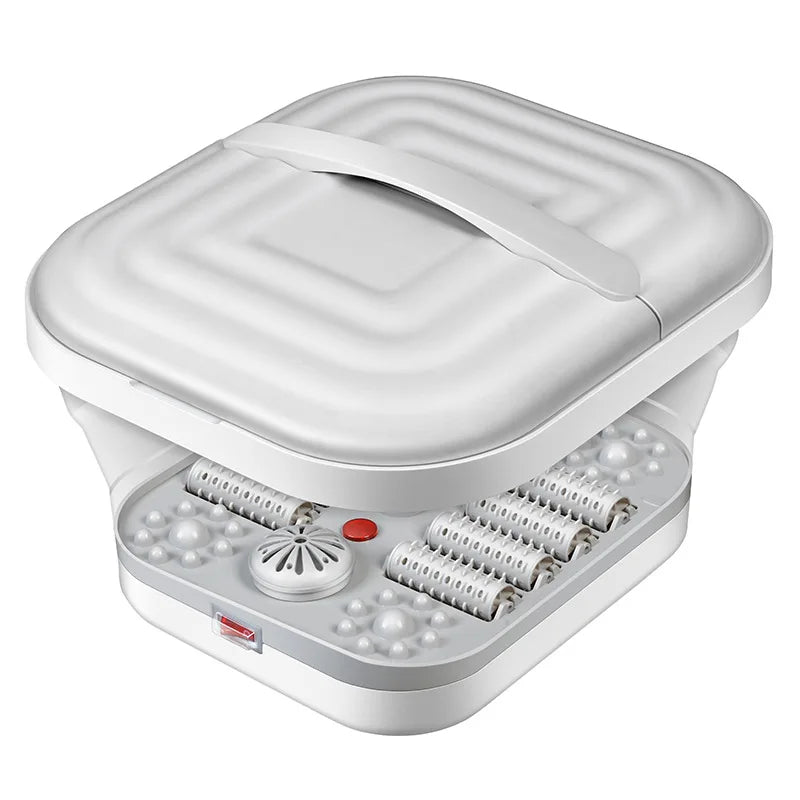
Foot fatigue from standing all day feels lighter with warmth See it in action
How Supportive Footwear and Insoles Help Prevent Foot Fatigue
Relief after work is important, but reducing the amount of stress your feet absorb during the day can be even more helpful. Supportive footwear can distribute pressure more comfortably and improve shock absorption on hard surfaces.
Choosing supportive shoes
Look for shoes that fit comfortably, provide adequate cushioning, and allow your toes enough room to move. The best shoe design depends on your foot shape, activity, work environment, and individual comfort needs.
When insoles help
Insoles may help some people distribute pressure more evenly or add cushioning inside shoes that otherwise fit well. They should not create excessive pressure, crowd the toes, or cause new pain.
Replacing worn footwear
Even comfortable shoes can lose cushioning and structural support with regular use. If your feet begin to feel more tired despite no change in your routine, inspect the soles and cushioning for visible wear.
Daily Habits to Prevent Tired Feet
Preventing sore feet after standing all day is often easier when small habits are built into the workday rather than saved entirely for the evening.
Take micro-breaks
When possible, briefly sit, walk, shift your weight, or change position instead of remaining stationary for hours. Even short changes in posture can reduce repetitive loading.
Build foot and calf strength gradually
Gentle strengthening exercises can help support the muscles involved in standing and walking. Progress gradually and allow recovery when your feet are already sore.
Maintain healthy movement habits
Regular physical activity and a balanced approach to nutrition can support overall mobility and reduce unnecessary strain on the feet. Avoid sudden increases in activity volume when your body is not accustomed to them.
Adjust your workstation when possible
If you stand for work, consider whether an anti-fatigue mat, a footrest, or the ability to alternate between sitting and standing can reduce repetitive stress. Small ergonomic changes can make a meaningful difference over a long shift.
Many people pair foot recovery with full-body relaxation tools from the Body Care and Health Devices collection to unwind completely after demanding days.
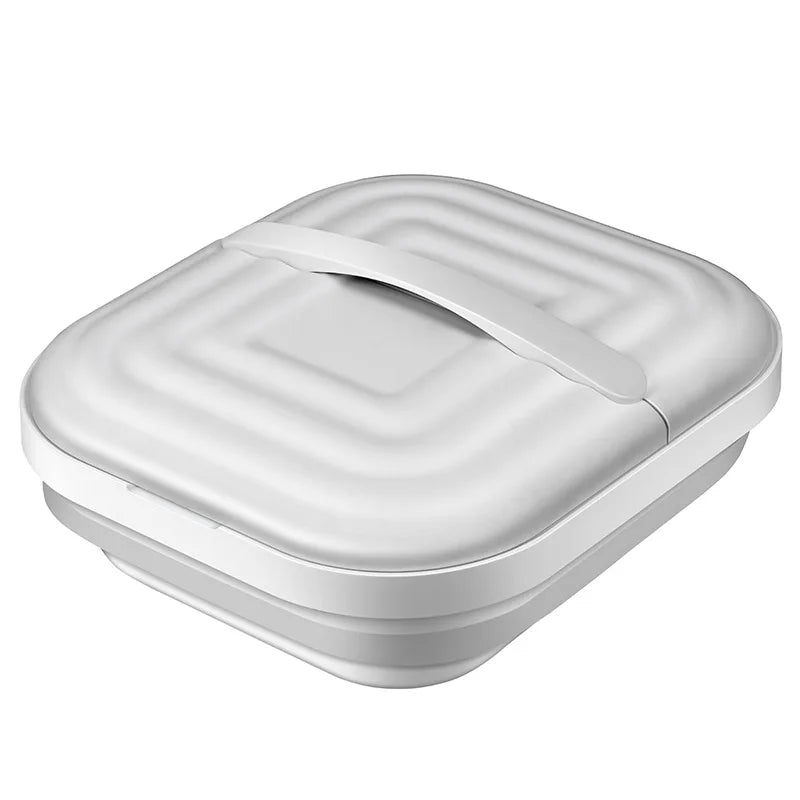
Daily tired feet relief routines support long workdays See it in action
When Tired Feet May Signal a Medical Problem
Occasional tiredness after a long day is common, but persistent or unusual foot pain should not always be dismissed as ordinary fatigue.
Red-flag symptoms
- Pain that persists or repeatedly returns despite rest and basic self-care
- Severe, sudden, or rapidly worsening swelling
- Significant redness, warmth, or tenderness
- Numbness, tingling, weakness, or loss of sensation
- Sharp or localized heel or arch pain that interferes with walking
- Symptoms that occur without an obvious increase in standing, walking, or exercise
Who may need extra caution?
People with conditions that affect circulation, sensation, joints, nerves, or blood sugar regulation may need individualized advice before relying on home treatments. Pregnancy, recent injury, and unexplained swelling can also warrant professional guidance depending on the symptoms.
When to seek medical care
Consult a healthcare professional if foot pain is persistent, severe, worsening, or accompanied by concerning symptoms. A proper evaluation can help identify whether the discomfort is simple fatigue or related to another condition requiring specific treatment.
Frequently Asked Questions
Why do my feet feel tired after standing all day?
Your feet may feel tired after standing all day because the muscles and connective tissues are exposed to prolonged loading while your feet remain under constant pressure. Reduced movement, swelling, hard surfaces, and unsupportive footwear can make the fatigue worse.
How can I relieve sore feet fast at home?
To relieve sore feet fast, rest and elevate them for 10–15 minutes, choose warm or cold therapy based on your symptoms, perform gentle foot and calf stretches, and use comfortable self-massage. Supportive footwear and adequate hydration can also help with recovery.
Is heat or ice better for tired feet?
Heat is often more comfortable for general stiffness and muscle fatigue, while cold therapy may help temporary swelling or soreness after unusual exertion. The better choice depends on the cause and symptoms. Avoid applying ice directly to bare skin.
Do foot massagers really help foot fatigue?
Foot massagers may provide temporary relief from muscle tension and the sensation of fatigue through massage, vibration, or heat. They work best as part of a broader routine that also includes appropriate footwear, movement, rest, and stretching.
What shoes are best for preventing tired feet?
The best shoes for preventing tired feet are comfortable, properly fitted, and appropriate for your activity. Look for adequate cushioning, stable support, and enough room for natural toe movement. Replace shoes when their cushioning or structure becomes noticeably worn.
How long does foot fatigue last?
Simple foot fatigue may improve within hours or by the next day after rest and recovery. If soreness persists, repeatedly returns, or worsens despite changes in activity and footwear, it may not be ordinary fatigue and should be evaluated.
When should I see a doctor for persistent foot pain?
Seek medical advice for persistent or worsening pain, severe swelling, significant redness or warmth, numbness, tingling, weakness, or difficulty walking. These symptoms may require evaluation rather than continued home treatment alone.
Related Guide: Cold Feet Poor Circulation Solutions for Everyday Comfort













