

Tired Sore Feet Relief: What Works Fast?
If you need tired sore feet relief after standing, walking, or exercising, the fastest approach is usually a combination of gentle movement, elevation, and targeted comfort rather than one single remedy. A short routine can reduce pressure and muscle tension, while consistent footwear, stretching, and recovery habits help prevent recurring fatigue.
Quick 5-10 Minute Relief Routine
For how to relieve sore feet fast after a long day, try this simple sequence:
- Elevate your feet: Rest them on a cushion for a few minutes to reduce the feeling of heaviness and help manage mild swelling.
- Move your ankles: Slowly circle each ankle and flex your toes to restore comfortable mobility after prolonged standing or sitting.
- Apply appropriate temperature therapy: Warmth can help relax tight muscles, while a cool pack may be more suitable for recent activity-related soreness or swelling.
- Massage gently: Use your hands, a massage tool, or a foot massage device with a comfortable intensity.
- Stretch the calves and soles: Gentle stretching can reduce tension that transfers into the feet.
This routine can provide quick relief for foot pain caused by everyday fatigue. However, relief should not be used to ignore severe, worsening, or unexplained symptoms.
When Fast Relief Is Enough
Home care is often reasonable when soreness is mild, follows a clearly identifiable activity such as a long shift or workout, and gradually improves with rest. If your feet feel tired after work but return toward normal with recovery, the problem may be related to temporary overuse or pressure.
When Pain Needs Medical Attention
Consider professional medical advice for persistent or worsening pain, significant swelling, numbness, weakness, unexplained redness or warmth, or pain that follows a serious injury. People with conditions that affect sensation or circulation should also be cautious with heat, cold, compression, and massage.
Tired Sore Feet Relief: Complete Guide to Quick and Lasting Comfort
⏱ 7 min read
If your feet feel heavy, stiff, or uncomfortable by the end of the day, the right recovery routine can make a noticeable difference. Effective
tired sore feet relief
focuses on the likely cause, reduces unnecessary pressure, restores comfortable movement, and gives your feet time to recover.
Ever notice how foot discomfort builds gradually and becomes most noticeable when you finally sit down? Understanding why your feet feel sore and tired makes it easier to choose the right combination of rest, movement, massage, temperature therapy, and footwear support.
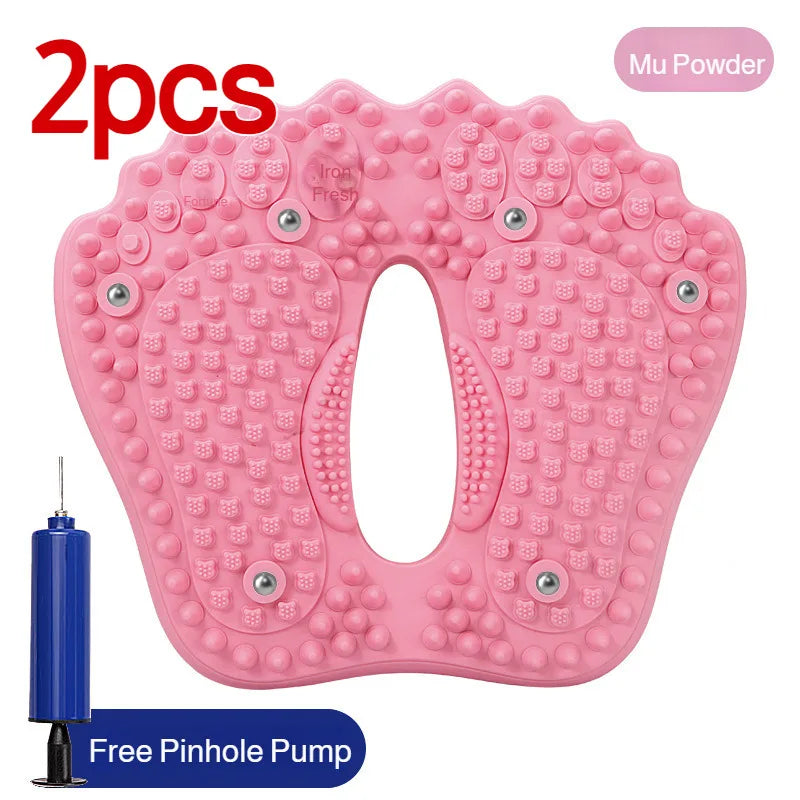
Tired sore feet relief in everyday use — sore aching feet comfort that fits your routine. See it in action
Why Do My Feet Feel Sore and Tired?
The answer to why do my feet feel sore and tired often involves more than one factor. Repeated loading, limited recovery, footwear, body mechanics, and certain health conditions can all contribute to discomfort.
Muscle Fatigue and Overuse
Standing and walking place repeated demands on the muscles, tendons, ligaments, and joints of the feet and lower legs. When activity exceeds your usual level or recovery time is limited, the result may be aching, stiffness, or a heavy feeling.
Poor Footwear and Support
Shoes that are too tight, worn out, poorly cushioned, or unsuitable for your activity can increase pressure on specific areas. A shoe that feels comfortable for a short period may still become uncomfortable during a full work shift or long walk.
Circulation and Swelling
Remaining in one position for long periods can contribute to a feeling of heaviness and mild swelling in the lower legs and feet. Elevation, regular movement, and appropriate compression may help some people, although compression is not suitable for everyone.
Medical Conditions That Can Cause Foot Pain
Arthritis, nerve problems, injuries, skin conditions, and other medical issues can cause foot pain or change how the feet respond to pressure. Diabetes and conditions affecting circulation or sensation require particular care with heat, cold, and massage.
For more information about lower-limb circulation, see how to improve leg circulation .
Common Causes of Foot Pain and Fatigue
Standing All Day
Long periods of standing can create continuous pressure through the heels, arches, and forefoot. Hard flooring, limited opportunities to sit, and unsupportive shoes can make the discomfort more noticeable. For what helps aching feet after work , a combination of movement breaks, supportive footwear, elevation, and gentle recovery is often more practical than relying on a single treatment.
Exercise Recovery
Walking, running, sports, and strength training can temporarily increase soreness in the feet and calves. Recovery needs vary with the activity, training level, footwear, and any existing injury. Gentle mobility may be helpful, but pain that is sharp, severe, or progressively worsening should not be pushed through.
Pregnancy and Aging
Pregnancy can change body mechanics and may contribute to increased foot and lower-leg discomfort. Aging may also be associated with changes in cushioning, joint mobility, muscle strength, and balance. Individual needs vary, so comfort measures should be adjusted accordingly.
Excess Body Weight
Higher body weight can increase the mechanical load placed on the feet during standing and walking. Supportive shoes, gradual activity planning, appropriate rest, and professional guidance when needed can all be part of a broader approach to foot pain relief at home .
How Foot Massage Helps Relieve Tired Feet
Massage is one option for how to relax tired feet after a demanding day. It may help reduce the sensation of muscle tension and provide short-term comfort, particularly when soreness is related to everyday fatigue.
Improving Circulation
Gentle movement and massage can encourage local fluid movement and may temporarily improve the feeling of warmth and comfort in tired feet. Massage should not be treated as a cure for a circulation disorder, however, and persistent swelling or circulation symptoms deserve medical evaluation.
Reducing Muscle Tension
Controlled pressure can help relax areas that feel tight after prolonged standing or activity. The pressure should feel comfortable rather than painful. More intensity is not automatically more effective.
Supporting Recovery
Massage can be a useful part of a broader recovery routine that includes rest, comfortable movement, stretching, and appropriate footwear. It may help you feel more relaxed after a long day, but it does not correct every underlying cause of foot pain.
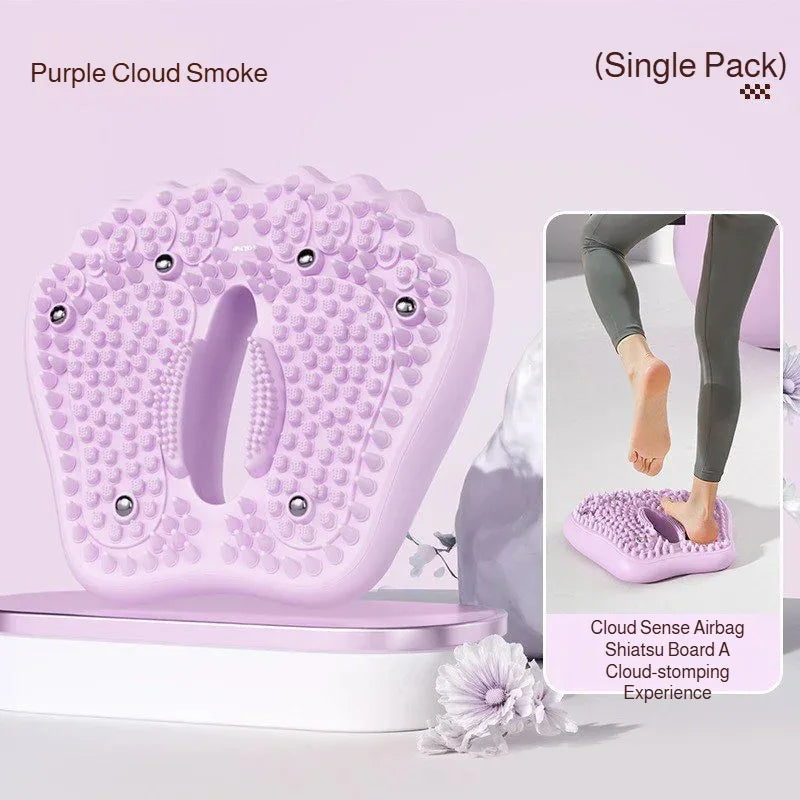
Post-work comfort for feet tired after work — gentle aching feet relief you can feel. See it in action
Comparing Foot Relief Options
The best way to soothe sore feet depends on what is causing the discomfort, how quickly you need relief, and which method you can use consistently.
| Relief method | Best for | Advantages | Limitations |
|---|---|---|---|
| Stretching | Stiffness and reduced mobility | Free, simple, and easy to repeat | May not be enough for significant pain or injury |
| Massage devices | Relaxation and general fatigue | Convenient, consistent, and hands-free | Intensity should be adjusted; not appropriate for every condition |
| Compression socks | Some types of lower-leg heaviness or swelling | Convenient during the day | Fit and medical suitability matter |
| Warm therapy | Muscle relaxation and comfort | Soothing for many types of everyday fatigue | Use caution with reduced sensation or acute swelling |
| Cold therapy | Some activity-related soreness and swelling | Can provide temporary numbing comfort | Should be used carefully and not directly on the skin for prolonged periods |
Stretching
Stretching is a low-cost option for maintaining comfortable mobility in the calves, ankles, toes, and soles. It works best when performed gently and consistently rather than forced during severe pain.
Massage Devices
Massage devices can make recovery easier to maintain because they provide a convenient routine while you sit and rest. They may be especially useful for people who prefer hands-free support after work or exercise.
Compression Socks
Compression can help some people manage feelings of lower-leg heaviness or swelling, but the correct level and fit matter. Anyone with a known circulation problem should ask a healthcare professional before using compression products.
Warm and Cold Therapy
Warmth is often associated with relaxation, while cooling may be more comfortable after certain types of recent activity or swelling. The appropriate choice depends on the situation, and neither should be used to mask symptoms that need medical assessment.
For a broader selection of at-home wellness devices, explore the body care and health devices collection .
Home Remedies for Tired Feet
Several simple home remedies for tired feet can support recovery when discomfort is mild and related to everyday fatigue.
Warm vs Cold Therapy
A warm foot soak or other gentle warmth may help relax tight muscles and create a soothing end-of-day routine. Cold therapy may be more appropriate for some short-term soreness or swelling after activity. Avoid extreme temperatures, especially if you have reduced sensation.
Elevation
Resting your feet on a cushion can be a simple way to reduce the feeling of heaviness after a long period of standing. Elevation works well as part of a short rest period rather than as a replacement for addressing poor footwear or excessive daily strain.
Epsom Salt Soaks
An Epsom salt soak can feel relaxing, but the warm water itself may be the main source of comfort for many people. Epsom salt should not be presented as a guaranteed treatment for the underlying cause of foot pain. Keep the water comfortably warm rather than hot.
Hydration and Recovery
Regular hydration, adequate rest, and sensible increases in activity can support general recovery. These habits are not a substitute for treatment when foot pain is caused by an injury or medical condition, but they can help reduce avoidable fatigue.
These approaches can contribute to a sore feet treatment natural routine, particularly when combined with appropriate footwear and gentle mobility.
Foot Stretches and Mobility Exercises
Gentle mobility is one of the most practical foot fatigue relief tips for people whose feet become stiff after standing or sitting for long periods. Stop if an exercise causes sharp or worsening pain.
Calf Stretch
Stand facing a wall and place your hands on it for support. Step one foot back, keep the heel comfortably grounded, and gently bend the front knee until you feel a mild stretch through the back of the lower leg. Hold briefly, then switch sides.
Toe Stretch
While seated, gently move and extend the toes to reduce stiffness. You can also use your hands to guide the toes into a comfortable stretch without forcing the joints.
Plantar Fascia Stretch
Seated, cross one ankle over the opposite knee and gently draw the toes back until you feel a mild stretch along the sole. Keep the movement controlled and stop if it causes sharp pain.
Tennis Ball Roll
While seated or standing with support, slowly roll a tennis ball or similarly sized soft massage ball beneath the foot using light, comfortable pressure. Avoid pressing directly into a painful area with excessive force.
For more ideas, see our guide to the best foot stretches and our plantar fasciitis guide .
How to Use a Foot Massage Device for Best Results
A foot massage device can be a convenient part of a tired sore feet relief routine, but the goal should be comfortable recovery rather than maximum intensity.
Session Length
Start with a short session and follow the instructions for your specific device. A 10- to 15-minute session may be sufficient for many people, especially when trying a new device or when your feet are sensitive.
Frequency
Use the device consistently according to its instructions and your comfort level. Daily use may suit some people, while others may prefer sessions after particularly demanding days. If soreness increases after use, reduce the intensity or stop and reassess.
Who Should Avoid Massage
Ask a healthcare professional before using a massage device if you have significant swelling, an acute injury, unexplained severe pain, reduced sensation, or a condition affecting circulation. Avoid using heat or intense pressure over areas with reduced sensation because you may not notice discomfort or excessive temperature.
The KentDO Inflatable Foot Massage Pad is designed for convenient at-home foot comfort and can be used as part of a broader recovery routine. Start at a comfortable setting and follow the product instructions.
Who Benefits Most From These Relief Methods?
Workers Who Stand All Day
People who spend long shifts standing may benefit from supportive footwear, movement breaks, elevation, gentle stretching, and a convenient recovery routine after work.
Athletes
Active individuals may use mobility work, rest, and appropriately selected massage or temperature therapy to support recovery after exercise. Persistent or injury-related pain should be evaluated rather than repeatedly masked.
Older Adults
Older adults may experience changes in joint mobility, cushioning, strength, and balance. Gentle, personalized approaches are generally preferable, and new or persistent foot pain should be discussed with a healthcare professional when appropriate.
Pregnant Individuals
Pregnancy can change weight distribution and contribute to foot and lower-leg discomfort. Gentle movement and comfortable footwear may help, but any new, unusual, or significant swelling should be discussed with a healthcare professional.
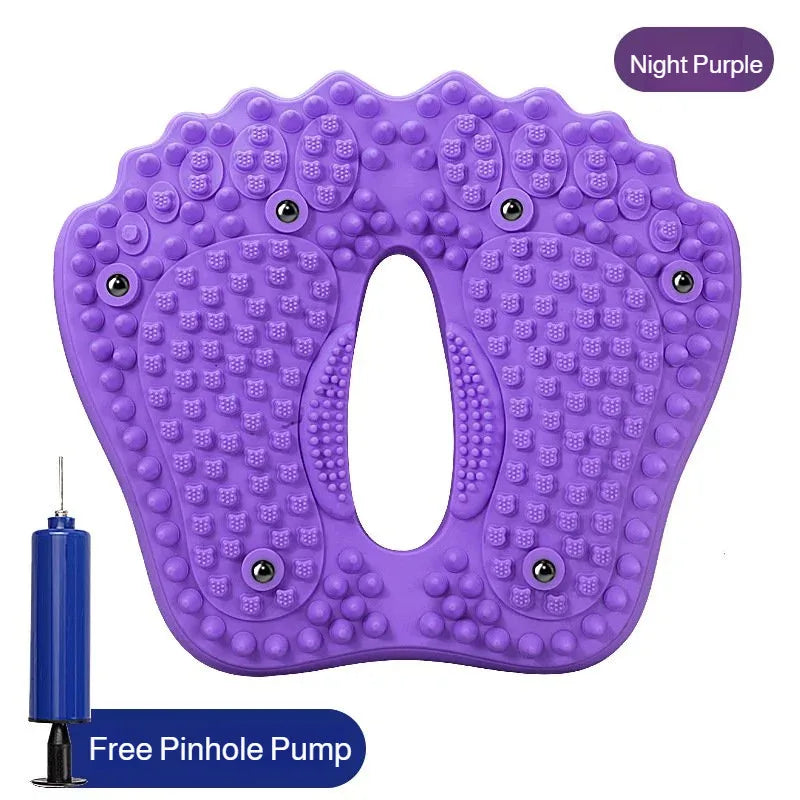
Daily tired sore feet relief at home — simple comfort, real results. See it in action
How to Prevent Tired and Sore Feet Every Day
Choose Supportive Footwear
Look for shoes that fit comfortably, provide appropriate cushioning for your activity, and do not create unnecessary pressure points. The right shoe depends on your foot shape and what you do during the day.
Learn more about how to choose supportive shoes .
Replace Worn Shoes
Even comfortable shoes can lose cushioning and structural support over time. Inspect footwear regularly and replace it when it no longer provides the support you need.
Strengthen Foot Muscles
Gentle strengthening and mobility exercises can support comfortable movement. Progress gradually, particularly if you are returning to activity after a period of inactivity or injury.
Take Movement Breaks
If your routine involves prolonged standing or sitting, brief movement breaks can help reduce stiffness. Alternating positions and changing your movement pattern may be more comfortable than remaining in one position for hours.
These habits are among the most practical foot fatigue relief tips for long-term foot pain relief at home .
Frequently Asked Questions
How can I get quick relief for foot pain after standing all day?
For quick relief for foot pain after standing, try a short period of elevation, gentle ankle and toe movement, comfortable stretching, and light massage. Supportive footwear and regular movement breaks can help reduce repeated strain.
What are the best home remedies for tired feet?
Useful home remedies for tired feet may include elevation, gentle stretching, comfortable warm or cool therapy when appropriate, light massage, hydration, rest, and supportive footwear. The best combination depends on the cause of the fatigue.
Is soaking feet better than icing them?
Neither is universally better. A comfortably warm soak may feel soothing for general fatigue and muscle tightness, while cooling may be more comfortable for some recent activity-related soreness or swelling. Avoid extreme temperatures and use caution if you have reduced sensation.
Can foot massage improve circulation?
Gentle massage may temporarily improve the feeling of warmth and comfort and can support relaxation. However, it should not be relied upon to treat an underlying circulation disorder. Persistent swelling, color changes, or other concerning symptoms should be medically assessed.
What shoes help prevent sore tired feet?
Generally, shoes that fit properly, provide appropriate cushioning and support for your activity, and do not create pressure points are more suitable than worn-out or poorly fitting footwear. The best choice varies by foot shape, activity, and individual needs.
When is sore foot pain a sign of a medical condition?
Seek medical advice for severe, persistent, worsening, or unexplained pain, significant swelling, numbness, weakness, signs of infection, or symptoms that follow a serious injury. People with diabetes, reduced sensation, or known circulation problems should take new foot symptoms seriously.
KentDO Inflatable Foot Massage Pad
Related Guide: Non Electric Foot Massage Mat Full Review and Results </p













