

Toe alignment correction: causes, exercises, and proven ways to fix toe alignment
⏱ 5 min read
Do your feet feel tired, stiff, or uncomfortable after standing, walking, or exercising? Even subtle changes in toe alignment can gradually affect balance, walking mechanics, foot comfort, and posture. While severe deformities may require medical care, many mild cases improve with consistent exercises, supportive footwear, and healthy daily habits. This guide explains what normal toe alignment looks like, what causes toes to shift out of position, and practical ways to support healthier foot function.
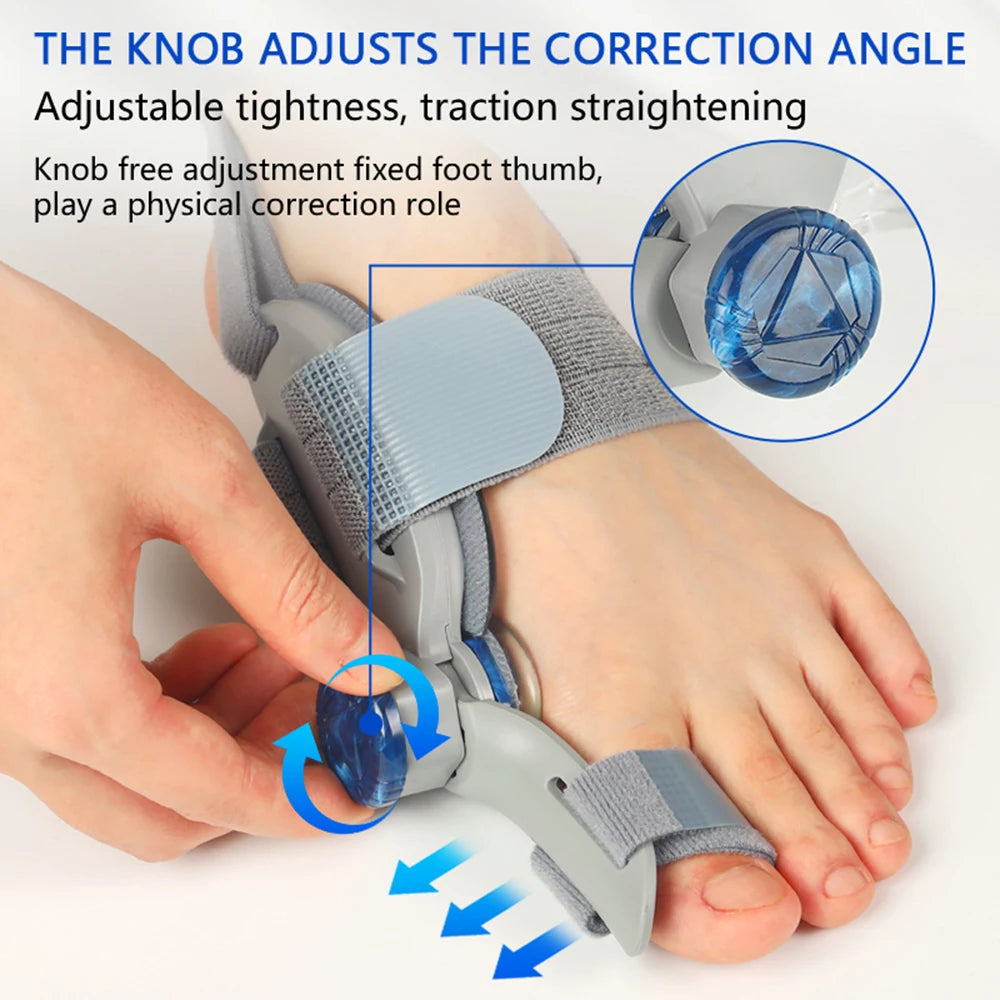
Toe alignment correction begins with awareness and gentle support — See it in action
What normal toe alignment looks like
Healthy toe anatomy
Normal toe alignment means the toes point forward in a natural, relaxed position without excessive twisting, crowding, or overlapping. The big toe should remain generally in line with the first metatarsal rather than drifting toward the second toe. Small differences between feet are common, but the toes should spread comfortably when standing barefoot and move freely during walking.
Signs of poor toe alignment
Early toe misalignment often develops gradually, making it easy to overlook until discomfort appears. Watch for these common signs:
- Big toe drifting toward the second toe
- Overlapping, crowded, or curling toes
- Pressure points, corns, or calluses between toes
- Pain or stiffness while walking or wearing shoes
- Visible changes around the big toe joint, including bunions
How misalignment affects walking
Your toes help stabilize every step, absorb force, and maintain balance. When toe alignment changes, pressure is distributed unevenly across the foot. Over time, this may contribute to discomfort, reduced stability, altered gait mechanics, and increased stress on the ankles, knees, and hips. Addressing mild alignment problems early often helps slow progression and supports healthier movement.
Even mild toe misalignment can affect balance and walking mechanics, making early intervention more effective than waiting until symptoms become severe.
What causes toe misalignment
Footwear and daily habits
One of the most common causes of poor toe alignment is wearing shoes with narrow toe boxes or elevated heels. Tight footwear compresses the forefoot, limiting natural toe movement and encouraging the big toe to drift inward over time. Long hours spent standing, repetitive activities, and footwear that does not match your foot shape can further increase stress on the toe joints.
Muscle weakness and mobility loss
Healthy toe alignment depends on strong intrinsic foot muscles, flexible tendons, and good joint mobility. Weak supporting muscles may struggle to stabilize the toes, while tight soft tissues gradually pull them away from their natural position. Regular mobility and strengthening exercises can help improve foot control in many mild cases.
Bunions, hammertoes and other conditions
Conditions such as bunions, hammertoes, claw toes, and overlapping toes often develop gradually as soft tissue imbalance combines with prolonged mechanical stress. Once joints become rigid or structural changes occur, conservative treatment typically focuses on improving comfort, mobility, and slowing further progression rather than completely reversing the deformity.
Genetics and injury
Some people inherit foot structures that increase the likelihood of developing toe alignment problems. Previous foot injuries, ligament damage, arthritis, or inflammatory joint conditions can also alter toe position and affect long-term foot mechanics. Identifying the underlying cause helps determine whether home care, supportive devices, or professional treatment is most appropriate.
How to measure toe alignment at home
Standing alignment check
A simple self-assessment can help you establish a baseline before starting any toe alignment correction routine. Stand barefoot on a flat surface with your weight evenly distributed across both feet. Look down or take a photo from above to observe how each toe sits in relation to the others.
- Check whether the toes point generally forward rather than twisting inward or outward.
- Look for overlapping, crowding, or excessive gaps between toes.
- Compare your left and right feet for noticeable differences.
- Repeat the assessment every few weeks to monitor changes over time.
Big toe angle
Pay close attention to the position of the big toe. Ideally, it should remain relatively aligned with the inside edge of the foot instead of angling sharply toward the second toe. A mild inward deviation may respond well to conservative care, while a pronounced angle accompanied by pain or a prominent bunion often warrants professional evaluation.
Simple mobility assessment
Healthy toe alignment depends on both position and movement. While seated, gently move each toe through its comfortable range of motion. Then compare mobility while standing, when body weight places greater demand on the joints and supporting muscles.
- Can you spread your toes apart without discomfort?
- Can you lift your big toe while keeping the others on the floor, then reverse the movement?
- Do your toes feel stiff, painful, or difficult to control?
- Does alignment appear to worsen when bearing weight?
Recording these observations provides a useful reference point for tracking progress as you improve toe strength, mobility, and overall foot mechanics.
How to correct toe alignment step by step
Toe mobility exercises
Improving joint mobility is often the first step toward better toe alignment. Gentle daily movement helps reduce stiffness, encourages normal toe motion, and prepares the foot for strengthening exercises.
- Toe spreads: Spread your toes as far apart as comfortably possible and hold for 5–10 seconds before relaxing.
- Toe lifts: Lift only your big toe while keeping the others on the floor, then reverse the movement by lifting the smaller toes while the big toe stays down.
Foot strengthening exercises
Strengthening the small muscles of the feet improves stability and helps the toes maintain better alignment during standing and walking.
- Towel scrunches using your toes.
- Picking up marbles or other small objects.
- Short-foot exercises to activate the arch muscles without curling the toes.
Stretching tight muscles
Tight muscles and connective tissues can pull the toes out of their natural position. Gentle stretching may improve flexibility and reduce tension around the forefoot.
- Carefully stretch the big toe away from the second toe without forcing the movement.
- Massage the sole of the foot and the joints around each toe to encourage mobility.
- Stretch the calf muscles regularly, as limited ankle mobility can influence foot mechanics.
Balance and gait practice
As mobility and strength improve, reinforce healthy movement patterns during everyday activities. Practice standing evenly on both feet, maintain a stable arch, and allow the toes to spread naturally while walking. Supportive footwear with adequate toe room can make these movement patterns easier to maintain throughout the day.
Consistency matters more than intensity. Performing these exercises for a few minutes each day is generally more effective than occasional longer sessions, and gradual progress is more sustainable than trying to force rapid correction.
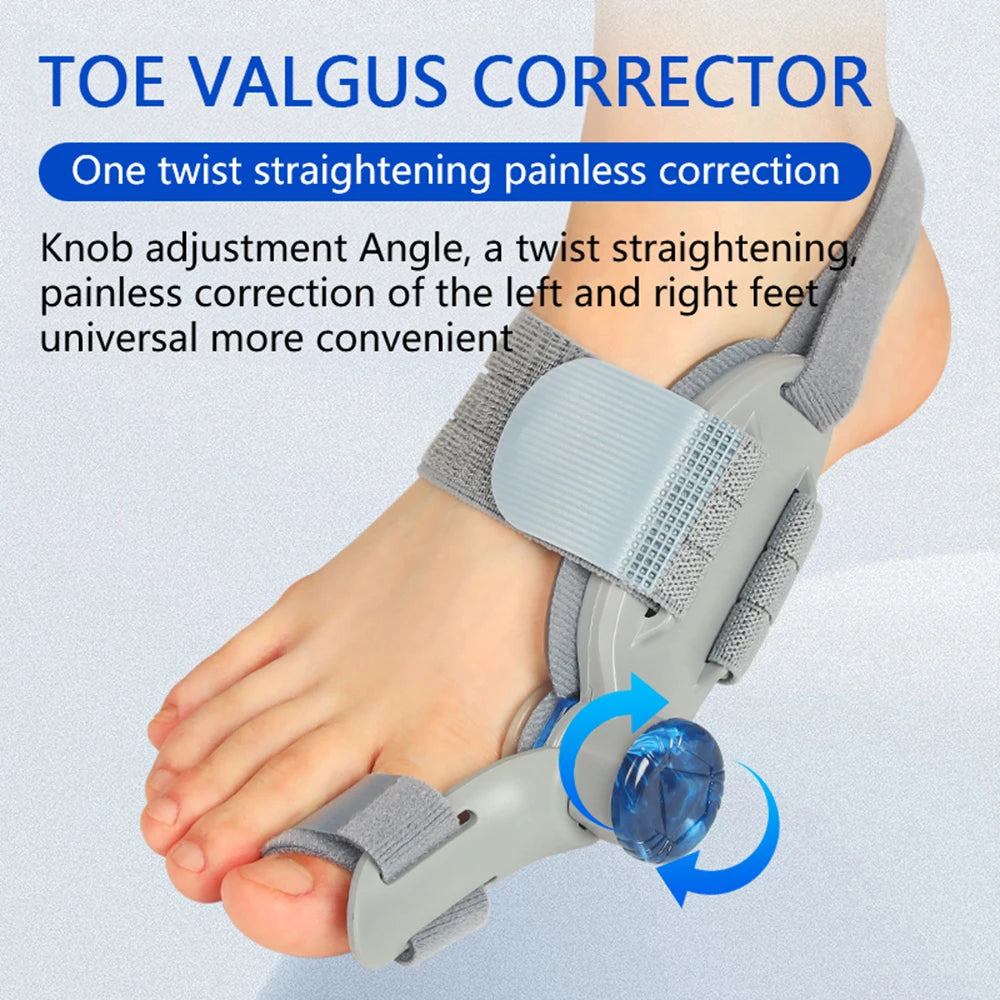
Consistent toe alignment adjustment supports everyday comfort — See it in action
Daily habits that keep toes aligned
Walking mechanics
The way you walk influences toe alignment throughout the day. Aim to distribute pressure evenly across your heel, midfoot, and forefoot rather than placing excessive force on the inside of the big toe. Taking shorter, controlled steps and maintaining good posture can also reduce unnecessary stress on the foot.
Footwear habits
Choose shoes with a wide toe box, flexible forefoot, and a stable, supportive sole. Your toes should have enough room to spread naturally without rubbing against each other. Limiting time in narrow shoes or high heels helps reduce ongoing compression that may contribute to toe misalignment.
Strength maintenance
Once mobility and alignment begin to improve, continue performing foot-strengthening exercises several times each week. Maintaining strong intrinsic foot muscles supports healthy movement patterns and helps preserve the progress made through your daily routine.
Preventing recurrence
Toe alignment is influenced by everyday habits, so long-term consistency is essential. Alternate footwear when possible, stretch after prolonged standing, and address minor discomfort early before it develops into a more significant problem.
| Helpful Habit | Why It Works |
|---|---|
| Regular foot stretching | Maintains flexibility and joint mobility |
| Wide toe-box footwear | Reduces compression and allows natural toe position |
| Foot strengthening exercises | Improves stability and supports better alignment |
| Consistent walking mechanics | Promotes even pressure distribution during movement |
How toe spacers, splints and supportive footwear help
Toe spacers
Toe spacers gently separate the toes to encourage more natural spacing while reducing friction between adjacent toes. They are often most helpful for mild alignment issues and are typically used for short periods while relaxing or performing foot exercises.
Splints and braces
Bunion splints and toe alignment braces apply gentle corrective pressure to the big toe during periods of rest. Although they do not permanently reshape rigid joints, they may improve comfort, reduce soft tissue tension, and support conservative treatment when combined with exercise.
Wide toe-box shoes
Supportive footwear complements toe alignment exercises by giving the forefoot enough room to move naturally throughout the day. Shoes that fit well reduce repeated compression and help maintain the positioning achieved during stretching and strengthening sessions.
Combining devices with exercise
No single device corrects toe alignment on its own. The best results typically come from combining supportive footwear, toe spacers or splints when appropriate, and a consistent exercise program that improves strength, mobility, balance, and overall foot function. This comprehensive approach can help improve comfort, support better toe alignment, and slow progression of mild deformities.
For people with mild to moderate toe misalignment, supportive devices can complement a well-designed exercise program by helping maintain a more natural toe position during periods of rest. While no device can permanently correct rigid deformities on its own, consistent use alongside strengthening exercises and appropriate footwear may improve comfort and encourage better toe alignment over time.
The KentDO Bunion Corrector is designed to provide gentle, consistent support that helps guide the big toe toward a more natural position while you relax, read, or sleep. When paired with regular mobility exercises and supportive footwear, it can become a useful part of a conservative toe alignment routine.
For more wellness-focused tools that complement foot care routines, explore the Body Care and Health Devices collection.
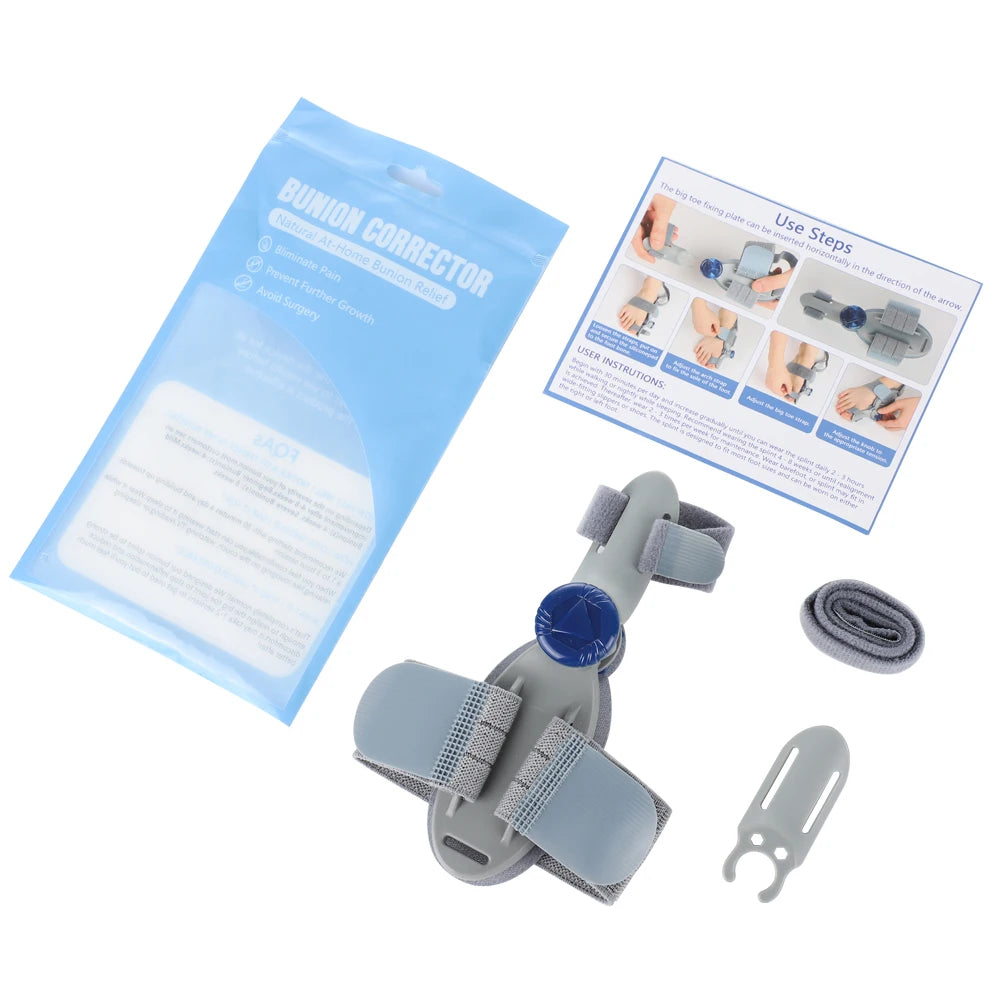
Support normal toe alignment with consistent use — See it in action
How long does toe alignment correction take?
Expected milestones
Toe alignment correction is typically a gradual process rather than an immediate fix. Many people notice reduced foot fatigue, improved comfort, and better toe mobility within several weeks of following a consistent routine. Visible improvements in toe position, when possible, often require several months of regular exercises, appropriate footwear, and supportive devices.
Factors affecting progress
Recovery speed varies from person to person depending on the underlying cause and how consistently conservative treatment is followed.
- Severity and duration of the toe misalignment
- Whether the deformity is flexible or structurally rigid
- Consistency with mobility and strengthening exercises
- Daily footwear choices and activity level
- Appropriate use of supportive devices when recommended
- Underlying medical conditions affecting joints or connective tissue
When improvement plateaus
If your symptoms stop improving after several months of consistent home care, or if pain and deformity continue to worsen, it may be time to seek professional evaluation. Persistent stiffness, increasing joint changes, or difficulty walking can indicate that additional treatment such as custom orthotics, physical therapy, or other interventions may be appropriate.
When to see a podiatrist or physical therapist
Red flags
Although many mild alignment problems respond well to conservative care, certain symptoms should be assessed by a healthcare professional.
- Persistent or worsening pain despite home treatment
- Noticeable swelling, redness, or warmth around a toe joint
- Rapid progression of bunions, hammertoes, or overlapping toes
- Difficulty walking, balancing, or wearing comfortable shoes
- Numbness or loss of sensation in the foot or toes
Imaging and diagnosis
A podiatrist or physical therapist can evaluate your foot mechanics, joint mobility, muscle strength, and walking pattern. In some cases, X-rays or other imaging studies help determine whether the deformity is flexible or involves permanent structural changes.
Non-surgical vs surgical care
Most people begin with conservative treatment, including footwear modifications, therapeutic exercises, orthotics, and supportive devices. Surgery is generally considered only when deformity becomes severe, pain significantly limits daily activities, or non-surgical approaches no longer provide adequate relief.
Frequently asked questions
Can toe alignment be corrected naturally?
Yes, many cases of mild to moderate toe misalignment caused by muscle imbalance, limited mobility, or footwear habits can improve with consistent exercises, supportive footwear, and appropriate use of toe alignment devices. Structural deformities are less likely to be fully reversed without medical treatment, but conservative care can often improve comfort and slow progression.
Do toe spacers permanently straighten toes?
No. Toe spacers do not permanently reshape bones or joints. Instead, they temporarily encourage better toe positioning, reduce pressure between the toes, and complement strengthening exercises. Long-term results depend on addressing the underlying causes of misalignment through consistent foot care and movement training.
What is the best exercise for toe alignment?
There is no single best exercise. A combination of toe spreads, toe lifts, short-foot exercises, towel scrunches, and balance training typically provides the greatest benefit by improving mobility, strengthening the intrinsic foot muscles, and supporting healthy walking mechanics.
How can I improve big toe alignment?
Improving big toe alignment usually involves wearing shoes with a wide toe box, performing daily mobility and strengthening exercises, and using supportive devices when appropriate. Addressing the problem early generally produces better outcomes than waiting until the deformity becomes more advanced.
Can shoes cause toe misalignment?
Yes. Shoes with narrow toe boxes, pointed fronts, or high heels can gradually compress the toes and contribute to bunions and other alignment problems. Choosing footwear that allows the toes to spread naturally helps reduce unnecessary stress on the forefoot.
How do I know if my toe alignment is improving?
Signs of progress may include reduced pain or stiffness, improved toe mobility, better balance, easier walking, and less crowding between the toes. Taking periodic photos while standing barefoot can also help you monitor subtle changes over time.
Related Guide: How to fix bunions step by step without surgery













