

Does Toe Warming Sock Technology Really Work?
Yes — toe warming socks can significantly improve comfort in cold environments by delivering heat directly to the areas that lose warmth fastest. Unlike traditional winter socks that only trap existing body heat, heated socks use built-in heating elements, rechargeable batteries, and targeted heat zones to actively warm cold toes.
Heated socks for cold feet work best when insulation alone is not enough , such as during skiing, hiking, outdoor work, winter commuting, or long periods spent in cold rooms. Toe-focused heating technology helps maintain warmth by placing heating elements around the toe area, where circulation is often reduced and heat loss happens quickly.
The effectiveness depends on several factors, including heating zone coverage, battery capacity, temperature settings, sock materials, and how well the footwear prevents heat from escaping. For people who frequently experience cold or numb toes, battery heated socks can provide more consistent warmth than standard thermal socks.
Toe Warming Socks: Best Heated Socks for Cold Feet (2026 Buying Guide)
Quick Picks: Best Toe Warming Socks by Use Case
Best Overall Heated Socks
The best all-around choice combines reliable toe heating, comfortable materials, adjustable heat settings, and enough battery life for daily winter activities. These socks are ideal for commuting, walking, outdoor errands, and general cold-weather use.
Best for Extreme Cold (Skiing & Outdoor Work)
Battery heated socks with stronger heating output and longer runtime are designed for freezing temperatures. They are better suited for skiing, hiking, hunting, construction work, and extended outdoor exposure where regular insulation may not be enough.
Best Budget Toe Warming Socks
Affordable thermal heated socks focus on insulation rather than active heating. They work well for mild winters, indoor use, and anyone who wants extra warmth without rechargeable batteries.
Best for Circulation & Numb Toes
Toe-focused heating socks are designed for people who struggle with cold toes. Targeted heat around the toe box can help improve comfort when feet become stiff or uncomfortable in cold conditions.
Comparison Table: Top Toe Warming Socks at a Glance
| Type | Heat Source | Battery Life | Heat Coverage | Best For | Warmth Level |
|---|---|---|---|---|---|
| Battery Heated Socks | Rechargeable battery-powered heating elements | 4–10 hours | Toe and foot zones | Skiing, hiking, outdoor work | High |
| Thermal Heated Socks | Insulation plus light heating support | 4–8 hours | Toe-focused or partial foot heating | Daily winter comfort | Medium-High |
| Thermal Insulated Socks | Wool, fleece, heat-retaining fabrics | All day | No active heating zone | Indoor use and mild cold | Medium |
Cold toes can quickly affect comfort, concentration, and mobility during winter. Toe warming socks provide a practical solution by adding targeted warmth exactly where your body needs it most.
⏱ 6 min read
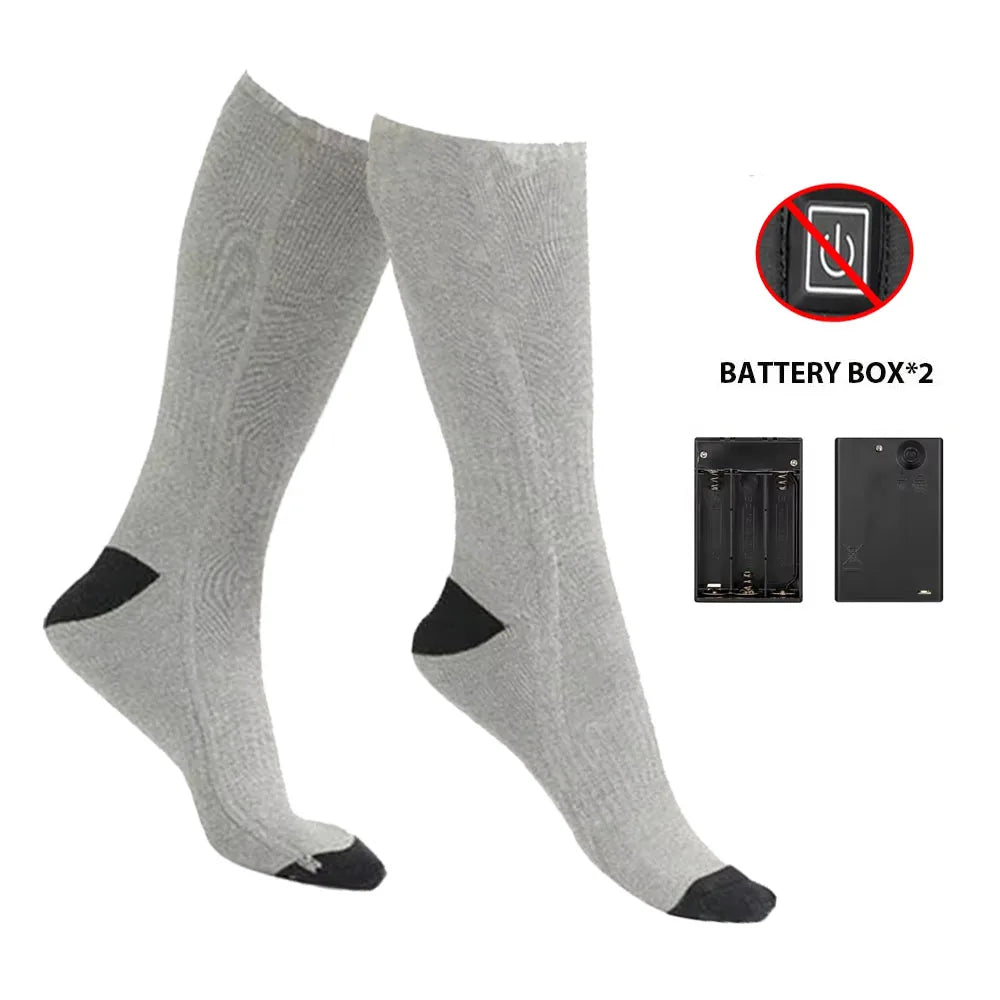
Targeted warmth where it matters most — toe warming socks in action See it in action
Why do your toes feel cold even when the rest of your body is warm? Understanding heat loss explains why targeted toe heating can make such a difference.
Why Toes Get Cold First — Even Indoors
Toes are often the first part of the body to feel cold because they are farthest from the heart and contain less muscle tissue to generate heat. When temperatures drop, the body naturally prioritizes keeping vital organs warm, which can reduce blood flow to fingers and toes.
Cold toes can happen indoors as well as outdoors due to cold floors, poor insulation, tight footwear, or reduced circulation.
Common problems include:
- Cold toes despite wearing thick socks
- Numbness after short exposure to cold temperatures
- Feet feeling stiff during winter activities
- Discomfort while working, walking, or relaxing
What Are Toe Warming Socks & How Do They Work?
Toe warming socks are designed to maintain foot warmth using either active heating technology or advanced insulation materials. The main difference is that heated socks generate warmth, while traditional thermal socks only help retain existing body heat.
How Heated Socks Keep Toes Warm Longer
Heated socks use thin heating wires or conductive heating panels positioned around areas that lose warmth quickly, especially the toe box. When powered by rechargeable batteries, these heating elements produce controlled warmth that helps maintain a comfortable temperature.
The most effective designs balance heat output with insulation. Heating elements provide warmth, while wool blends, fleece lining, and breathable fabrics help prevent heat from escaping.
Battery Heated Socks vs Thermal Insulated Socks
Battery heated socks actively create heat and are better for extreme cold, long outdoor exposure, and people who regularly experience cold toes. Thermal insulated socks rely on materials like wool and fleece to trap natural body heat.
- Battery heated socks: Generate consistent warmth with adjustable settings
- Thermal heated socks: Combine insulation with limited active heating
- Traditional thermal socks: Depend only on heat retention
Best Heated Socks for Cold Feet (Detailed Reviews)
1. High-Performance Battery Heated Socks
Best for: Extreme cold, skiing, hiking, and outdoor workers.
These socks provide the strongest heating performance through rechargeable batteries and multiple temperature settings. Their main advantage is maintaining warmth during long periods outside.
Pros:
- Strong active heating performance
- Adjustable temperature control
- Suitable for freezing conditions
Cons:
- Higher price compared with standard socks
- Requires charging before use
2. Toe-Focused Heating Socks
Best for: Cold toes and people who need targeted warmth.
These socks focus heating elements around the toe area instead of spreading warmth evenly across the entire foot. They are useful when toes become cold faster than the rest of the foot.
3. Premium Thermal Heated Socks
Best for: Everyday winter comfort.
Premium thermal heated socks combine insulation and light heating support. They offer a comfortable balance between warmth, flexibility, and battery convenience.
4. Budget-Friendly Warm Socks
Best for: Indoor use and mild winter conditions.
Budget thermal socks are a good option for users who need basic warmth without advanced electronics.
5. Heavy-Duty Winter Socks
Best for: Extended outdoor exposure.
Heavy-duty winter socks prioritize durability and insulation for demanding environments where warmth retention is critical.
Toe Warming Socks vs Regular Winter Socks
Regular winter socks are effective at trapping heat, but they cannot create additional warmth. Toe warming socks improve cold-weather comfort by adding targeted heating or enhanced heat retention.
- Regular socks: Depend on insulation and body heat
- Thermal heated socks: Add limited active warmth
- Battery heated socks: Generate consistent adjustable heat
For occasional cold weather, thermal socks may be enough. For freezing temperatures or persistent cold toes, active heating provides a noticeable advantage.
How to Choose the Best Toe Warming Socks
Heat Levels & Temperature Control
Look for multiple heat settings so you can adjust warmth based on weather conditions. Lower settings extend battery life, while higher settings provide faster warmth during extreme cold.
Battery Life & Charging
Battery heated socks typically provide 4–10 hours of runtime depending on battery size and heat level. Longer battery life is important for full-day outdoor activities.
Materials & Comfort
Quality materials such as wool blends, fleece lining, and moisture-wicking fabrics improve warmth while reducing discomfort from sweat buildup.
Fit, Bulk & Layering
Socks should fit securely without creating pressure points. Overly thick socks may reduce circulation or feel uncomfortable inside boots.
Battery Life & Heat Performance Breakdown
Low vs Medium vs High Heat Settings
Lower heat settings are ideal for indoor use and longer outings because they conserve battery power. Medium settings provide a balance between warmth and runtime, while high settings deliver maximum heat for freezing environments.
Average Runtime by Battery Size
- Small batteries: Around 3–5 hours depending on heat level
- Standard rechargeable batteries: Around 5–8 hours
- High-capacity batteries: Up to 10 hours or more in lower settings
Charging Time & Efficiency
Most rechargeable heated socks require several hours to fully charge. Charging batteries after each use and avoiding unnecessary high heat settings can help maintain long-term performance.
How to Use Heated Socks for Maximum Warmth
To get the best results from heated socks, fully charge batteries before use and activate the heating system before entering cold conditions.
- Preheat socks before outdoor exposure
- Wear insulated footwear to reduce heat loss
- Avoid shoes that are too tight
- Use lower heat settings when possible to extend battery life
For those exploring other comfort-enhancing solutions, browsing the Body Care and Health Devices collection can provide complementary options.
Who Should Use Heated Socks for Numb Toes?
Heated socks are useful for anyone who struggles with cold feet, especially during winter activities or prolonged exposure to low temperatures.
Best for Raynaud’s & Circulation Issues
People with circulation-related sensitivity may appreciate additional warmth from heated socks. However, anyone with diagnosed circulation conditions should discuss temperature-based products with a healthcare professional before use.
Ideal for Outdoor Activities
- Skiers and snowboarders
- Hikers and campers
- Outdoor workers
- Winter commuters
Who Should Avoid Heated Socks
People with reduced heat sensitivity, certain circulation disorders, or difficulty noticing excessive heat should seek medical advice before using heated products.
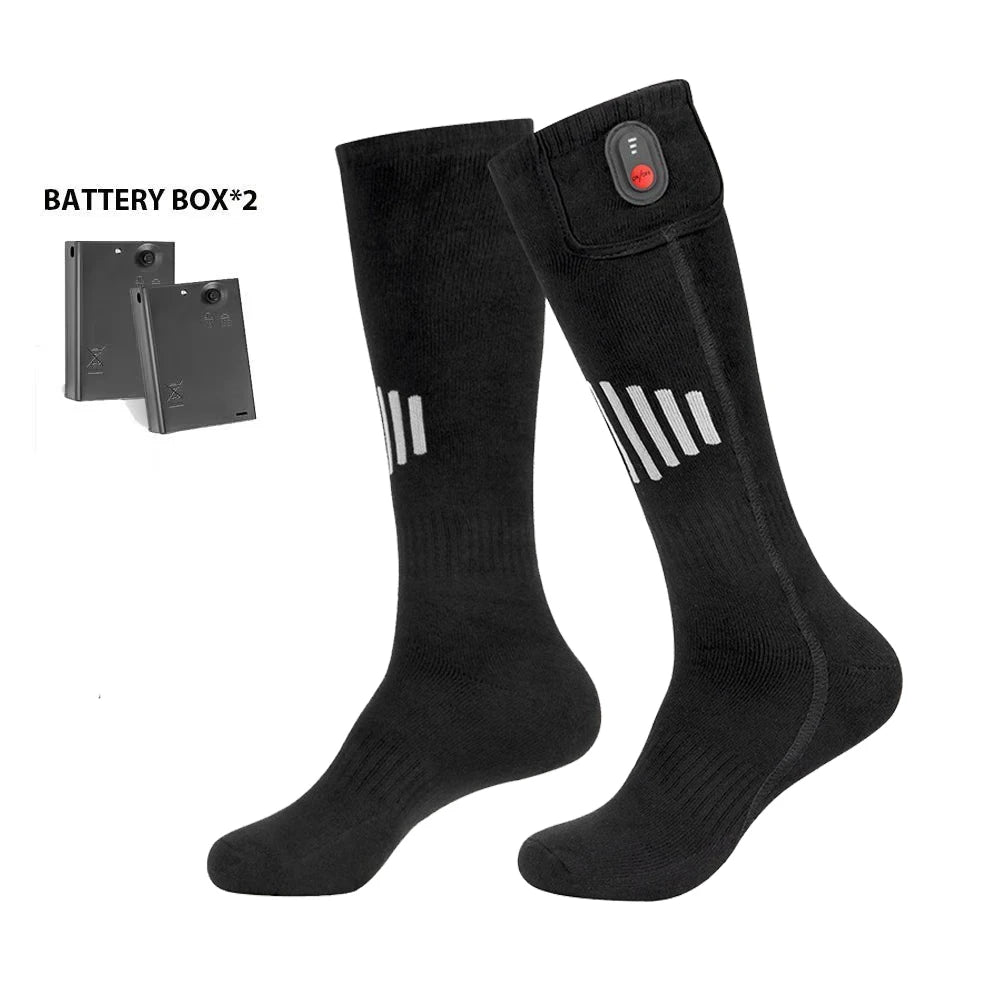
A cold feet solution that fits your daily routine See it in action
Safety Tips for Heated Socks
Overheating Risks & Safe Temperature
Use the lowest comfortable heat setting and avoid wearing heated socks if they create excessive warmth, irritation, or discomfort.
Battery Safety Guidelines
- Use manufacturer-approved chargers
- Keep batteries dry
- Inspect wires and battery compartments regularly
- Store batteries properly when not in use
When Not to Use Heated Socks
Avoid heated socks if the product is damaged or if you cannot properly sense temperature changes. Consult a healthcare professional if you have concerns related to circulation or nerve sensitivity.
Frequently Asked Questions
Do toe warming socks feel bulky?
Most modern designs are thinner than older heated sock models and are designed to fit inside winter boots and shoes.
Can heated socks be worn all day?
Yes. Many users wear heated socks for extended periods, especially on lower heat settings. Runtime depends on battery capacity and temperature level.
Are they suitable for indoor use?
Yes. Heated socks can be useful indoors when floors are cold or when feet become uncomfortable during colder months.
How long do battery heated socks last?
Most battery heated socks last between 4 and 10 hours depending on battery size and heat setting.
Are heated socks safe?
Quality heated socks include temperature controls and safety features designed to reduce overheating risks when used correctly.
What temperature do heated socks reach?
Temperature varies by model, but many heated socks provide multiple settings designed to deliver comfortable warmth rather than extreme heat.
Are heated socks good for circulation problems?
They may improve comfort for people who experience cold feet, but they should not replace medical treatment for circulation conditions.
Can you wash battery heated socks safely?
Follow the manufacturer’s instructions. Batteries and electrical components should always be removed before washing when required.
How long should you wear heated socks per day?
Wear time depends on comfort, battery life, and personal needs. Stop using them if you experience discomfort or excessive heat.
Do heated socks work better than thick wool socks?
Thick wool socks are excellent for insulation, but heated socks provide an advantage by actively generating warmth when insulation alone is not enough.
Related Guide: Electric Heat Socks Features Compared for Comfort and Safety













