

Does a hair spa at home really work?
Yes, a hair spa at home can improve softness, shine, hydration, and manageability by combining cleansing, conditioning, massage, and controlled warmth. Results are usually cosmetic and temporary rather than a permanent repair of damaged hair, but a consistent routine can help dry, frizzy, or rough hair feel smoother and easier to style.
⏱ 8 min read
Hair Spa at Home: Easy Step-by-Step Routine for Smooth, Healthy Hair
Dry ends, frizz that won’t settle, and treatments that seem to sit on the surface—sound familiar? Many people want salon-smooth hair without spending hours at a salon or building an overly complicated routine. A hair spa at home can help improve how your hair feels and looks by combining targeted conditioning with gentle massage and controlled warmth.
Discover the best options for your hair type
One reason home treatments can feel ineffective is that the routine may be incomplete. Applying a mask to tangled, dry hair and rinsing it out immediately does not provide the same experience as preparing the hair, applying treatment evenly, allowing enough contact time, and finishing with conditioning and gentle aftercare.
Warmth and moisture can help soften the hair surface and make conditioning treatments easier to distribute. However, more heat is not better. The goal is controlled, comfortable warmth—not excessive temperature that can irritate the scalp or dry the hair.
Which routine actually fits your schedule and hair goals? Read on to see how the steps work together, which treatments suit different hair types, and how to build a repeatable home hair spa routine.

Hair spa at home with gentle steam supports hair cuticle care See it in action
What is a hair spa at home?
A hair spa at home is a structured hair-care routine that combines preparation, cleansing, conditioning, and controlled warmth to improve the feel and appearance of the hair. Depending on your routine, it may include detangling, a pre-treatment oil massage, gentle steaming, a conditioning mask, shampooing, and post-wash care.
The goal is not to permanently repair every type of damage. Instead, a well-planned home hair spa can temporarily improve moisture balance, reduce the feel of roughness, make hair easier to detangle, and give strands a smoother appearance.
How a home hair spa works on the scalp and hair
Each stage has a different purpose. Massage helps distribute a pre-treatment product and can make the routine more relaxing. Water and conditioning products help improve the hair's surface feel, while gentle warmth and moisture may help treatments spread more evenly. A final conditioner or lightweight serum can help reduce friction and improve the smooth feel of the hair.
Unlike a rushed mask application, a home hair spa routine emphasizes preparation and consistent timing. It pairs well with tools found in Hair Care and Styling Devices , designed to support comfortable, repeatable routines.
Benefits of a Hair Spa at Home (What Each Step Does)
Oil massage benefits for scalp health
A gentle oil massage can help distribute oil across the scalp and hair, while the massage itself adds a relaxing element to the routine. Applying too much pressure or using excessive oil is unnecessary. A small amount spread evenly is usually easier to rinse and less likely to leave buildup.
For dry lengths, a small amount of oil can also help reduce the rough feel of the hair surface before washing. If your scalp is oily or sensitive, focus the product more carefully and stop if irritation occurs.
Why steaming can improve treatment application
Gentle warmth and moisture can help soften the hair and make conditioning products easier to distribute. This is why some people find a warm towel or dedicated hair steamer useful during a deep-conditioning routine.
Steam should be comfortable rather than hot. Excessive heat can increase dryness and may irritate the scalp, so controlled temperature and reasonable treatment time matter more than maximum heat.
How hair masks repair and smooth hair
Hair masks contain conditioning ingredients designed to improve the feel, flexibility, and appearance of the hair. They can help temporarily smooth the hair surface and reduce the rough, dry feel associated with moisture loss or everyday wear.
Deep conditioning does not reverse severe structural damage, but it can make hair feel more manageable. Choosing a mask based on your hair's needs is generally more useful than simply choosing the thickest or richest formula available.
Why conditioning and serum help lock in moisture
Conditioner helps improve slip and reduce friction during and after washing. A lightweight serum or leave-in product can provide additional smoothing and help protect the hair surface from everyday friction and environmental exposure.
For a hair spa for smooth hair, the finishing steps are just as important as the mask. Rinsing thoroughly, detangling gently, and avoiding unnecessary heat styling can help preserve the smoother feel created by the routine.
Learn step-by-step how to style at home
Step-by-Step Hair Spa at Home Routine
Step 1 – Pre-spa preparation (detangling & sectioning)
Begin by gently detangling the hair with a wide-tooth comb or another suitable tool. Start at the ends and work upward rather than pulling through large knots from the roots.
Sectioning is especially helpful for thick, long, curly, or textured hair because it makes it easier to distribute oil and masks evenly. You do not need perfect sections—just enough to prevent large areas from being missed.
Step 2 – Oil massage (how and how long)
Apply a small amount of suitable oil to the scalp or lengths, depending on your hair type and the purpose of your routine. Massage gently with your fingertips for about 5–10 minutes without scratching or applying excessive pressure.
If your scalp becomes greasy easily, use less oil or focus the treatment on the mid-lengths and ends. The goal is even coverage, not saturating the hair.
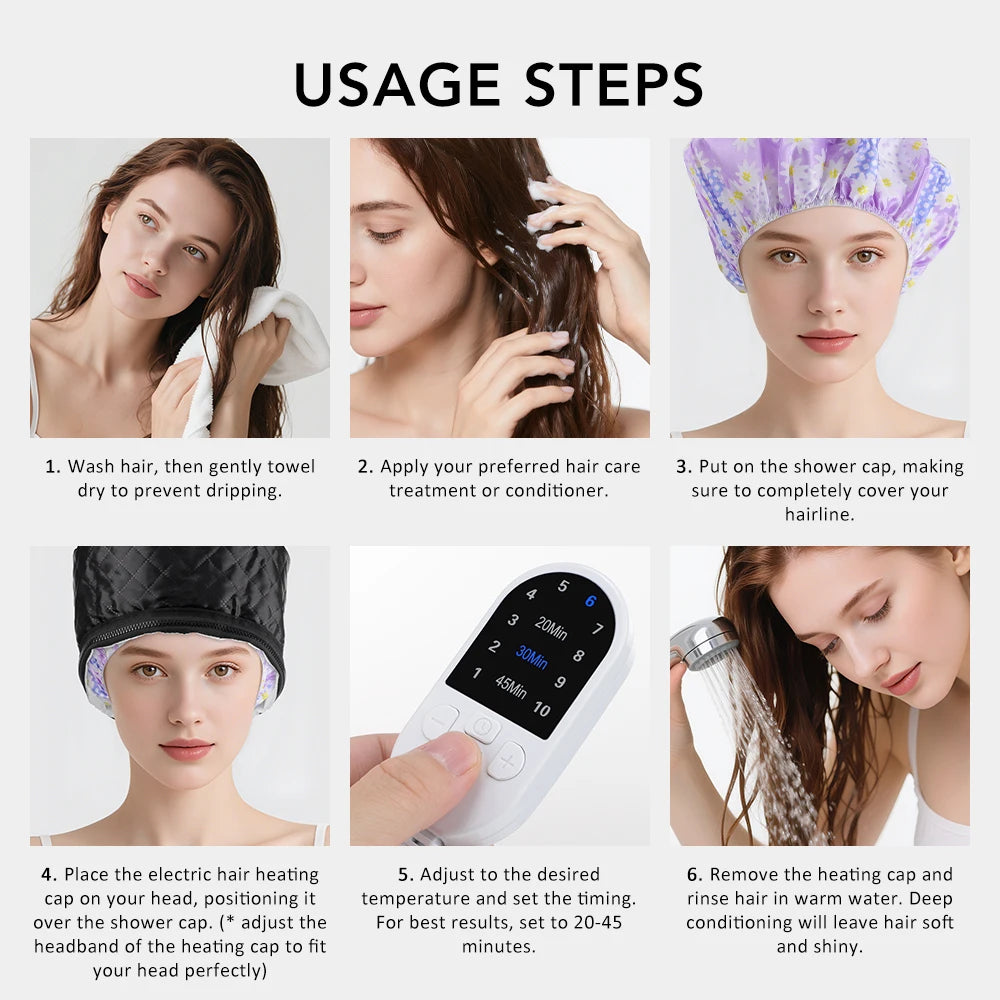
Step 3 – Hair steaming at home (methods & timing)
For gentle warmth, you can use a warm, damp towel or a dedicated tool such as the hair steamer cap for approximately 10–15 minutes, following the product's instructions.
Keep the temperature comfortable and avoid exposing the scalp or hair to excessive heat. If you feel burning, discomfort, or irritation, stop the treatment and allow the hair and scalp to cool.
Step 4 – Apply hair mask (DIY & store options)
Apply a suitable hair mask from the mid-lengths to the ends unless the product specifically indicates that it is suitable for the scalp. Work in sections to distribute the treatment evenly.
You can use a homemade hair spa treatment or a store-bought mask. Store-bought formulas are often easier to standardize, while DIY options allow you to choose simple ingredients based on your preferences.
Step 5 – Shampoo and condition correctly
Rinse the treatment thoroughly with lukewarm water. If oil or product residue remains, use a mild shampoo as needed rather than repeatedly scrubbing the hair.
Follow with conditioner, focusing on the lengths and ends. This step helps improve slip, reduce tangling, and leave the hair feeling smoother after rinsing.
Step 6 – Serum and post-spa care
Gently squeeze out excess water and avoid rough towel rubbing. Detangle carefully and allow the hair to dry naturally when practical.
Once the hair is damp or dry, depending on the product instructions, apply a small amount of lightweight serum or leave-in product if needed. Avoid immediately following the routine with high-heat styling unless necessary.
Quick treatment timeline
| Stage | Approximate time |
|---|---|
| Detangling and sectioning | 5 minutes |
| Oil massage | 5–10 minutes |
| Gentle steaming or warmth | 10–15 minutes |
| Hair mask | 10–20 minutes |
| Rinse, shampoo, and condition | 10–15 minutes |
| Post-spa care | 5 minutes |
A complete home hair spa routine commonly takes about 30–60 minutes, depending on the treatment and your hair length and thickness.
Homemade hair steaming treatment improves deep conditioning See it in action
DIY Hair Spa at Home (Natural Recipes by Hair Type)
A DIY hair spa at home can be customized according to your hair's texture and current condition. Before using any homemade mixture, consider whether the ingredients are suitable for you and patch-test topical ingredients when appropriate. Avoid applying ingredients that cause irritation or discomfort.
Hair spa routine for dry hair
For dry-feeling hair, a simple conditioning blend can combine 2 tablespoons of coconut oil, 1 tablespoon of honey, and 1 mashed avocado. Apply a small amount through the lengths and ends, leave it on for around 15–20 minutes, and rinse thoroughly.
This type of homemade hair spa treatment is intended to improve softness and conditioning. If the mixture is difficult to rinse, reduce the amount used rather than repeatedly shampooing the hair.
Hair spa for oily scalp
For an oily scalp, avoid heavy oiling and rich products directly on the roots if they make the scalp feel greasy. A lighter conditioning treatment can be applied primarily to the lengths and ends.
A yogurt-based mixture may be used as a simple DIY option, but lemon juice can irritate sensitive skin and is not essential for an effective routine. For oily hair, the most important adjustment is often using less product and rinsing thoroughly.
Hair spa for damaged or frizzy hair
For damaged or frizzy hair, focus on gentle conditioning and minimizing friction. A mixture such as 1 egg with 2 tablespoons of olive oil may be used as a homemade treatment, but rinse with cool-to-lukewarm water rather than hot water to avoid making the egg difficult to remove.
Because severely damaged hair cannot be permanently restored by a home mask, regular gentle handling, conditioning, and reduced heat exposure are important parts of a frizzy hair care routine.
Hair spa for curly and color-treated hair
Curly hair often benefits from routines that prioritize moisture, slip, and gentle detangling. Apply treatments in sections and avoid aggressive brushing, especially when the hair is dry and prone to breakage.
For color-treated hair, choose products formulated for treated hair when possible and avoid excessive heat. A gentle home hair spa can support softness and manageability, but it cannot prevent all color fading or reverse chemical damage.
Salon Hair Spa vs Hair Spa at Home
Both professional and at-home treatments can support smoother-feeling hair, but they differ in convenience, personalization, and cost.
Key differences
| Factor | Hair spa at home | Salon hair spa |
|---|---|---|
| Cost | Usually lower after purchasing products and tools | Higher cost per session |
| Convenience | Can be done on your own schedule | Requires an appointment or travel |
| Customization | You choose the products and routine | A professional may customize the service |
| Consistency | Easy to repeat regularly | Depends on budget and availability |
| Best for | Routine maintenance and home care | Professional assessment or specialized treatments |
When to choose professional treatment
A salon treatment may be preferable if you want professional advice about a significant hair concern, need a specialized chemical or restorative service, or are unsure how to manage a major change in your hair's condition.
For routine hydration and manageability, a consistent home hair spa can be a practical alternative. The most realistic expectation is improved feel and appearance rather than permanent repair of severely damaged hair.
Common Mistakes That Block Results
Over-oiling
Using too much oil can make the hair difficult to rinse and may encourage excessive shampooing. Start with a small amount and add more only if necessary.
Using excessive heat
More heat does not automatically mean better absorption. Use comfortable, controlled warmth and stop if the scalp feels hot, painful, or irritated.
Skipping conditioner
A mask is not always a substitute for conditioner. Conditioning after shampooing can improve slip and help the hair feel smoother and easier to detangle.
Choosing the wrong treatment frequency
Doing rich treatments too often can contribute to buildup or leave some hair feeling heavy. Adjust the frequency based on how your hair responds rather than following an aggressive schedule.
Who Benefits Most from a Hair Spa at Home?
Dry hair
People with dry-feeling hair may benefit from regular conditioning-focused routines that improve softness and reduce the rough feel of the lengths and ends.
Oily scalp
Oily hair can still benefit from a home hair spa, but the routine should be lighter. Avoid over-oiling the scalp, use products selectively, and rinse thoroughly to reduce buildup.
Frizzy hair
Frizzy hair may feel more manageable after a routine that combines conditioning, gentle detangling, and reduced friction. Consistency and careful handling matter as much as the treatment itself.
Color-treated hair
Color-treated hair may benefit from gentle conditioning and reduced heat exposure. Use products compatible with your color-care routine and avoid assuming that a home spa can reverse chemical damage.
For broader routines, explore insights in the Beauty & Self-Care Blog and Hair, Skin & Nai Blog .

Hair spa at home results support confidence and shine See it in action
How Often Should You Do a Hair Spa at Home?
For many hair types, a hair spa at home every 1–2 weeks is a reasonable starting point. The best frequency depends on how quickly your hair becomes dry, oily, weighed down, or prone to buildup.
Weekly schedule by hair type
- Dry or damaged hair: approximately once a week if the hair responds well to the treatment
- Normal hair: approximately every 2 weeks
- Oily hair or scalp: approximately every 2–3 weeks, using lighter products
- Curly or highly textured hair: adjust based on moisture needs and product buildup
- Color-treated hair: follow a gentle schedule that supports conditioning without excessive heat
Monthly maintenance plan
A simple monthly plan might include two to four conditioning-focused sessions, depending on your hair type. Use a lighter routine when your hair feels balanced and a more intensive treatment when dryness or roughness increases.
Seasonal changes may also affect how often you need extra conditioning. Dry weather, frequent swimming, heat styling, and environmental exposure can all change how your hair feels.
Consistency matters more than frequency. A moderate routine that you can maintain is generally more useful than occasional intensive treatments.
Get yours now — limited stock!
Tools and Products Needed for a Home Hair Spa
Essential tools
- Wide-tooth comb or gentle detangling tool
- Hair clips for sectioning
- Soft towel or suitable hair-warming tool
- Shampoo and conditioner suited to your hair type
Choosing oils
Choose an oil based on how your hair and scalp respond. Lightweight application is usually easier to manage than saturating the hair. If your scalp is oily or sensitive, consider applying oil mainly to the lengths and ends.
Choosing masks
Look for a mask that matches your primary concern, such as dryness, frizz, or a need for improved manageability. A product that leaves the hair heavy or difficult to rinse may not be the right choice for your routine.
Optional extras
A dedicated hair steamer cap can make the warming stage more consistent and convenient. A lightweight serum or leave-in conditioner can also be useful for post-spa smoothing.
Mini FAQ
What is a hair spa at home?
A hair spa at home is a structured routine that combines steps such as detangling, conditioning, massage, optional gentle warmth, rinsing, and post-wash care to improve the softness, shine, and manageability of the hair.
How to do hair spa at home step by step?
Start by gently detangling and sectioning the hair. Apply a suitable oil if desired, massage gently, use comfortable warmth or steam, apply a hair mask, rinse thoroughly, shampoo if needed, condition, and finish with gentle post-spa care.
How often should you do hair spa at home?
Many people can start with a hair spa every 1–2 weeks. Dry hair may benefit from weekly sessions, while oily or easily weighed-down hair may need a less frequent routine.
Can I do a hair spa at home without steaming?
Yes. Steaming is optional. A warm towel or no added heat can still be part of an effective conditioning routine, especially when you use a suitable mask and allow adequate contact time.
Which homemade hair spa treatment is best for dry hair?
A simple conditioning treatment using ingredients such as avocado, honey, or a suitable oil may help dry-feeling hair feel softer. Use a manageable amount and rinse thoroughly.
Can oily hair benefit from a home hair spa routine?
Yes. Oily hair can benefit from conditioning, but use lighter products, avoid excessive oil on the scalp, and adjust the routine to reduce buildup.
Is a hair spa safe for color-treated hair?
A gentle home hair spa can generally be part of a color-treated hair routine when you avoid excessive heat and use products compatible with your hair. It cannot reverse chemical damage or guarantee that color will not fade.
How long does a home hair spa routine take?
A complete home hair spa routine usually takes about 30–60 minutes, depending on the time spent on massage, steaming, masking, washing, and post-spa care.
Related Guide: How to Deep Condition Hair Step by Step at Home













