

Does a Trigger Point Massage Roller Really Work?
A trigger point massage roller works by applying focused pressure to tight muscle knots (trigger points), helping release tension, improve circulation, and support faster recovery. This self-myofascial release technique can reduce soreness, improve range of motion, and complement stretching or professional massage therapy. Most people notice the best trigger point therapy roller results when they use the tool consistently for 5–10 minutes several times per week.
It is especially useful for athletes, office workers, fitness enthusiasts, and anyone experiencing recurring muscle tightness in the back, shoulders, hips, or legs. While it does not replace medical treatment for injuries, it is an effective at-home recovery tool for everyday muscle maintenance.
Trigger Point Massage Roller: Best Tools, Benefits, and Real Results After Daily Use
⏱ 6 min read
Dealing with tight shoulders, sore legs, or lingering muscle knots? A trigger point massage roller offers a simple, effective way to relieve tension at home. With just a few minutes of daily use, many users experience noticeable improvements in flexibility, comfort, and recovery while avoiding frequent massage appointments.
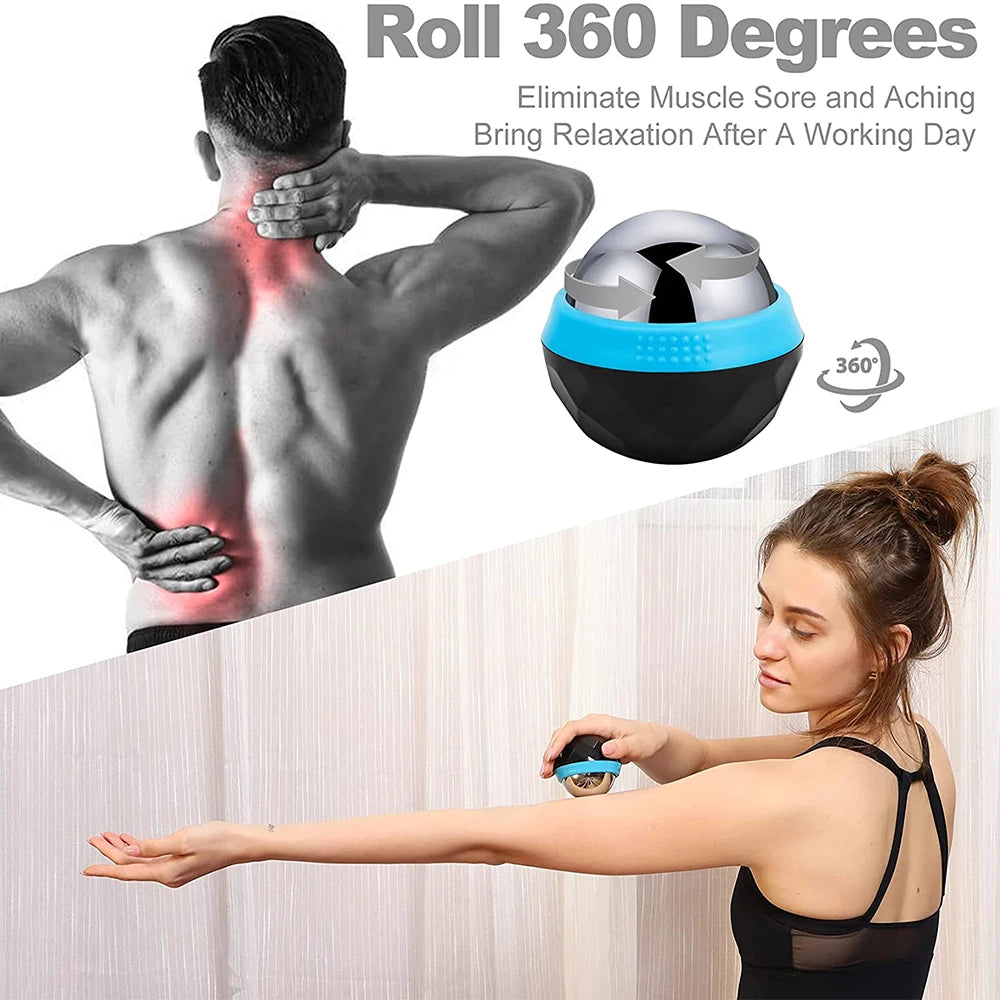
Trigger point massage roller tool targeting muscle knots — See it in action
Quick Comparison Table: Best Trigger Point Massage Rollers at a Glance
| Roller Type | Best For | Firmness | Texture | Portability |
|---|---|---|---|---|
| Textured Trigger Point Roller | Deep muscle knots | High | Aggressive | Medium |
| Smooth Massage Roller | Beginners | Medium | Smooth | Medium |
| Travel Roller | Gym and travel | Medium | Moderate | Excellent |
| Long Body Roller | Back and legs | Medium-High | Moderate | Lower |
This quick overview makes it easier to compare the best roller for muscle knots based on your recovery goals, preferred pressure level, and portability needs.
Best Trigger Point Massage Rollers for Different Needs (2026 Guide)
Best Overall Trigger Point Roller
The best overall trigger point massage roller balances firmness, durability, grip, and comfort. It delivers effective myofascial release across multiple muscle groups while remaining comfortable enough for regular use. It is an excellent choice for most users seeking daily recovery.
Best for Deep Tissue Release
A deep tissue massage roller tool features firm materials and aggressive textures designed to penetrate tight muscle layers. Athletes, weightlifters, and people with stubborn muscle knots often benefit from its focused pressure.
Pros:
Excellent pressure, durable, highly effective on chronic tightness.
Cons:
May feel intense for beginners.
Best for Back Pain Relief
A massage roller for back pain relief typically uses a longer frame with moderate firmness, allowing more even pressure across the upper and lower back without excessive discomfort.
Best for Beginners
New users often benefit from a medium-density roller with a smoother surface. It allows muscles to adapt gradually while still improving circulation and flexibility.
Best Compact / Travel Roller
Compact rollers are lightweight, portable, and ideal for gym bags, office desks, or travel. Despite their smaller size, they remain effective for calves, forearms, feet, and shoulders.
Best Budget Option
Affordable non electric muscle massage tools provide impressive value for users exploring trigger point therapy without investing in more expensive recovery equipment.
Best for Athletes
Competitive athletes often prefer firmer rollers capable of targeting deep tissue after intense training sessions. These models help support mobility, reduce delayed onset muscle soreness (DOMS), and prepare muscles for future workouts.
How We Tested and Selected These Rollers
Our recommendations emphasize everyday usability instead of marketing claims. We evaluated popular roller styles using practical recovery scenarios including post-workout soreness, office-related muscle tension, and flexibility routines.
Firmness and Density
We compared soft, medium, and high-density rollers to determine which delivered effective pressure while remaining comfortable for repeated use.
Different surface patterns influence how precisely pressure reaches trigger points. Textured designs generally provide more targeted stimulation, while smooth rollers distribute pressure more evenly.
Durability and Materials
High-density foam and reinforced composite materials maintained their shape better after repeated use and offered more consistent performance over time.
Target Muscle Groups
We considered how well each roller performed on common problem areas including the calves, hamstrings, quadriceps, glutes, shoulders, upper back, and lower back.
Trigger Point Massage Roller Benefits (Backed by Daily Use Results)
Immediate Relief After Use
Using a trigger point massage roller helps release tight muscle fibers by applying focused pressure to trigger points. Many users report immediate reductions in muscle tightness, better flexibility, improved blood flow, and less post-exercise discomfort after only a few minutes.
Long-Term Muscle Recovery Benefits
With consistent daily use, a myofascial release roller tool supports healthier movement patterns, improves circulation, reduces chronic muscle tightness, and may decrease recovery time after workouts. Over weeks of regular use, many users experience greater mobility and fewer recurring muscle knots.
How to Use a Massage Roller for Muscle Knots (Step-by-Step Guide)
Basic Technique for Beginners
- Place the roller beneath the targeted muscle group.
- Use body weight to apply gradual pressure.
- Roll slowly at approximately one inch per second.
- Pause over tender trigger points for 20–30 seconds while breathing normally.
- Spend 30–90 seconds on each muscle group before moving to the next area.
Targeting Common Problem Areas (Back, Legs, Shoulders)
For back pain relief, move slowly along the muscles beside the spine instead of rolling directly over the vertebrae. For the legs, focus on calves, hamstrings, quadriceps, and IT band region. For shoulders and upper back, use slow, controlled movements to reduce tension around the trapezius muscles.
Mistakes to Avoid
- Rolling too quickly over trigger points
- Applying excessive pressure before muscles warm up
- Holding your breath during treatment
- Ignoring pain that feels sharp rather than muscular
- Using inconsistent recovery routines
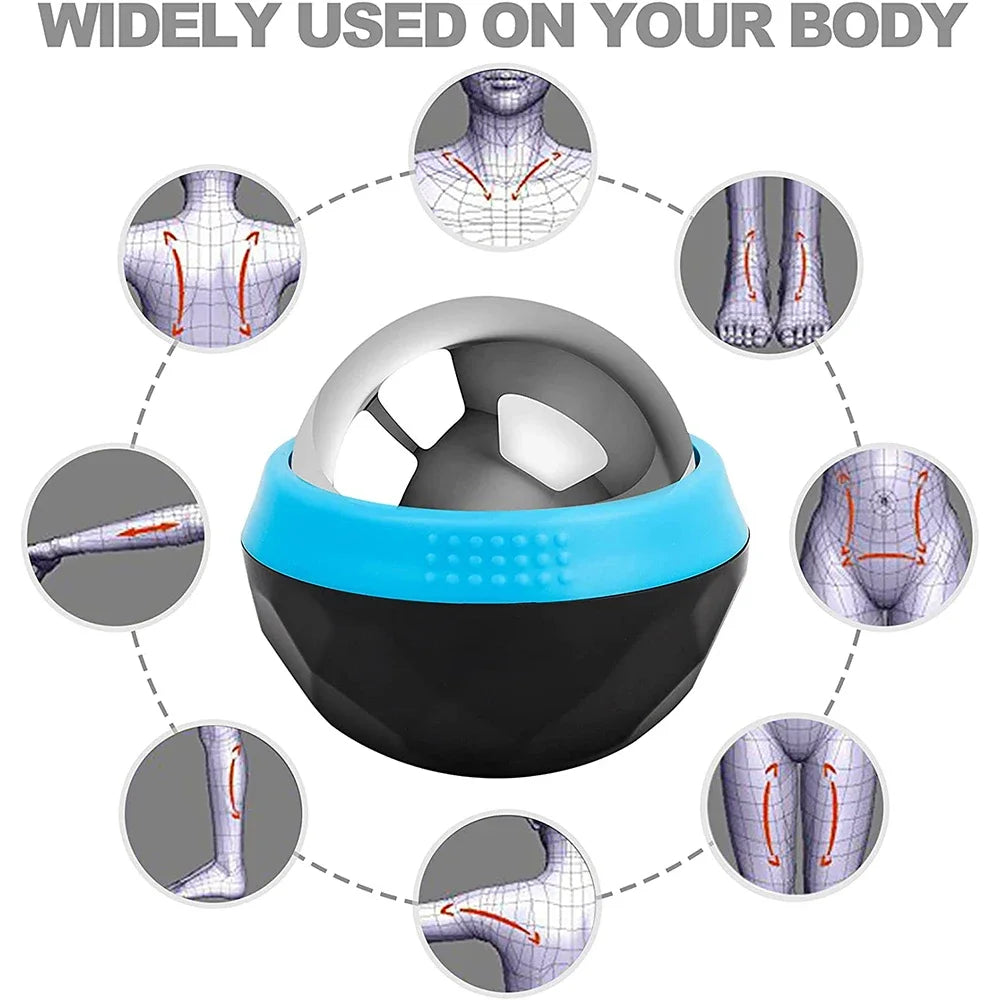
Non electric massage therapy tool for daily muscle recovery — See it in action
Trigger Point Roller vs Other Recovery Tools
Foam Roller vs Trigger Point Roller
A trigger point roller delivers firmer, more targeted pressure for stubborn muscle knots. Foam rollers distribute pressure across larger muscle groups, making them better suited for general warm-ups and recovery.
Massage Ball vs Trigger Point Roller
Massage balls excel at reaching very small muscles such as the feet, hips, and shoulders. Trigger point rollers are more efficient for larger muscle groups and full-body recovery sessions.
Percussion Massage Gun vs Roller
Massage guns provide rapid vibration with minimal effort, while rollers rely on body weight for controlled pressure. Rollers are quieter, require no batteries, and generally cost less, making them an excellent long-term recovery investment.
How to Choose the Best Roller for Muscle Knots
Surface Texture and Pressure Level
Textured rollers offer deeper trigger point stimulation, while smooth rollers provide gentler pressure. Match the firmness to your pain tolerance, training intensity, and recovery goals.
Material and Durability
Choose high-density foam or reinforced plastic construction that maintains its shape after repeated use.
Size and Portability
Longer rollers work well for the back and legs, while compact models are ideal for travel, gym sessions, and targeted muscle treatment.
Choose by Activity and Pain Area
Runners often benefit from compact rollers for calves and hamstrings. Office workers may prefer medium-density rollers for the upper back and shoulders, while strength athletes generally benefit from firmer rollers designed for deep tissue release.
Who Should and Shouldn't Use a Trigger Point Massage Roller
When It Helps
Trigger point massage rollers are well suited for post-workout recovery, prolonged sitting, repetitive strain, mild muscle tightness, and improving flexibility as part of a regular mobility routine.
When to Avoid
Avoid rolling directly over fresh injuries, fractures, severe bruising, inflamed joints, open wounds, or areas with suspected blood clots. Consult a healthcare professional if you have underlying medical conditions or persistent pain.
Safety Tips
- Start with moderate pressure.
- Stop if you experience sharp or radiating pain.
- Stay hydrated after recovery sessions.
- Combine rolling with stretching and strength exercises for better long-term results.
Real User Results and Trigger Point Therapy Outcomes
Short-Term Expectations
Many users report reduced muscle soreness, improved circulation, and better flexibility after the first few sessions. Temporary tenderness is normal when treating tight muscles.
- Less shoulder and back tension within several days
- Improved workout recovery
- Better comfort during everyday movement
Long-Term Recovery Progress
Users who stay consistent for several weeks often notice fewer recurring muscle knots, improved mobility, and reduced dependence on professional massage therapy. Results vary depending on activity level, overall mobility, and consistency.
Many users enhance results by combining rolling with routines from the Beauty & Self-Care Blog .
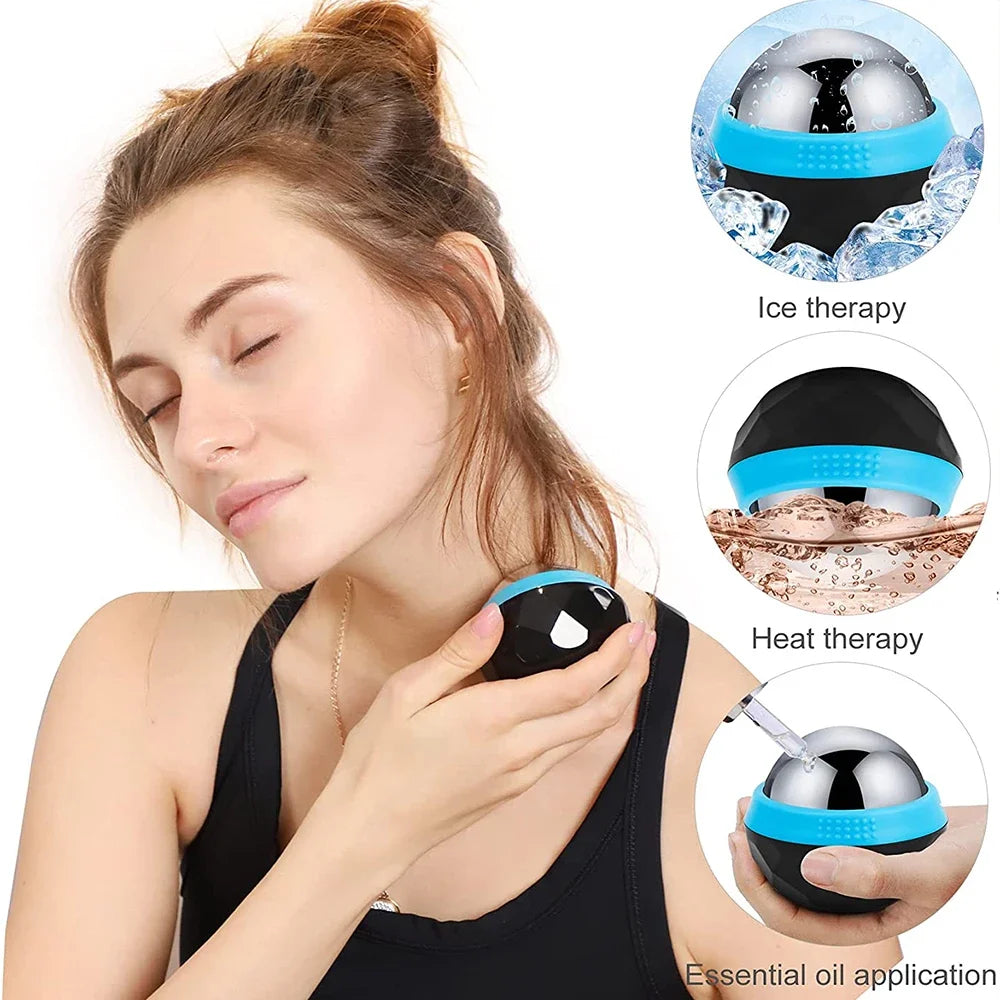
Trigger point massage roller tool for long-term muscle comfort — See it in action
Final Verdict: Is a Trigger Point Massage Roller Worth It?
A trigger point massage roller remains one of the most affordable and effective recovery tools for relieving muscle knots, improving mobility, and supporting daily recovery. Whether you're recovering from workouts, managing office-related muscle tension, or simply looking to move more comfortably, the right roller provides lasting value when used consistently.
For most users, investing in a quality trigger point massage roller is significantly less expensive than ongoing massage appointments while delivering meaningful long-term recovery benefits.
Frequently Asked Questions
How often should I use a trigger point massage roller tool?
Most users benefit from sessions lasting 5–10 minutes per muscle group, three to seven days per week depending on training intensity and recovery needs.
Can I use a trigger point roller every day?
Yes. Daily use is appropriate for most healthy individuals provided you avoid excessive pressure and allow particularly sore muscles adequate recovery.
Which roller is best for back pain?
A medium-firm roller with a longer design provides better pressure distribution across the muscles of the upper and lower back.
Is it safe for sensitive muscles?
Yes. Begin with gentle pressure, shorter sessions, and gradually increase intensity as your muscles adapt.
Does it replace professional massage?
No. A trigger point roller complements professional massage by helping maintain muscle mobility and reducing tension between appointments.
What is the difference between a trigger point roller and a foam roller?
Trigger point rollers provide firmer, more precise pressure for muscle knots, while foam rollers offer broader, gentler pressure for overall muscle recovery.
How firm should a trigger point massage roller be?
Beginners typically do well with medium firmness, while experienced users and athletes often prefer firmer rollers capable of reaching deeper muscle layers.
Who benefits most from this tool?
People with recurring muscle tightness, athletes, office workers, active adults, and anyone seeking an affordable home recovery solution are likely to benefit.
Related Guide: Post Workout Muscle Soreness Relief Honest Brand Review













