

Do massage tools for knots really work?
Massage tools for knots can help reduce muscle tension by applying controlled pressure to sensitive areas known as trigger points. When used correctly, trigger point massage tools may improve comfort, support circulation, and help relax tight muscle fibers caused by exercise, repetitive movement, stress, or poor posture.
How trigger point massage tools release muscle knots
Trigger point massage tools work by applying focused pressure to areas of muscle tightness. This pressure encourages relaxation of contracted muscle fibers, improves awareness of tension patterns, and supports myofascial release techniques. Tools such as massage balls, canes, and rollers make it easier to reach specific areas and maintain consistent pressure compared with using your hands alone.
When tools work vs when they don't
Massage tools for knots are most useful for everyday muscle tension, workout recovery, stiffness from prolonged sitting, and mild discomfort related to overworked muscles. They are not a replacement for professional evaluation when pain is severe, persistent, caused by injury, or associated with symptoms such as numbness, weakness, or other concerning changes.
Who benefits most from self-massage tools
Self-massage tools are especially helpful for people who want convenient muscle maintenance at home. Athletes, desk workers, travelers, and anyone experiencing recurring tightness can benefit from adding a consistent recovery routine with the right tool for their needs.
Massage Tools for Knots: Best Tools for Muscle Knot Relief Compared
Massage tools for knots provide a practical way to target stubborn muscle tension without relying only on professional appointments. From precision trigger point tools to full-body myofascial release equipment, the right option depends on where your knots appear, how much pressure you need, and how often you plan to use it. This guide compares the best tools for muscle knots so you can choose a solution that fits your recovery routine.
⏱ 7 min read
Have you ever stretched, rested, or changed your routine but still felt the same tight spots returning? Muscle knots often require targeted pressure rather than general movement alone. The right massage tools for knots can help you manage recurring tension with better control, comfort, and consistency.
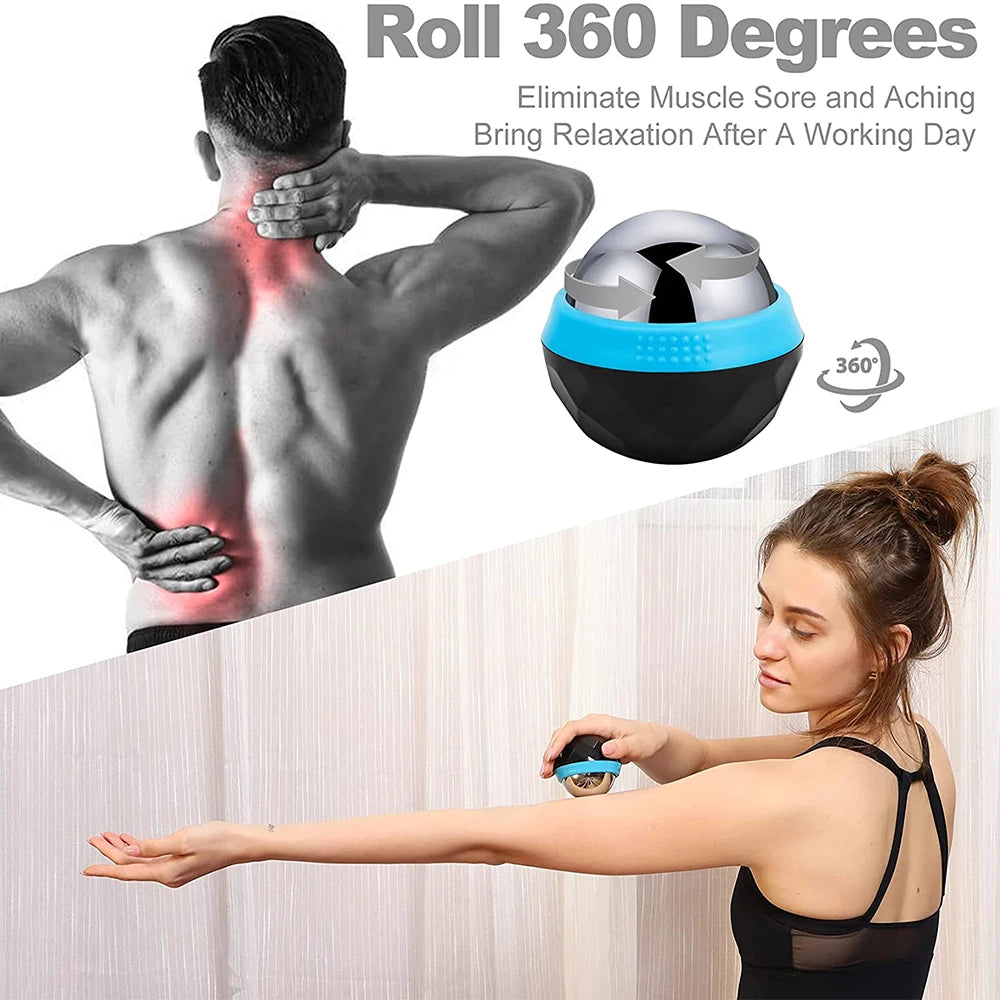
Trigger point massage tools for deep muscle knot relief See it in action
What Are Muscle Knots and Why Do They Form?
Muscle knots, commonly called trigger points, are areas of increased muscle sensitivity and tension that may feel like tight bands or small tender spots. They often develop when muscles remain contracted, overloaded, or stressed for extended periods.
Trigger point vs knot: what's the difference?
The terms “trigger point” and “muscle knot” are often used together, but they describe slightly different concepts. A trigger point is a specific sensitive location within muscle tissue that may create discomfort when pressed. A knot is the common term people use to describe the feeling of tightness or a hardened area in a muscle.
Understanding the difference helps you choose the right tools for muscle knots. A precision tool may be better for a small trigger point, while broader tools can support general muscle relaxation.
Common causes of recurring muscle knots
- Poor posture, especially during long periods of desk work
- Repeated movements from work, hobbies, or exercise
- Insufficient recovery after physical activity
- Stress-related muscle tension
- Limited mobility and prolonged sitting
- Sudden increases in workout intensity
When not to massage a knot and seek medical care
Massage tools should not be used aggressively over areas with unexplained swelling, acute injury, significant pain, or symptoms that may involve nerves. If discomfort continues or affects normal movement, professional guidance may be appropriate.
Best Massage Tools for Knots (Ranked by Use Case)
1. Best massage ball for pinpoint trigger points
Massage balls are among the best tools for rolling out muscle knots because they provide focused pressure on small areas. They work well for shoulders, feet, hips, and upper back areas where precision matters.
The main advantage of a massage ball is control. You can adjust pressure easily by changing your body position, making it suitable for beginners and experienced users.
Many users prefer cold therapy options after intense activity, such as the Ice Massage Roller Ball , which combines rolling massage with cooling comfort.
2. Best trigger point cane for back and shoulders
Trigger point canes are designed for hard-to-reach areas, especially the upper back, shoulders, and neck. Their curved shape allows users to apply pressure without needing another person to help.
The limitation is that beginners may need time to learn proper pressure control. Too much force can create unnecessary discomfort.
3. Best foam roller for large muscle groups
Foam rollers are ideal for larger muscle areas such as thighs, calves, glutes, and the back. They provide broader myofascial release rather than pinpoint pressure.
They are excellent for warm-ups, recovery routines, and people who experience widespread stiffness instead of isolated knots.
4. Best massage stick for legs and recovery
Massage sticks are portable tools that work especially well on calves, hamstrings, and thighs. They are easy to carry and useful for quick recovery sessions before or after physical activity.
5. Best myofascial release tool for deep tissue
Myofascial release tools are designed for users who need targeted pressure and deeper muscle work. They can be useful for experienced users who understand how to apply gradual pressure safely.
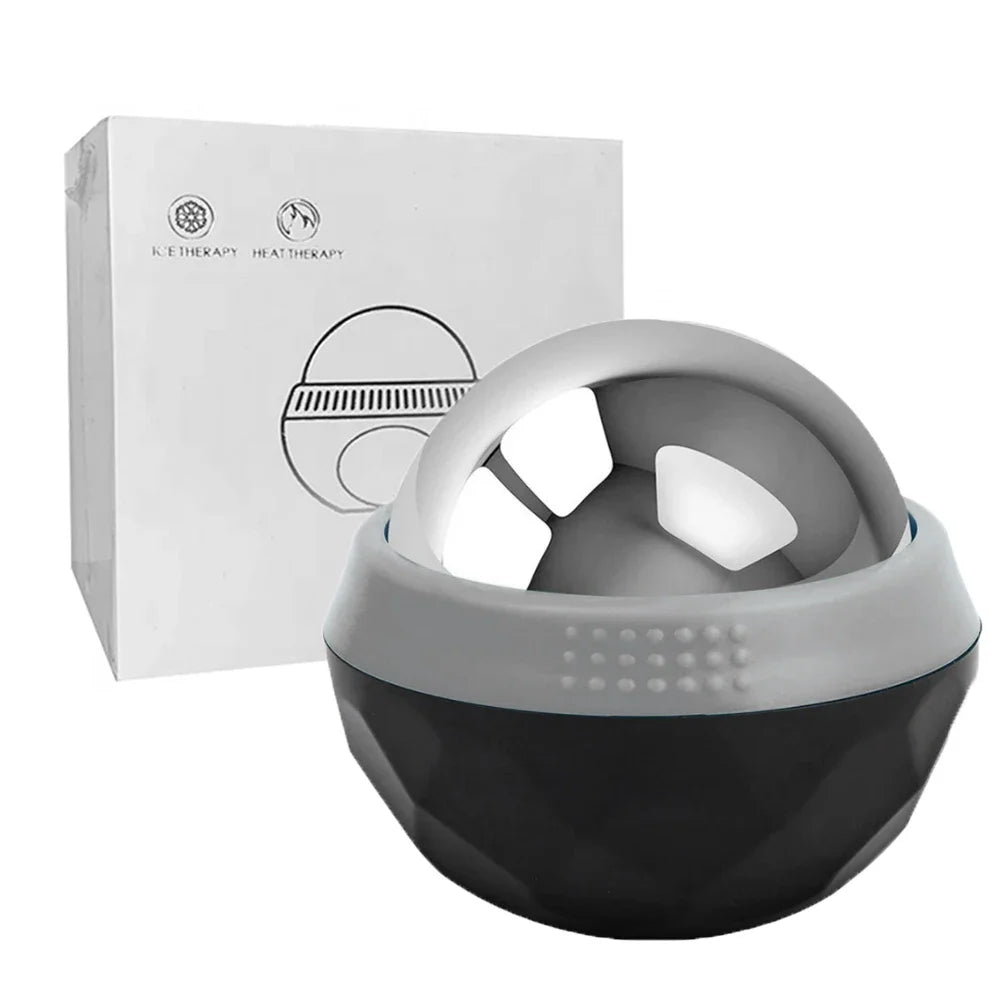
Comparing myofascial release massage equipment for muscle knot relief See it in action
Massage Ball vs Massage Gun vs Foam Roller vs Hook Cane
| Tool Type | Best For | Pressure Control | Portability |
|---|---|---|---|
| Massage Ball | Small trigger points and precise knots | High | High |
| Massage Gun | Fast muscle stimulation and larger areas | Medium to High | Medium |
| Foam Roller | Large muscle groups and mobility work | Medium | Low |
| Hook Cane | Back, shoulders, and hard-to-reach knots | High | Medium |
How to Choose the Best Tool for Muscle Knots
By muscle group
Choose massage balls for small targeted areas, foam rollers for larger muscles, and canes for areas that are difficult to reach, such as the upper back and shoulders.
By knot depth and pain intensity
Dense tools provide stronger pressure, but beginners should start gradually. Sensitive areas often respond better to softer options before progressing to deeper pressure tools.
By material and firmness
Firm materials provide stronger stimulation, while softer materials offer a more comfortable experience for beginners. The best tool is one you can use consistently without excessive discomfort.
By portability and ergonomics
Compact massage balls and sticks work well for travel, while larger rollers are better suited for home recovery routines.
How to Use Massage Tools for Knots Safely and Effectively
Step-by-step trigger point release method
- Locate the area of muscle tension or sensitivity.
- Apply gentle, controlled pressure with your chosen tool.
- Hold pressure while allowing the muscle to relax.
- Release slowly and repeat if comfortable.
- Finish with light stretching or mobility movements.
How long to apply pressure
Many people use sustained pressure for around 20–60 seconds per area. Avoid forcing a painful sensation. Controlled pressure that gradually decreases is usually more useful than aggressive pressing.
Common mistakes to avoid
- Using excessive pressure immediately
- Rolling too quickly without control
- Ignoring sharp or unusual pain
- Using tools only when discomfort becomes severe
Why Muscle Knots Keep Coming Back (And How to Prevent Them)
Massage tools for knots can provide temporary relief, but recurring tension often requires addressing daily habits that contribute to muscle stress.
Stretching and mobility
Regular mobility exercises can help maintain comfortable movement patterns and reduce stiffness caused by inactivity.
Hydration and recovery
Supporting recovery with adequate hydration, rest, and balanced activity levels helps muscles handle daily demands.
Posture and movement habits
Frequent movement breaks, ergonomic adjustments, and better posture habits can reduce repeated strain from sitting or repetitive tasks.
Best Massage Tool by Body Area
Neck and upper traps
Gentle massage balls or ergonomic trigger point tools can help target common tension areas around the neck and upper shoulders. Avoid excessive pressure around sensitive structures.
Shoulders and upper back
Trigger point canes are often useful because they allow controlled pressure without requiring assistance. Massage balls can also work well for smaller tight spots.
Lower back and glutes
Massage balls and foam rollers can support recovery in larger muscle areas. Use gradual pressure and avoid directly pressing on the spine.
Calves and feet
Massage balls and sticks are practical choices for calves and feet because they provide targeted pressure after walking, training, or standing for long periods.
Many readers explore recovery tools alongside wellness items found in Body Care and Health Devices for a more complete routine.
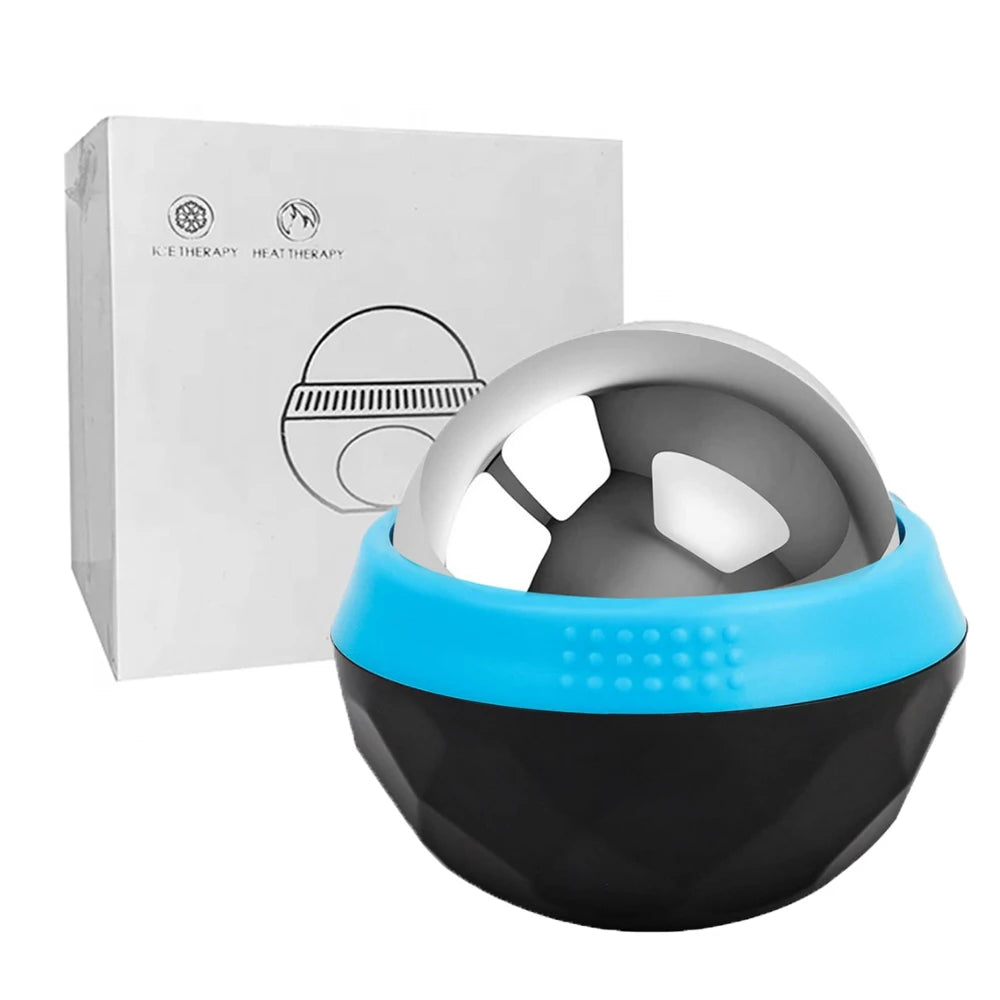
Non electric massage therapy tool for daily muscle knot relief See it in action
Frequently Asked Questions
How often should I use massage tools for knots?
Many people use massage tools several times per week or for short daily sessions depending on comfort, activity level, and recovery needs.
Are non electric massage therapy tools effective?
Yes, non electric massage therapy tools can be effective for targeted self-massage when used with proper pressure and technique. They provide control without requiring batteries or charging.
Can these tools replace professional massage?
Massage tools are useful for maintenance and everyday muscle tension, but they do not replace professional care for complex, severe, or persistent issues.
What is the best tool for muscle knots in the back?
A trigger point cane is often one of the most practical choices because it helps users reach back and shoulder areas while controlling pressure.
Should massage tools hurt to be effective?
No. Effective self-massage should feel like controlled pressure, not sharp or unbearable pain.
Which massage tool is best for deep muscle knots?
Dense massage balls, trigger point canes, and specialized myofascial release tools are commonly chosen for deeper targeted pressure.
Can massage tools make knots worse?
Using excessive pressure or aggressive techniques can increase irritation. Start slowly and adjust based on how your body responds.
Related Guide: Cold Versus Heat Therapy Compared for Faster Muscle Relief













