

⏱ 7 min read
Upper Back Pain Relief: Causes, Fixes, and What Actually Works
Upper back pain relief starts with understanding what is causing your discomfort. For many people, muscle tension, prolonged sitting, poor posture, repetitive movements, or everyday stress are the main contributors. The right treatment can often ease symptoms within minutes, while lasting improvement usually comes from combining movement, strengthening exercises, and healthier daily habits. If your pain follows a significant injury, is accompanied by numbness or weakness, or continues to worsen despite self-care, seek medical evaluation promptly.
Why Does My Upper Back Feel Stiff? Common Causes Explained
Upper back stiffness is most often related to muscles, joints, and posture rather than a serious spinal condition. Identifying the underlying cause helps you choose the most effective treatment instead of relying on temporary symptom relief. While many cases improve with movement, heat, and stretching, persistent or unexplained pain deserves professional evaluation.
Poor posture and prolonged sitting
One of the most common causes of upper back pain from sitting is maintaining the same posture for hours. Slouching or leaning toward a computer places extra stress on the muscles between your shoulder blades, leading to tightness, fatigue, and reduced mobility. Regular movement breaks and an ergonomic workstation can help prevent symptoms from returning.
Sports, lifting, household chores, or repetitive work can overload the muscles that stabilize the shoulders and upper spine. Mild strains typically improve over several days with relative rest, gentle movement, and gradual return to normal activity.
Stress, tension, and muscle guarding
Emotional stress often causes people to unconsciously elevate their shoulders or tighten their neck and upper back muscles. Over time, this constant muscle guarding may create persistent stiffness, tenderness, and tension headaches.
Sedentary lifestyle and weak postural muscles
Weak upper back, shoulder, and core muscles make it harder to maintain good posture throughout the day. As these muscles fatigue, surrounding tissues compensate, increasing the likelihood of recurring stiffness and discomfort.
Less common causes that need medical attention
Although muscular causes are most common, severe pain after an injury, numbness, weakness, fever, unexplained weight loss, chest pain, or symptoms that continue to worsen should be evaluated by a healthcare professional instead of treated solely with home remedies.
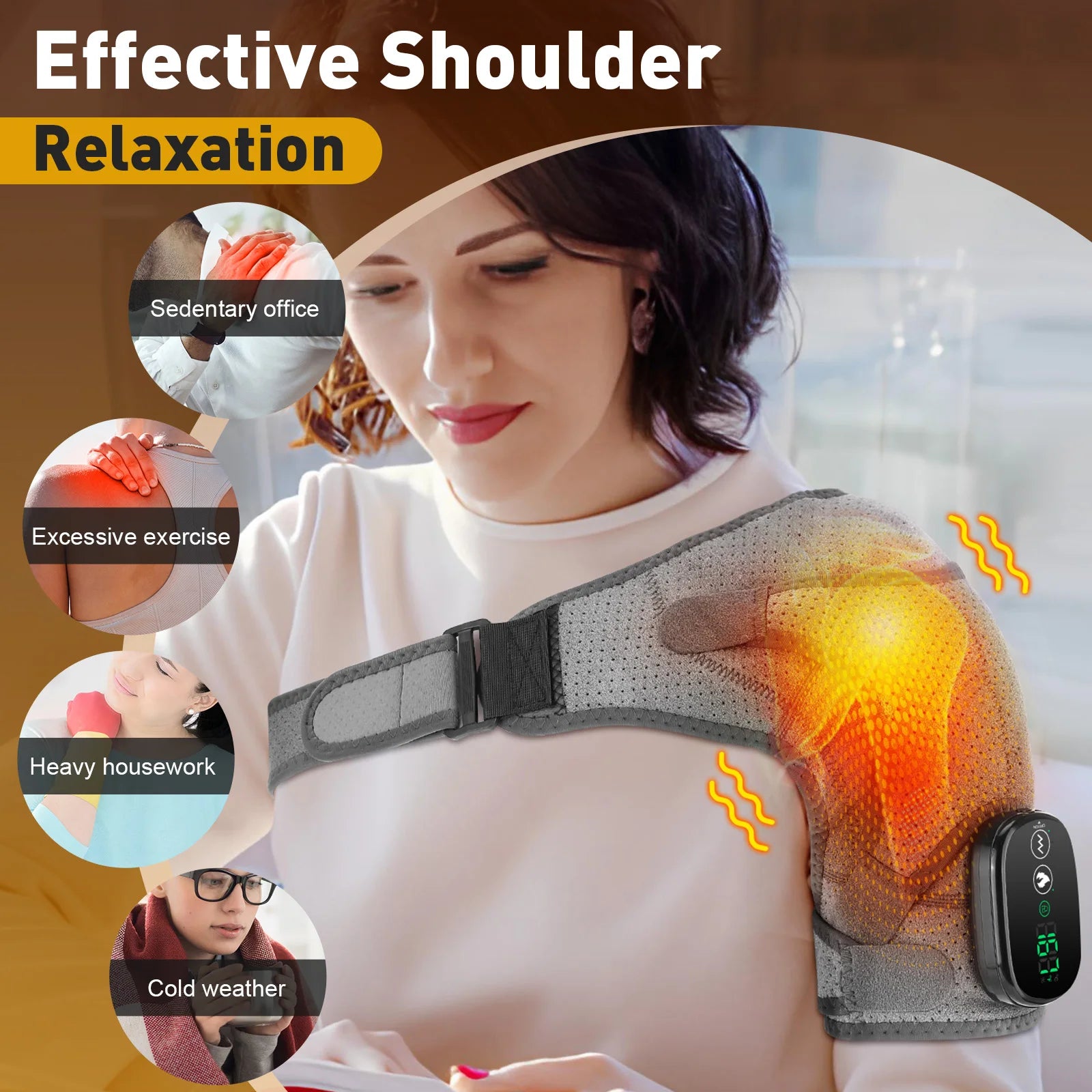
Upper back stiffness relief at home — See it in action
Upper Back Pain Causes and Treatment: Matching the Right Relief to the Cause
Not every type of upper back pain responds to the same treatment. Matching your symptoms to their most likely cause helps you choose the most appropriate approach and sets realistic expectations for recovery.
Postural pain and muscle fatigue
A dull ache that gradually develops during the day and improves after standing, stretching, or walking is commonly related to posture and muscle fatigue. Regular movement, ergonomic adjustments, and strengthening exercises are often the most effective long-term solutions.
Muscle knots and trigger-point tension
Localized, tender spots between the shoulder blades or around the shoulders are often muscle knots, also known as trigger points. Heat, self-massage, massage therapy, and gentle mobility exercises can help reduce tension and improve comfort.
Acute strain versus recurring stiffness
Acute muscle strains usually improve within several days to a few weeks with gradual activity, while recurring stiffness often indicates ongoing issues such as prolonged sitting, poor posture, inadequate mobility, or muscle weakness that should be addressed through consistent exercise.
When simple home care may be enough
If your symptoms improve with gentle movement, stretching, or heat and continue to get better over the next several days, home management is often appropriate. Avoid prolonged bed rest, as staying active within your comfort level generally supports recovery.
When persistent pain needs professional evaluation
If upper back pain continues for several weeks, repeatedly returns despite lifestyle changes, or becomes increasingly severe, consult a healthcare professional to identify the underlying cause and determine whether additional treatment is needed.
What to Do for Immediate Upper Back Pain Relief
For fast upper back pain relief, focus on reducing muscle tension while keeping your body gently active. A combination of heat, controlled movement, and self-massage can help improve comfort without relying on prolonged rest. Results vary depending on the cause of your stiffness, so avoid movements that increase pain.
Gentle movement instead of prolonged rest
When your upper back feels tight, staying completely still may increase stiffness. Simple movements such as walking, shoulder circles, and gentle posture resets can encourage mobility and reduce muscle guarding.
Heat or cold for short-term symptom relief
Heat is often helpful for general stiffness, muscle tightness, and tension caused by sitting or stress because it can help muscles feel more relaxed before movement. Cold therapy may be more suitable after a recent strain or activity that causes swelling or irritation. Choose the option that best matches your symptoms and stop if discomfort increases.
Easy mobility exercises for stiffness
Try these gentle movements to restore comfortable range of motion:
- Shoulder rolls: Slowly roll your shoulders backward for 30–60 seconds to release upper back tension.
- Thoracic rotations: Rotate your upper body gently from side to side to improve spine mobility.
- Chest-opening stretch: Stretch the chest and front shoulders to reduce the forward posture that often contributes to upper back tightness.
Self-massage for tight muscles and knots
Self-massage can help target areas of tension, especially around the shoulder blades and upper back muscles. Use comfortable pressure and avoid forcing painful spots, as aggressive pressure may increase irritation.
How to modify activity without becoming inactive
Continue normal daily activities as much as your comfort allows, but temporarily reduce movements that clearly worsen symptoms. Gradual activity helps maintain strength and mobility while avoiding unnecessary strain.
How to Fix Tight Upper Back Muscles Long Term
Long-lasting upper back stiffness relief requires more than temporary comfort measures. A sustainable approach combines strengthening, mobility work, posture improvements, and daily habits that reduce repeated strain.
Strengthen the upper back and postural muscles
Strong postural muscles help support the shoulders and upper spine during daily activities. Exercises such as rows, reverse fly movements, and scapular retraction exercises can improve muscle endurance and reduce the workload placed on tight areas.
Build a daily mobility routine
A consistent mobility routine helps maintain flexibility and prevent stiffness from building up again. A simple daily sequence may include:
- Shoulder rolls for 1 minute to loosen tension.
- Thoracic extensions for 1–2 minutes to improve upper spine movement.
- Chest and shoulder stretches for 2–3 minutes to support better posture.
Improve thoracic and shoulder movement
Limited movement in the upper spine or shoulders can cause nearby muscles to compensate. Regular mobility exercises help restore balanced movement patterns and may reduce recurring tightness.
Change habits that repeatedly trigger tension
Small daily adjustments can make a significant difference. Take movement breaks every 30–60 minutes, keep screens closer to eye level, and avoid holding the same slouched position for long periods.
Track progress and prevent recurring flare-ups
Recovery is usually gradual rather than immediate. Pay attention to which habits improve or worsen your symptoms, increase exercise intensity slowly, and maintain consistent mobility and strengthening work to support long-term upper back pain relief.
Heat vs Massage for Upper Back Pain: Which Is Better?
Heat and massage can both support upper back stiffness relief, but they work best for different situations. The better choice depends on whether you need broad muscle relaxation, targeted tension release, or support before movement.
When heat is better for stiffness and muscle tension
Heat is often useful for general tightness, stress-related tension, and muscles that feel stiff after prolonged sitting. It can be especially helpful before stretching or mobility exercises because relaxed muscles may move more comfortably.
When massage may help tight muscles and knots
Massage is better suited for localized areas of tension, such as tight spots around the shoulder blades. A back massager for upper back stiffness can provide targeted pressure, but intensity should remain comfortable and controlled.
When cold therapy may be more appropriate
Cold therapy may be considered after a recent strain or activity that causes irritation and swelling. It is not always the best option for everyday stiffness, so choose based on how your body responds.
How to combine heat, massage, and movement safely
A balanced routine often works better than relying on one method alone. Start with gentle warmth or movement, use massage for areas that feel tight, and finish with mobility exercises to support normal movement patterns.

Deep relief for tight shoulders from sitting at desk See it in action
Heated Pads vs. Massagers for Upper Back Pain Relief
Both heated pads and back massagers can support upper back pain relief, but they work in different ways. The better option depends on whether you need broad muscle relaxation, targeted tension release, or a combination of both.
| Feature | Heated Pads | Back Massagers |
|---|---|---|
| Primary benefit | Warmth helps relax stiff muscles and reduce general tension | Targeted pressure helps address tight areas and muscle knots |
| Best for | Broad stiffness, muscle tightness, and relaxation | Localized tension, shoulder blade discomfort, and deeper knots |
| Intensity control | Usually gentle and adjustable by temperature level | Often offers adjustable pressure, vibration, or massage settings |
| Convenience | Hands-free comfort during rest or recovery | Allows more targeted control over specific areas |
Heated pad: best for broad muscle tension
A heated pad for upper back pain can be useful when stiffness comes from prolonged sitting, stress, or general muscle fatigue. Gentle warmth may help loosen tight muscles and prepare the body for stretching or movement.
Massager: best for targeted tightness and knots
A back massager for upper back stiffness may be more suitable when discomfort feels concentrated in specific areas, such as tension around the shoulder blades. Massage can provide focused pressure, but intensity should remain comfortable and should not increase pain.
Safety considerations and usage limits
Heat and massage should support recovery, not replace movement and healthy habits. Avoid excessive pressure or prolonged heat exposure, and stop if a technique causes increased pain, numbness, or unusual symptoms.
Which option fits different pain patterns?
- General stiffness after sitting: Heat combined with gentle movement may be a good starting point.
- Tight knots or localized tension: Targeted massage may provide more focused relief.
- Recurring upper back discomfort: Combine temporary relief methods with posture changes, mobility work, and strengthening exercises.
Upper Back Pain From Sitting: Ergonomic Fixes That Matter
Upper back pain from sitting is common because long periods in one position can increase muscle fatigue, reduce movement variety, and place extra demand on the muscles that support your shoulders and upper spine. Improving your workspace setup and adding regular movement breaks can help reduce recurring tension.
Set up your chair and desk for neutral posture
A comfortable workstation should allow your body to stay relaxed rather than forcing your muscles to constantly compensate. Keep your feet flat on the floor, sit with your hips supported, and position your shoulders in a natural, relaxed position instead of rounding them forward.
Avoid trying to hold a rigid “perfect posture” all day. The goal is a neutral, comfortable position that you can maintain while still allowing normal movement.
Position your monitor, keyboard, and mouse correctly
Small workstation adjustments can make a noticeable difference:
- Place your monitor near eye level so you do not repeatedly bend your neck forward.
- Keep your keyboard and mouse close enough that your shoulders stay relaxed.
- Position your elbows near your sides instead of reaching forward for long periods.
Use movement breaks instead of holding one posture
Even a well-designed workstation cannot replace movement. Try standing, walking briefly, or changing position every 30–60 minutes to prevent stiffness from building up.
Simple desk stretches and mobility resets
Short movement sessions can help restore comfortable motion during the workday:
- Shoulder rolls to release upper shoulder tension
- Chest-opening stretches to counter rounded sitting positions
- Gentle thoracic rotations to improve upper back mobility
For daily routines that combine warmth and massage, the Heated Shoulder Massager can provide a convenient way to add targeted relaxation after periods of sitting.
A 5-Minute Upper Back Pain Relief Routine
A simple routine that combines movement, heat, and self-massage can help reduce upper back tension without requiring a long recovery session. The goal is to restore comfortable movement, relax tight muscles, and avoid staying in the same position for too long.
1-minute posture and breathing reset
- Sit or stand tall with your shoulders relaxed.
- Take slow breaths while allowing your chest and upper back to expand naturally.
- Gently move your shoulders backward to reduce rounded posture.
2-minute mobility sequence
- Perform slow shoulder rolls to release upper shoulder tension.
- Add gentle thoracic rotations by turning your upper body comfortably from side to side.
- Stop any movement that causes sharp pain or increased discomfort.
1-minute chest and shoulder stretch
Place your hands on a doorway or behind your body and gently open your chest. This can help counter the forward shoulder position that often develops during long periods of sitting.
1-minute self-massage or heat finish
Finish with gentle self-massage on tight areas or apply warmth to help muscles relax. A heated tool can be useful when stiffness returns after work or extended sitting.
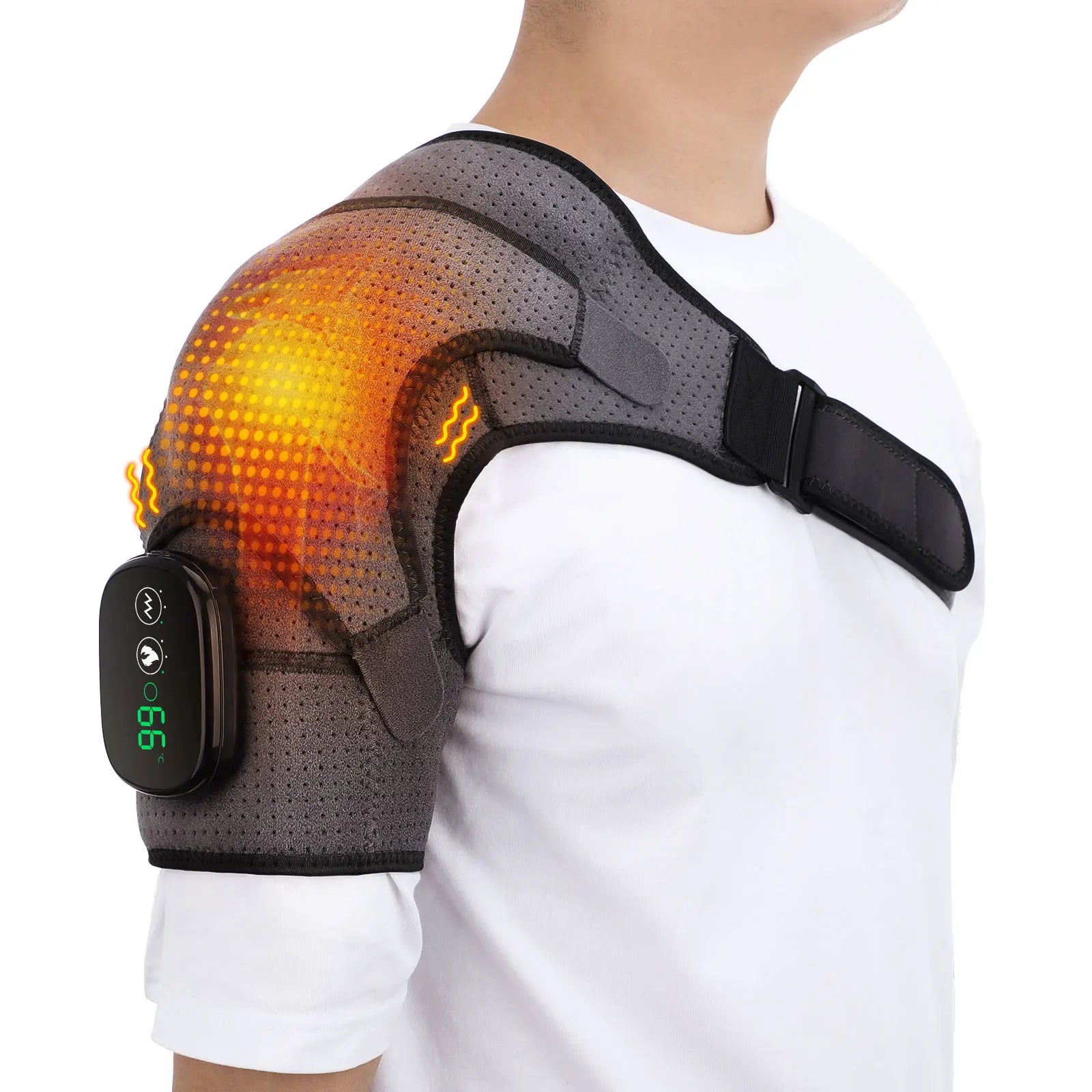
Everyday relief for upper back stiffness stretches See it in action
Sleep Position and Daily Habits That Can Prevent Upper Back Pain
Upper back stiffness often returns when daily habits continue placing stress on the muscles and joints. Improving sleep setup, movement patterns, and everyday activities can support longer-lasting upper back pain relief.
Sleep positions that may reduce upper back strain
A comfortable sleep position helps keep the spine and shoulders in a relaxed alignment. Many people find that positions allowing the neck and upper back to remain supported are more comfortable than positions that force the shoulders forward or twisted for long periods.
Pillow and mattress considerations
Your pillow should support a neutral neck position rather than pushing your head too far forward or allowing it to drop. Mattress comfort also matters because poor support can contribute to muscle tension during rest.
Daily activity and movement habits
- Change positions regularly instead of staying seated for several hours.
- Include mobility exercises throughout the week.
- Balance stretching with strengthening to support better posture.
Lifting and carrying habits
When lifting objects, avoid sudden movements and use controlled motions. Carrying heavy bags on one side repeatedly may increase uneven strain through the shoulders and upper back.
How to prevent recurring stiffness
The most effective long-term approach combines upper back stiffness relief techniques with consistent movement, strength training, and ergonomic improvements. Small daily habits are often more sustainable than relying only on temporary fixes.
When to See a Doctor for Upper Back Pain
Many cases of upper back pain are related to muscle tension, posture, or movement habits and improve with appropriate home care. However, some symptoms require professional evaluation because they may involve causes beyond routine muscle stiffness.
Pain after a significant injury
Seek medical advice if upper back pain begins after a fall, accident, impact, or other significant injury.
Numbness, weakness, or neurological symptoms
Symptoms such as numbness, weakness, or changes in sensation should be evaluated by a healthcare professional, especially if they persist or worsen.
Chest pain, shortness of breath, fever, or unexplained symptoms
Upper back discomfort combined with symptoms such as chest pain, breathing difficulties, fever, or unexplained changes requires prompt medical attention.
Severe, worsening, or persistent pain
Consider professional evaluation if pain becomes severe, continues to worsen, lasts several weeks, or does not improve despite reasonable self-care.
What type of healthcare professional may help?
Depending on the situation, a primary care provider, physical therapist, or other qualified healthcare professional may help assess symptoms and recommend appropriate treatment options.
Frequently Asked Questions About Upper Back Pain Relief
Why does my upper back feel stiff?
Upper back stiffness is commonly linked to muscle tension, prolonged sitting, poor posture, stress, or reduced movement. Identifying the trigger can help you choose the right relief approach.
What is the fastest way to get upper back pain relief?
Gentle movement, heat, stretching, and relaxation techniques may provide short-term relief for many cases of muscular tension. The fastest option depends on what is causing the discomfort.
How do I relieve upper back pain from sitting?
Improve your workstation setup, take regular movement breaks, perform gentle mobility exercises, and avoid staying in one position for long periods.
How do I fix tight upper back muscles?
Long-term improvement usually requires a combination of mobility exercises, strengthening the postural muscles, better movement habits, and addressing the activities that repeatedly trigger tension.
Is heat or massage better for back pain?
Heat is often helpful for general stiffness and muscle tension, while massage may be more useful for targeted tight areas. Many people benefit from combining both with active movement.
Can a heated pad help upper back pain?
A heated pad may help relax tight muscles and improve comfort when stiffness is related to muscle tension. It should be used as part of a broader routine that includes movement and healthy habits.
Can massage help upper back muscle knots?
Massage may help relieve areas of muscle tightness by applying targeted pressure and encouraging relaxation. Use comfortable pressure and avoid techniques that increase pain.
How long does upper back pain usually take to improve?
Mild muscle-related discomfort may improve within days, while recurring stiffness may require several weeks of consistent mobility, strengthening, and habit changes.
When should I see a doctor for upper back pain?
Seek medical guidance for severe, worsening, persistent pain, symptoms after injury, neurological changes, or other concerning symptoms that do not match typical muscle tension.
Related Guide: How to Relieve Shoulder Tension: Top Methods Compared













