

Does Upper Body Pain Relief Really Work?
Yes, upper body pain relief can be highly effective when treatment matches the underlying cause. Muscle tension from prolonged sitting, poor posture, repetitive movements, or physical overuse often improves with a combination of gentle exercise, mobility work, heat therapy, massage, and ergonomic adjustments. However, persistent pain caused by injury, nerve irritation, or certain medical conditions may require professional evaluation. The most effective approach combines daily movement with targeted self-care rather than relying on a single solution.
Upper Body Pain Relief: Causes, Symptoms & Effective Solutions for Neck, Shoulders, and Upper Back
Quick Relief for Upper Body Pain (Start Here)
5-Minute Fix for Neck and Shoulder Stiffness
- Roll your shoulders backward 10 times, then forward 10 times.
- Gently tilt your head side-to-side, holding each stretch for 10 seconds without forcing the movement.
- Clasp your hands behind your back and lift slightly to open the chest while keeping your shoulders relaxed.
- Apply comfortable heat to the neck and shoulders for 3–5 minutes to help loosen tight muscles.
This simple sequence increases circulation, improves mobility, and provides fast upper body pain relief for many people experiencing neck and shoulder stiffness after extended sitting. Stop the routine if you experience sharp pain, numbness, or worsening symptoms.
When You Need Immediate Relief at Your Desk
- Raise your monitor so the top of the screen sits near eye level.
- Keep both feet flat on the floor with your shoulders relaxed rather than elevated.
- Use a portable massager to ease tight shoulder muscles during short breaks if comfortable.
- Stand, stretch, or walk for 1–2 minutes every 30–60 minutes to prevent stiffness from building.
These desk-friendly adjustments help relieve tight shoulders from desk work, reduce strain on the neck, and may prevent discomfort from becoming more persistent.
Upper body discomfort is common among office workers, drivers, students, and anyone who spends long periods in one position. Neck stiffness, aching shoulders, and upper back fatigue often develop gradually rather than appearing after a single event. Fortunately, small improvements in movement habits, workstation setup, and recovery strategies can make a meaningful difference over time.
⏱ 6 min read
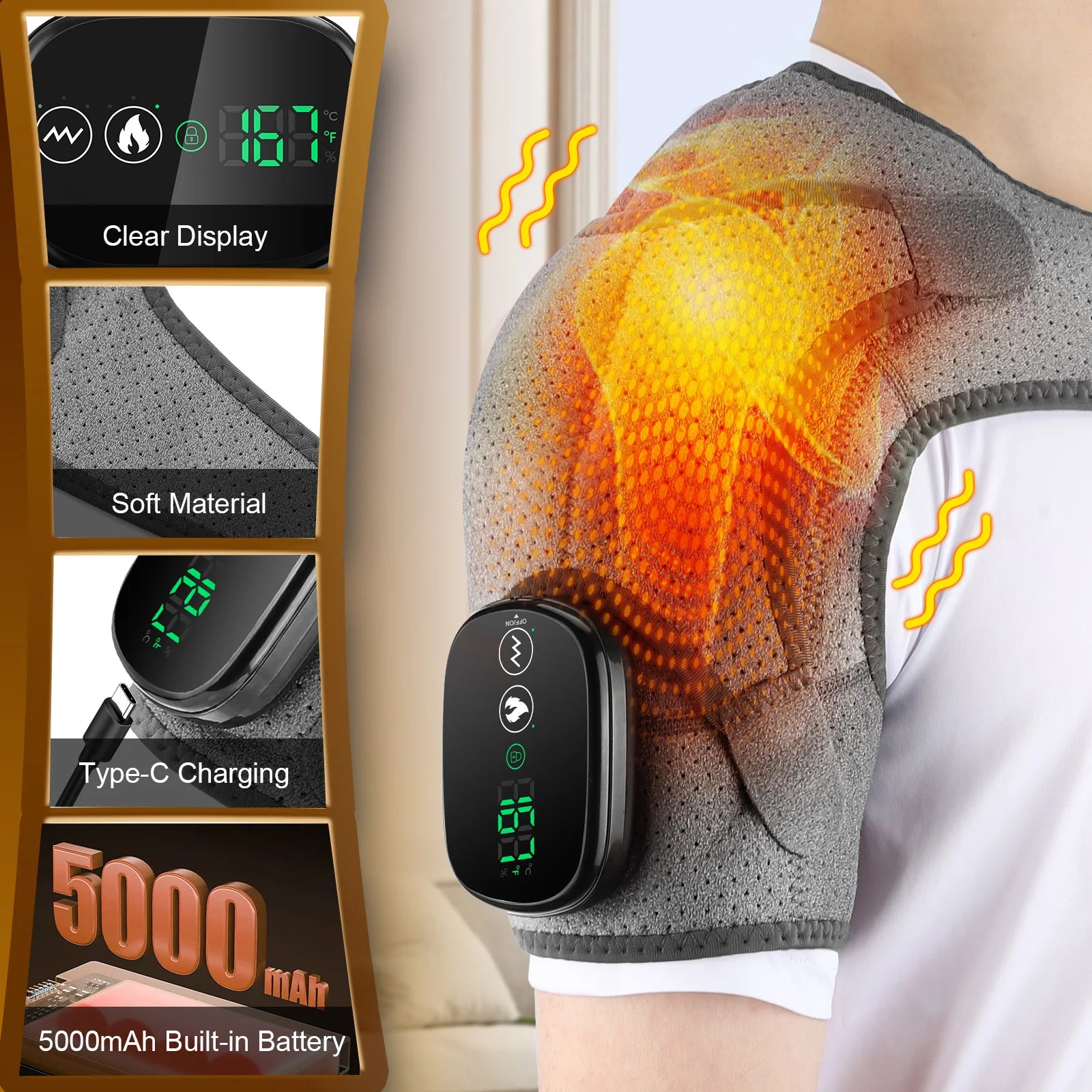
Daily desk strain meets smart relief — See it in action
What Causes Upper Body Pain? (Neck, Shoulders, Upper Back)
Neck and Shoulder Stiffness from Sitting
Remaining seated for hours reduces normal muscle activity and encourages the head to drift forward. As the muscles supporting the neck and shoulders work harder to maintain posture, they can become tight, fatigued, and less flexible. Regular movement breaks and stretching are often effective first-line strategies for neck and shoulder stiffness relief.
Shoulder Pain from Desk Work and Poor Posture
Poor workstation ergonomics, rounded shoulders, and forward-head posture increase stress on the muscles surrounding the shoulders and upper back. Repetitive keyboard and mouse use can further contribute to muscle tension, making shoulder pain from sitting a frequent complaint among desk workers.
Upper Back Pain from Muscle Imbalance and Fatigue
Weak upper back muscles combined with tight chest and shoulder muscles can create muscular imbalances that affect posture and movement. Over time, this may lead to soreness between the shoulder blades, fatigue during daily activities, and reduced tolerance for prolonged sitting.
Other Common Causes: Overuse, Injury, Stress, and Nerve Irritation
Not all upper body pain is posture-related. Repetitive lifting, sports activities, sudden injuries, emotional stress that causes muscle guarding, or nerve irritation affecting the neck and arms can produce similar symptoms. If pain develops after significant trauma, spreads into the arm with numbness or weakness, or continues despite appropriate self-care, seek a medical evaluation to identify the underlying cause.
Symptoms: How to Identify Your Type of Upper Body Discomfort
Stiffness vs Sharp Pain vs Muscle Fatigue
- Stiffness: Tight muscles and restricted movement that often improve after gentle stretching, heat, or light activity. This pattern is common after prolonged sitting or inactivity.
- Sharp pain: Sudden or intense discomfort during specific movements. Avoid pushing through sharp pain, especially if it follows an injury or is accompanied by weakness or swelling.
- Muscle fatigue: A dull, aching sensation that develops after repetitive work, exercise, or maintaining the same posture for extended periods. Recovery, mobility exercises, and gradual strengthening are usually helpful.
Signs Your Pain Is Posture-Related
- Symptoms become worse after sitting, driving, or computer work.
- Discomfort eases when you stand, stretch, or change positions.
- Rounded shoulders or forward-head posture are noticeable during daily activities.
- Tightness is concentrated around the neck, shoulders, or between the shoulder blades rather than following a specific injury.
Recognizing these symptom patterns helps you choose the most appropriate strategy for upper body discomfort relief . If pain is accompanied by numbness, persistent weakness, fever, significant swelling, or severe pain after trauma, seek medical evaluation instead of relying solely on home treatment.
How to Relieve Upper Body Pain at Home (Step-by-Step)
Stretching Routine for Neck and Shoulders
- Perform a neck side-bend stretch, holding for 10–15 seconds on each side. Repeat 2–3 times.
- Complete 10 slow shoulder rolls forward and 10 backward while keeping your neck relaxed.
- Hold a cross-body shoulder stretch for 15–20 seconds on each side without forcing the movement.
- Repeat the routine 1–3 times daily, particularly after long periods of sitting.
Gentle stretching helps improve flexibility, reduce muscle tension, and support neck and shoulder stiffness relief . Stop immediately if an exercise causes sharp pain, tingling, or symptoms that radiate into the arm.
Simple Mobility Exercises for Upper Back Relief
- Perform 8–10 seated spinal twists on each side using slow, controlled movements.
- Complete 8–12 wall angels while keeping your back comfortably supported against the wall.
- Hold chest-opening stretches for 20–30 seconds and repeat 2–3 times.
These mobility exercises encourage healthy movement through the upper back and shoulders, making them an effective part of an upper back pain relief at home routine.
Strengthening Exercises for Long-Term Support
- Perform resistance band rows for 2 sets of 10–15 repetitions.
- Add scapular squeezes, holding each contraction for 5 seconds and repeating 10–15 times.
- Practice wall push-ups for 2 sets of 8–12 repetitions if comfortable.
Strengthening the muscles that support the neck, shoulders, and upper back improves posture and reduces the likelihood of recurring discomfort. Increase intensity gradually and allow adequate recovery between sessions.
Daily Habits That Prevent Pain Recurrence
- Maintain a neutral sitting posture with your screen positioned at eye level.
- Stand up and move every 30–60 minutes instead of remaining in one position for hours.
- Include brief stretching or mobility sessions throughout the day.
- Balance repetitive desk work with regular walking, light exercise, and adequate sleep.
Consistent movement, gradual strengthening, and ergonomic habits are more effective for long-term upper body pain relief than relying on passive treatments alone.
How to Match Relief Tools to Your Specific Discomfort
For Stiffness From Sitting All Day
General muscle stiffness often responds well to gentle movement followed by heat therapy. A heating pad or heated device may help relax tight muscles before stretching or mobility exercises, making movement more comfortable.
For Tight Shoulders from Desk Work
If muscle knots develop after prolonged computer use, a portable massager can complement stretching by targeting areas of tension. Use moderate pressure and avoid placing massage devices directly over painful joints, recent injuries, or areas with numbness.
For Chronic Tension and Fatigue
Recurring muscle tightness is usually best managed with a combination of strengthening exercises, regular mobility work, ergonomic improvements, and occasional heat or massage. If discomfort persists for several weeks, worsens over time, or spreads into the arms, consult a healthcare professional for further assessment.
Heat Therapy vs Massage: Which Works Best for Upper Body Pain?
When to Use Heat Therapy
Heat therapy is most helpful for muscle stiffness, chronic tension, and discomfort that develops gradually from prolonged sitting or repetitive activity. Applying gentle heat for 15–20 minutes can improve circulation, relax tight muscles, and make stretching or mobility exercises more comfortable. Avoid heat immediately after an acute injury if swelling is present.
When Massage Is More Effective
Massage can help reduce muscle tightness, ease trigger points, and improve short-term mobility in the neck, shoulders, and upper back. It works best alongside stretching and strengthening rather than as a standalone treatment. Avoid deep massage over recent injuries, inflamed areas, or locations with unexplained pain.
Can You Combine Both?
Yes. Using heat before massage often helps muscles relax, allowing massage to feel more comfortable and effective. Follow the session with gentle stretching or mobility exercises to maintain your range of motion.
| Relief Method | Best For | Typical Use |
|---|---|---|
| Heat Therapy | Muscle stiffness and chronic tension | Before stretching, after work, or before bedtime |
| Massage | Muscle knots and tight shoulders | After prolonged desk work or physical activity |
| Heat + Massage | Persistent muscular tightness | As part of a regular recovery routine alongside exercise |
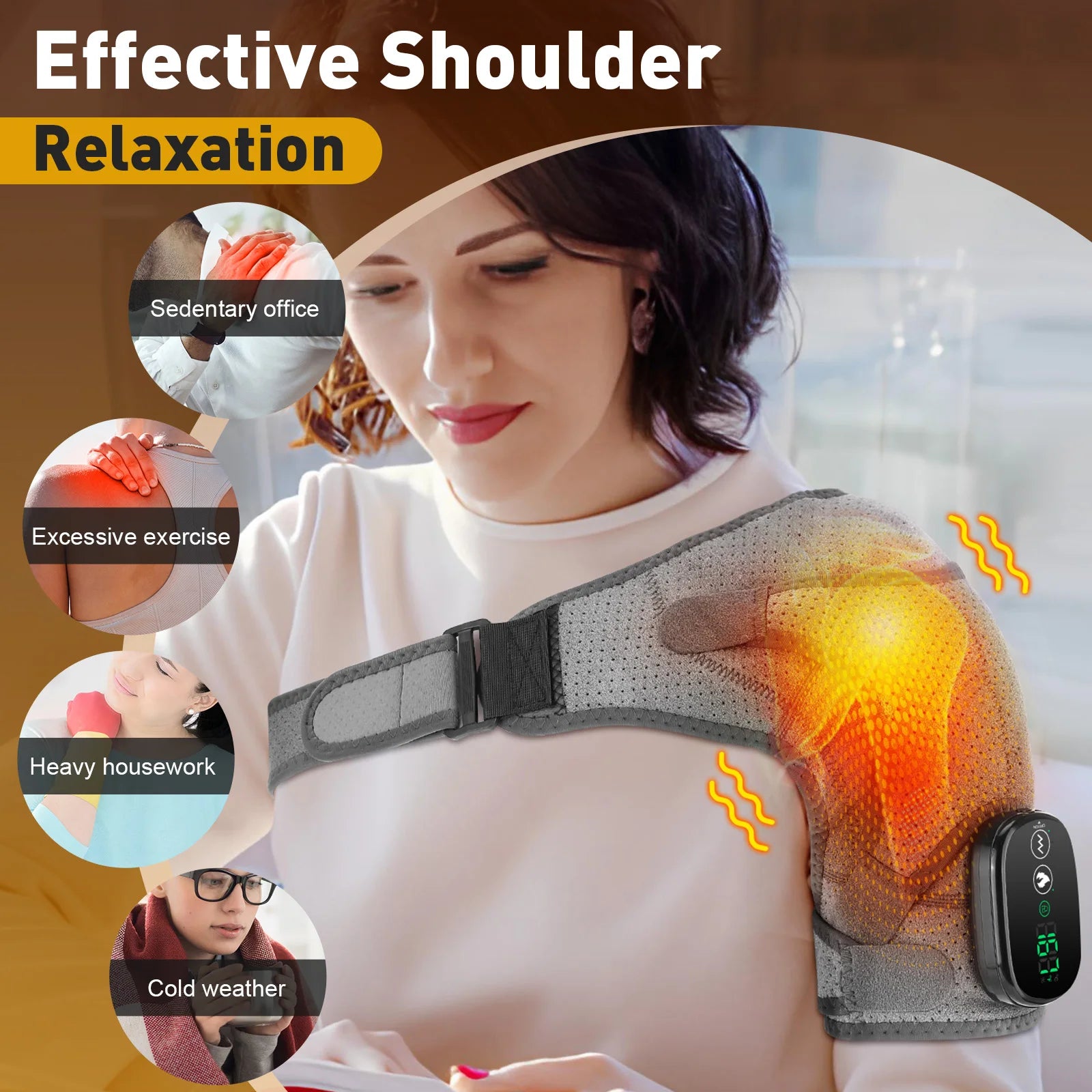
Relief that fits your routine — See it in action
Best Tools for Upper Body Pain Relief at Home
Portable Massagers for Shoulders and Neck
Portable massage devices can complement active recovery by helping relax tight muscles after work, exercise, or long periods of sitting. Look for adjustable intensity levels, comfortable ergonomics, and a design that reaches the neck and shoulder muscles easily. Massage tools should support—not replace—regular stretching, strengthening, and movement.
Heat Therapy Devices and Heating Pads
Heating pads and wearable heat therapy devices are useful for easing muscle stiffness before mobility exercises or after a demanding day. Adjustable temperature settings improve comfort, while automatic shut-off features can enhance safety. Do not apply heat over areas with reduced sensation, open wounds, or significant swelling.
Posture Support and Ergonomic Tools
Ergonomic chairs, monitor stands, adjustable keyboards, lumbar supports, and posture reminders can help reduce repeated strain during daily activities. These tools are most effective when combined with regular movement breaks and proper workstation setup rather than relying on passive support alone.
Heated shoulder massagers combine targeted massage with soothing warmth, making them a convenient option for relaxing tight neck and shoulder muscles after work or exercise. As with any massage device, avoid using it over acute injuries or areas with severe pain, numbness, or swelling unless advised by a healthcare professional.
For more recovery solutions, explore Body Care and Health Devices .
When to See a Doctor for Upper Body Pain
Many cases of muscle-related upper body pain improve with movement, stretching, ergonomic changes, and appropriate self-care. However, some symptoms require prompt medical assessment to rule out injuries or more serious conditions.
- Pain persists for more than two to four weeks despite consistent home treatment.
- Pain develops after a significant fall, accident, or sports injury.
- You experience numbness, tingling, weakness, or pain that radiates into the arm or hand.
- Your symptoms become progressively worse or interfere with normal daily activities.
- You develop fever, unexplained swelling, or redness around the affected area.
- Upper body pain occurs together with chest pain, difficulty breathing, dizziness, or other emergency warning signs.
Seeking medical evaluation at the right time helps identify the underlying cause and ensures you receive appropriate treatment if self-care alone is unlikely to resolve the problem.
Quick Answers About Upper Body Pain Relief (FAQ)
What is the fastest way to relieve upper body tension?
Gentle stretching, short movement breaks, and heat therapy often provide quick relief for muscle tension caused by prolonged sitting. If symptoms are related to muscle knots, light self-massage may also help. Avoid aggressive stretching if you experience sharp pain.
How can I relieve tight shoulders from desk work?
Adjust your workstation so your monitor is at eye level, keep your shoulders relaxed, stand and move every 30–60 minutes, and perform simple shoulder and chest stretches throughout the day. Consistent ergonomic habits are often more effective than occasional treatment.
What exercises help upper back pain at home?
Wall angels, resistance band rows, scapular squeezes, chest-opening stretches, and gentle thoracic mobility exercises can improve posture, strengthen supporting muscles, and reduce recurring upper back discomfort when performed regularly.
Is heat or cold better for upper body pain?
Heat is generally better for muscle stiffness and chronic tension, while cold therapy is often more appropriate during the first 24–48 hours after an acute injury when swelling is present. The best option depends on the underlying cause of your symptoms.
Can massage tools help with neck and shoulder pain?
Yes. Massage tools can temporarily reduce muscle tightness and improve comfort, particularly when combined with stretching, strengthening exercises, and ergonomic improvements. They should complement an active recovery plan rather than replace it.
How long does upper body pain usually take to improve?
Mild muscle tension may improve within a few days, while discomfort related to posture or muscle imbalance often requires several weeks of consistent stretching, strengthening, and activity modifications before lasting improvement is noticeable.
When should upper body pain be checked by a doctor?
Arrange a medical evaluation if pain persists despite self-care, follows a significant injury, causes numbness or weakness, radiates into the arms, or is accompanied by chest pain, shortness of breath, or other concerning symptoms.
Related Guide: Upper Arm Muscle Ache Solutions: Targeted Relief for Everyday Strain













