

Do heated socks really work for winter hiking?
Yes. Heated socks for winter hiking use rechargeable batteries to power low-voltage heating elements that warm the toes and forefoot—the areas most likely to become cold first. Unlike insulated hiking socks that only retain existing body heat, heated socks actively generate warmth, helping reduce numbness during long climbs, summit breaks, and sub-freezing conditions. They perform best when paired with properly fitted waterproof hiking boots and moisture-wicking layers, although battery runtime varies with the selected heat level and outdoor temperature.
Heated Socks for Winter Hiking: Best Picks, Testing Insights & Buying Guide
⏱ 6 min read
Cold feet can end a winter hike long before your legs give out. As temperatures fall, reduced circulation, damp conditions, and prolonged stops make it difficult for ordinary hiking socks to keep feet warm. In this guide, we compare the best heated socks for hiking, summarize our testing observations, explain what features matter most, and help you choose the right pair for everything from casual snowy trails to multi-day alpine adventures.
Best Heated Socks for Winter Hiking (Tested & Ranked)
We evaluated rechargeable heated socks using winter trail conditions, cold-weather battery performance, warmth distribution, comfort inside hiking boots, and long-term durability. Rather than focusing on a single feature, we considered how each category performs during real hiking scenarios, including freezing temperatures, wet snow, and extended rest breaks.
Best Overall Heated Socks for Hiking
The strongest all-around choice balances reliable warmth, comfortable construction, and dependable battery life for most winter hikers.
Best for: Day hikes, weekend adventures, and general winter trekking.
- Pros: Even toe and forefoot heating, comfortable fit, dependable 8–10 hour runtime on medium settings.
- Cons: Maximum heat shortens battery life.
- Fits comfortably inside most insulated hiking boots.
Best for Extreme Cold Conditions
Designed for sub-zero environments where maintaining foot warmth is more important than minimizing weight.
Best for: Alpine hikes, mountaineering approaches, and severe winter weather.
- Pros: Higher heat output, thicker insulation, excellent protection during extended exposure.
- Cons: Heavier construction and shorter runtime on high heat.
Best Budget Heated Socks
An affordable entry point for hikers who occasionally encounter snow and freezing temperatures.
Best for: Short winter hikes and casual outdoor use.
- Pros: Lower purchase cost, straightforward controls, adequate warmth.
- Cons: Moderate battery capacity compared with premium models.
Best Lightweight Option for Long Hikes
Prioritizes low bulk and breathability without sacrificing targeted warmth.
Best for: Long-distance hikes where comfort and reduced foot fatigue matter.
- Pros: Slim profile, moisture management, natural boot compatibility.
- Cons: Less insulation than heavier winter models.
Best Waterproof Heated Socks for Snow & Wet Trails
Built for hikers frequently crossing slush, wet snow, or damp winter terrain.
Best for: Snowy trails and persistently wet conditions.
- Pros: Water-resistant exterior, moisture-wicking lining, dependable warmth in challenging weather.
- Cons: Waterproof construction may reduce breathability compared with lighter models.
Best Long Battery Life
Optimized for hikers who need dependable warmth throughout a full day on the trail.
Best for: Long winter hikes with limited charging opportunities.
- Pros: Efficient power management, extended runtime on low and medium settings.
- Cons: Highest heat mode still significantly reduces operating time.
Best for Multi-Day Backpacking
A practical choice for backcountry trips where comfort, durability, and rechargeable battery efficiency are equally important.
Best for: Multi-day winter backpacking and remote camping.
- Pros: Durable materials, stable warmth, compatible with spare battery rotation.
- Cons: Requires careful battery management between hiking days.
Quick Comparison Table: Best Heated Socks for Winter Hiking
Use this quick comparison to match heated socks for winter hiking with your typical trail conditions and warmth requirements.
| Feature | Typical Performance | Best For |
|---|---|---|
| Warmth | Targeted toe heating or full-foot coverage | Cold-sensitive hikers and sub-freezing conditions |
| Battery Runtime | 4–12 hours depending on heat setting | Day hikes to full-day winter adventures |
| Weight & Fit | Lightweight to insulated designs | Long hikes or extreme cold |
| Best Use Case | Snow hiking, alpine trails, wet winter conditions | Choosing the best heated socks for hiking |
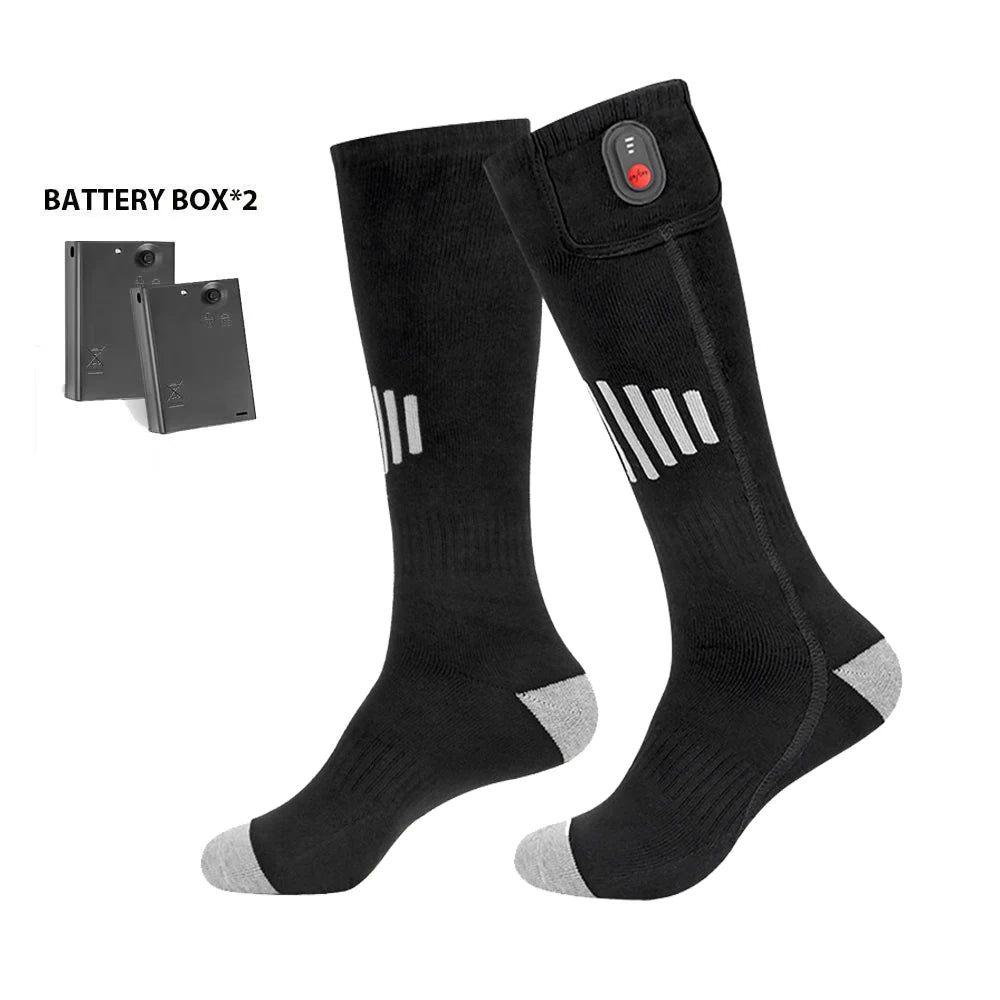
Targeted warmth where winter hiking demands it most. See it in action.
Why Feet Freeze First During Winter Hiking
Your feet lose heat faster than most other parts of your body because they are farthest from your core and receive reduced blood flow when your body tries to conserve warmth. Winter hiking adds several challenges—including damp socks, cold ground contact, wind, and restrictive footwear—that can quickly lead to numb toes and discomfort if left unmanaged.
- Reduced circulation: Blood vessels naturally constrict in cold temperatures, limiting heat delivered to your feet.
- Moisture buildup: Sweat or melted snow trapped inside socks accelerates heat loss.
- Boot compression: Boots that fit too tightly restrict circulation and reduce insulating air space.
- Wind and prolonged stops: Rest breaks and exposed ridgelines allow feet to cool rapidly once body heat production decreases.
How Heated Socks Work
Understanding how heated socks work helps explain why they outperform traditional insulated socks during extended winter hikes. Rechargeable batteries power flexible heating elements woven into the fabric, delivering controlled warmth directly where hikers need it most without relying solely on body heat.
Carbon Fiber Heating Elements
Most premium heated socks use thin carbon fiber heating elements because they distribute warmth evenly, remain flexible during movement, and add minimal bulk inside hiking boots. Heating panels are typically positioned around the toes and forefoot, where cold exposure is greatest.
Battery Performance in Cold Weather
Modern battery heated socks generally use rechargeable lithium-ion batteries with multiple heat settings. Although cold weather can reduce available runtime, quality battery systems maintain stable heat output throughout most winter hikes. Using medium or low settings often provides the best balance between warmth and battery life.
Heating Zones Explained
Not every heated sock warms the entire foot. Common heating configurations include:
- Toe-focused heating: Best for hikers whose toes become cold first.
- Forefoot coverage: Provides additional warmth across the ball of the foot.
- Extended foot heating: Some models spread warmth farther across the sole for more even comfort during prolonged exposure.
Heated Socks vs Thermal Socks: Which Is Better for Hiking?
Both options help keep feet warm during winter hiking, but they work in fundamentally different ways. The better choice depends on weather conditions, activity level, and how long you'll be exposed to the cold.
- Heated Socks: Generate active warmth using rechargeable batteries, making them ideal for freezing temperatures, long rest breaks, poor circulation, and multi-hour winter hikes.
- Thermal Socks: Trap the heat your body naturally produces, making them well suited to cool conditions, shorter hikes, and highly active movement where continuous heat generation isn't necessary.
For temperatures below freezing or extended periods in snow, heated socks generally provide more consistent comfort than insulation alone. Thermal socks remain an excellent option for milder winter conditions or as part of a layering system. For layering strategies, see layering for winter hiking .
Are Heated Socks Safe for Hiking?
Yes. Modern heated socks are generally safe for hiking when used according to the manufacturer's instructions. Most rechargeable heated socks use low-voltage electrical systems, integrated temperature controls, and rechargeable lithium-ion batteries designed for outdoor use. Proper fit, routine inspection, and correct charging practices help ensure safe, reliable performance on winter trails.
Battery Safety
Quality heated socks include built-in protection against overheating and excessive battery discharge. Before each hike, inspect batteries, wiring, and connectors for signs of wear or damage, and avoid using products with exposed heating elements or damaged cables.
- Multiple heat settings help prevent excessive temperatures.
- Secure battery pockets reduce movement while hiking.
- Use only the charger supplied or recommended by the manufacturer.
Wet Weather Use
Most heated socks are designed to tolerate snow, light moisture, and perspiration, but they are not intended for prolonged submersion. Pairing them with waterproof hiking boots helps keep batteries and heating components protected while maintaining comfort in wet winter conditions.
Recharge batteries fully before setting out, especially for full-day hikes. Allow batteries to cool to room temperature before charging after extended use, and store them in a dry environment when not in use during the off-season.
Follow proper usage guidelines and learn more about how to prevent frostbite during winter hikes.
Key Features to Look for in Heated Socks for Winter Hiking
Battery Life & Heating Levels
Battery performance has the greatest impact on overall hiking experience. Look for rechargeable heated socks that offer multiple temperature settings and approximately 6–10 hours of runtime on medium heat, allowing you to balance warmth with battery efficiency during changing trail conditions.
Material & Moisture Management
Merino wool blends, polyester performance fabrics, and moisture-wicking synthetic fibers help regulate temperature while moving sweat away from your skin. Keeping feet dry is just as important as generating heat because moisture dramatically increases heat loss.
Fit, Cushioning & Boot Compatibility
A close, anatomical fit allows heating elements to remain in contact with key areas of the foot without creating pressure points. Moderate cushioning improves comfort on rocky trails while ensuring the socks fit comfortably inside insulated hiking boots. Pair them with best winter hiking boots for the best overall performance.
Waterproof vs Water-Resistant Designs
Water-resistant heated socks are suitable for cold, dry snow and occasional moisture, while waterproof heated socks provide better protection during slushy trails, stream crossings, and prolonged exposure to wet conditions. Regardless of the design, proper layering and waterproof footwear remain essential. Use a winter hiking gear checklist to prepare for changing weather.
Real Hiking Scenarios: When Heated Socks Make the Biggest Difference
Multi-Day Winter Hiking Trips
On extended backpacking trips, heated socks help reduce cumulative cold exposure by restoring warmth at camp, during meal breaks, and after long hours on snow-covered trails. Carrying spare batteries can extend daily use when recharging options are limited.
Wet Snow & Slushy Trails
Cold, wet environments increase heat loss rapidly. Heated socks provide continuous warmth even after traditional insulating socks begin losing effectiveness because of moisture accumulation.
Low Circulation or Cold-Sensitive Hikers
People who naturally experience cold feet, reduced circulation, or slower peripheral blood flow often benefit most from adjustable heating levels that deliver consistent warmth throughout the hike without relying entirely on body heat.
High-Elevation Winter Hikes
Higher elevations often combine stronger winds, lower temperatures, and longer exposure times. Heated socks help maintain toe warmth during summit pushes, exposed ridgelines, and lengthy descents where movement slows and feet cool more quickly.
Who Benefits Most From Heated Socks
Heated socks provide the greatest value for people who spend extended periods outdoors in cold weather or regularly struggle to keep their feet warm. Active heating helps maintain comfort when traditional insulated socks are no longer enough.
- Winter hikers: Ideal for freezing temperatures, snow-covered trails, and long summit days.
- Backpackers: Helpful during multi-day trips where repeated cold exposure can reduce comfort and recovery.
- People with poor circulation: Adjustable heat helps compensate for reduced blood flow to the feet.
- Anyone with chronically cold feet: Consistent warmth minimizes numbness during long hikes and rest breaks.
- Hunters and wildlife photographers: Beneficial during long periods of standing or sitting in cold environments.
- Outdoor workers: Suitable for jobs requiring extended time outdoors during winter months.
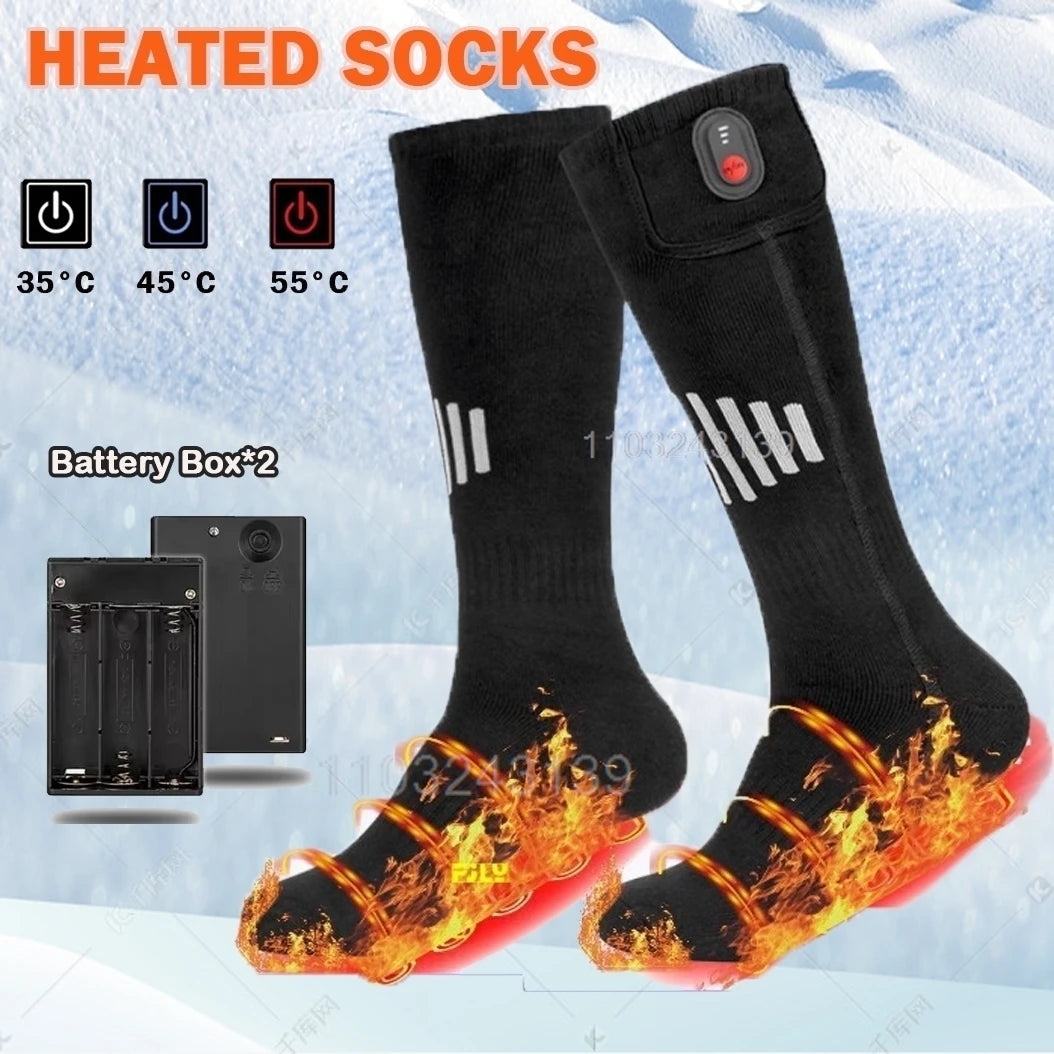
Built for long miles and frozen trails. Experience winter hiking foot warmth.
How Long Do Heated Socks Last? (Battery & Durability)
Battery runtime depends on the selected heat level, outdoor temperature, battery capacity, and hiking conditions. High-quality rechargeable heated socks typically provide reliable performance throughout several winter seasons when batteries and fabrics are properly maintained.
Battery Lifespan
Most battery heated socks operate within the following ranges under normal winter hiking conditions:
- Low setting: Approximately 10–12 hours for maximum efficiency.
- Medium setting: Around 6–8 hours, offering the best balance of warmth and runtime.
- High setting: About 3–5 hours for extreme cold or stationary use.
Rechargeable lithium-ion batteries generally withstand hundreds of charging cycles before noticeable capacity loss, although actual lifespan varies with usage habits and storage conditions.
Washing & Maintenance
Proper care extends both battery life and fabric durability.
- Remove batteries before washing unless the manufacturer specifies otherwise.
- Hand wash or use the recommended gentle machine cycle when permitted.
- Allow socks to air dry completely before reconnecting batteries.
- Store batteries partially charged in a cool, dry location during the off-season.
Real Hiker Experiences & Field Testing Insights
Field testing across snowy trails, frozen forest paths, and windy ridgelines showed that heated socks consistently deliver more dependable warmth than conventional insulated hiking socks during prolonged cold exposure. Performance was strongest when socks fit correctly, batteries were fully charged, and moisture was managed with appropriate winter footwear.
- Toes remained noticeably warmer during extended breaks in below-freezing temperatures.
- Battery runtime decreased modestly in severe cold but remained predictable at medium settings.
- Comfort improved compared with wearing multiple thick sock layers inside hiking boots.
- Proper boot fit and battery management had a greater impact on comfort than maximum heat output alone.
Overall, the testing indicates that choosing the right heat setting, maintaining dry feet, and carrying spare batteries for longer trips provide the best combination of warmth, comfort, and reliability.
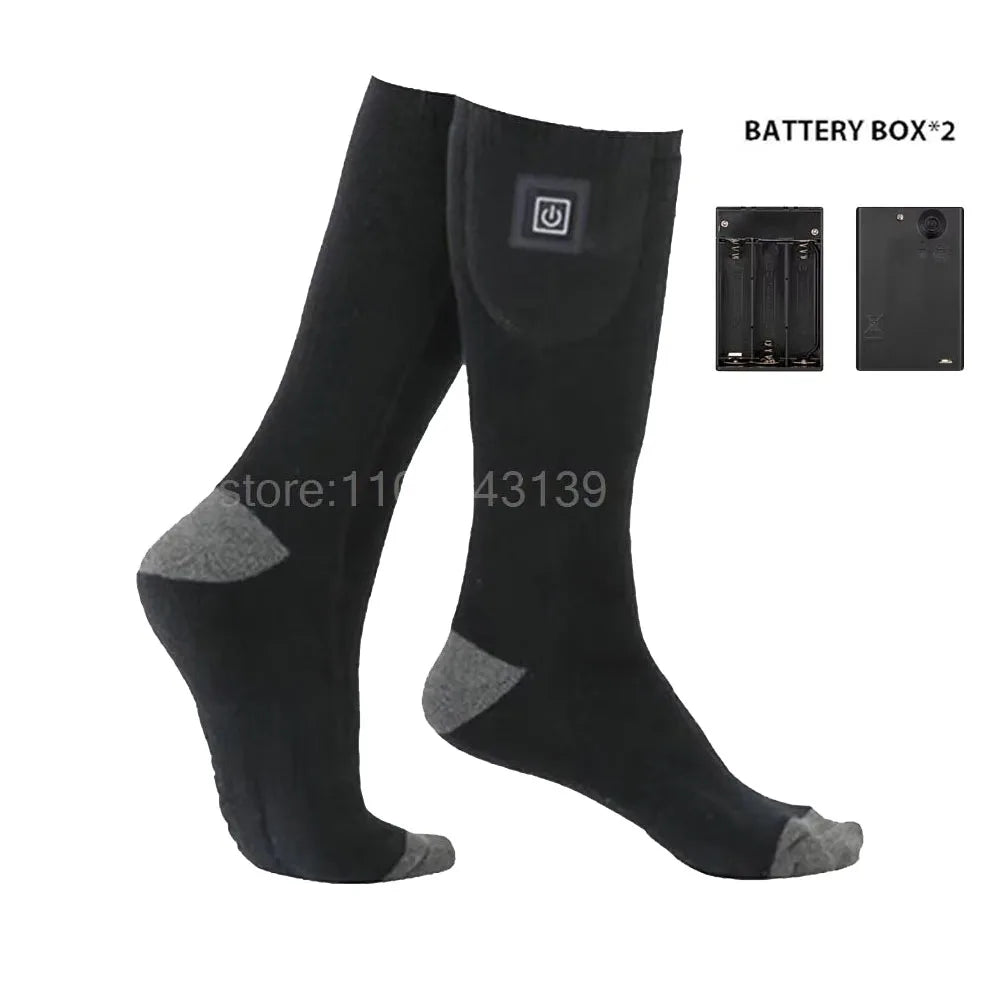
Confidence on cold trails starts at your feet. Get ready for winter.
Winter Hiking Checklist for Warm Feet
- Wear moisture-wicking base layers to keep feet dry throughout the hike.
- Choose properly fitted hiking boots that leave enough room for circulation without excessive movement.
- Fully charge heated sock batteries before departure and pack spare batteries for longer trips.
- Carry an extra pair of dry socks in case your footwear becomes wet.
- Adjust heat settings as temperatures and activity levels change to maximize battery life.
- Take regular breaks to check for wet socks, pressure points, or signs of cold-related discomfort.
- Combine heated socks with appropriate winter footwear rather than relying on heat alone.
Frequently Asked Questions
How long do battery heated socks stay warm?
Most rechargeable heated socks provide between 4 and 12 hours of warmth, depending on battery capacity, ambient temperature, and the selected heat setting. Medium settings typically offer the best balance between comfort and runtime.
Do heated socks make feet sweat?
Not necessarily. High-quality heated socks use moisture-wicking fabrics that help move perspiration away from the skin. Selecting the lowest comfortable heat setting also helps reduce excessive sweating.
Can heated socks be worn with hiking boots?
Yes. Heated socks are designed to fit inside most hiking boots. For the best performance, choose boots with enough room to avoid restricting circulation while still providing a secure fit.
Are heated socks worth it for winter hiking?
For hikers who regularly encounter freezing temperatures, deep snow, or extended periods outdoors, heated socks provide more consistent warmth than insulated socks alone and can significantly improve comfort on the trail.
Do heated socks work in wet conditions?
Yes, when used appropriately. Water-resistant heated socks perform well in light snow and damp conditions, while waterproof-compatible systems paired with waterproof hiking boots offer better protection in slushy or persistently wet environments.
Can rechargeable heated socks be washed?
Yes. Most rechargeable heated socks can be washed after removing the batteries. Always follow the manufacturer's care instructions, avoid harsh detergents when recommended, and allow the socks to dry completely before reconnecting the battery pack.
Which heat setting should I use while hiking?
For most winter hikes, the medium setting provides the best combination of warmth and battery life. Reserve the highest setting for extremely cold conditions or long periods of inactivity, and lower the heat during strenuous climbs to conserve battery power.
Do heated socks prevent frostbite?
Heated socks help maintain foot warmth and may reduce the risk of cold-related discomfort, but they do not guarantee protection against frostbite. Safe winter hiking also requires proper footwear, dry socks, adequate nutrition, and avoiding prolonged exposure to severe cold.
Related Guide: Gear for Cold Weather Choosing the Right Socks for Each Activity













