

What Is the Warmest Hoodie? How We Define “Warmth”
The warmest mens hoodie is more than a thick sweatshirt. True warmth comes from the combination of fabric weight, insulation, construction, and how effectively the garment traps body heat while allowing excess moisture to escape. To determine what is the warmest hoodie for different situations, we evaluated every option using consistent, measurable criteria rather than marketing claims.
Fabric Weight (GSM) and Why It Matters
GSM (grams per square meter) measures fabric density. While a higher GSM doesn't automatically guarantee a warmer hoodie, it usually indicates more material available to retain heat. As a general guideline:
- Under 250 GSM: Lightweight for cool weather and layering.
- 250–350 GSM: Midweight options suitable for everyday wear.
- 350–500+ GSM: Heavyweight hoodie mens styles designed for cold-weather comfort and improved insulation.
Higher-density fabrics also tend to resist wind better and maintain their structure through repeated washing, making them a popular choice for winter wear.
Lining Types: Fleece vs Sherpa vs Thermal
The lining has as much impact on warmth as the outer fabric. Different insulation types perform better depending on climate and activity level.
- Fleece-lined hoodie mens: Soft, breathable, and ideal for everyday winter use.
- Sherpa-lined hoodies: Offer exceptional heat retention for freezing temperatures but can feel warmer indoors.
- Thermal hoodie mens designs: Use engineered fibers or thermal-knit construction to provide warmth with less bulk, making them suitable for active lifestyles.
Insulation vs Breathability Balance
The best warm hoodie mens options trap warm air without trapping excessive moisture. Sweat that cannot escape eventually cools against your skin, reducing overall comfort. Premium hoodies strike the right balance between insulation, airflow, and moisture management so they stay comfortable during both everyday wear and outdoor activity.
How We Tested and Ranked Each Hoodie
To identify the warmest hoodies for men, we compared every style using standardized evaluation criteria instead of relying solely on manufacturer specifications. Each recommendation was assessed for:
- Fabric weight and overall construction quality
- Type and effectiveness of insulation
- Heat retention during extended cold-weather wear
- Breathability during walking and light activity
- Comfort, durability, and overall value
This consistent approach allows for fair comparisons across heavyweight cotton, fleece-lined, sherpa-lined, and thermal hoodies.
⏱ 6 min read
Warmest Mens Hoodie: Best Picks Ranked by Real Warmth (2026 Guide)
Cold mornings shouldn't dictate what you wear. If you've ever bought an oversized hoodie only to feel cold within minutes outside, you've experienced the difference between thickness and true insulation. In this guide, we compare the warmest mens hoodies using consistent evaluation standards so you can choose the right layer for commuting, outdoor work, hiking, or everyday winter comfort.
Explore the Thermolite Hooded Sweatshirt
Quick Comparison: Best Warm Hoodies for Men
Side-by-Side Comparison Table
| Hoodie Type | Warmth | Weight | Lining | Best Use |
|---|---|---|---|---|
| Sherpa-Lined | Excellent | Heavy | Sherpa | Extreme cold |
| Heavyweight Fleece | Very High | Heavy | Brushed fleece | Everyday winter |
| Heavyweight Cotton Blend | High | Heavy | Minimal or fleece | Outdoor work |
| Thermal Hoodie | Moderate-High | Light | Thermal knit | Active use and layering |
| Midweight Fleece | Moderate | Medium | Fleece | Budget everyday wear |
Warmth, Weight, Lining, Price and Best Use
If maximum insulation is your priority, sherpa-lined hoodies remain the warmest option. Heavyweight fleece offers an excellent balance of warmth, comfort, and versatility, while thermal hoodies prioritize mobility and breathability. Choosing the best warm hoodie for men depends on your climate, activity level, and whether you'll wear it alone or as part of a layering system.
9 Warmest Hoodies for Men (Tested & Ranked)
Best Overall Warmest Hoodie
A heavyweight fleece hoodie with a fabric weight above 400 GSM delivers the best combination of warmth, durability, comfort, and everyday versatility. It performs well across a wide range of winter conditions without the excessive bulk of sherpa insulation.
- Pros: Excellent heat retention, durable construction, versatile for daily wear.
- Cons: Can feel warm indoors during extended use.
- Best for: Commuting, casual winter wear, and general cold-weather use.
Warmest Hoodie for Extreme Cold
Sherpa-lined hoodies remain the top choice for sub-freezing temperatures. Their thick interior lining traps more warm air than traditional fleece, making them ideal for prolonged exposure to cold weather.
- Pros: Highest insulation level, exceptional comfort in freezing conditions.
- Cons: Less breathable and slower to dry.
- Best for: Snowy climates, outdoor events, and low-activity winter use.
Best Heavyweight Hoodie Mens Option
Heavy weight hoodie mens designs built from dense cotton blends provide outstanding durability while maintaining consistent warmth. These hoodies are particularly popular for outdoor work where abrasion resistance matters alongside insulation.
Best Fleece Lined Hoodie Mens Pick
A quality fleece lined hoodie mens model offers one of the best warmth-to-comfort ratios. The brushed interior traps heat efficiently while remaining breathable enough for everyday errands and office commutes.
Best Thermal Hoodie Mens Choice
Thermal hoodie mens styles use engineered fabrics that maximize warmth without unnecessary bulk. They're an excellent choice for hiking, walking, and activities where freedom of movement is important.
Best Budget Warm Hoodie
Midweight fleece hoodies provide dependable insulation at an affordable price. While they may not match premium technical fabrics, they offer excellent value for mild to moderate winter conditions.
Best Premium Warm Hoodie
Premium hoodies combine advanced insulation materials, reinforced stitching, and superior fabric quality to deliver long-lasting warmth, comfort, and durability over multiple winter seasons.
Best Hoodie for Outdoor Work
Work-ready hoodies emphasize wind resistance, durable heavyweight fabrics, and reliable warmth throughout long hours outdoors, making them suitable for construction, farming, and other physically demanding jobs.
Best Hoodie for Hiking and Camping
For hiking and camping, lightweight thermal hoodies and high-performance fleece models provide an excellent warmth-to-weight ratio. They layer easily beneath waterproof shells while remaining breathable during climbs and extended walks.
Best Everyday Winter Hoodie
An everyday winter hoodie should combine moderate weight, reliable insulation, and a comfortable fit that works equally well at home, during travel, or while running errands throughout the colder months.

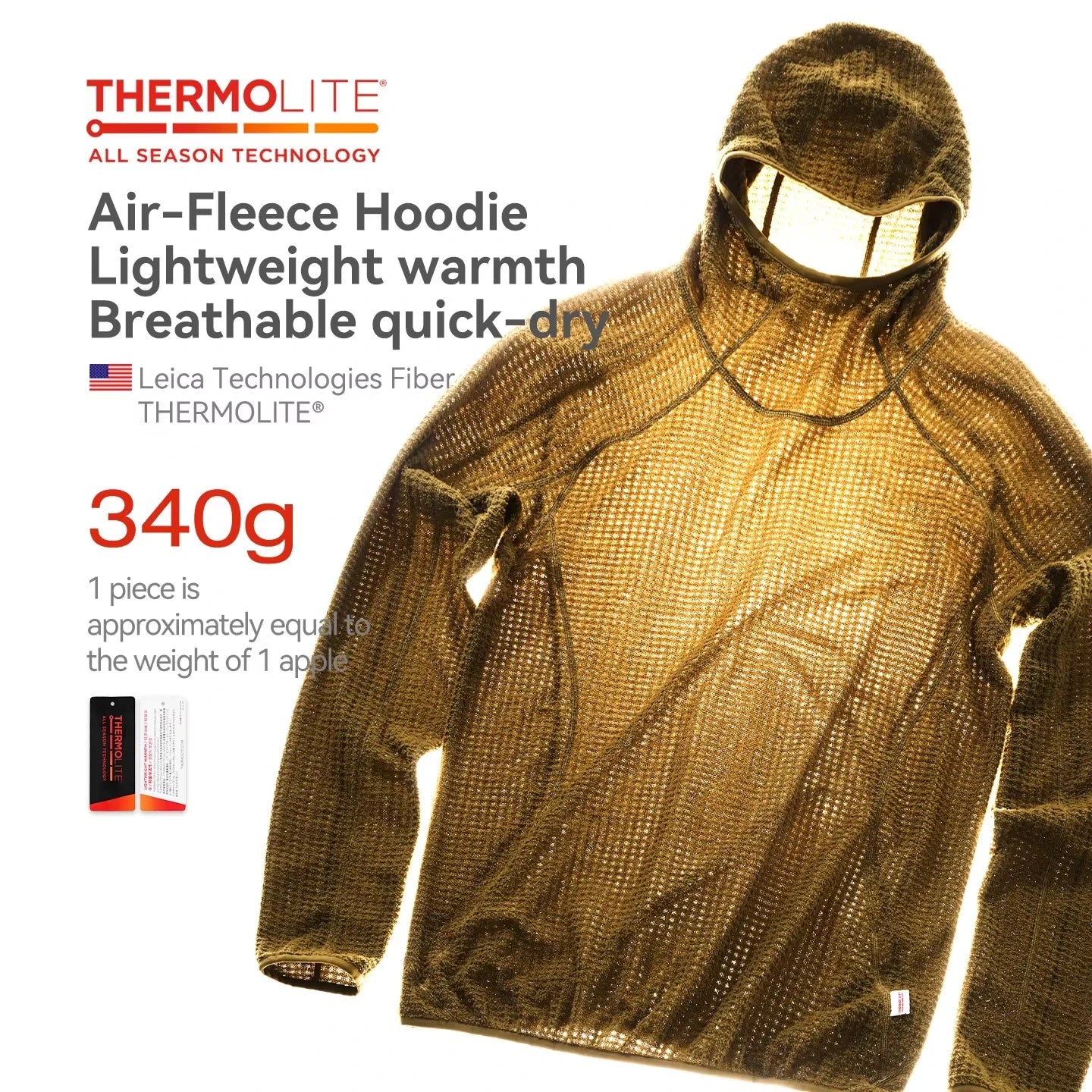
Insulated construction that defines a true mens thermal hoodie. See it in action.
What Makes a Hoodie Truly Warm?
Heavyweight Cotton vs Fleece vs Sherpa
Warmth depends on how effectively a fabric traps insulating air rather than simply adding weight. That's why a well-designed fleece or sherpa-lined hoodie can outperform a heavier sweatshirt made from plain cotton. The warmest hooded sweatshirt combines quality insulation with construction that minimizes heat loss.
Many bulky hoodies feel substantial but perform poorly outdoors because they use loose-knit fabrics that allow warm air to escape. Flat cotton also absorbs moisture more readily, reducing insulation when conditions become damp or when you begin to sweat.
Key Fabric Technologies That Actually Work
The most insulated hoodie mens designs use advanced construction techniques that improve thermal efficiency without making the garment excessively bulky. Features that consistently improve warmth include:
- Brushed fleece interiors that trap warm air close to the body.
- Double-knit fabrics that reduce heat loss through the outer shell.
- High-density weaves that improve wind resistance.
- Thermal-engineered fibers that maximize warmth while remaining lightweight.
Synthetic Insulation vs Wool Blends
Synthetic insulation dries quickly, maintains loft after repeated washing, and performs well during active use. Wool blends naturally regulate temperature and continue insulating even when slightly damp, although they typically require more careful maintenance. For most people seeking the best thermal hoodie, modern synthetic insulation offers an excellent balance of warmth, durability, and easy care.
Warmth-to-Weight Ratio
The best-performing hoodies maximize warmth without unnecessary bulk. Heavyweight fleece and technical thermal fabrics generally provide a better warmth-to-weight ratio than standard heavyweight cotton alone, making movement easier while maintaining consistent insulation.
Breathability and Moisture Management
Warmth isn't only about retaining heat—it's also about preventing moisture buildup. Hoodies that allow perspiration to escape help maintain a stable body temperature during walking, commuting, hiking, and outdoor work. Breathable insulation often feels warmer over time because damp clothing loses insulating performance much faster than dry fabric.
Materials Ranked by Warmth Performance
- Sherpa lining: Outstanding insulation for prolonged exposure to freezing temperatures.
- Heavyweight fleece: Excellent balance of warmth, breathability, and everyday comfort.
- Thermal performance fabrics: Lightweight construction with impressive heat retention for active users.
- Cotton-poly blends: Durable, versatile, and suitable for moderate winter conditions.
Understanding these materials makes it easier to compare hoodies beyond marketing claims and identify the option best suited to your climate and daily activities.
See how advanced insulation changes everything
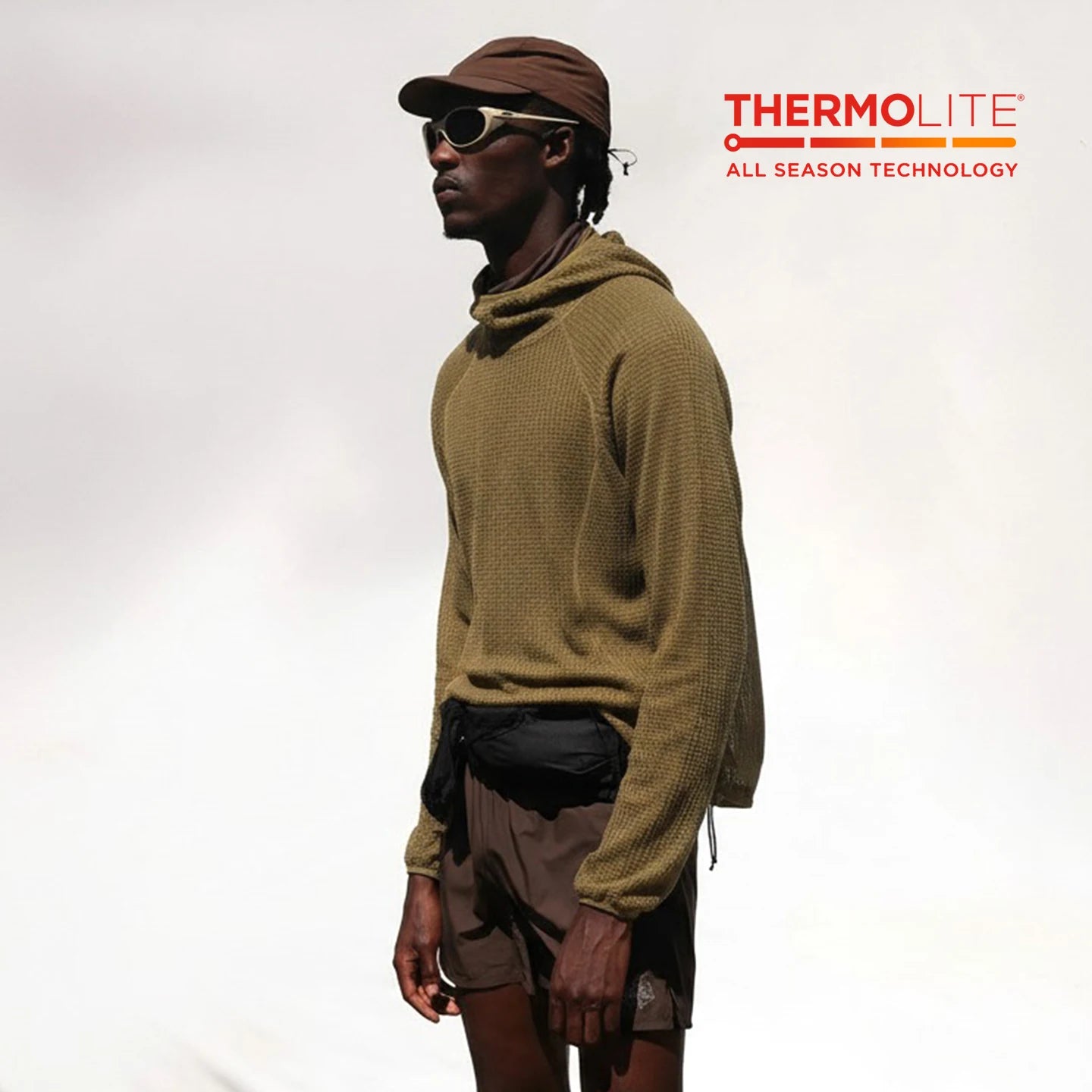
Designed for movement and warmth — a best winter hoodie in real conditions. See it in action.
Warm Hoodie Comparison: What Matters Most
| Comparison Factor | Standard Hoodie | Mens Thermal Hoodie |
|---|---|---|
| Warmth | Basic insulation with noticeable heat loss in wind | Engineered to retain body heat efficiently |
| Durability | Varies by fabric quality | Typically reinforced for repeated winter use |
| Comfort | Can become damp during extended wear | Better moisture management and consistent comfort |
| Fit | Often loose with minimal sealing around cuffs and hood | Designed to reduce drafts while allowing comfortable movement |
| Value for Money | Lower upfront cost but may require additional layers | Higher performance and better long-term cold-weather value |
Comparing hoodies using standardized criteria makes it easier to identify the best warm hoodie for your needs. Instead of focusing on thickness alone, consider how each garment balances insulation, comfort, durability, and overall value throughout an entire winter season.
Check availability of the Thermolite Hooded Sweatshirt
Real-World Winter Performance
Temperature Testing Scenarios
Different hoodie styles excel under different conditions. Sherpa-lined hoodies provide maximum insulation below 0°C, heavyweight fleece performs exceptionally well between 0°C and 10°C, while thermal hoodies offer reliable warmth during movement without excessive bulk. Selecting the right option depends on both temperature and activity level.
User Feedback vs Manufacturer Claims
Real-world experience consistently shows that overall construction matters more than advertising claims. Hoodies with secure cuffs, adjustable hoods, quality insulation, and an appropriate fit generally outperform heavier garments that lack these features. Users also report that breathable fabrics remain more comfortable during long periods of wear because they reduce moisture buildup.
Best Hoodies by Climate
- Below 0°C: Sherpa-lined hoodies or heavyweight insulated models.
- 0–10°C: Heavyweight fleece-lined hoodies.
- 10–15°C: Midweight fleece or thermal hoodies.
- Variable weather: Thermal hoodies layered beneath a windproof shell.
Best Hoodies by Activity
- Daily commuting: Heavyweight fleece for warmth and versatility.
- Outdoor work: Durable heavyweight cotton blends with wind resistance.
- Hiking and camping: Lightweight thermal hoodies that layer easily.
- Relaxing outdoors: Sherpa-lined hoodies for maximum comfort.
Cold-weather confidence starts with the right hoodie. See it in action.
How to Choose the Warmest Hoodie for Your Needs
Choose by Climate
Match your hoodie to the temperatures you experience most often. Sherpa-lined or 400+ GSM hoodies are ideal for severe winter conditions, while fleece-lined options offer excellent comfort for everyday cold weather. Mild climates generally require only a quality midweight fleece or thermal hoodie.
Choose by Activity
Your activity level influences the type of insulation that performs best. Static activities such as spectating or outdoor work benefit from maximum insulation, while walking, hiking, or commuting are usually more comfortable in breathable thermal hoodie mens designs that help regulate body temperature.
Choose by Fit and Layering
A properly fitting hoodie traps warm air more effectively than an oversized one. Look for adjustable hoods, ribbed cuffs, and a hem that covers the waist to reduce drafts. Leave enough room underneath for a lightweight base layer without creating excessive air gaps that allow heat to escape.
Choose by Budget
Budget-friendly fleece hoodies provide dependable everyday warmth, while premium insulated models typically offer better construction, improved durability, and more effective heat retention. Investing in a higher-quality hoodie can reduce the need for multiple layers and improve long-term comfort throughout the winter months.
How to Care for a Warm Hoodie
Proper care helps preserve insulation, maintain fabric loft, and extend the lifespan of your favorite winter hoodie. Following the manufacturer's care instructions while using a few best practices will keep your hoodie performing well season after season.
Washing Without Losing Loft
- Wash in cold water using a gentle cycle to protect fleece and thermal fibers.
- Turn the hoodie inside out before washing to reduce surface wear and pilling.
- Use a mild detergent and avoid bleach or harsh cleaners.
Drying and Storage
Air drying is the safest option for preserving insulation. If machine drying is necessary, use the lowest heat setting to minimize shrinkage and protect synthetic fibers. Store hoodies folded rather than hanging to help maintain their shape.
Preventing Shrinkage
High temperatures are the primary cause of shrinkage in cotton-rich hoodies. Washing with cold water and avoiding high-heat drying helps preserve both fit and warmth over time.
Extending Hoodie Lifespan
Repair loose seams promptly, wash only when necessary, and rotate between multiple hoodies during winter if possible. These simple habits reduce wear while helping insulation remain effective for years.
Get yours now — limited stock!
Frequently Asked Questions
What is the warmest hoodie material?
Sherpa-lined hoodies generally provide the highest level of insulation for extremely cold weather, while heavyweight fleece offers the best balance of warmth, comfort, and breathability for everyday winter use.
Which hoodie keeps you the warmest in winter?
A hoodie with a 400+ GSM outer fabric paired with a sherpa or premium fleece lining delivers excellent cold-weather performance. Wind-resistant construction and a well-fitting hood also improve overall warmth.
Are heavyweight hoodies warmer than fleece?
Not necessarily. Heavyweight cotton adds durability, but fleece traps warm air more efficiently. A quality fleece-lined hoodie often feels warmer than a heavier cotton sweatshirt of similar weight.
How many GSM is considered warm?
Most hoodies above 300 GSM provide good insulation for cool weather, while 400 GSM and above are generally preferred for cold winter conditions.
Are sherpa-lined hoodies warmer than fleece?
Yes. Sherpa linings typically provide greater insulation than standard fleece because they trap more air. However, fleece-lined hoodies are usually lighter, more breathable, and better suited for everyday wear or active use.
Can a hoodie replace a winter jacket?
In cool or moderately cold conditions, a heavyweight insulated hoodie may be enough on its own. During freezing temperatures, strong winds, or wet weather, combining a warm hoodie with a weather-resistant outer jacket provides significantly better protection.
Related Guide: Thermal Hooded Sweatshirts Explained: Features That Lock In Heat













