Do HEPA filter vacuums really improve home air quality?
A HEPA filter vacuum can improve indoor air quality by capturing up to 99.97% of fine particles such as dust, pollen, pet dander, and other microscopic debris when used in a properly sealed system. The main benefits of HEPA filter vacuum technology include reducing airborne dust circulation, improving allergen control, and helping homes stay cleaner between vacuuming sessions.
HEPA Filter Vacuum Benefits for Healthier Homes
Struggling with recurring dust, allergy triggers, or a home that still feels dusty after cleaning? A standard vacuum may remove visible debris, but smaller particles can escape back into the air. Understanding the HEPA filter vacuum benefits helps explain why advanced filtration systems are becoming a preferred choice for healthier everyday cleaning.
A washable HEPA filter vacuum combines high-efficiency particle capture with reusable filter technology. It helps reduce indoor dust buildup, lowers long-term maintenance costs, and provides a more sustainable way to maintain cleaner living spaces.
⏱ 7 min read
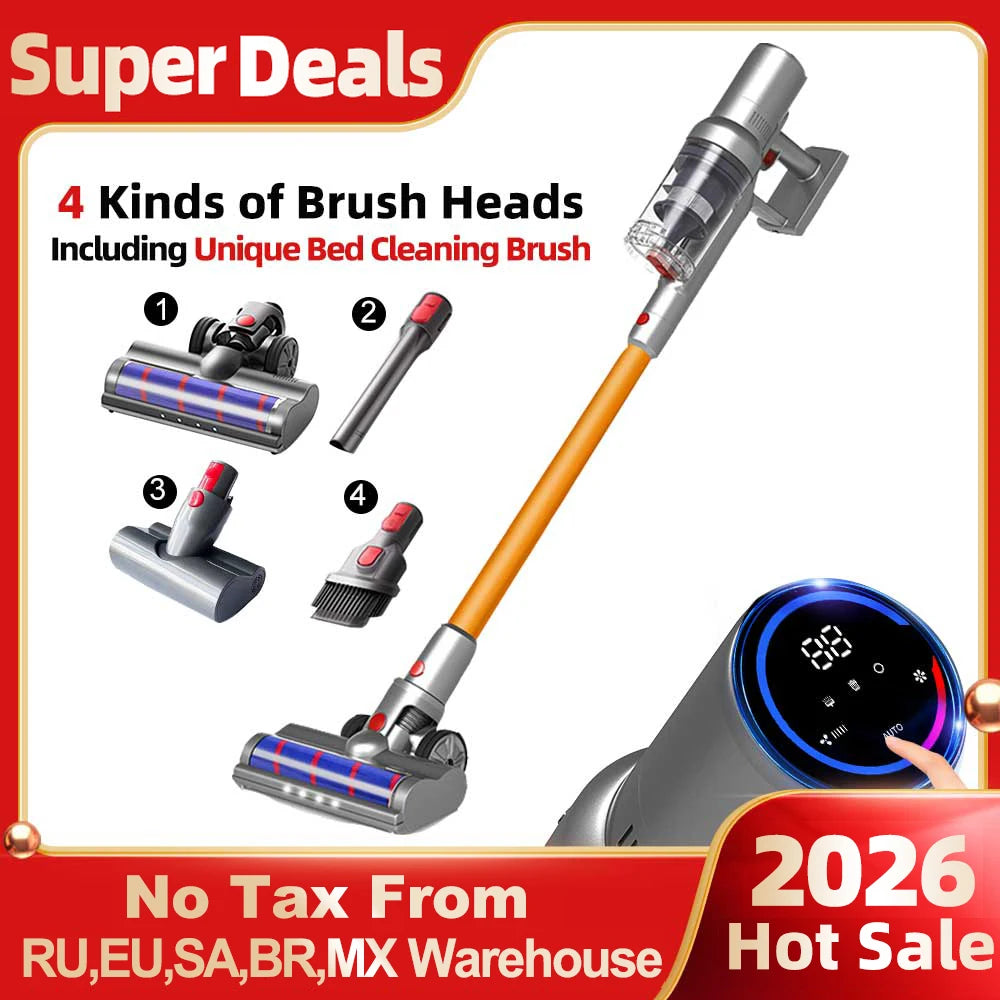
A washable HEPA filter vacuum captures fine dust and allergens efficiently
How HEPA Filtration Works (And Why It Matters)
Understanding how HEPA filters improve air quality starts with knowing how these filters capture particles that ordinary vacuum systems may release back into the room.
What qualifies as a true HEPA filter
True HEPA filters are designed to capture at least 99.97% of particles measuring 0.3 microns in laboratory testing conditions. This efficiency level comes from a dense network of fibers that traps particles through interception, impaction, and diffusion.
Not every product labeled “HEPA” provides the same performance. HEPA-like filters may offer basic filtration but typically do not meet the same particle capture standards as true HEPA filtration.
How HEPA filters capture microscopic particles
Unlike basic filters that mainly block larger debris, HEPA filters target extremely small particles. As air passes through the filter material, fine dust, pollen, and allergen particles become trapped instead of being released into the indoor environment.
Why sealed filtration systems matter
A sealed vacuum design prevents collected particles from escaping around the filter housing. Even a high-quality HEPA filter performs best when the entire airflow path is designed to maintain filtration efficiency.
Benefits of HEPA Filter Vacuums for Healthier Homes
Cleaner indoor air
One of the main benefits of HEPA filter vacuum technology is improved dust control. By capturing smaller particles before they circulate, HEPA vacuums help create a cleaner indoor environment, especially in homes where dust accumulates quickly.
Reduced allergens
HEPA vacuum systems are especially useful for households dealing with common allergens. They capture particles such as pollen, dust mite debris, and pet dander that can contribute to indoor irritation.
Improved dust control
Fine dust can settle on furniture, floors, and fabrics shortly after cleaning. HEPA filtration helps reduce the amount of airborne dust that spreads throughout the home.
Better everyday cleaning performance
A vacuum with efficient filtration does more than remove visible dirt. It supports deeper cleaning by capturing smaller contaminants that traditional vacuum systems may leave behind.
Benefits of a Washable HEPA Filter Vacuum
Lower maintenance costs
The benefits of washable HEPA filter vacuum systems include reduced spending on replacement filters. Instead of purchasing new filters frequently, users can clean and reuse the filter according to manufacturer instructions.
Reduced waste
Reusable filtration reduces the number of disposable filter components sent to landfills. This makes washable HEPA vacuums a practical choice for households looking for lower-waste cleaning solutions.
Long-term ownership value
A washable HEPA filter vacuum can provide better long-term value when properly maintained. Although it requires regular cleaning, the ability to reuse the filter reduces ongoing operating expenses.
Proper cleaning for consistent performance
Washable filters maintain airflow more effectively when cleaned regularly. A clogged filter can reduce suction power and make the vacuum work harder.
Washable vs Replaceable HEPA Filters
Filtration performance
Both washable and replaceable HEPA filters can provide excellent filtration when properly designed. Performance depends more on filter quality, vacuum sealing, and maintenance habits than whether the filter is reusable.
Maintenance requirements
Washable filters require cleaning, rinsing, and complete drying before reuse. Replaceable filters require less hands-on care but need regular purchases to maintain performance.
Cost over time
| Feature | Washable HEPA Filter | Replaceable HEPA Filter |
|---|---|---|
| Upfront cost | May be higher | Often lower |
| Long-term cost | Lower with proper care | Higher due to replacements |
| Maintenance | Requires washing and drying | Requires replacement |
| Waste | Reduced disposable waste | More filter waste |
Which option is better for your home
A washable HEPA filter is ideal for users who prefer reusable products and do not mind regular maintenance. Replaceable filters may suit households that prioritize convenience over long-term savings.
HEPA vs Standard Vacuum Filters
HEPA vs HEPA-like
HEPA and HEPA-like filters are not identical. True HEPA filters follow stricter efficiency standards, while HEPA-like products may provide less consistent fine-particle capture.
Particles each filter captures
| Feature | HEPA Filter Vacuum | Standard Vacuum |
|---|---|---|
| Fine particle capture | Up to 99.97% efficiency | Limited fine dust capture |
| Pet dander control | Strong | Basic |
| Indoor air impact | Helps reduce airborne particles | May release some fine dust |
When HEPA makes the biggest difference
HEPA filtration provides the most value in homes with pets, carpets, allergy concerns, children, or frequent dust buildup.
Do HEPA Vacuums Remove Allergens Effectively?
Pet dander
A HEPA vacuum for allergies can capture pet dander and microscopic skin particles that often collect in carpets, furniture, and bedding.
Dust mites and pollen
HEPA filtration helps remove dust mite debris and pollen brought indoors through shoes, clothing, and open windows.
Fine dust and asthma triggers
Reducing airborne fine dust may help create a more comfortable environment for people sensitive to household particles. However, vacuum filtration should be combined with broader cleaning strategies.
Limitations of HEPA filtration
HEPA filters capture particles but do not kill bacteria, viruses, or remove chemical odors. They work best alongside ventilation, regular cleaning, and humidity control.
What Pollutants Can a HEPA Vacuum Capture?
Fine dust
HEPA vacuums capture tiny dust particles that can remain airborne after normal cleaning. These particles commonly come from fabrics, flooring, and everyday household activity.
Pet hair and dander
Homes with animals often contain a combination of visible hair and microscopic dander. HEPA filtration helps collect both during routine vacuuming.
Pollen and mold spores
Outdoor particles such as pollen and certain airborne spores can enter homes through doors, windows, and clothing. HEPA systems help reduce these contaminants during cleaning.
Smoke particles and other fine debris
Fine particles from cooking, dust, and environmental sources can accumulate indoors. HEPA filtration helps capture these small airborne particles when vacuuming.
How to Maintain a Washable HEPA Filter for Best Performance
How often to wash
Most washable HEPA filters should be cleaned every few weeks to a few months depending on usage, household dust levels, and manufacturer recommendations.
When replacement is still necessary
Even reusable filters eventually wear out. Replace a washable filter if it becomes damaged, permanently clogged, develops odors, or no longer restores airflow after cleaning.
Common maintenance mistakes
- Installing the filter while it is still wet
- Using harsh chemicals that damage filter fibers
- Ignoring visible dust buildup
- Cleaning less often than recommended
Who Benefits Most From a HEPA Filter Vacuum?
Allergy sufferers
People sensitive to dust and pollen may benefit from improved particle control with a HEPA vacuum for allergies.
Pet owners
Homes with cats or dogs often need stronger filtration because pet dander can spread easily through carpets and upholstery.
Families with children
Children spend more time close to floors where dust and debris accumulate. Better filtration supports cleaner everyday living spaces.
High-dust homes
Homes near busy roads, construction areas, or with frequent foot traffic may benefit from stronger dust capture.
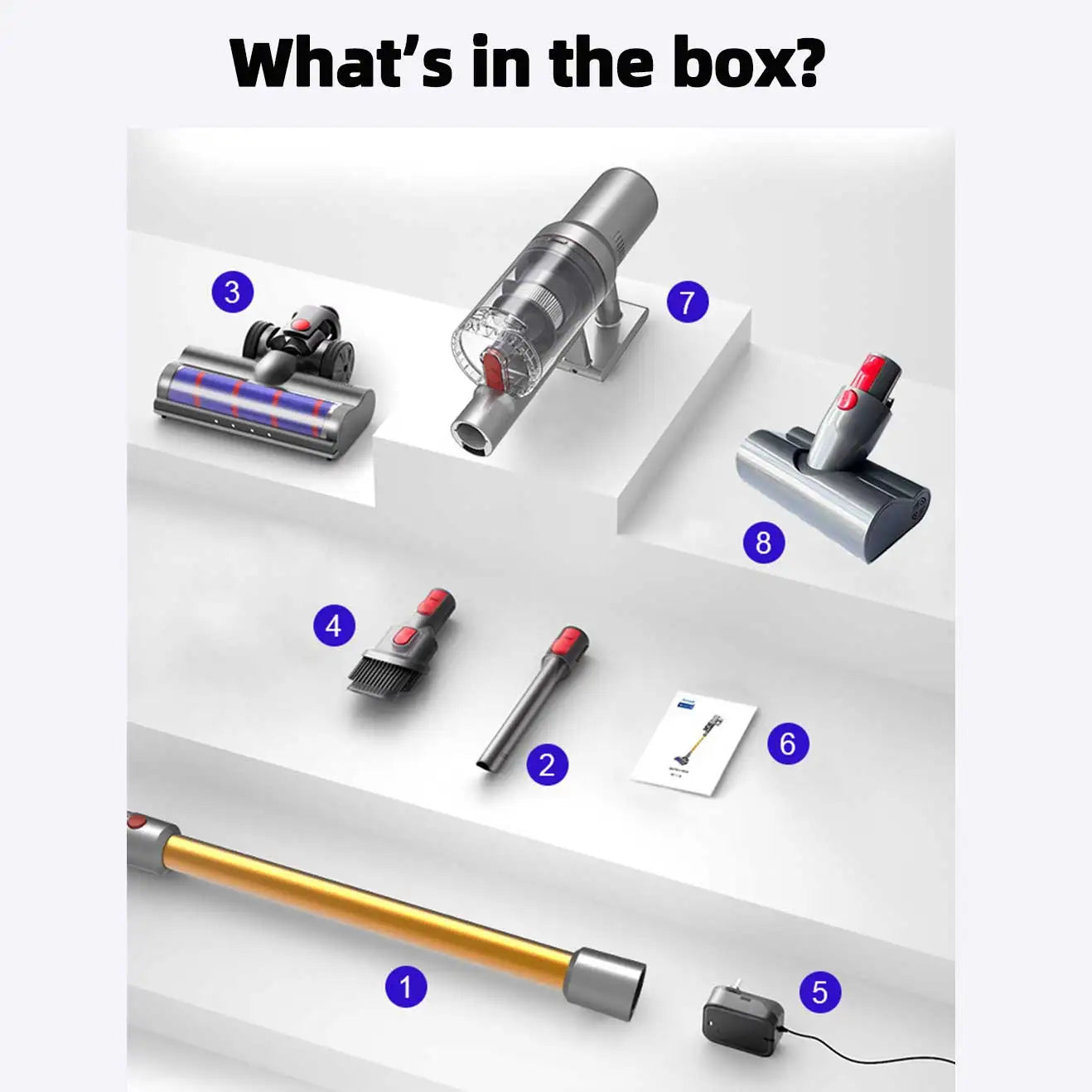
Cordless HEPA vacuum cleaner design supports fast daily cleanups
Is a HEPA Filter Vacuum Worth It?
When it provides the most value
A HEPA filter vacuum is worth considering for households that want better dust control, have pets, experience frequent allergies, or need consistent indoor cleaning performance.
Situations where a standard vacuum is sufficient
A standard vacuum may be enough for low-dust homes without pets or allergy concerns, especially when cleaning needs are limited.
Key buying considerations
When choosing a HEPA vacuum, consider filtration quality, sealed airflow design, maintenance requirements, battery life for cordless models, and availability of replacement parts.
Frequently Asked Questions
What is the difference between True HEPA and HEPA-like filters?
True HEPA filters meet stricter particle capture standards, while HEPA-like filters may provide lower filtration efficiency.
Is a washable HEPA filter better than a replaceable one?
A washable HEPA filter can be better for long-term cost savings and reduced waste, while replaceable filters may offer greater convenience.
Can HEPA vacuums reduce allergy symptoms?
HEPA vacuums can reduce airborne allergens such as dust and pet dander, which may improve comfort for allergy-sensitive users.
Do HEPA vacuums remove bacteria and viruses?
HEPA filters capture many particles but do not disinfect surfaces or guarantee removal of all microorganisms.
How often should a washable HEPA filter be cleaned?
Cleaning frequency depends on usage, but many households benefit from cleaning every few weeks to maintain airflow.
Does a HEPA filter lose effectiveness after washing?
When washed correctly and fully dried, many washable HEPA filters maintain effective performance over multiple cleaning cycles.
Why is a sealed vacuum system important?
A sealed system helps prevent captured particles from leaking back into the room and allows the HEPA filter to work more effectively.
Is a HEPA vacuum worth it for homes without pets?
Yes. Even homes without pets can benefit from improved dust control, especially in areas with carpets, frequent activity, or allergy concerns.
Related Guide: Smart Dust Sensor Technology That Delivers Smarter Cleaning