

What Is the Safest Wax Blocked Ears Treatment You Can Do Yourself?
Wax blocked ears treatment is safest when it focuses on softening and gently removing buildup—without pushing it deeper into the ear canal. A simple, evidence-based routine using ear drops followed by controlled rinsing can relieve pressure, improve hearing, and restore comfort within minutes in many cases.
When home treatment is appropriate
You can safely try a blocked ear remedy wax approach at home if:
- You have mild to moderate fullness or muffled hearing
- There is no pain, discharge, or fever
- Your symptoms developed gradually
- You have no history of eardrum damage or ear surgery
Who should not treat earwax at home
Avoid self-treatment and seek medical care if you:
- Have sharp pain or sudden hearing loss
- Notice fluid, pus, or bleeding
- Have a perforated eardrum or ear tubes
- Feel severe dizziness or imbalance
In these cases, home care may worsen the condition and delay proper treatment.
How to Tell If Your Ear Is Clogged With Wax (or Something Else)
Key symptoms of earwax blockage
If you're wondering what to do if your ear is clogged with wax , start by identifying common symptoms:
- Fullness or pressure in the ear
- Muffled or reduced hearing
- Ringing (tinnitus)
- Itching in the ear canal
- Mild dizziness in more advanced cases
Signs it might NOT be wax (infection, fluid, pressure)
Not all clogged ears are caused by wax. Watch for:
- Persistent or sharp ear pain
- Drainage or pus
- Fever or fatigue
- Sudden hearing loss
When symptoms require urgent medical evaluation
Seek urgent care if symptoms appear suddenly, worsen quickly, or are accompanied by neurological signs (like severe dizziness or imbalance). These may indicate infection, pressure-related injury, or inner ear conditions rather than wax buildup.
What to Do If Your Ear Is Clogged With Wax (Safe, Step-by-Step Guide)
⏱ 6 min read — Earwax buildup is one of the most common causes of temporary hearing changes. The good news: most cases can be treated safely at home using gentle, proven methods—without inserting tools into your ear.

Blocked ear feeling from wax? See it in action and feel the difference.
Why Earwax Buildup Happens (And Who Is Most at Risk)
Earwax (cerumen) protects your ears by trapping dust and bacteria. Normally, it moves outward naturally. But certain factors can cause buildup and blockage.
- Using cotton swabs (pushes wax deeper)
- Narrow or curved ear canals
- Frequent earbud or hearing aid use
- Dry or sticky earwax consistency
Higher-risk groups include older adults, people with frequent headphone use, and those who clean their ears too often.
How to Clear a Blocked Ear From Wax at Home (Step-by-Step)
Step 1 – Soften the wax safely
Start with ear drops (saline, mineral oil, or OTC solutions) 1–2 times daily for 2–3 days. This breaks down hardened wax and reduces the risk of impaction.
See full instructions here: how to remove earwax safely at home step by step .
Step 2 – Gentle ear flushing method
- Use body-temperature water
- Gently flush using a bulb syringe or controlled irrigation
- Allow water to drain naturally
- Dry outer ear gently
For easier, controlled cleaning, devices like the KentDO Electric Ear Cleaner help regulate water flow and improve safety.
Step 3 – What to do if wax doesn’t come out
- Repeat softening for several more days
- Avoid inserting objects
- Stop if discomfort occurs
When to stop home treatment
Stop immediately if you feel pain, dizziness, or worsening symptoms. Persistent blockage may indicate impacted wax requiring professional care.
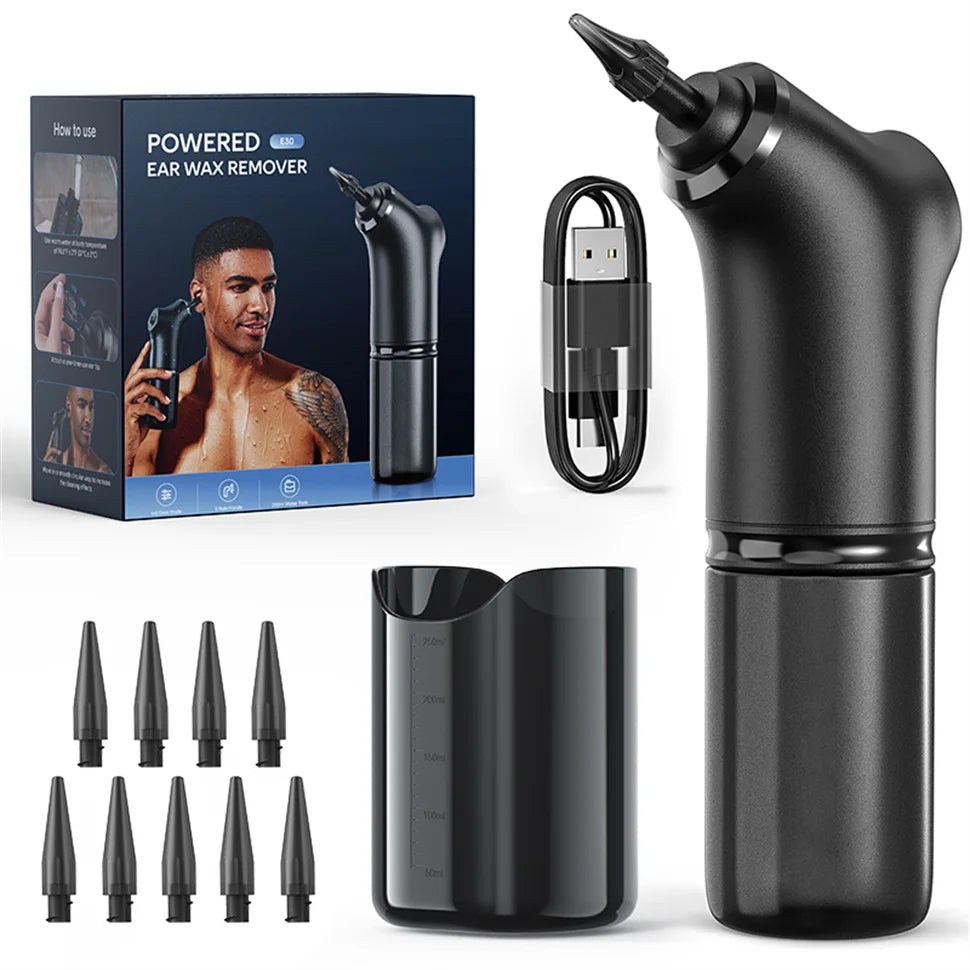
Home ear rinse made easy — see it in action.
Wax Blockage in Ear Home Remedies: What Works vs What Doesn't
Proven safe remedies
- Saline or sterile water drops
- Mineral or baby oil
- OTC earwax softening drops
Remedies with limited evidence
- Low-concentration hydrogen peroxide (can help but may irritate)
- Warm compress (relieves pressure but doesn’t remove wax)
Remedies to avoid
- Cotton swabs
- Ear candling
- Sharp or metal tools
- High-concentration peroxide
What NOT to Do If Your Ear Is Clogged With Wax
Why cotton swabs make impaction worse
They push wax deeper into the canal, increasing blockage risk.
Why ear candling is unsafe
It does not remove wax and can cause burns or injury.
- Do not insert objects into the ear
- Do not use excessive pressure
- Do not treat if you have pain or damage
Learn safer techniques in Beauty & Self-Care Blog .
Professional Earwax Removal: When Home Treatment Isn't Enough
Microsuction
A precise suction method performed under direct visualization—fast and highly effective.
Irrigation
Controlled water flushing performed in clinical settings.
Manual removal
Specialized instruments are used to extract wax safely.
These treatments are recommended for impacted or hardened wax that doesn’t respond to home care.
When to See a Doctor for Earwax Blockage
Red flag symptoms
- Severe pain
- Sudden hearing loss
- Bleeding or discharge
- Dizziness
People who should avoid home removal
- Those with prior ear surgery
- Individuals with perforated eardrums
- People with chronic ear infections
Recovery after professional treatment
Most people experience immediate relief. Mild sensitivity may occur but resolves quickly.
How to Prevent Future Earwax Blockage
Safe ear care habits
- Avoid cotton swabs
- Clean only the outer ear
- Use ear drops occasionally if prone to buildup
- Take breaks from earbuds
Who may need regular ear cleaning
- Hearing aid users
- Frequent earbud users
- People with naturally heavy wax production
Prevention reduces recurrence and minimizes the need for repeated treatment.

Comfort, clarity, confidence — see it in action.
Quick Answers to Common Questions
What is the fastest wax blocked ears treatment?
Softening drops followed by gentle irrigation is typically the fastest safe method.
What should I do if my ear is clogged with wax and I can't hear?
Start with softening drops. If hearing doesn’t improve within a few days, seek professional care.
Can impacted earwax clear on its own?
Sometimes mild buildup clears naturally, but impacted wax usually requires treatment.
How long does it take ear drops to soften earwax?
Typically 2–3 days with consistent use.
Is hydrogen peroxide safe for earwax removal?
Low concentrations may help, but overuse can irritate the ear canal.
When should I avoid flushing my ear at home?
Avoid if you have pain, infection, or a perforated eardrum.
Can hearing aids increase earwax buildup?
Yes. They can trap wax and reduce natural movement out of the ear.
How can I prevent recurrent earwax blockage?
Use safe cleaning habits and occasional softening drops if needed.
Related Guide: How to Remove Earwax Safely at Home Step by Step













