

Do Wax Burns on Upper Lip Heal Fast?
Quick answer: Most mild wax burns on the upper lip heal within 3–7 days when treated correctly. Moderate burns may take 7–14 days, while more severe burns involving blistering or skin lifting can take up to 2–3 weeks.
Healing speed depends on burn severity, how quickly first aid is applied, skin sensitivity, and whether the area is protected from irritation, friction, and sun exposure.
Wax Burn Upper Lip: Fast Relief, Healing Stages & Prevention Guide
Wax burns on the upper lip can feel frustrating, painful, and confidence-shaking — especially when they happen before an important event. If your skin becomes red, stings, peels, or feels unusually sensitive after waxing, the right recovery steps can help calm irritation and reduce the chance of long-term marks.
⏱ 7 min read
Discover what actually makes the difference for sensitive skin.
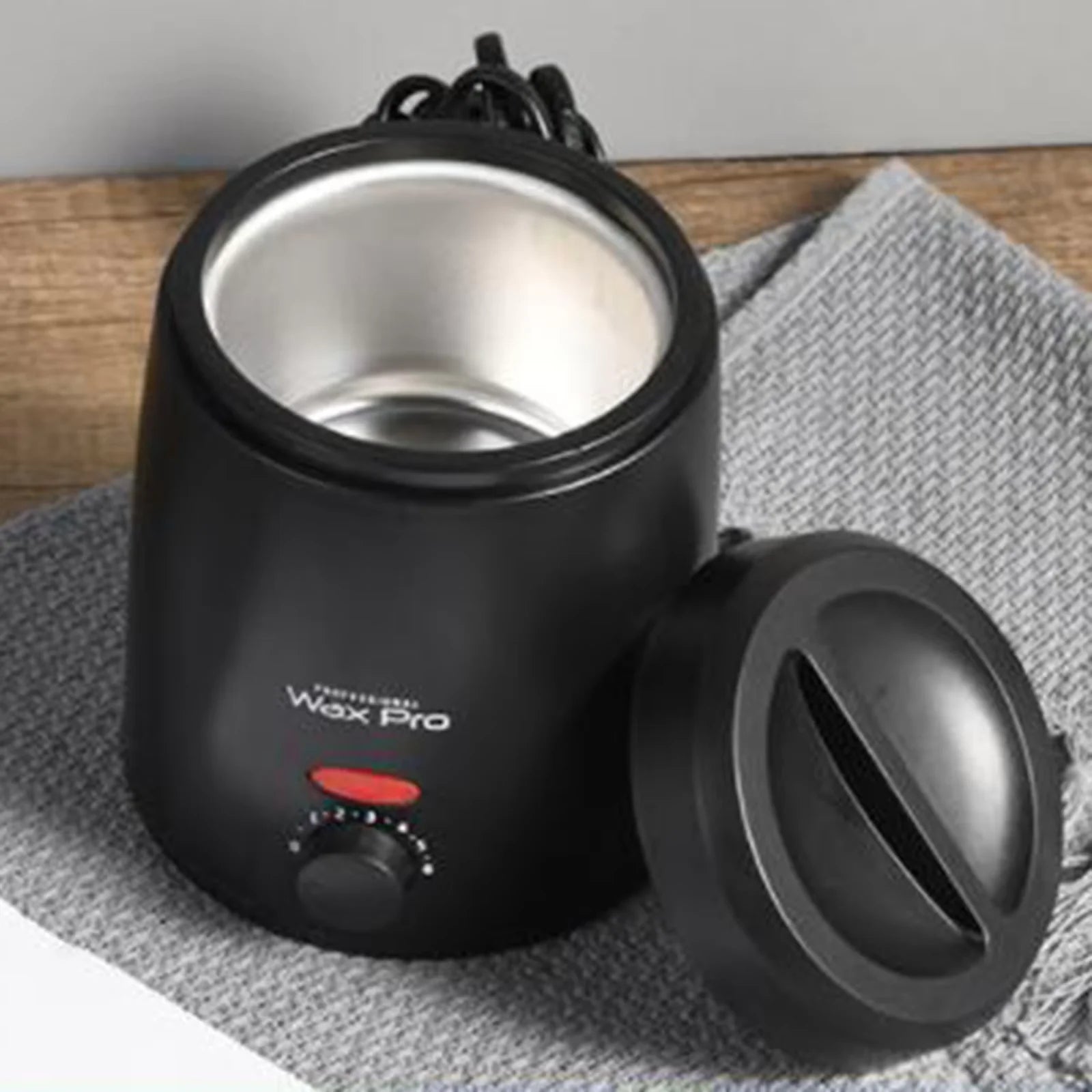
Wax burns on upper lip often start with overheated tools — See it in action
What Is a Wax Burn on the Upper Lip?
A wax burn on the upper lip happens when hot wax or aggressive removal damages the top layers of skin. This can cause redness, stinging, peeling, tenderness, and in more serious cases, blistering or raw skin.
Because the upper lip area has thin, delicate skin and experiences frequent movement and friction, it is especially vulnerable to both thermal burns from excessive heat and skin lifting caused by improper waxing technique.
Wax Burn vs Skin Lift: Know the Difference
- Wax burn: Caused by wax that is too hot. The skin usually appears red, inflamed, and may feel similar to a mild sunburn.
- Skin lift: Happens when wax removes the upper layer of skin. The area may appear shiny, raw, irritated, or may sting more intensely.
Understanding the difference helps you choose the right aftercare and avoid making the damage worse.
What to Do Immediately After a Wax Burn (First 30 Minutes)
If you have burned your upper lip from waxing, fast action can reduce discomfort, inflammation, and the risk of prolonged irritation.
- Cool the skin immediately: Apply a clean cool compress for 10–15 minutes. Avoid placing ice directly on the skin.
- Clean gently: Use lukewarm water and a mild cleanser if wax residue remains.
- Protect the barrier: Apply a fragrance-free soothing moisturizer, aloe vera gel, or barrier ointment.
- Avoid touching: Do not rub, scratch, or peel irritated skin.
- Reduce exposure: Avoid sunlight, heat, and friction while the area heals.
Taking care of the skin during the first 30 minutes can make recovery smoother and reduce the chance of dark marks.
Wax Burn Severity: Mild vs Moderate vs Severe
- Mild: Redness, slight irritation, and sensitivity without broken skin. Usually heals within a few days.
- Moderate: Strong redness, swelling, peeling, or discomfort. Healing may take more than one week.
- Severe: Blisters, raw skin, shiny areas, or visible skin lifting. Higher risk of infection and scarring.
Signs of Infection or Complications
- Increasing pain after 48 hours
- Pus or yellow discharge
- Swelling or warmth spreading beyond the burned area
- Fever or persistent tenderness
If these symptoms appear, seek medical advice promptly.
Why the Upper Lip Burns So Easily
The upper lip is one of the most sensitive areas for waxing because the skin barrier is thinner than many other facial areas.
- Thin skin provides less protection from heat
- Small areas heat quickly during waxing
- Repeated waxing can weaken the skin barrier
- Facial skin reacts faster to irritation and temperature changes
Common Causes of Upper Lip Wax Burns
Most upper lip wax burns happen because of a combination of heat, technique, and skin condition.
- Wax that is too hot: Excessive temperature can immediately irritate delicate facial skin.
- Repeated waxing passes: Going over the same area multiple times increases irritation.
- Sensitive skin: Thin or damaged skin is more likely to react.
- Poor removal technique: Pulling incorrectly can remove skin along with hair.
- Active skincare products: Retinol, acids, and exfoliants can increase sensitivity.
This is why many users explore controlled tools from the Skin and Beauty Care Devices collection to reduce temperature guesswork.
Immediate Relief for Wax Burns on Upper Lip
The goal after a wax burn is to cool the skin, reduce inflammation, and rebuild the damaged skin barrier.
- Apply a cool compress for 10–15 minutes
- Cleanse gently with lukewarm water
- Pat dry without rubbing
- Apply a soothing fragrance-free product
Clinically Proven Soothing Ingredients
- Aloe vera: Helps calm redness and provides hydration.
- Panthenol (Vitamin B5): Supports skin repair and moisture retention.
- Centella asiatica: Helps soothe irritated skin.
- Petrolatum: Protects the skin barrier and prevents moisture loss.
What NOT to Do After a Wax Burn
- Do not apply ice directly to skin
- Avoid scrubs and exfoliating products
- Do not use retinol, acids, or strong actives
- Avoid heat, steam, and direct sunlight
- Do not peel damaged skin
How to Heal a Wax Burn on Upper Lip Fast (Day-by-Day Recovery)
Healing Timeline: What to Expect Each Day
- Day 1: Redness and stinging are common. Focus on cooling and soothing.
- Day 2–3: Skin may feel tight or slightly peel. Continue moisturizing.
- Day 4–5: Redness usually begins fading as repair continues.
- Day 6–7: Most mild burns are nearly healed.
Consistent gentle care helps support recovery and reduces irritation during healing.
Upper Lip Wax Burn Treatment for Pigmentation & Scarring
Post-inflammatory hyperpigmentation (PIH), or dark marks after irritation, can happen after a wax burn, especially on facial skin.
How to Prevent Dark Marks (PIH)
- Apply SPF 30+ daily once the skin has healed
- Avoid picking or peeling the area
- Keep the skin moisturized
- Introduce gentle brightening ingredients like niacinamide after recovery
Protecting the skin early is one of the best ways to reduce long-term discoloration.
Step-by-Step Upper Lip Recovery Routine
- Cleanse gently twice daily
- Apply aloe vera, soothing gel, or healing ointment
- Avoid makeup for 24–48 hours if possible
- Use sunscreen after the skin barrier has recovered
- Resume active skincare only after complete healing
This routine supports calmer recovery and helps prevent unnecessary irritation.
How to Prevent Wax Burns Next Time
Pre-Wax Skin Prep
- Avoid exfoliating products 24 hours before waxing
- Skip retinoids and acids for 2–3 days before waxing
- Make sure skin is clean and dry
Safe Waxing Temperature & Technique
- Always test wax temperature before applying
- Use lower heat for facial areas
- Apply thin layers instead of thick hot wax
- Hold skin taut during removal
- Never wax the same area repeatedly
Using an adjustable hair removal heater can help maintain consistent warmth instead of repeatedly overheating wax.
Many users with sensitive skin choose options like the KentDO Wax Heater Adjustable Temperature to improve temperature control during at-home waxing.
Small temperature changes can make a big difference.
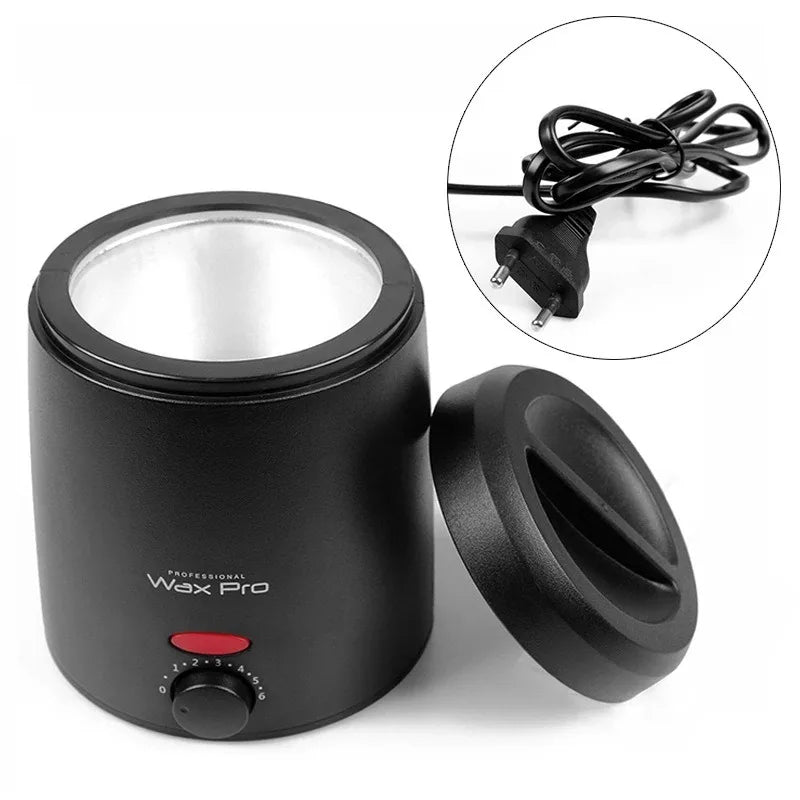
Controlled heat helps prevent hot wax burns — See it in action
When to See a Doctor
- If blistering or open skin develops
- If pain becomes worse after 48 hours
- If signs of infection appear
- If healing does not improve within 10–14 days
Professional care may help prevent complications, prolonged irritation, or scarring.
Upper Lip Wax Burn FAQ
How long do wax burns on upper lip last?
Mild wax burns usually last 3–7 days. Moderate burns may take 7–14 days, while deeper burns can require longer recovery.
How do you heal a wax burn fast?
Cool the area quickly, avoid irritation, keep the skin moisturized, and protect it from sunlight. Gentle barrier support helps the skin recover faster.
Can wax burns leave dark marks?
Yes. Wax burns can cause post-inflammatory hyperpigmentation, especially on sensitive facial skin. Sunscreen and avoiding irritation help reduce this risk.
Can I wax again after a burn?
Wait until the skin is completely healed before waxing again. Many people need at least 2–3 weeks before the area is ready.
Is home waxing safe for sensitive skin?
Home waxing can be safe when the correct temperature, technique, and aftercare are used. Sensitive skin requires extra caution.
Related Guide: Multi Purpose Wax Heater: Ideal Uses for Hair and DIY Projects













