

Ways to Reduce Leg Swelling Safely Using Compression
Leg swelling can develop after long hours of sitting, standing, or travel. If your calves feel heavy or tight, simple at-home strategies—especially compression—can help restore circulation, reduce fluid buildup, and improve daily comfort without invasive methods.
⏱ 5 min read
Gentle compression in action for ways to reduce leg swelling
Compression for Leg Swelling: What It Is and When It Helps
Does Compression Help Leg Swelling?
Compression for leg swelling works by applying controlled pressure to the lower limbs, helping move excess fluid out of tissues and back toward the heart. This makes compression therapy for leg swelling one of the most effective non-invasive ways to reduce discomfort, especially when swelling is caused by inactivity, travel, or long work hours.
Who Benefits Most from Compression Therapy
Compression is most helpful for:
- People who sit or stand for long periods
- Travel-related swelling (flights, long drives)
- Mild to moderate leg edema
- Post-exercise recovery and muscle fatigue
While highly effective, compression works best as part of a daily routine—not as a one-time fix.
Why Leg Swelling Happens (Edema Explained)
Common Causes of Leg Swelling
Leg swelling, or edema, occurs when fluid accumulates in the tissues. Common triggers include:
- Poor circulation from inactivity
- Prolonged sitting or standing
- Heat and dehydration
- Muscle fatigue or overuse
- Diet-related fluid retention
When Swelling Requires Medical Evaluation
Occasional swelling is common, but persistent or severe symptoms may signal underlying issues. Seek medical advice if you notice:
- Swelling in only one leg
- Sudden or painful onset
- Skin discoloration or warmth
- Shortness of breath or chest discomfort
How Compression Therapy Reduces Swelling
How Compression Improves Blood and Lymph Flow
Compression applies graduated pressure—strongest at the ankle and decreasing upward. This supports venous return and lymphatic drainage, preventing fluid from pooling in the lower legs.
Compression Therapy Benefits for Swollen and Sore Legs
- Reduces visible swelling in ankles and calves
- Decreases heaviness and fatigue
- Supports faster recovery after activity
- Improves overall leg comfort during long days
When Compression Can Make Leg Swelling Worse
Improper use—such as overly tight garments or incorrect sizing—can restrict circulation. Certain medical conditions also require caution, making proper selection and usage essential.
Choosing the Right Compression Level (mmHg Guide)
15–20 mmHg
Best for daily use, mild swelling, and prevention during travel or long sitting periods.
20–30 mmHg
Suitable for moderate swelling and early varicose veins. May require guidance for first-time users.
30–40 mmHg
Medical-grade compression typically used for chronic edema or more serious conditions under supervision.
How to Select the Best Compression Level
Start with 15–20 mmHg for most at-home use. Increase only if symptoms persist and after consulting a healthcare professional.
Compression Garments Compared
Compression Socks
Provide full lower-leg coverage and are ideal for daily wear and prevention.
Compression Sleeves
Focus on the calf area, making them suitable for targeted support during activity.
Compression Wraps
Adjustable and customizable, often used for more specific or uneven swelling.
Which Option Fits Your Needs
Choose based on your lifestyle: socks for convenience, sleeves for activity, and wraps for flexibility. For enhanced recovery, combining garments with devices can improve results.
| Option | Best For | Comfort |
|---|---|---|
| Compression socks | Daily wear, prevention | High |
| Compression sleeves | Calf-specific support | Moderate |
| Compression wraps | Adjustable compression | Moderate |
| Air compression leg massager | Full-leg recovery | Very High |
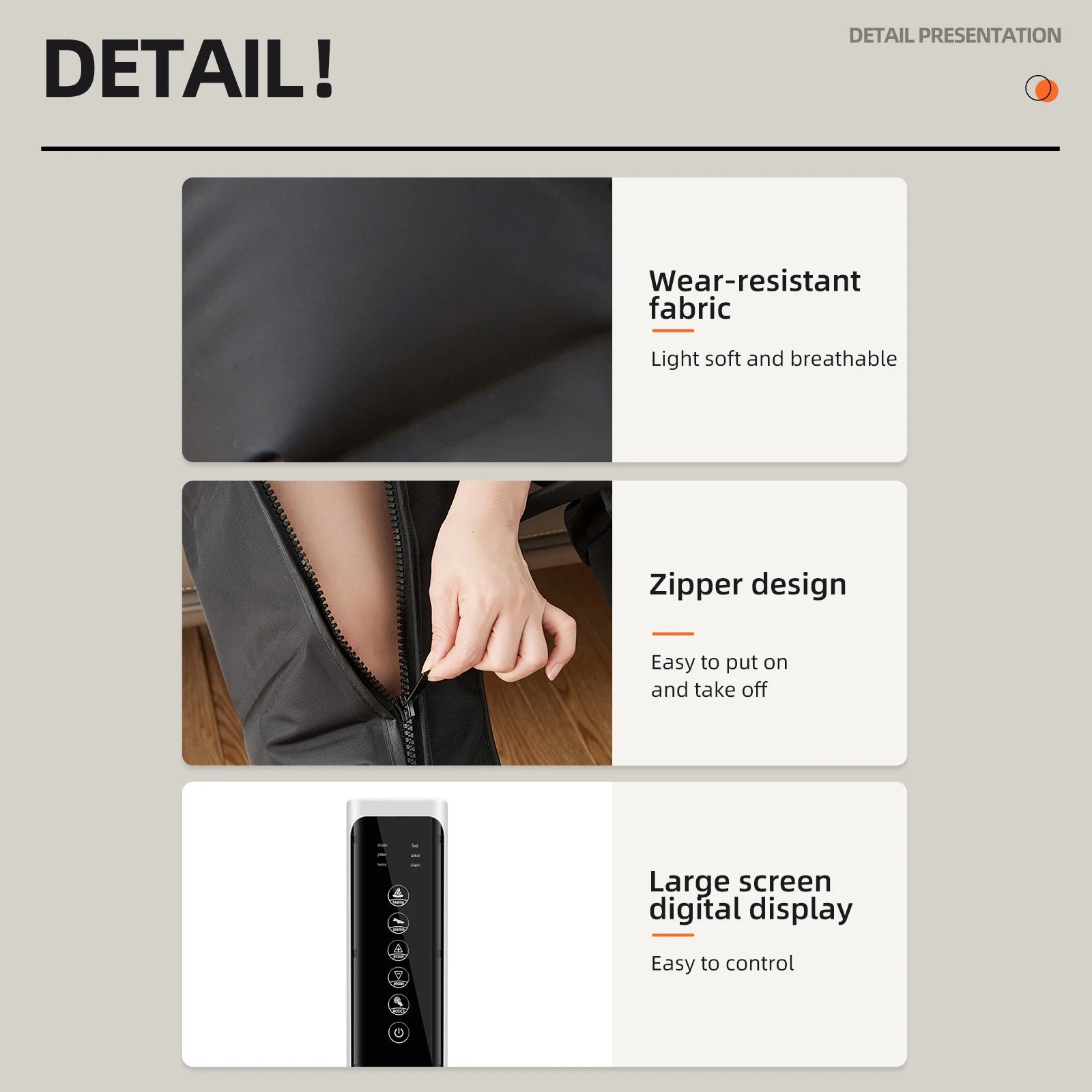
For deeper relief, some users combine wearable compression with tools like an air compression leg massager , which provides dynamic pressure to improve circulation.
How to Use Compression for Swollen Legs Safely
Proper Sizing and Fit
Correct sizing ensures effective pressure without restricting blood flow. Always follow sizing charts based on ankle and calf measurements.
Step-by-Step Application
- Wear compression in the morning before swelling starts
- Smooth out wrinkles to avoid pressure points
- Use during prolonged sitting, standing, or travel
- Remove before sleep unless advised
When to Wear Compression
Use early in the day or before periods of inactivity to prevent swelling buildup.
How Long Should You Wear Compression?
Most people benefit from wearing compression during waking hours. Remove at night unless directed by a healthcare provider.
When You Should Not Use Compression
Peripheral Arterial Disease and Other Contraindications
- Severe arterial disease
- Advanced diabetes with circulation issues
- Skin infections or open wounds
Heart Failure and Severe Swelling
Compression may not be appropriate in cases of uncontrolled heart conditions or severe fluid retention without medical supervision.
Signs to Remove Compression and Seek Care
- Numbness or tingling
- Skin discoloration
- Increased pain
- Worsening swelling
Healthy Habits That Improve Compression Results
Walking and Calf Muscle Pump
Regular movement activates the calf muscles, helping push blood upward and prevent fluid buildup.
Leg Elevation
Elevating legs above heart level for 15–30 minutes helps drain excess fluid and reduce pressure.
Weight Management and Hydration
Maintaining a healthy weight and staying hydrated supports long-term circulation and reduces swelling risk.
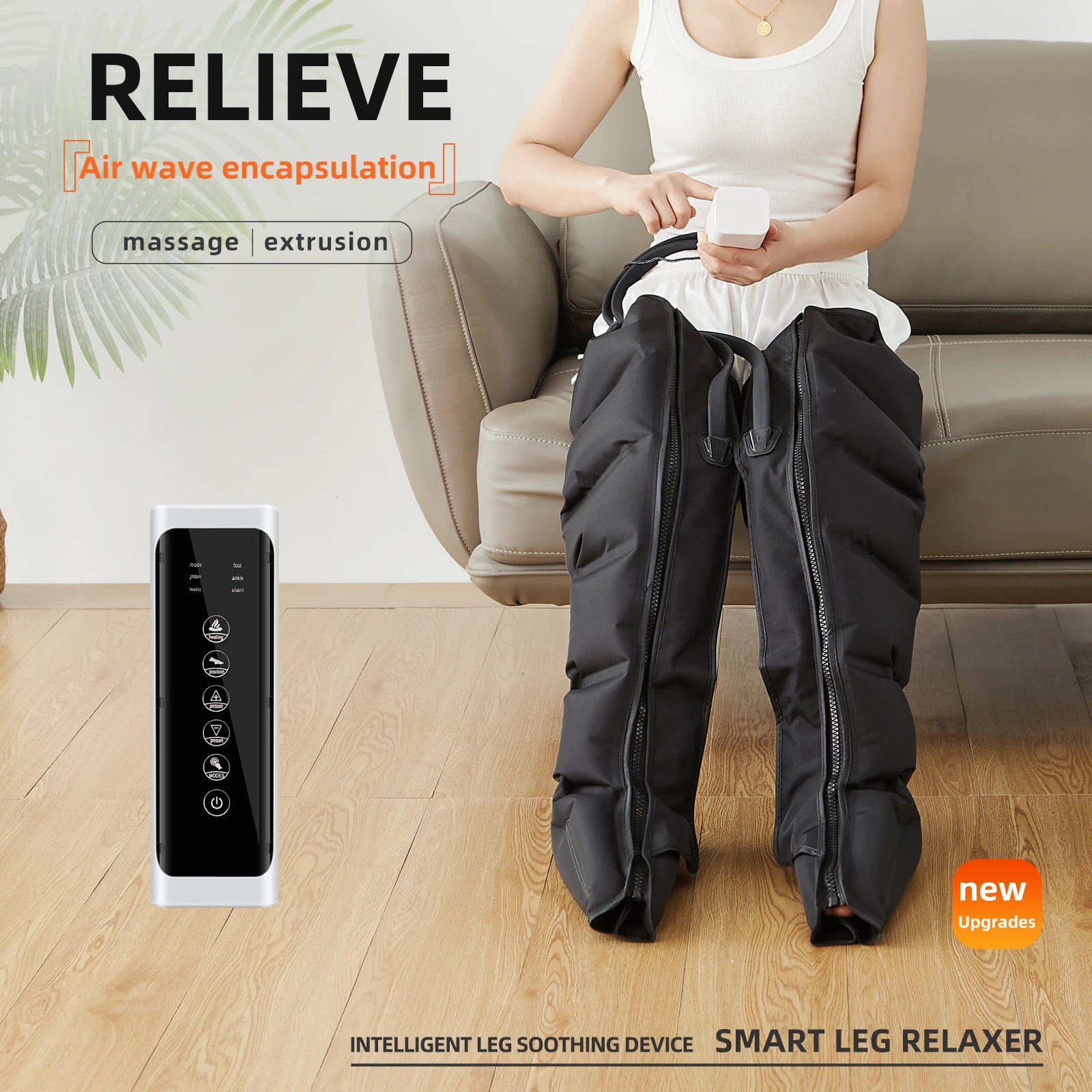
Pairing compression with relaxation tools for calf swelling relief
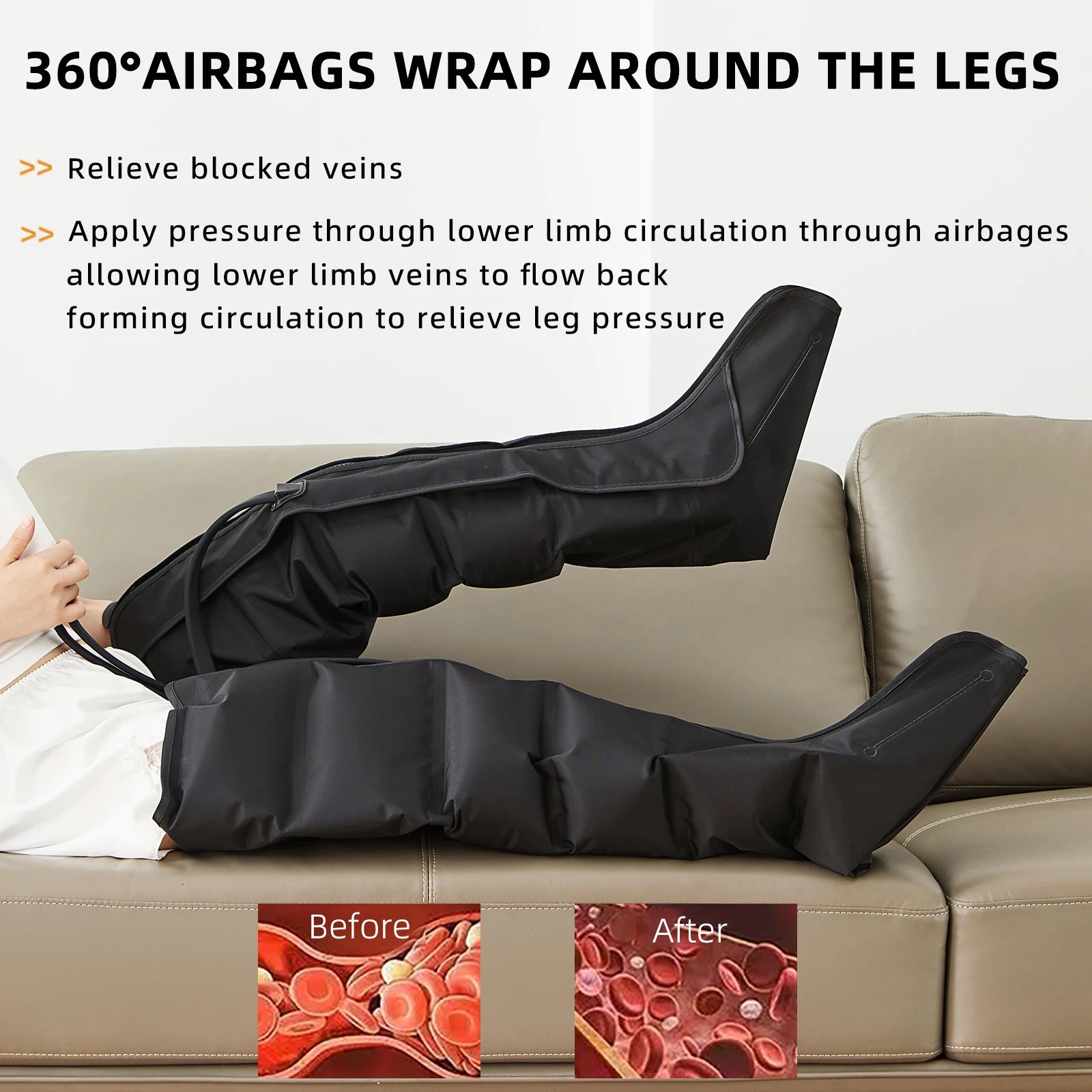
At-home comfort with compression therapy for sore legs
Frequently Asked Questions
Does compression help leg swelling caused by standing all day?
Yes, compression supports circulation and prevents fluid from pooling, making it highly effective for work-related swelling.
Can compression make leg swelling worse?
Yes, if used incorrectly or in certain medical conditions. Proper sizing and medical guidance are important.
What is the best compression level for leg swelling?
15–20 mmHg is ideal for most mild to moderate cases. Higher levels may require professional advice.
How long should you wear compression for leg swelling?
Typically during waking hours, especially during prolonged sitting or standing.
Are compression socks or compression wraps better for swollen legs?
Socks are best for daily use, while wraps offer adjustable support for specific needs.
When should you avoid compression therapy?
Avoid use if you have severe circulation disorders, infections, or unexplained swelling without medical evaluation.
Can compression help calf swelling and tightness?
Yes, it improves circulation and reduces both swelling and muscle fatigue.
Should you wear compression while sleeping?
Generally no, unless directed by a healthcare provider.
Ready to feel lighter, more comfortable legs again? A simple compression routine could be the change your body’s been waiting for.
Related Guide: How to Improve Leg Circulation Step by Step at Home













