

What are the fastest ways to warm cold feet?
The fastest way to warm cold feet is to combine gentle movement with safe heat. Walking for a few minutes, soaking your feet in warm (not hot) water, massaging your feet, putting on insulated socks, and using a heating pad can improve circulation and help most people feel warmer within 5–10 minutes. Combining two or more methods usually keeps your feet warm longer than using only one.
Ways to Warm Cold Feet: Practical Tips That Work Fast
Cold feet can feel frustrating—especially when you're trying to relax or fall asleep. The good news is that you can warm feet fast using simple, evidence-based techniques that improve circulation, reduce heat loss, and help your body retain warmth more effectively.
⏱ 5 min read
Whether your feet get cold during winter, after sitting all day, or every night before bed, these practical techniques can help you stay comfortable.
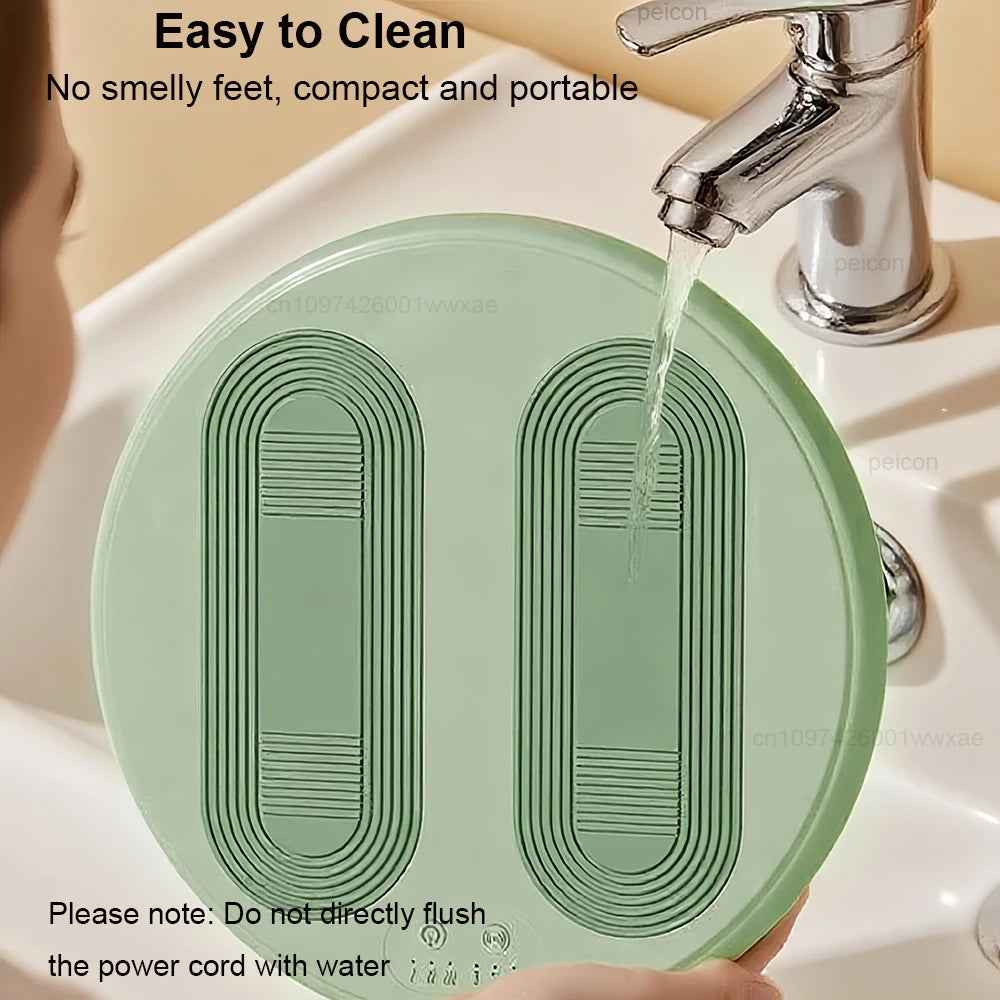
Simple comfort rituals are powerful ways to warm cold feet. See it in action.
How to warm up cold feet fast
If you're wondering how to warm up cold feet , focus on methods that both increase blood flow and reduce heat loss. The best approach is often combining movement with gentle external heat.
Move your body for 2–5 minutes
One of the fastest ways to warm up feet is to get your muscles working. Try:
- Walking around your home for a few minutes
- Raising your heels repeatedly
- Ankle circles and toe curls
- Light calf stretches
Even a brief burst of movement encourages blood circulation, helping warm blood reach your feet more quickly.
Soak feet in warm (not hot) water
A warm foot soak is often the best way to warm up cold feet quickly. Use comfortably warm water for 5–10 minutes. Avoid very hot water, especially if you have diabetes, reduced sensation, or poor circulation, because burns can occur without you realizing it.
Massage your feet to boost circulation
Gentle massage increases local blood flow while helping muscles relax. Start at your toes and work toward your ankles using slow circular motions. Applying moisturizer or massage oil can also reduce dry skin during colder months.
Wear warm socks and add insulation
Choose breathable wool or thermal socks instead of cotton if your feet stay cold regularly. Layering a thin moisture-wicking sock beneath a thicker insulating sock helps trap body heat while keeping feet dry.
Use heating pads or warm packs safely
Heating pads, microwavable warm packs, or electric foot warmers provide consistent warmth during rest.
- Use moderate heat rather than the highest setting.
- Never sleep directly on an active heating pad unless it is specifically designed for overnight use.
- Avoid prolonged heat if you have reduced sensation or neuropathy.
For fastest results: walk for several minutes, soak your feet, dry them thoroughly, massage briefly, then put on insulated socks to lock in warmth.
Comparison of warming methods
| Method | Speed | How long warmth lasts | Best situations | Safety considerations |
|---|---|---|---|---|
| Warm foot soak | Very fast | 30–60 minutes | Home, before bed | Use warm—not hot—water |
| Walking or movement | Fast | Depends on activity | Home, office, outdoors | Avoid overexertion if injured |
| Foot massage | Moderate | 30–60 minutes | Relaxation, bedtime | Gentle pressure if circulation is poor |
| Thermal socks | Fast | Several hours | Daily wear, sleeping | Keep socks dry |
| Heating pad or foot warmer | Very fast | As long as heat is applied | Home relaxation | Follow manufacturer instructions |
Outdoor activities usually benefit most from insulated socks and movement, while home use often combines warm soaks with heating devices for longer-lasting comfort.
Why do your feet get cold?
Cold feet are usually caused by reduced circulation, heat loss, or your body's normal temperature regulation. However, persistent cold feet may occasionally indicate an underlying medical condition.
Cold weather and heat loss
Your feet lose heat quickly because they have a large surface area and are often farthest from your body's warm core. Cold floors, damp footwear, and winter temperatures all increase heat loss.
Poor circulation
Sitting for long periods, inactivity, or narrowed blood vessels can reduce blood flow to the feet, making them feel colder than the rest of your body.
Raynaud's phenomenon
People with Raynaud's may notice fingers or toes turning white, blue, or red in response to cold temperatures or stress because small blood vessels temporarily narrow.
Diabetes, anemia and hypothyroidism
Conditions that affect circulation, nerve function, metabolism, or oxygen delivery—including diabetes, anemia, and hypothyroidism—can contribute to chronically cold feet. If symptoms are persistent, medical evaluation is recommended.
Stress and nervous system responses
Stress activates the body's "fight or flight" response, causing blood vessels in the hands and feet to narrow temporarily as blood is redirected toward vital organs.
Best ways to keep your feet warm long-term
While quick fixes provide immediate relief, prevention is the best strategy if cold feet occur regularly.
Daily circulation habits
- Walk regularly throughout the day.
- Avoid sitting for long uninterrupted periods.
- Stretch your calves and ankles.
- Stay physically active.
Choosing socks and footwear
Select insulated, breathable socks and properly fitting shoes that allow healthy circulation. Tight footwear can restrict blood flow and make feet feel colder.
Wear slippers on cold floors, use warm bedding during winter, and avoid damp socks before sleeping.
Lifestyle habits that reduce cold feet
- Stay hydrated.
- Avoid smoking.
- Maintain a healthy body weight.
- Build a relaxing nightly foot-care routine.
How to warm up cold feet in bed
If you're searching for how to warm up cold feet in bed , preparing your feet before getting under the blankets is usually more effective than trying to warm them afterward.
Pre-bed routine
- Soak your feet in warm water for 5–10 minutes.
- Dry thoroughly.
- Massage your feet for several minutes.
- Put on breathable thermal socks.
- Get into bed while your feet are already warm.
Best socks and bedding
Loose-fitting wool or thermal socks paired with layered blankets help retain heat without overheating.
Hot water bottle and heating pad safety
Warm water bottles and heating pads can make bedtime more comfortable, but always use protective covers, avoid direct skin contact with very hot surfaces, and follow manufacturer recommendations.
How to keep your feet warm all night
Keep your bedroom comfortably cool but not cold, avoid damp socks, and maintain a consistent bedtime routine that allows your body to relax naturally.
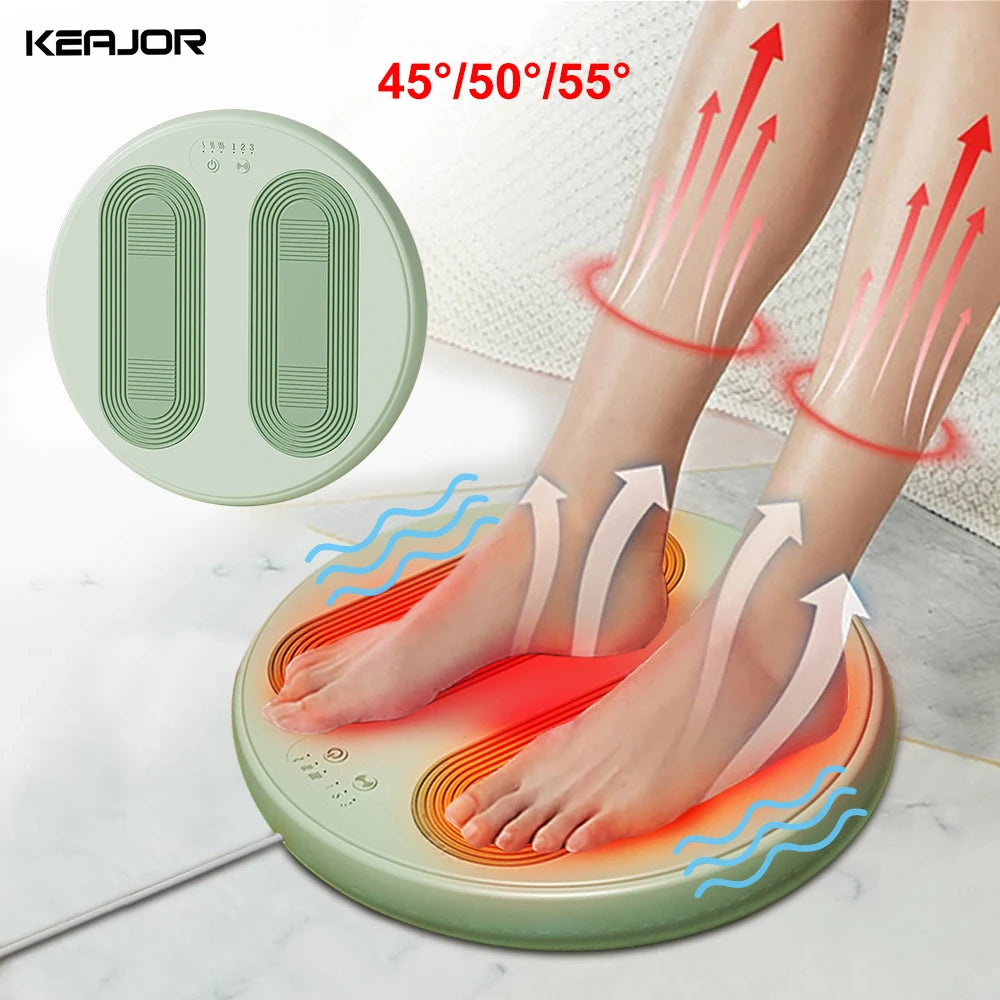
Consistent routines are reliable ways to warm cold feet at night. See it in action.
Do warm feet help you sleep better?
Yes. Warm feet support your body's natural temperature regulation, which helps signal that it's time to sleep. As blood vessels in your hands and feet widen slightly, your core body temperature gradually decreases—a process associated with falling asleep more easily.
Body temperature and sleep
Your sleep cycle is closely linked to thermoregulation. Gently warming your feet encourages heat redistribution throughout the body, promoting relaxation before bedtime.
Why warm feet help you fall asleep
| Cold Feet | Warm Feet |
|---|---|
| Restlessness | Relaxed muscles |
| Delayed sleep onset | Faster sleep onset |
| Frequent discomfort | Greater bedtime comfort |
When should you worry about cold feet?
Most cold feet are harmless, particularly during cold weather. However, persistent symptoms deserve medical attention.
Symptoms needing medical attention
- Cold feet that never seem to warm up
- Severe numbness or tingling
- Pain while walking or resting
- Skin color changes or sores that won't heal
Who is at higher risk
People with diabetes, cardiovascular disease, peripheral artery disease, thyroid disorders, or smoking history should pay closer attention to persistent cold feet.
When cold feet may indicate disease
If cold feet are accompanied by significant pain, swelling, wounds, or changes in skin color, schedule a medical evaluation promptly to rule out circulation or nerve disorders.
Helpful warming devices
Simple techniques work well, but warming devices can make staying comfortable easier during colder months.
Heating pads
Heating pads provide steady warmth for short periods while reading, relaxing, or watching television.
Electric foot warmers
Electric foot warmers surround the feet with gentle heat and are useful for people who regularly experience cold feet indoors.
Foot massagers with heat
Heated foot massagers combine warmth with massage to encourage relaxation and improve comfort after a long day.
One option many users rely on is an electric foot massager designed for warmth and relaxation.
KentDO Electric Foot Massager offers combined heat and massage for consistent comfort.
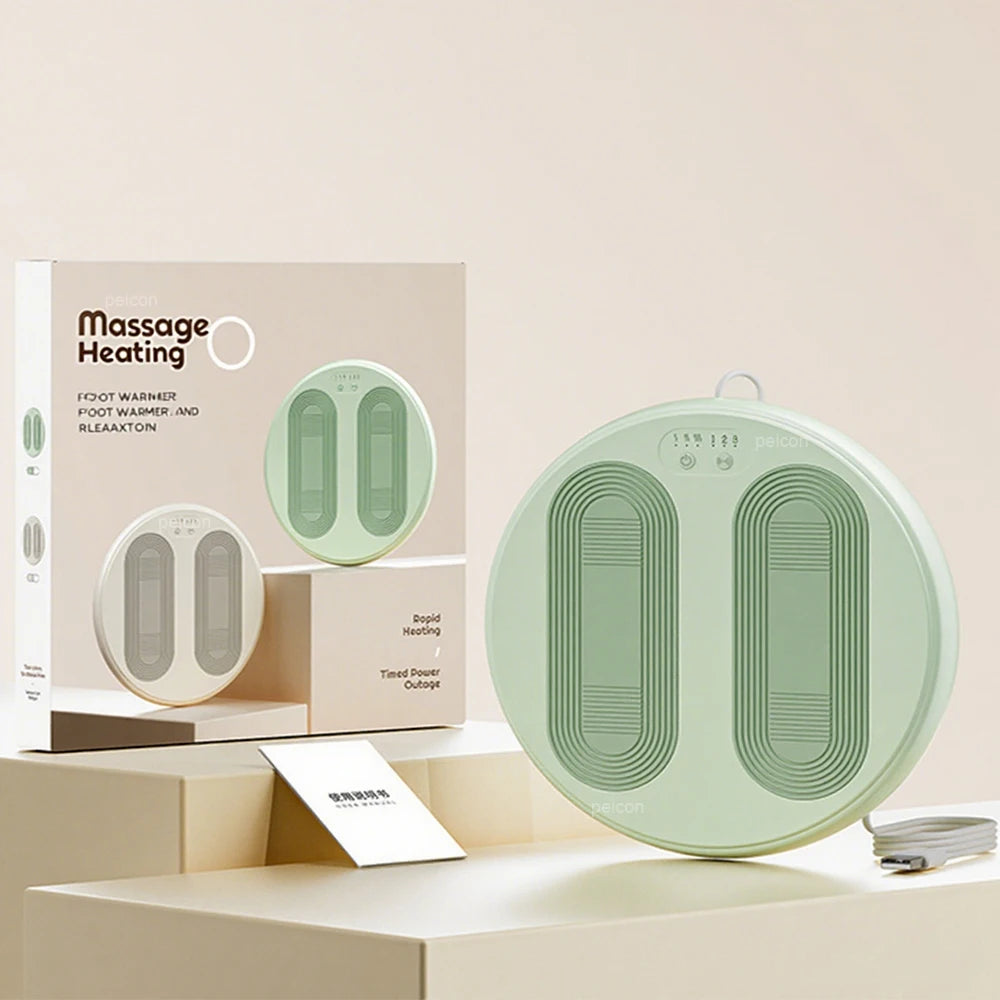
An effortless solution for warm feet when trying to sleep. See it in action.
Frequently asked questions
Why are my feet cold even under blankets?
Blankets trap existing heat but don't create it. If circulation is reduced, your feet may remain cold until blood flow improves.
How do I warm up my feet fast?
Walk for a few minutes, soak your feet in warm water, dry them thoroughly, massage them briefly, and put on insulated socks.
How can I keep my feet warm all night?
Warm your feet before bed, wear breathable thermal socks, avoid damp bedding, and keep your bedroom comfortably warm.
Is it safe to soak cold feet in hot water?
No. Warm water is safer than hot water, particularly for anyone with diabetes or reduced sensation, because very hot water may cause burns.
Why are my toes cold but the rest of my body is warm?
Your body naturally prioritizes keeping your core warm, so the toes are often the first area to lose heat when circulation slows.
Can poor circulation cause cold feet?
Yes. Reduced blood flow is one of the most common reasons feet feel persistently cold.
When should I see a doctor for cold feet?
Seek medical advice if cold feet are persistent, painful, associated with numbness, wounds, skin color changes, or interfere with daily life.
Do heated socks or heating pads work better?
Heated socks are convenient for walking around, while heating pads are generally better for resting at home. Many people benefit from combining heat with movement for the longest-lasting results.
Related Guide: How to Use a Foot Massager Machine for Plantar Fasciitis













