

Common Camping Gas Stove Problems (By Material)
Aluminum Stove Weak Points
Aluminum camping stoves are valued for their low weight, but prolonged exposure to intense heat can gradually weaken structural components. Pot supports, burner brackets, and thin frame sections are the areas most likely to warp after repeated high-temperature cooking.
While occasional recreational use rarely causes immediate problems, campers who cook frequently with heavy cookware may notice reduced stability over time.
Coated Steel Issues
Coated steel provides a cost-effective alternative, but its durability depends heavily on the condition of the protective finish. Chips, scratches, and worn paint expose the underlying steel to moisture, allowing corrosion to develop. Once rust forms around burner mounts or structural joints, long-term reliability can decline quickly.
Stainless Steel Strengths
Stainless steel camping stoves generally experience fewer material-related failures because they resist corrosion, maintain their shape under repeated heating, and tolerate rough transportation well. Although the surface may develop blue, bronze, or gold heat discoloration after extended use, this cosmetic change does not reduce structural strength or cooking performance.
Burner System Failures
Regardless of the material used for the stove body, the burner system remains the most heavily stressed component. Common wear points include:
- Burner heads exposed to continuous high temperatures
- Fuel valves and threaded connections that experience repeated assembly
- Pot supports carrying heavy cookware
- Ignition components subjected to moisture and dirt
A rigid stove frame helps keep these components correctly aligned, reducing unnecessary stress and extending the overall lifespan of the cooking system.
How Burner Camping Stove Design Affects Longevity
Material quality alone cannot guarantee a durable stove. Burner design, frame rigidity, and heat management all influence how well a camping stove withstands years of outdoor use. A powerful burner mounted on a flexible frame concentrates stress around mounting points, increasing the likelihood of long-term damage.
- Rigid stainless steel frames help keep burners properly centered, reducing movement during cooking.
- Balanced heat distribution minimizes localized overheating and slows metal fatigue.
- Stable pot supports reduce strain on burner assemblies and fuel connections when using larger cookware.
- Strong structural construction minimizes vibration and impact damage during transport.
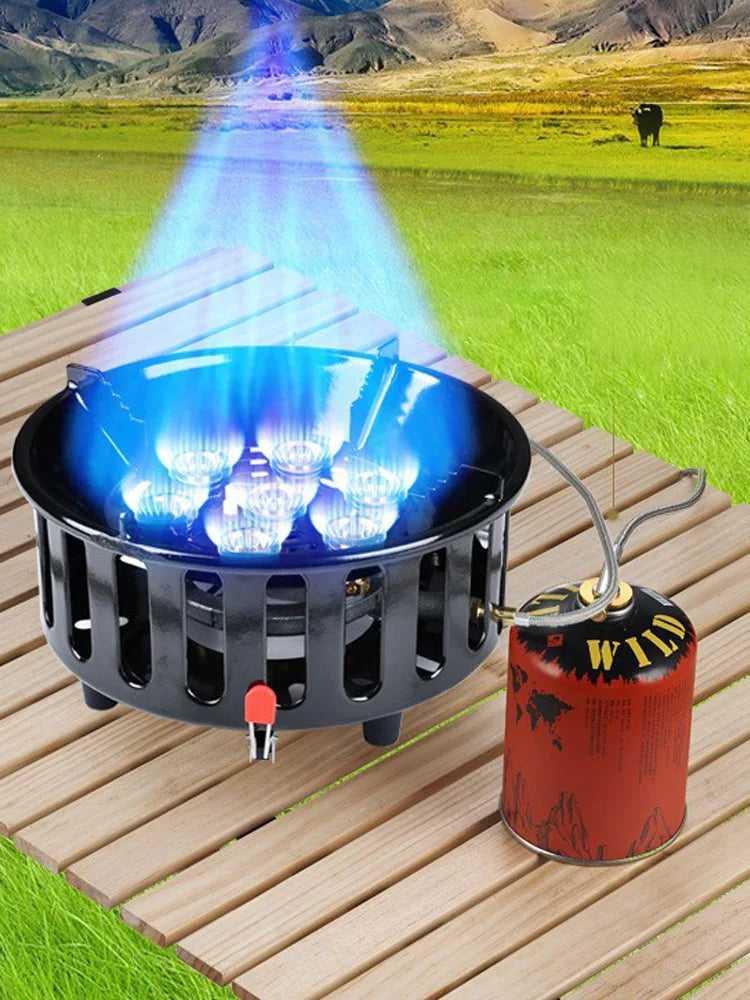
Burner camping stove stability with stainless steel frame. See it in action.
Stainless Steel Camping Stove Benefits: Why Choose It?
For campers seeking dependable performance over many seasons, stainless steel offers several practical advantages beyond simple strength. Its combination of heat resistance, corrosion protection, and structural stability makes it one of the most reliable materials used in outdoor cooking equipment.
- Excellent corrosion resistance: Performs well in humid, rainy, and coastal environments with minimal maintenance.
- High heat tolerance: Maintains its shape under repeated high-BTU cooking sessions.
- Long service life: Resists warping, cracking, and mechanical fatigue better than many lightweight alternatives.
- Reliable cooking stability: Strong pot supports improve safety when cooking with larger pots or cast-iron cookware.
- Lower lifetime ownership cost: A durable stove often requires fewer repairs or replacements over years of regular use.
Although stainless steel adds modest weight compared with aluminum, many campers find the additional durability worthwhile for car camping, overlanding, family trips, and frequent outdoor cooking where reliability is more important than shaving a few ounces from overall gear weight.
Real-World Performance: What Campers Say
High-Heat Cooking Performance
Campers who regularly prepare meals using high-BTU burners often report that stainless steel camping stoves remain stable after years of repeated use. Pot supports are less likely to bend, burner alignment stays consistent, and the frame maintains its rigidity even after long cooking sessions. These characteristics are especially valuable when preparing large meals or using heavy cookware.
Wet and Harsh Weather Use
Outdoor enthusiasts who frequently camp in rainy forests, humid climates, or coastal areas consistently appreciate stainless steel's resistance to corrosion. Unlike coated steel, which may rust once its finish is damaged, stainless steel continues to perform reliably with only routine cleaning and drying after each trip.
Backpacking Limitations
Ultralight backpackers often choose aluminum or titanium to reduce pack weight, accepting some reduction in long-term durability as part of the trade-off. For hikers covering long distances where every ounce matters, this compromise can be worthwhile. However, many campers who prioritize longevity over minimum weight prefer stainless steel for its greater resistance to wear and accidental damage.
Long-Term Durability Feedback
Experienced campers commonly note that a well-built stainless steel camp stove requires fewer repairs over its lifetime. Burner supports remain level, structural components resist deformation, and exposure to repeated heating cycles has less impact on overall performance than with many lighter materials. While surface discoloration is normal after prolonged use, it rarely affects cooking efficiency or structural integrity.
A High-Output Example Worth Noting
Some stainless steel camping stoves combine durable construction with high-output burners, making them suitable for everything from quick weekend trips to demanding outdoor cooking. A rigid stainless steel frame, reliable burner design, and consistent flame control all contribute to dependable long-term performance.
View the stainless steel camp stove built for serious outdoor cooking
Compare your cooking style, cookware size, and camping frequency to determine whether a stainless steel camp stove is the right long-term investment.
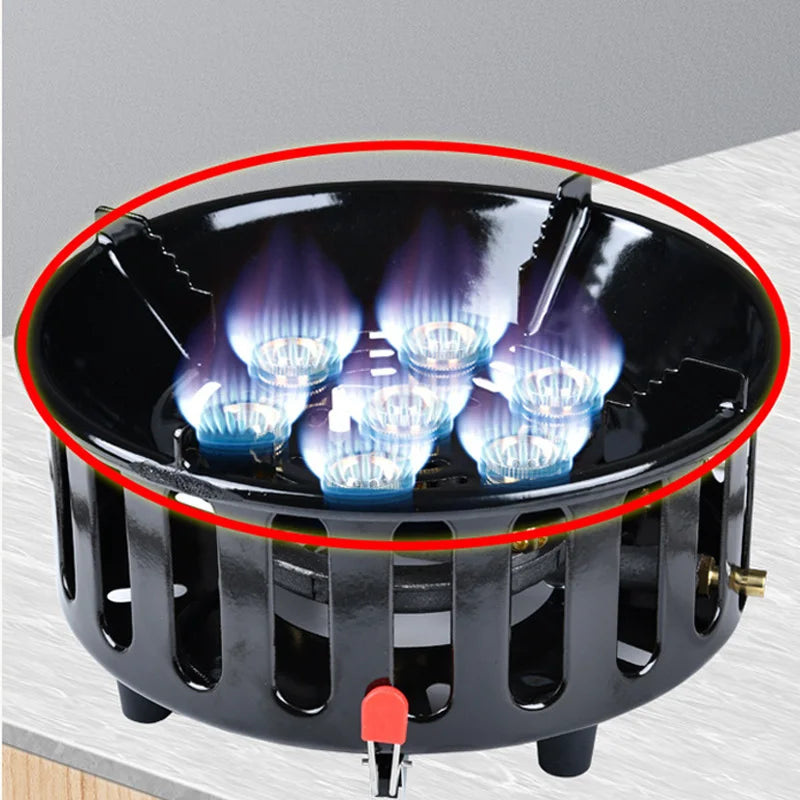
Outdoor camping stoves built to last. See it in action.
Maintenance Tips to Extend Stove Lifespan
Cleaning After Cooking
Clean the stove once it has cooled completely by removing grease, food residue, and soot from burner components and cooking surfaces. Regular cleaning helps maintain efficient flame distribution, prevents clogged burner ports, and reduces long-term buildup that can affect performance.
Preventing Rust and Residue
Although stainless steel offers excellent corrosion resistance, drying the stove after exposure to rain, condensation, or washing helps preserve its protective chromium oxide layer and minimizes mineral deposits or surface staining. Avoid harsh abrasives that could unnecessarily scratch the finish.
Proper Storage Techniques
Store the stove in a clean, dry location between trips. Using a protective carrying case helps prevent scratches, dents, and impact damage during transportation while keeping dirt away from fuel fittings and burner components. If storing the stove for an extended period, inspect connections and clean the burner before your next outing to ensure reliable operation.
How to Clean a Camping Stove Jet (Proper Method)
Cleaning the jet is one of the most effective ways to restore fuel flow and eliminate a weak flame. Because the jet opening is extremely small, work carefully to remove debris without damaging the precision opening that controls gas delivery.
Tools you need
- Soft brush or clean toothbrush
- Needle or dedicated jet cleaning tool
- Compressed air (optional)
- Clean, lint-free cloth
Step-by-step cleaning process
- Turn off the stove completely and disconnect the fuel canister.
- Allow all components to cool before handling.
- Remove the burner head if your stove design allows safe access.
- Use a fine needle or jet cleaning tool to gently clear the jet opening without forcing it.
- Brush away grease, soot, and debris from the burner ports.
- Blow compressed air through the burner assembly to remove loose particles if available.
- Reassemble the stove securely, reconnect the fuel canister, and test the flame in a safe outdoor area.
Common mistakes to avoid
- Do not enlarge the jet opening with oversized needles or drills.
- Do not use water or liquid cleaners inside gas passages.
- Never clean a stove while it is hot or connected to a fuel source.
- Replace damaged seals instead of attempting temporary repairs.
Cold Weather & Altitude: Why Your Stove Loses Power
Environmental conditions have a major impact on camping stove performance. Even a clean, well-maintained stove can produce a smaller flame when fuel pressure drops because of low temperatures or changing atmospheric conditions.
Butane vs propane performance
Butane begins losing vapor pressure as temperatures approach 0°C (32°F), making ignition and sustained cooking more difficult. Propane maintains higher vapor pressure in freezing conditions, while isobutane-propane blends offer a good balance for year-round camping. Choosing the right fuel is often the simplest butane stove weak flame solution for cold-weather trips.
Camping fuel inside the canister must vaporize before it reaches the burner. As temperatures fall, vaporization slows and internal pressure decreases. Less pressure means less fuel reaches the burner, resulting in reduced heat output. At higher elevations, thinner air also changes combustion characteristics, which can make flame performance feel less consistent even when the stove is operating normally.
Practical outdoor solutions
- Keep fuel canisters warm inside a jacket or sleeping bag before cooking.
- Switch to propane or a cold-weather fuel blend when camping in freezing temperatures.
- Cook behind a windscreen or natural wind barrier while maintaining safe ventilation.
- Use a stable cooking surface to maximize burner efficiency and reduce heat loss.
- Carry a spare fuel canister so low pressure from an almost empty canister does not interrupt cooking.
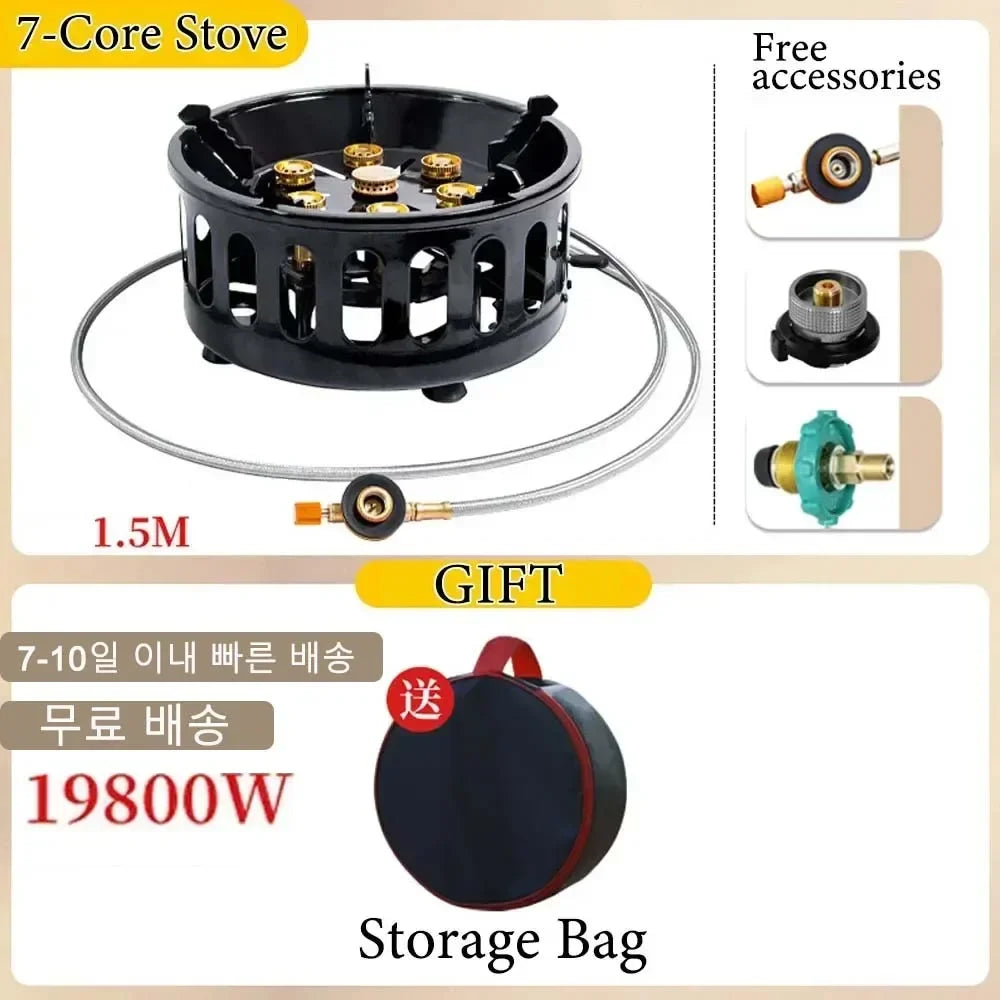
Cold-weather camping gas stove problems. See it in action.
Prevent Weak Flame: Maintenance That Actually Works
Routine maintenance is the easiest way to prevent recurring flame problems and extend the life of your camping stove. A few minutes of care after each trip helps maintain proper fuel flow, improves reliability, and reduces the chances of your camping stove not burning properly when you need it most.
Cleaning frequency
Inspect the burner after every trip and perform a thorough cleaning every 3–5 outings, or sooner if you've cooked greasy foods or camped in dusty environments. Regularly removing soot, food residue, and debris prevents clogged burner ports and keeps the flame strong and even.
Storage tips
Allow the stove to cool completely before packing it away. Store it in a dry, dust-free case to protect the burner, regulator, and fuel connection from dirt and moisture. Keeping small components covered also reduces the chance of insects or debris blocking the jet during long-term storage.
Fuel best practices
- Choose high-quality fuel canisters from reputable manufacturers.
- Replace nearly empty canisters before preparing meals that require sustained high heat.
- Inspect O-rings, seals, and threaded connections before every trip.
- Keep fuel canisters clean and free from dirt that could enter the connection point.
- Store fuel according to the manufacturer's recommendations and away from excessive heat.
Consistent maintenance not only supports a reliable camping stove weak flame fix but also helps identify worn parts before they become safety concerns or leave you without a dependable cooking system outdoors.
For organized outdoor setups and smarter gear storage, explore Lifestyle essentials that keep camp routines smooth.
When to Fix vs Replace Your Camping Stove
Signs your stove is beyond repair
Most weak flame issues can be fixed with cleaning or minor maintenance, but some problems indicate that replacement is the safer and more reliable option.
- Persistent weak flame after completing all recommended troubleshooting steps.
- Damaged regulator that cannot maintain consistent gas pressure.
- Gas leaks around valves, fittings, or fuel connections.
- Severely corroded, cracked, or warped burner components.
- Replacement parts are unavailable or cost nearly as much as a new stove.
Repair cost vs replacement
Simple maintenance such as cleaning a clogged jet or replacing an inexpensive seal is usually worthwhile. However, if multiple parts require replacement or repair costs approach the price of a new stove, investing in a modern model often provides better reliability, efficiency, and safety for future trips.
If your stove is otherwise in good condition, replacing common wear items can extend its service life. Burner heads, O-rings, regulators, and compatible fuel connectors are often available for popular models and are generally less expensive than replacing the entire stove. Always use manufacturer-approved replacement parts whenever possible.
FAQ: Camping Stove Low Flame Problems
Why is my camping stove flame low even with a full canister?
A full canister does not guarantee proper performance. The most common causes are a clogged burner jet, restricted burner ports, a faulty regulator, or cold temperatures that reduce fuel pressure. Testing with another canister can help determine whether the issue lies with the fuel or the stove.
Why is my camping stove not burning properly with a yellow flame?
A yellow or orange flame usually indicates incomplete combustion caused by dirty burner ports, restricted airflow, or contamination inside the burner assembly. Cleaning the burner and ensuring adequate airflow typically restores a steady blue flame.
How do I fix a clogged camping stove burner?
Disconnect the fuel source, allow the stove to cool, then clean the burner ports with a soft brush and carefully clear the jet using a suitable cleaning tool or fine needle. Remove loose debris with compressed air before reassembling and testing the stove.
Can cold weather or altitude reduce flame size?
Yes. Cold temperatures reduce fuel vapor pressure, particularly in butane canisters, while high altitude changes combustion conditions. Using a propane-compatible fuel, keeping canisters warm before use, and cooking in a sheltered location can improve performance.
Should I replace the regulator or the whole stove?
If the regulator is the only faulty component and replacement parts are readily available, replacing the regulator is usually the most economical solution. If the stove also has leaking connections, severe corrosion, or multiple worn components, replacing the entire stove is generally the safer long-term choice.
Related Guide: Safe Outdoor Gas Stove Use Step by Step for Worry-Free Cooking













