

A: Absolutely! Smart posture correctors use gentle vibration alerts and sensors to retrain muscles, reduce slouching, and improve alignment. When used consistently 15–60 minutes daily, most users notice better posture, less fatigue, and increased confidence in just weeks.
Best Posture Corrector for Desk Workers in 2025: Smart Wearable Devices That Actually Work
Spending hours at a desk can slowly lead to rounded shoulders, neck strain, and persistent lower-back discomfort. The best posture corrector for desk workers in 2025 isn't just a rigid brace—it’s often a smart wearable device that gently reminds you to sit upright throughout the day.
Modern posture monitoring devices use sensors, vibration alerts, and companion apps to track your posture habits while you work. In this guide, we tested and compared the best posture correctors to help office workers, remote professionals, and students find the right device for long hours at a desk.
Below you'll find expert reviews, a comparison table, and practical advice for choosing a posture corrector that stays comfortable during meetings, typing sessions, and long workdays.
⏱ 7 min read
Quick Comparison: Best Posture Correctors for Desk Workers (2025)
If you're short on time, here are the top posture monitoring devices and wearable correctors we tested for desk work environments.
- Best Overall for Desk Workers: KentDO Smart Posture Corrector
- Best Smart Posture Trainer: Upright GO 3
- Best Budget Smart Device: Smartsense Posture Trainer
- Best Traditional Brace: FlexGuard Support Posture Corrector
- Best Minimal Wearable Tracker: VIBO Care Posture Sensor
Each device was evaluated for comfort during long typing sessions, vibration reminder accuracy, ease of wearing under clothing, and effectiveness for improving daily desk posture.
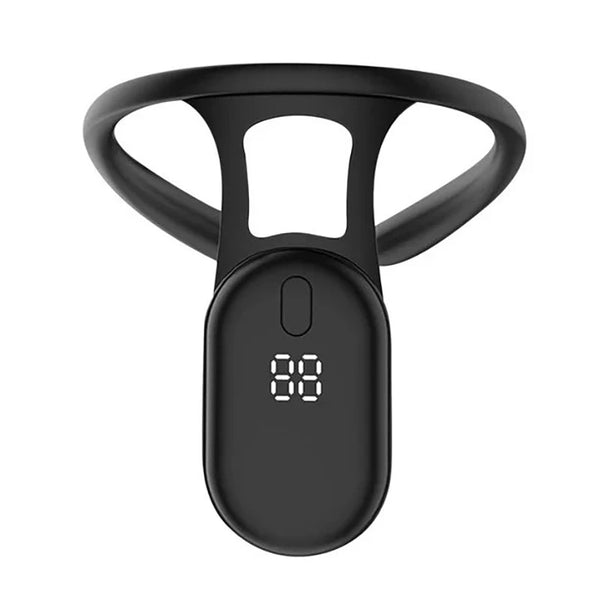
Experience the KentDO smart posture corrector — advanced sensors for real posture improvements.
Why Desk Workers Develop Poor Posture
Most posture problems begin with long hours of sitting and repetitive computer work. When you focus on a screen, your body naturally drifts forward, causing the shoulders to round and the neck to lean toward the monitor.
This posture pattern—often called “tech neck” or forward head posture—can place significant strain on the spine over time.
Common Causes of Poor Desk Posture
- Leaning toward the screen while typing
- Monitors positioned too low
- Lack of back support from office chairs
- Working on laptops without external keyboards
- Long periods without movement or stretching
Potential Long-Term Effects
- Chronic neck and shoulder tension
- Upper back pain
- Reduced breathing efficiency
- Headaches caused by neck strain
- Muscle imbalance around the spine
This is where wearable posture corrector devices can help. Instead of forcing your body into position like traditional braces, smart posture trainers gently remind you to sit upright whenever your posture starts to collapse.
What Is a Smart Posture Brace & How Does It Work?
An advanced posture corrector—also called a smart posture brace or posture harness—combines physical alignment support with motion sensors that detect slouching in real time. Unlike traditional rigid braces, modern smart posture corrector wearable devices use subtle vibration alerts to remind you to straighten your back.
Most devices include:
- Built-in posture sensors that detect spinal angle changes
- Gentle vibration feedback when you begin to slouch
- App tracking to monitor posture time and improvement trends
- Adjustable straps for customized shoulder alignment
The goal is neuromuscular retraining. Over time, consistent reminders help your body build muscle memory, reducing the need for constant correction.
Do Posture Correctors Actually Work?
Yes—when used correctly, posture correctors can help improve posture awareness and reduce slouching during desk work. However, the key benefit is not forcing your spine into position but training your muscles to maintain better alignment.
Smart posture corrector devices are especially effective because they rely on behavioral feedback rather than rigid support. When the sensor detects that your shoulders have rolled forward or your spine has tilted, the device sends a gentle vibration reminder.
How Smart Posture Correctors Improve Posture
- Provide real-time feedback when you start slouching
- Build awareness of posture habits during computer work
- Encourage micro-adjustments throughout the day
- Track progress using mobile apps and posture scores
Over time, these reminders help desk workers retrain their posture habits without relying on constant physical support.
Which style suits you best? Read on! Not all posture correctors are created equal — the right fit depends on your lifestyle, tech comfort, and level of back pain.
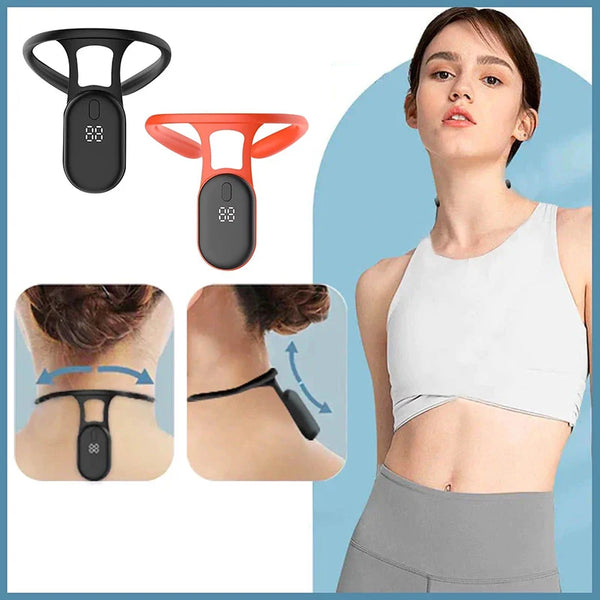
Smart posture trainer providing gentle reminders throughout your workday.
How We Tested the Best Posture Correctors for Desk Workers
To identify the best posture correctors for desk workers, we tested wearable posture monitoring devices and traditional braces in real office scenarios. Each device was used during common desk activities such as typing, attending video meetings, and extended computer sessions.
Evaluation Criteria
- Comfort During Long Sitting: Could the device be worn comfortably during extended desk sessions?
- Reminder Accuracy: Did the posture sensor detect slouching quickly and consistently?
- Ease of Wearing: Was the device discreet under work clothing?
- Adjustability: Could different body types wear the device comfortably?
- App Features: For smart posture correctors, we evaluated tracking tools and progress insights.
- Value for Money: Feature-to-price ratio compared with competing products.
This desk-focused testing approach helps ensure our recommendations work well in real office environments rather than short trial scenarios.
Best Posture Correctors for Desk Workers in 2025
After testing multiple posture monitoring devices and traditional braces, several models stood out for comfort, accuracy, and long-term usability.
These devices range from smart posture trainers with vibration reminders to structured braces that provide stronger shoulder alignment support.
| Product | Key Features | Best For | Pros | Considerations |
|---|---|---|---|---|
| KentDO™ Smart Posture Corrector – Vibration Reminder Trainer Regular Price: $31.99 | Sale: $25.99 |
| Desk workers, students, teens, daily posture training |
|
|
| Upright GO 3 |
| Tech-focused users who want app analytics |
|
|
| Backie Pro Flex Posture Harness |
| Users needing stronger physical correction |
|
|
Side-by-Side Comparison Table
| Model | Correction Type | Comfort & Material | Power / Battery | Best For |
|---|---|---|---|---|
| KentDO™ Smart Posture Corrector | Smart micro vibration reminder (sensor-based feedback) | Lightweight ABS + TPR, discreet under clothing | Rechargeable (multiple sessions per charge) | Desk workers, students, adults & kids building daily posture habits |
| Upright GO 3 | Adhesive stick-on smart sensor with app alerts | Minimal contact device (no straps) | Rechargeable (shorter battery cycle) | Tech-focused users wanting posture analytics |
| Backie Pro Flex | Structured posture harness | Reinforced brace with shoulder support | No battery required | Users needing stronger shoulder correction |
Which Posture Corrector Is Best for Your Work Setup?
The best posture corrector depends on your work style, comfort preferences, and how many hours you spend at your desk.
- Remote workers: Smart posture trainers with reminders help build consistent posture habits.
- Office professionals: Discreet wearable sensors work well under clothing during meetings.
- People with shoulder rounding: Traditional posture braces provide additional upper-back support.
- Minimalist users: Small wearable sensors offer subtle reminders without bulky straps.
How to Choose the Right Corrector
Choosing the right smart sensor posture corrector depends on your work habits, body type, and comfort preferences.
- Desk workers: Smart reminder devices help maintain posture awareness during long typing sessions.
- Physical workers: Structured braces provide stronger shoulder alignment support.
- Sensitive skin: Choose fabric-based or strap-style devices instead of adhesive sensors.
- Tech enthusiasts: App-connected posture trackers provide progress insights.
Exercises Desk Workers Should Combine With Posture Correctors
Posture correctors are most effective when combined with exercises that strengthen the muscles responsible for maintaining upright posture.
1. Shoulder Blade Squeezes
Sit upright and gently squeeze your shoulder blades together for 5 seconds. Repeat 10–15 times.
2. Chest Opening Stretch
Stand up, clasp your hands behind your back, and lift your arms slightly to stretch tight chest muscles.
3. Chin Tucks
Pull your chin straight backward to align your head over your shoulders and reduce forward head posture.
4. Thoracic Extension Stretch
Place your hands behind your head and gently lean backward while seated to open the upper spine.
Performing these exercises for just a few minutes each day can significantly improve the results you get from wearable posture corrector devices.
Real User Feedback & Long-Term Results
Across multiple smart posture corrector reviews, most users report noticeable improvement within 2–3 weeks of consistent wear.
- Improved shoulder alignment during desk work
- Reduced neck tension
- Greater awareness of posture habits
- Increased confidence in professional settings
Long-term users note that daily reminders help form lasting habits even after reducing wear time.
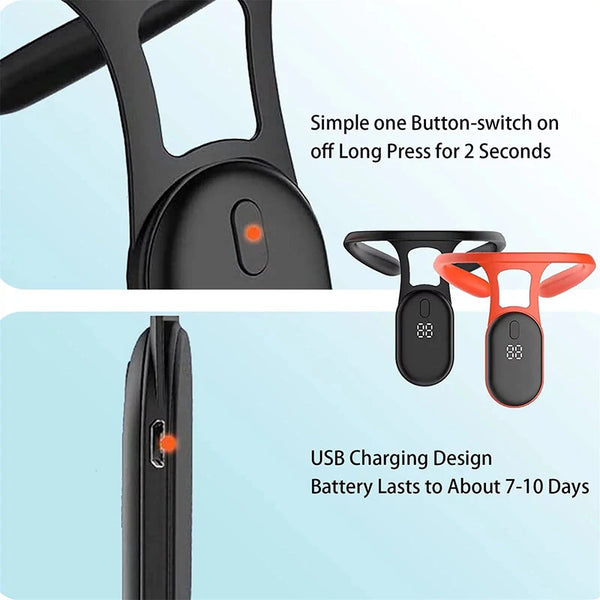
Fits seamlessly into daily routines — small device, big impact.
Frequently Asked Questions About Smart Posture Correctors
How long should you wear a smart posture brace daily?
Start with 15–30 minutes and gradually increase to about 60 minutes as your muscles adapt and posture awareness improves.
Can posture correctors weaken back muscles?
When used responsibly and combined with strengthening exercises, posture correctors help train muscles rather than weakening them.
Are wearable posture reminder devices worth it?
For many desk workers, wearable posture reminder devices are worth it because they build awareness of slouching habits. Vibration alerts prompt users to adjust posture throughout the day.
Can you wear a posture corrector under office clothing?
Yes. Most modern posture correctors are lightweight and designed to be discreet under everyday clothing.
Do posture correctors permanently fix posture?
No device can permanently fix posture on its own. Long-term improvement requires consistent use, ergonomic adjustments, and strengthening exercises.
Pillar Article: 7 Posture Correcting Wearables Compared: Which One's Worth It?
Other Related Articles:
- The Truth About Posture Correctors: Do They Really Work?
- Does a Back Posture Corrector Work for You? Honest Review Roundup
- How to Wear a Posture Corrector: Mistakes That Kill Results
- Do Posture Correctors Work? Experts Test the Top 5 Picks
Explore More:













