

Do waterproof winter gloves really keep your hands dry?
Yes, waterproof winter gloves can keep your hands dry when they combine effective waterproof membranes, sealed seams, and breathable materials. However, not all weatherproof winter gloves offer the same level of protection. Waterproof designs block rain, snow, and moisture penetration, while water-resistant gloves only slow water absorption. The best cold weather gloves waterproof options balance moisture protection, insulation, breathability, and dexterity for reliable winter performance.
Weatherproof Winter Gloves Features That Keep Hands Dry
⏱ 6 min read
Cold, wet hands can quickly make a winter commute, outdoor activity, or snowy adventure uncomfortable. The difference between damp discomfort and lasting warmth often comes down to how well gloves manage moisture. Modern weatherproof winter gloves use advanced materials, layered construction, and ergonomic designs to block snow and rain while helping your hands stay warm, dry, and functional in real winter conditions.
Best Waterproof Winter Gloves (Quick Picks by Use Case)
If you are searching for the best waterproof gloves for winter, the right choice depends on your activity, climate, and how long you stay outdoors. These quick picks highlight the key features to look for, from maximum insulation for freezing temperatures to lightweight designs for active use.
Best Overall Waterproof Winter Gloves
Designed for everyday winter conditions, the best overall waterproof winter gloves provide a balanced combination of moisture protection, warmth, comfort, and hand mobility. They are suitable for commuting, walking, daily outdoor tasks, and casual winter activities.
Best for: Users who need dependable all-around performance without excessive bulk.
Key features: Waterproof membrane, medium insulation, breathable construction, and flexible fit.
Best for Extreme Cold
For harsh winter climates, the warmest waterproof gloves prioritize insulation and full weather protection. These gloves typically include heavier synthetic insulation, wind-resistant outer layers, and sealed seams to help maintain warmth during extended outdoor exposure.
Best for: Sub-zero temperatures, snow removal, winter work, and long periods outside.
Key features: Heavy insulation, full waterproofing, wind protection, and extended cuffs.
Best for Snow & Skiing
Waterproof gloves for snow and skiing are built to handle repeated contact with snow, ice, and wet conditions. Long cuffs, durable outer shells, and reliable waterproof barriers help prevent moisture from entering during winter sports.
Best for: Skiing, snowboarding, sledding, and snowy outdoor recreation.
Key features: Snow-resistant cuffs, waterproof membranes, reinforced materials, and secure grip.
Best for Cycling & Commuting
Winter cycling and commuting gloves need a balance of waterproof protection, breathability, and dexterity. Lightweight cold weather gloves waterproof designs help block rain and wind while maintaining enough flexibility for steering, gripping, and daily tasks.
Best for: Bike commuters and active users who need mobility in cold weather.
Key features: Windproof shell, breathable insulation, flexible fingers, and grip-focused palms.
Best Budget Waterproof Gloves
Budget waterproof gloves can provide reliable winter protection when they use practical insulation and moisture-resistant materials. They are a good choice for occasional outdoor use, mild winter conditions, and users who need affordable protection.
Best for: Casual winter wear, short outdoor activities, and everyday errands.
Key features: Basic waterproof coating or membrane, lightweight insulation, and comfortable fit.
Waterproof Winter Gloves Comparison Table
This comparison highlights the main differences between waterproof insulated gloves based on waterproof technology, insulation level, dexterity, and intended use. The best option depends on whether you prioritize maximum warmth, everyday flexibility, or reliable protection in wet winter conditions.
| Category | Waterproofing | Insulation | Dexterity | Best Use | Value |
|---|---|---|---|---|---|
| Overall | Waterproof membrane construction | Medium synthetic insulation | High | Daily winter use, commuting, outdoor errands | Best balance of warmth and flexibility |
| Extreme Cold | Full waterproof barrier with sealed seams | Heavy thermal insulation | Medium | Sub-zero temperatures and extended exposure | Best for maximum warmth |
| Snow Sports | Waterproof membrane with snow-resistant cuff | Medium to high insulation | Medium | Skiing, snowboarding, and snow activities | High protection in wet conditions |
| Cycling | Water-resistant outer layer with wind protection | Light insulation | High | Winter cycling and commuting | Best for mobility and control |
| Budget | Waterproof coating or basic membrane | Light to medium insulation | Medium | Casual winter wear | Affordable protection for occasional use |
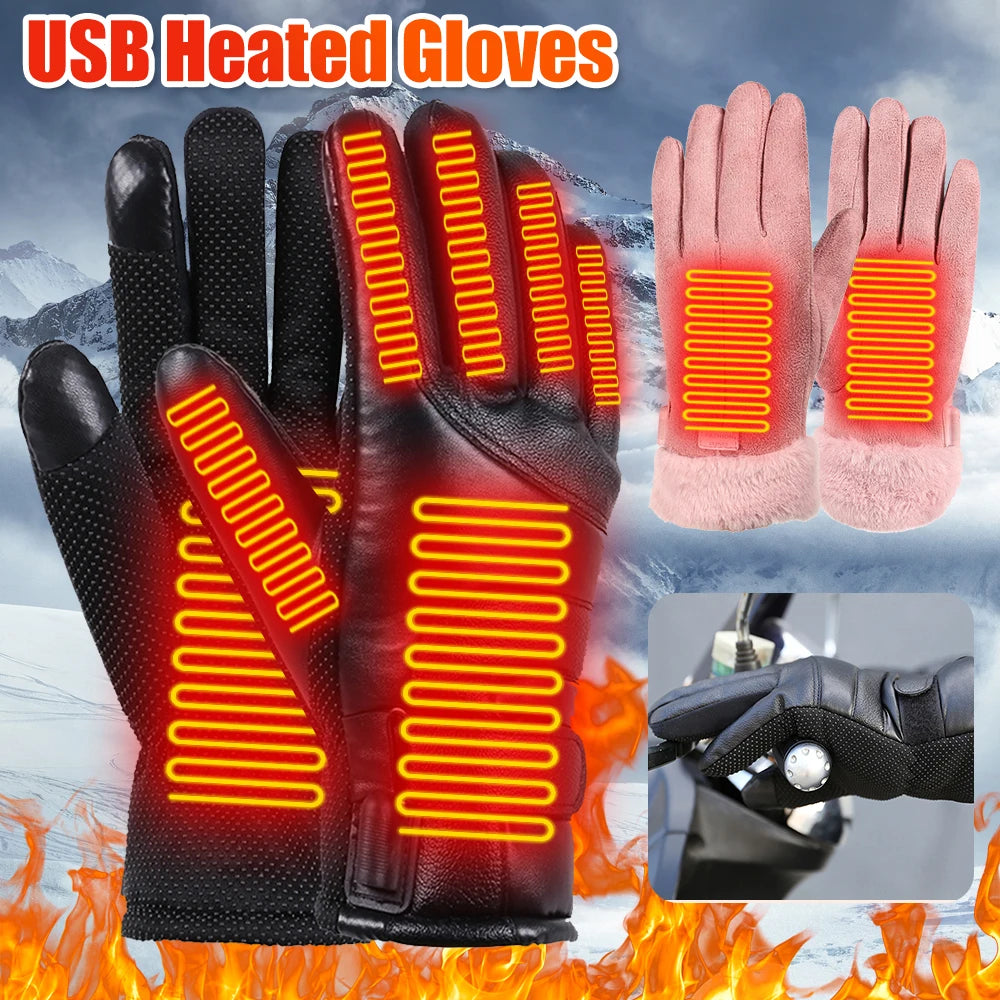
Weatherproof winter gloves designed for snow, wind, and rain See it in action
What Makes Gloves Waterproof?
What makes gloves waterproof depends on more than the outer fabric. Effective moisture protection comes from the combination of waterproof technology, construction quality, seam protection, and breathability. High-performance weatherproof winter gloves are designed to keep outside moisture away while allowing internal sweat vapor to escape.
Waterproof Membranes (Gore-Tex vs Proprietary)
Premium waterproof winter gloves often use waterproof membranes that create a barrier against rain, snow, and moisture while maintaining airflow. Advanced membrane systems provide long-lasting protection because waterproofing is built into the glove structure rather than relying only on a surface treatment.
Some manufacturers use proprietary waterproof membranes designed to improve flexibility, breathability, or cost efficiency. Performance varies depending on construction quality, but a well-designed membrane generally offers better durability than basic coatings.
Waterproof Coatings & DWR
Waterproof coatings and durable water repellent (DWR) finishes help water bead off the outer surface of gloves. These treatments can improve short-term moisture resistance but may gradually wear away with frequent use, washing, and abrasion.
For regular exposure to heavy snow or rain, waterproof insulated gloves with integrated membranes usually provide more consistent protection than coating-only designs.
Seam Sealing & Outer Materials
Even waterproof fabrics can allow moisture through weak points. Sealed seams prevent water from entering through stitching areas, while durable outer materials improve resistance against snow, wind, and everyday wear.
Breathability vs Waterproof Protection
The best thermal waterproof gloves balance keeping water out with allowing heat and moisture vapor to escape. Poor breathability can trap sweat inside the glove, creating a damp feeling that reduces comfort and warmth over time.
Are Waterproof Gloves Warm?
Are waterproof gloves warm? They can be, but waterproofing alone does not determine warmth. The warmest waterproof gloves combine effective insulation, moisture management, wind protection, and a construction that traps heat without limiting movement. A waterproof shell keeps external moisture away, while insulation determines how well gloves retain body heat in different temperatures.
Synthetic vs Down Insulation
Synthetic insulation is commonly used in thermal waterproof gloves because it performs reliably in cold and damp environments. It can retain warmth even when exposed to moisture, making it a practical choice for snow, rain, and active outdoor use.
Down insulation provides excellent warmth-to-weight performance and is highly compressible, but it can lose insulating ability when wet. For users spending long periods in snowy or humid conditions, synthetic insulation often offers more consistent protection.
Fleece & Thermal Linings
Fleece and thermal linings add another layer of comfort by trapping warm air close to the skin. These soft inner materials improve heat retention while helping manage moisture during extended wear.
Multi-layer construction is especially effective because each layer serves a purpose: the outer shell blocks wind and moisture, insulation traps heat, and the inner lining improves comfort against the skin.
Why Dry Hands Stay Warmer
Dry hands stay warmer because moisture increases heat loss. Even highly insulated gloves can feel cold if sweat builds up inside. Waterproof gloves that also provide breathability help maintain a balanced environment by preventing outside moisture while allowing excess humidity to escape.
For freezing temperatures, look for thermal waterproof gloves with adequate insulation, wind-resistant materials, and enough room for natural circulation. For active activities like hiking or cycling, lighter insulation with better breathability may provide better overall comfort.
Leather vs Synthetic Waterproof Winter Gloves
Material selection affects the durability, flexibility, grip, and weather resistance of waterproof winter gloves. The right choice depends on whether you prioritize rugged performance, lightweight comfort, or moisture protection.
- Leather: Durable, naturally wind-resistant, and known for excellent grip. Leather performs best when properly treated or combined with a waterproof membrane to improve moisture resistance.
- Synthetic materials: Lightweight, flexible, and commonly used with advanced waterproof technologies. Synthetic fabrics often provide easier maintenance and better moisture management.
Many high-performance waterproof insulated gloves combine leather reinforcement with synthetic materials to achieve a balance of durability, comfort, flexibility, and protection in changing winter conditions.
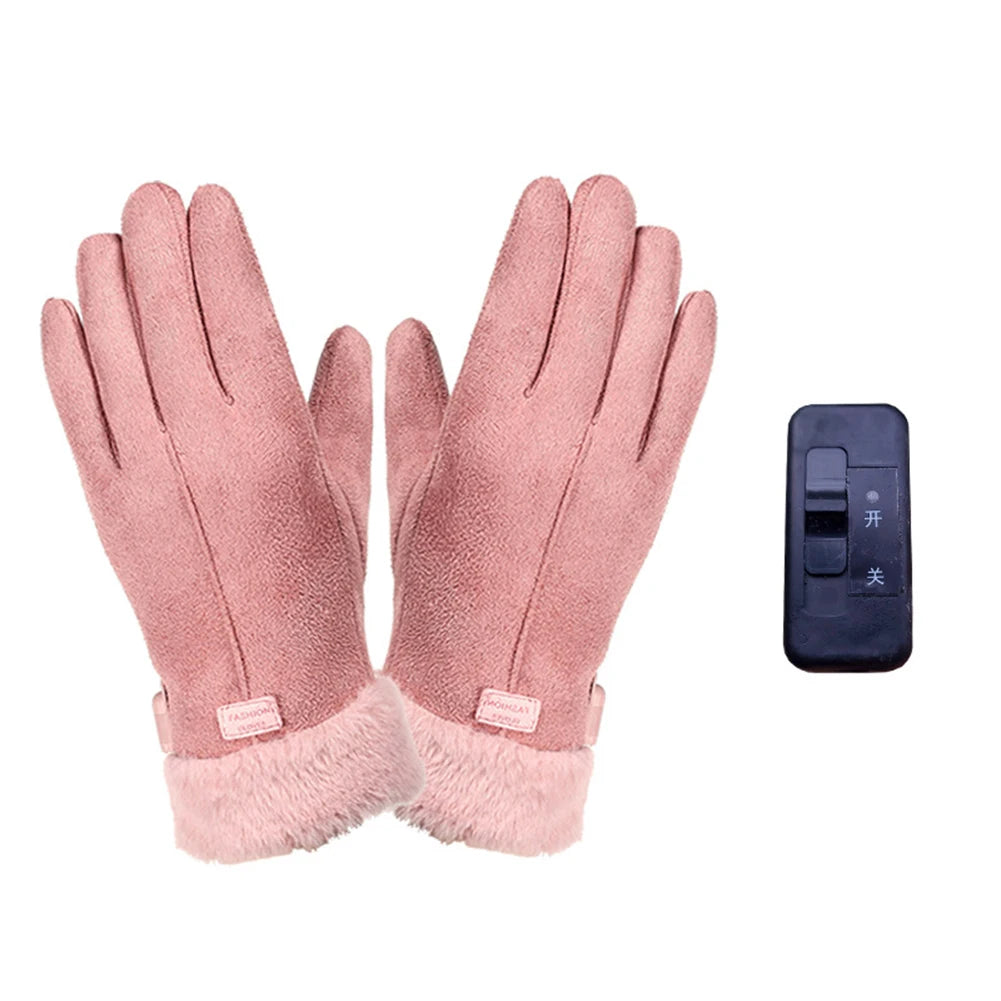
Cold weather gloves waterproof materials compared See it in action
How to Choose the Best Waterproof Winter Gloves
Choosing the best waterproof gloves for winter depends on your environment, activity level, temperature exposure, and how much flexibility you need. The right pair should provide enough protection from moisture and cold without making everyday tasks difficult.
Match Gloves to Your Activity
Different winter activities require different glove features. For skiing and snow activities, prioritize waterproof protection, insulation, and snow-blocking cuffs. For hiking or outdoor work, choose gloves that balance warmth with breathability. For commuting or cycling, lightweight cold weather gloves waterproof designs with better dexterity are often more practical.
Matching glove features to your activity helps avoid choosing gloves that are either too bulky for movement or not protective enough for the conditions.
Choose the Right Insulation
Insulation level should match the temperature and how active you are outdoors. Heavy insulation works best for freezing temperatures and long periods outside, while lighter insulation is better for active movement where your body generates more heat.
Consider synthetic insulation for wet environments because it maintains warmth when exposed to moisture. For dry, cold conditions, lightweight insulating materials can provide excellent warmth without unnecessary bulk.
Fit, Dexterity & Grip
A proper fit improves both warmth and control. Gloves that are too tight can reduce comfort and limit natural circulation, while oversized gloves may allow heat to escape and make handling objects more difficult.
Look for features such as pre-curved fingers, flexible materials, and textured palms. These details improve grip in wet or icy conditions and make gloves easier to use for driving, cycling, or outdoor tasks.
Cuff Style & Snow Protection
Cuff design affects how well gloves protect against snow, rain, and cold air. Longer gauntlet-style cuffs help prevent snow from entering during winter sports and outdoor activities, while shorter cuffs provide easier movement for everyday wear.
For heavy snow exposure, choose gloves with adjustable cuffs that create a secure seal over or under jacket sleeves.
Sizing Guide
The correct glove size improves insulation performance and comfort. A glove that is too small can restrict movement, while one that is too large may create empty spaces where heat escapes.
- Measure hand width and finger length before choosing a size.
- Allow enough room for natural movement without excessive looseness.
- Consider extra space if wearing a thin moisture-wicking liner underneath.
Real-World Performance: What Matters Most Outdoors
Snow
Waterproof gloves for snow need reliable moisture protection, sealed construction, and cuffs that prevent snow entry. During prolonged snow exposure, insulation quality and waterproof performance matter more than appearance alone.
Rain & Slush
Wet winter conditions test both waterproofing and breathability. The best gloves keep rain and melted snow outside while allowing sweat vapor to escape, helping prevent damp hands during extended use.
Cold Wind
Wind can quickly reduce comfort by increasing heat loss. Gloves with wind-resistant outer materials help preserve warmth, especially during cycling, hiking, and exposed outdoor activities.
Everyday Commuting
For daily winter commuting, the ideal gloves balance warmth, waterproof protection, and dexterity. A glove that keeps hands warm but limits grip or movement may be less practical for everyday use.
For those seeking additional warmth, heated options like USB Heated Gloves provide adjustable heat while maintaining waterproof protection.
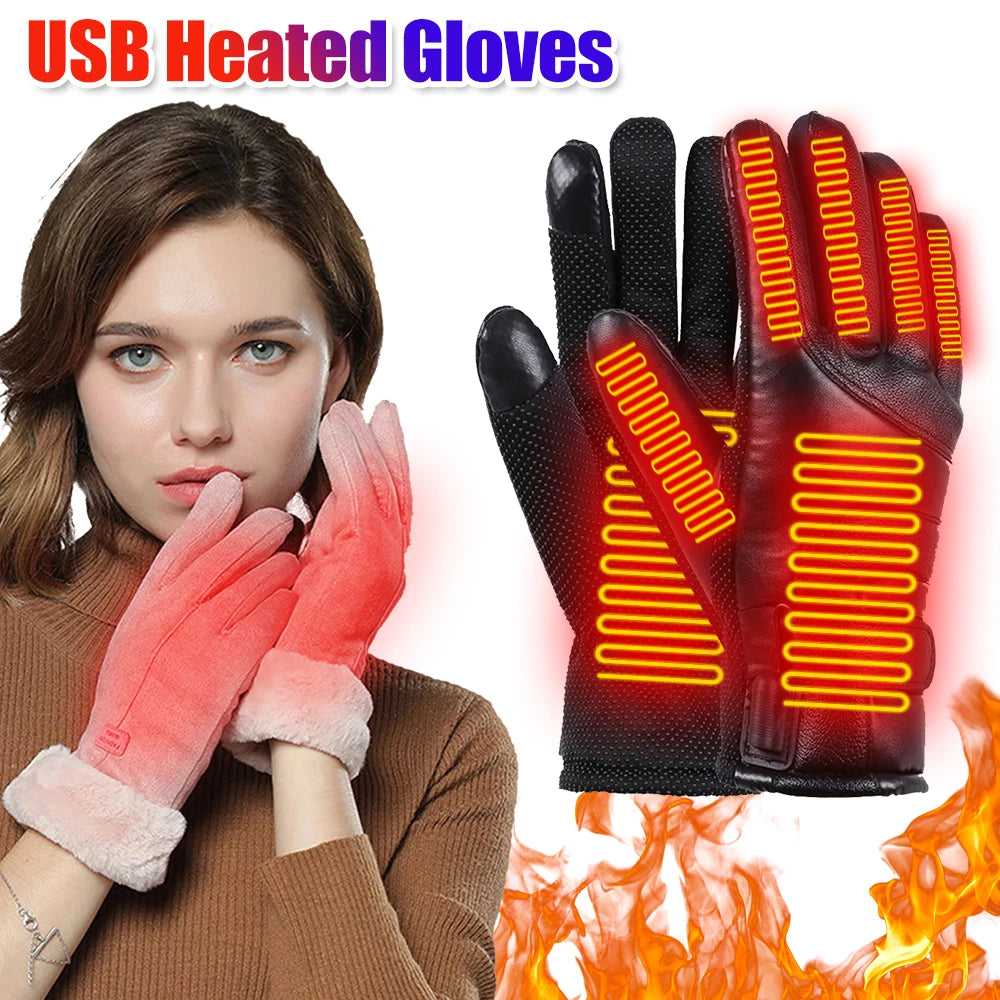
Warmest thermal gloves for daily winter use See it in action
How to Keep Hands Dry in Waterproof Winter Gloves
Even high-quality waterproof winter gloves perform better when they are used and maintained correctly. Proper layering, moisture control, and glove care help prevent dampness inside the glove and extend long-term performance.
Layering Tips
For colder conditions, use a thin moisture-wicking liner glove underneath your waterproof gloves. This helps move sweat away from the skin while adding an extra layer of warmth without reducing finger movement.
- Choose breathable liners instead of bulky layers that restrict circulation.
- Avoid cotton liners because they can hold moisture close to the skin.
- Match the number of layers to your activity level and temperature.
Drying Gloves Properly
Allow gloves to dry completely after exposure to snow, rain, or sweat. Moisture trapped inside the insulation can reduce warmth and create an uncomfortable environment during future use.
- Air dry gloves naturally after each use.
- Avoid excessive heat sources that may damage waterproof materials.
- Remove inner liners when possible to improve airflow.
Restoring Waterproofing
Over time, the outer water-repellent finish on gloves may wear down. Reapplying a suitable waterproof treatment can help restore water resistance and improve protection against rain and snow.
Regular maintenance helps waterproof insulated gloves maintain their performance for longer, especially when used frequently in harsh winter conditions.
How to Care for Waterproof Winter Gloves
Proper care improves the lifespan of waterproof winter gloves and helps preserve their insulation, comfort, and moisture protection.
- Cleaning: Follow the manufacturer’s cleaning instructions and avoid harsh chemicals that can damage waterproof coatings.
- Reproofing: Refresh the outer water-resistant finish when moisture no longer beads on the surface.
- Storage: Store gloves in a dry, ventilated location away from excessive heat or moisture.
- Replacement: Consider replacing gloves when insulation becomes compressed, seams begin failing, or waterproof performance declines.
Frequently Asked Questions
What makes gloves waterproof?
Waterproof winter gloves use waterproof membranes, sealed seams, and protective outer materials to block moisture while maintaining breathability. The combination of materials and construction quality determines how well gloves perform in wet conditions.
Are waterproof gloves warm enough for sub-zero temperatures?
Yes, waterproof gloves can provide warmth in sub-zero temperatures when they include sufficient insulation, wind protection, and effective moisture management. Waterproofing helps preserve warmth by keeping hands dry, but insulation level remains the main factor affecting cold-weather performance.
What are the warmest waterproof gloves?
The warmest waterproof gloves typically combine heavy insulation, wind-resistant shells, and reliable waterproof construction. They are designed for extended exposure in freezing conditions where maximum heat retention is more important than lightweight flexibility.
Which waterproof membrane performs best in snow?
High-quality waterproof membranes are designed to provide a balance of water protection and breathability. The best choice depends on the glove construction, seam sealing, insulation, and how the gloves are used in snowy environments.
Are leather gloves waterproof?
Leather gloves are naturally water-resistant but are not completely waterproof without additional treatment or a waterproof membrane. Treated leather or leather combined with synthetic waterproof layers provides better protection in wet winter conditions.
Can leather gloves be fully waterproof?
Leather can achieve strong water protection through specialized treatments and waterproof construction, but untreated leather will eventually absorb moisture during prolonged exposure to rain or snow.
How do I keep hands dry inside winter gloves?
Use breathable waterproof gloves, manage sweat with moisture-wicking liners, dry gloves completely between uses, and maintain waterproof treatments when needed. Keeping the inside of gloves dry is essential for comfort and warmth.
What is the difference between waterproof and water-resistant gloves?
Waterproof gloves are designed to block moisture during heavier exposure to snow, rain, and wet conditions. Water-resistant gloves provide limited protection and are better suited for light moisture or shorter outdoor use.
How long do waterproof gloves stay waterproof?
The lifespan of waterproof protection depends on materials, frequency of use, exposure conditions, and maintenance. Regular cleaning, proper drying, and reapplying waterproof treatments can help extend performance.
Related Guide: Carbon Fiber Heating Elements Explained for Faster Warmth













