

What Does a Scalp Massager Do for Daily Stress Relief
Why Do Head Scratchers Feel So Good? (Quick Answer)
Why do head scratchers feel so good? They stimulate thousands of touch-sensitive receptors across the scalp at the same time. This gentle stimulation sends signals to the brain that activate relaxation pathways, encourage the release of feel-good neurotransmitters such as dopamine and endorphins, and temporarily shift attention away from stress. For many people, the result is a pleasant tingling sensation, reduced muscle tension, and a calmer state of mind.
⏱ 7 min read
Ever feel mentally exhausted but unable to truly relax? If your shoulders feel heavy, your head feels tight, and bedtime turns into another scroll session, you're not alone. Daily stress often builds in the muscles of the scalp, neck, and shoulders. Understanding what does a scalp massager do can help you build a simple relaxation habit that supports calmer evenings and better recovery.
Quick check: Are you unconsciously tightening your jaw, forehead, or scalp? Many people carry tension there throughout the day without noticing.
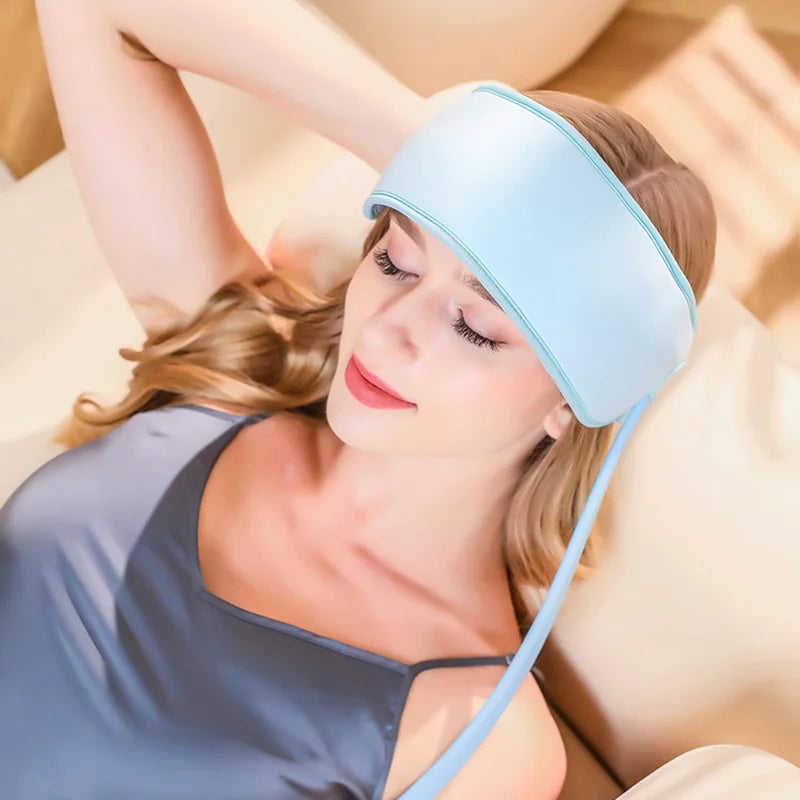
What does a scalp massager do for stress and sleep? See it in action.
What Happens in Your Brain During a Head Massage
Mechanoreceptors and Touch Signals
Your scalp contains numerous mechanoreceptors that detect gentle pressure, vibration, and hair movement. When a scalp massager glides across the skin, these receptors rapidly send signals through sensory nerves to the brain, producing the familiar tingling sensation that many people enjoy.
Dopamine, Endorphins, and Relaxation
One reason head massagers feel so good is that pleasant touch can activate reward pathways involved in relaxation. While responses vary from person to person, soothing touch may encourage the release of dopamine and endorphins while helping reduce the body's stress response. This combination often leaves people feeling calmer, more comfortable, and mentally refreshed.
ASMR vs Scalp Massage
Scalp massage and ASMR are related but not identical experiences. ASMR is triggered by specific sensory cues such as whispering or repetitive sounds, whereas scalp massage relies on physical stimulation of the skin and hair follicles. Some individuals experience both simultaneously, while others simply enjoy the relaxing sensation without the characteristic ASMR tingles.
Why the Scalp Is So Sensitive to Touch
Scalp Nerves and Hair Follicle Receptors
The scalp is densely packed with sensory nerves and each hair follicle is connected to tiny receptors that detect even subtle movement. This explains why a light sweep from a head scratcher can feel surprisingly intense compared with touching many other parts of the body.
Why Light Touch Feels Intense
Unlike deep tissue massage, head scratchers apply very light, evenly distributed pressure. Small movements of individual hairs stimulate multiple receptors simultaneously, amplifying the sensation without requiring force. This unique mechanism contributes to many reported head scratcher benefits , including temporary relaxation and perceived scalp comfort.
What Does a Head Massager Do?
Mechanical Stimulation
A head massager gently moves across the scalp, providing repetitive mechanical stimulation that activates touch receptors and encourages muscles surrounding the scalp to relax.
Blood Flow: What Evidence Shows
Research suggests massage can temporarily increase local circulation during and shortly after treatment. Improved blood flow may contribute to feelings of warmth and comfort, although evidence does not support exaggerated claims that scalp massage alone dramatically changes overall circulation or guarantees hair growth.
Muscle Relaxation
Many people unconsciously tense the muscles around the forehead, temples, and scalp during stressful situations. Gentle massage can help those muscles relax, reducing feelings of tightness and promoting a greater sense of physical ease.
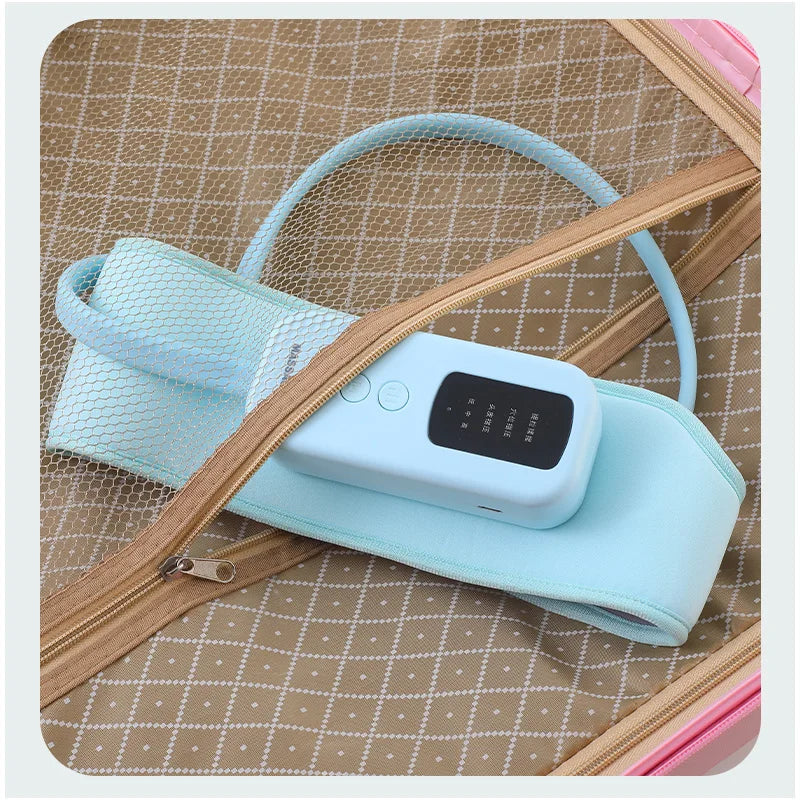
Daily use helps reinforce a relaxing routine for many people.
Why Do Some People Feel More Than Others?
Genetics and Sensitivity
Everyone's nervous system is different. Some people naturally have greater tactile sensitivity, making scalp massage feel exceptionally pleasurable, while others notice a milder response.
Stress Levels and Mood
If you're already feeling overwhelmed or mentally fatigued, a relaxing touch may feel more noticeable because it contrasts with your current level of tension. Likewise, when you're already calm, the effect may be more subtle.
Personal Preferences
Some individuals love light, whisk-like stimulation, while others prefer firmer massage pressure. Personal comfort, hair length, scalp sensitivity, and previous experiences all influence how enjoyable a scalp massage feels.
Does Head Massage Reduce Stress? What the Research Says
Parasympathetic Activation
Massage is commonly associated with activation of the parasympathetic nervous system—the body's "rest and digest" mode. This shift may slow breathing, reduce muscle tension, and help people transition from a stressed state into a more relaxed one.
Stress Hormones and Relaxation
Several studies suggest massage therapy may help lower stress hormone levels while improving perceived relaxation. However, scalp massage should be viewed as a supportive wellness practice rather than a medical treatment for chronic stress or anxiety disorders.
Why Do Head Scratchers Feel Different From Fingers?
Multi-Point Stimulation
Head scratchers use multiple flexible prongs that contact numerous areas of the scalp simultaneously. This "whisk" effect produces widespread sensory stimulation that fingers typically cannot replicate.
Light Touch vs Pressure
Fingers excel at applying targeted pressure to tight muscles, while head scratchers emphasize feather-light stimulation. Depending on your goal—muscle relief or tingling relaxation—you may prefer one approach or combine both.
Potential Benefits and Limitations of Scalp Massage
Relaxation and Sleep
Many people find scalp massage helpful before bedtime because it creates a calming ritual that encourages relaxation. Although individual results vary, pairing massage with consistent sleep habits may help you unwind more easily.
Scalp Comfort
Gentle massage may temporarily ease feelings of scalp tightness, improve comfort after a long workday, and provide a pleasant sensory break from screens and mental fatigue.
What It Cannot Do
Scalp massage is not a cure for insomnia, chronic headaches, anxiety disorders, or hair loss. While it may complement healthy lifestyle habits, persistent symptoms should be evaluated by a qualified healthcare professional.
How to Use a Scalp Massager Safely
Duration and Frequency
Three to five minutes per session is usually enough for relaxation. Daily use is appropriate for most people as long as the massage remains gentle and comfortable.
When to Avoid Scalp Massage
- Avoid areas with open wounds, infections, or recent surgery.
- Stop if massage causes pain rather than comfort.
- Keep massage tools clean to reduce the risk of skin irritation.
- If you have a scalp condition or medical concern, ask your healthcare provider before beginning regular massage.
Many users prefer electric options because they provide consistent rhythm with minimal effort. An electric head massager can make daily relaxation simple and convenient.
For a complete relaxation routine, combine scalp massage with tools from Body Care and Health Devices or calming essentials from Lifestyle .
Manual vs Electric Head Massagers
Manual head scratchers excel at creating gentle tingling sensations through light-touch stimulation and are inexpensive, portable, and quiet. Electric head massagers typically deliver rhythmic kneading or vibration that may better target muscle tension around the scalp, temples, and neck. The best choice depends on whether you prioritize sensory relaxation, deeper massage, portability, or convenience.
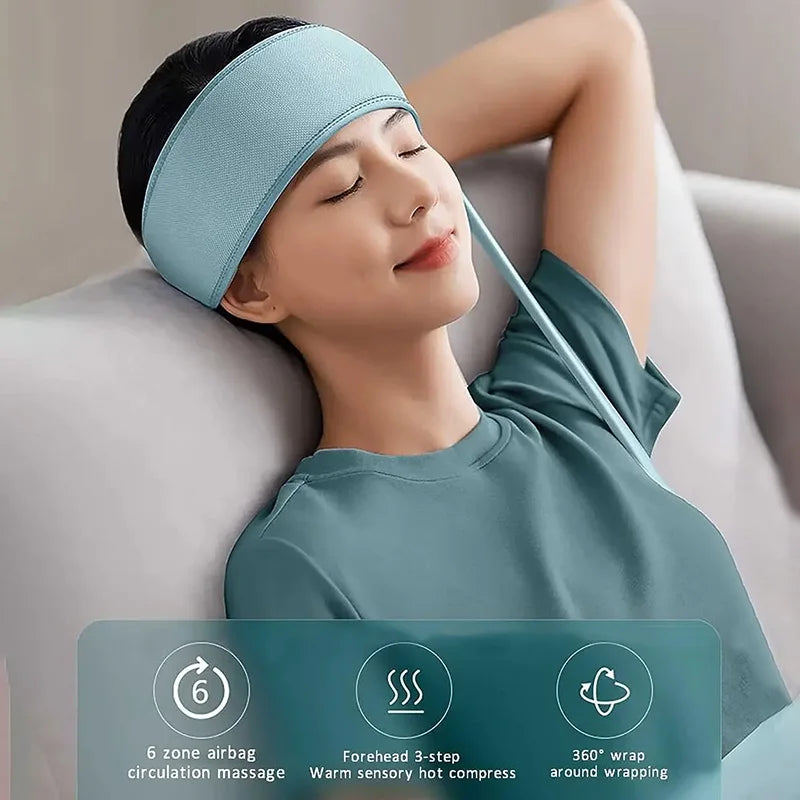
Experience a relaxing scalp massage as part of your evening routine.
Common Myths About Head Scratchers and Scalp Massage
-
Myth:
Scalp massage permanently increases circulation.
Reality: It can temporarily increase local blood flow during massage but does not permanently change circulation. -
Myth:
A head scratcher guarantees faster hair growth.
Reality: Current evidence does not support guaranteed hair growth from massage alone. -
Myth:
Scalp massage detoxifies the body.
Reality: The body's liver and kidneys perform detoxification—not massage tools. -
Myth:
More pressure always produces better results.
Reality: Gentle, comfortable pressure is often more effective for relaxation than excessive force.
FAQ: Head Massagers and Scalp Stimulation Explained
Why do head scratchers make you tingle?
They stimulate many sensitive nerve endings and hair follicle receptors simultaneously, creating a pleasant tingling sensation.
Why do head massagers feel so good compared with a regular massage?
The scalp has an exceptionally high concentration of sensory receptors, making light stimulation feel surprisingly intense even without deep pressure.
Does a scalp massager actually do anything?
Yes. It provides sensory stimulation, may promote temporary relaxation, can help ease muscle tension, and may support a calming bedtime routine.
Can scalp massage improve circulation?
Massage may temporarily increase local blood flow during treatment, contributing to warmth and comfort, although long-term circulation claims are limited.
Does head massage reduce stress scientifically?
Research suggests massage can support relaxation and reduce perceived stress, but it should complement—not replace—medical care when needed.
Why do some people dislike head scratchers?
Sensory preferences differ. Some individuals find light stimulation uncomfortable or overly ticklish, while others enjoy the tingling sensation.
Is it safe to use a head massager every day?
For most healthy individuals, gentle daily use is considered safe as long as the scalp is free from injury or infection.
Can a head scratcher help you fall asleep?
Many people use one before bed because it encourages relaxation, although its effects vary between individuals.
When daily stress feels unavoidable, small relaxation habits can make a meaningful difference. Understanding what does a scalp massager do helps you set realistic expectations while enjoying a simple wellness ritual that supports calm, comfort, and better recovery.
Related Guide: How to Reduce Tension Headaches Step by Step at Home













