

What is DOT certified helmets and why does it matter?
DOT certified helmets means the helmet meets U.S. Department of Transportation impact, penetration, and retention tests under FMVSS 218. This motorcycle helmet safety certification confirms the helmet follows a recognized helmet safety standard designed to reduce head injuries and improve real-world rider protection.
What Does DOT Certified Helmets Mean? Full Guide to DOT Helmet Safety Standards
Choosing a motorcycle helmet isn’t just about looks or comfort—it’s about verified protection. Understanding what DOT certified helmets means helps riders avoid unsafe gear, recognize legitimate safety claims, and choose equipment that meets real-world crash protection standards.
⏱ 6 min read
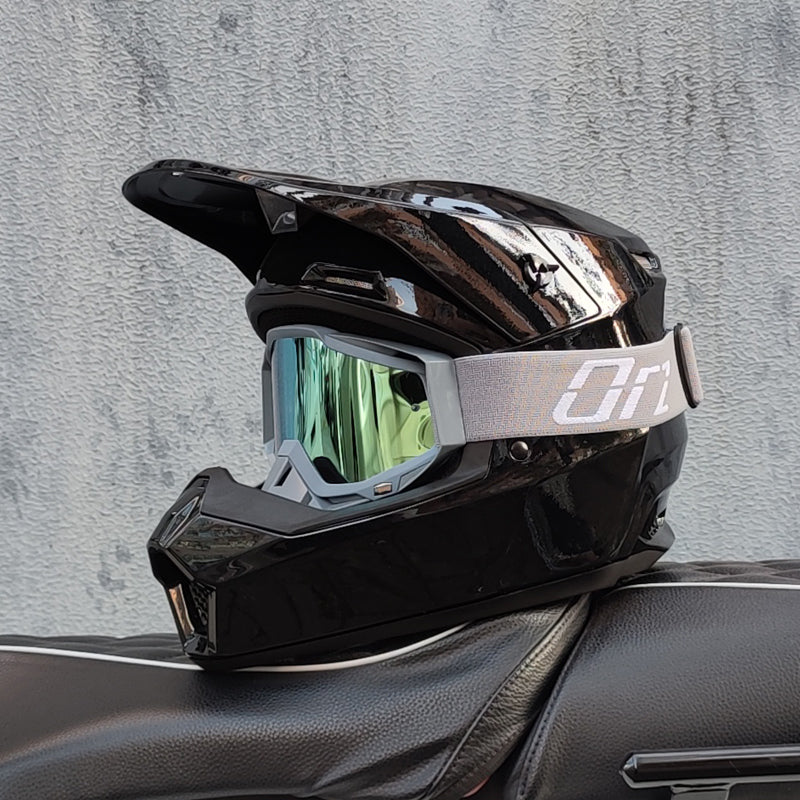
DOT-certified helmet structure explained — understand dot helmet safety standards See it in action
What Do DOT Certified Helmets Mean?
DOT Certified Meaning (Simple Definition)
DOT certified helmets means the helmet meets minimum federal safety requirements for motorcycle use in the United States under FMVSS 218. These standards ensure basic protection against impact, penetration, and strap failure.
What Does DOT Stand For?
DOT stands for the U.S. Department of Transportation. When you see “DOT” on a helmet, it indicates the manufacturer claims compliance with federal safety standards required for legal road use.
Why DOT Certification Matters for Riders
DOT certification provides a trusted baseline for rider safety. It helps distinguish protective helmets from novelty or decorative gear and ensures the helmet is built to reduce injury risk during real-world crashes.
What Does “DOT Certified” Mean for Helmets?
DOT Certified Meaning (Simple Definition)
“DOT certified” means the helmet meets the safety requirements defined under FMVSS 218, including impact absorption, penetration resistance, and retention strength.
What Is a DOT Approved Helmet?
A DOT approved helmet is one labeled by the manufacturer as compliant with FMVSS 218. This means it is legally acceptable for on-road use in the U.S., though it relies on manufacturer self-certification rather than pre-approval.
In simple terms, DOT certification ensures a helmet delivers verified baseline protection—not just style or comfort.
Who Regulates DOT Helmet Certification?
The Role of FMVSS 218
FMVSS 218 (Federal Motor Vehicle Safety Standard No. 218) defines the performance requirements for motorcycle helmets. It outlines how helmets must perform in key safety tests such as impact absorption and retention strength.
NHTSA Enforcement Responsibilities
The National Highway Traffic Safety Administration (NHTSA) enforces DOT helmet compliance. While manufacturers self-certify, NHTSA conducts random testing and can issue recalls, fines, or penalties for non-compliant helmets.
What Makes a Helmet DOT Certified? (FMVSS 218 Explained)
To qualify as DOT certified, a helmet must meet strict performance requirements defined in FMVSS 218.
Impact Absorption Test
The helmet is dropped onto a solid surface to measure how effectively it absorbs shock and reduces force transmitted to the head.
Penetration Resistance Test
A sharp object is dropped onto the helmet shell to ensure it resists penetration from debris or direct impact.
Retention System Strength (Chin Strap Test)
The chin strap is tested under force to confirm it won’t stretch or break, ensuring the helmet stays securely in place.
Peripheral Vision Requirement
DOT requires a minimum field of view of 210 degrees, helping riders maintain awareness of their surroundings.
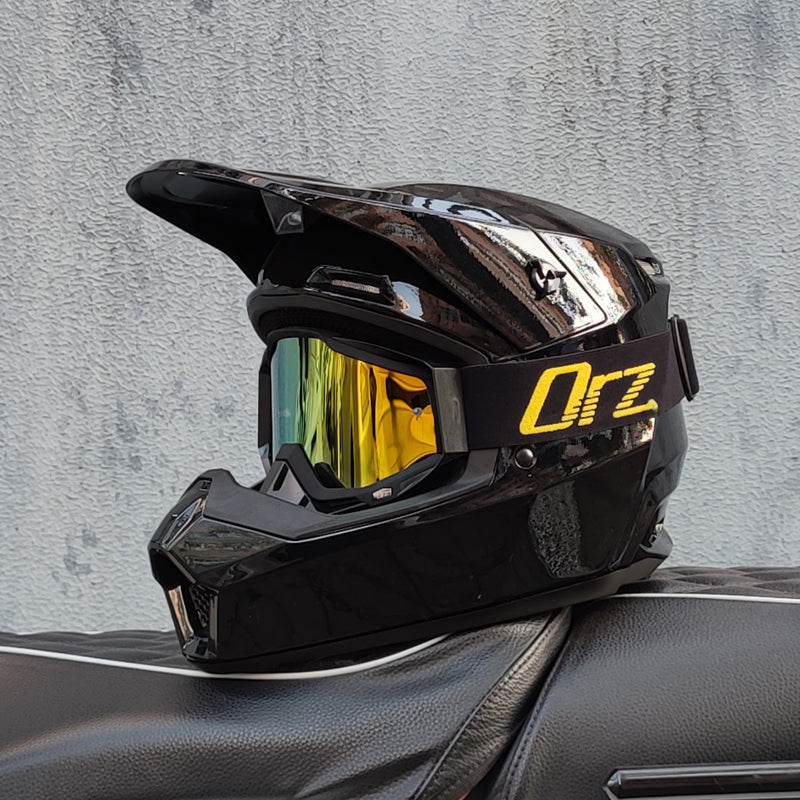
Inside a DOT-tested helmet — motorcycle helmet safety certification in focus See it in action
How DOT Certification Works (Self-Certification vs Government Testing)
Manufacturer Self-Certification
Helmet manufacturers are responsible for testing their own products and confirming they meet FMVSS 218 before applying the DOT label.
Random Compliance Testing
Government agencies conduct post-market testing to verify compliance. This ensures helmets on the market continue to meet safety requirements.
What Happens If a Helmet Fails?
If a helmet fails testing, manufacturers may face recalls, fines, and legal penalties. Non-compliant products can be removed from the market.
How to Identify a Genuine DOT Certified Helmet
DOT Label and Required Markings
A compliant helmet will have a “DOT” label on the back. This label must be accompanied by proper manufacturing details.
Certification Information Inside the Helmet
Inside the helmet, you should find labels showing the manufacturer, model number, and production date—key indicators of authenticity.
How to Spot Fake DOT Stickers
- Missing internal labeling or manufacturer details
- Extremely low price compared to similar helmets
- Poor construction or suspiciously lightweight feel
- No traceable brand or certification documentation
If a helmet only has a sticker without proper labeling, it may not truly meet DOT standards.
DOT vs Other Helmet Safety Standards (Snell, ECE)
DOT vs Snell
Snell certification involves more rigorous, third-party testing and higher impact thresholds compared to DOT.
DOT vs ECE
ECE certification includes broader testing, including rotational forces and batch testing, and is widely used internationally.
Which Certification Is Safer?
DOT provides a legal safety baseline, while Snell and ECE may exceed it in certain areas. Many premium helmets meet multiple certifications for added protection.
What DOT Certification Does and Does Not Guarantee
Minimum Safety Standard
DOT certification ensures a minimum level of protection, but it does not guarantee the highest possible safety performance.
Importance of Helmet Fit
A poorly fitting helmet reduces effectiveness. Proper helmet fit is critical for real-world protection.
Proper Helmet Maintenance
Helmets must be replaced after impacts or significant wear. Even certified helmets lose effectiveness over time.
Who Should Use DOT Certified Helmets
- New riders learning safe riding habits
- Daily commuters needing reliable protection
- Weekend riders requiring legal compliance
- Anyone prioritizing certified safety standards
Riders often pair their helmet choice with gear from the Lifestyle collection for added comfort.
Choosing the Right DOT Helmet for Daily Riding
Fit and Comfort Over Certification Alone
A DOT certified helmet only protects you if it fits correctly—snug without pressure points and stable during movement.
Matching Helmet Type to Riding Style
- Full-face helmets for maximum protection
- Modular helmets for versatility
- Open-face helmets for city riding
Many riders prefer a full face motorcycle helmet for its balance of comfort and protection.
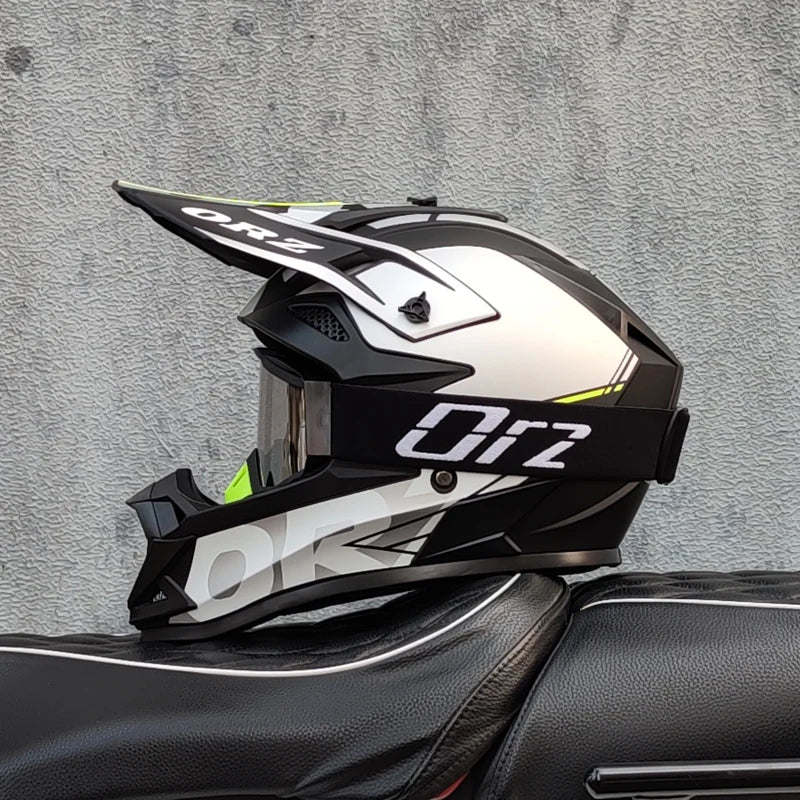
Confidence on every ride with DOT-certified protection See it in action
Common Misconceptions About DOT Certification
Does DOT Mean “Best” Safety?
No. DOT indicates minimum safety compliance, not the highest level of protection available.
Are All DOT Helmets Tested Before Sale?
No. DOT relies on self-certification, with enforcement happening through random testing after products reach the market.
Frequently Asked Questions
Is DOT certification mandatory?
Yes, it is required for motorcycle helmets used on public roads in the United States.
Can a helmet lose DOT compliance?
Yes. Damage, modifications, or failed testing can result in loss of compliance.
What does DOT mean on a helmet?
It indicates the helmet meets FMVSS 218 safety standards set by the Department of Transportation.
What makes a helmet DOT approved?
A helmet must meet impact, penetration, and retention requirements and be labeled by the manufacturer.
Is DOT enough or should I look for ECE or Snell too?
DOT is sufficient for legal use in the U.S., but many riders prefer helmets that also meet ECE or Snell for additional safety assurance.
Related Guide: Motorcycle Safety Gear: How to Choose Protection That Works













