Neck Gaiter vs Neck Warmer: Key Differences, Pros, and When to Use Each
Choosing between a neck gaiter and a neck warmer comes down to how you plan to use it, the level of cold protection you need, and how much breathability or wind resistance matters. While both serve as a neck covering for winter, they differ in design, insulation, and overall performance in cold and windy conditions.
This guide breaks down the neck gaiter vs neck warmer differences, compares their strengths, and helps you decide which option is better for your climate, activity level, and comfort preferences.
Quick Comparison: Neck Gaiter vs Neck Warmer (At a Glance)
| Feature | Neck Gaiter | Neck Warmer |
|---|---|---|
| Design | Tube-shaped, stretchable fabric | Structured, often fleece or insulated wrap |
| Wind Protection | Moderate to high (depending on material) | High, especially windproof versions |
| Warmth | Light to moderate | Moderate to high insulation |
| Breathability | High | Moderate |
| Best Use | Sports, running, layering | Cold wind, commuting, static outdoor use |
Neck Gaiter vs Neck Warmer: Key Differences Explained
Design & Coverage
A neck gaiter is typically a seamless, tube-shaped piece of fabric that can be pulled up over the mouth and nose. A neck warmer is often more structured, sometimes with thicker panels or adjustable closures for better insulation and wind blocking.
Materials (Fleece vs Synthetic vs Hybrid)
Neck gaiters are commonly made from lightweight synthetic blends that prioritize stretch and breathability. Neck warmers often use fleece or layered materials that trap heat more effectively, making them ideal for colder environments.
Breathability vs Insulation
Gaiters tend to offer better airflow, which is useful during physical activity. Neck warmers prioritize insulation, helping retain heat but sometimes at the cost of reduced breathability.
Wind Protection Performance
A windproof winter neck warmer generally provides stronger protection against cold air due to denser fabrics and tighter construction. Windproof neck gaiters can also perform well but depend heavily on material quality.
Versatility & Wearing Styles
Neck gaiters are highly versatile and can be worn in multiple ways (face covering, headband, balaclava). Neck warmers are more focused on neck and lower face protection, offering less styling flexibility but more consistent warmth.
Which Is Better: Neck Gaiter or Neck Warmer?
Best for Cold Weather & Wind
A windproof neck warmer is usually better in very cold or windy environments because it provides thicker insulation and stronger resistance to cold air penetration.
Best for Active Use (Running, Skiing, Cycling)
A neck gaiter is often preferred for high-intensity activities since it offers better breathability and moisture management while still providing adequate warmth.
Best for Casual Daily Wear
For commuting or everyday use, either option works, but neck warmers tend to feel warmer and more comfortable in prolonged low-movement situations.
Neck Gaiter: Pros, Cons, and Best Use Cases
Advantages of Neck Gaiters
- Lightweight and highly breathable
- Flexible multi-use design (face covering, headband, etc.)
- Easy to pack and carry
Limitations of Neck Gaiters
- Less insulation compared to thicker neck warmers
- May not block strong wind as effectively
Ideal Scenarios
Best suited for running, hiking, cycling, and other active outdoor activities where moisture control and breathability matter more than maximum warmth.
Neck Warmer: Pros, Cons, and Best Use Cases
Advantages of Neck Warmers
- Better insulation for cold temperatures
- Improved wind resistance
- Often made with fleece or thermal materials
Limitations of Neck Warmers
- Less breathable during high activity
- Can feel bulkier than gaiters
Ideal Scenarios
Best for commuting, walking in cold wind, or situations where maintaining warmth is more important than ventilation.
Temperature & Weather Suitability Breakdown
Mild Cold Conditions
In mild winter weather, a neck gaiter is usually sufficient due to its lighter insulation and higher breathability.
Moderate Winter Conditions
Both neck gaiters and neck warmers can work, but a warmer option provides added comfort during longer exposure.
Extreme Cold & Wind Exposure
A windproof winter neck warmer performs better in harsh conditions, especially when wind chill is a major factor.
Comfort, Fit, and Long-Term Wear Comparison
Fit Around Neck and Face
Neck gaiters offer a snug, stretchable fit, while neck warmers may provide a more structured and stable feel depending on design.
Pressure Points & Glasses Compatibility
Users who wear glasses often find that well-fitted gaiters reduce pressure around the ears, while bulkier neck warmers may require adjustment to avoid interference.
All-Day Comfort Considerations
For extended wear, breathability and moisture control become important. Gaiters tend to perform better during movement, while neck warmers excel during low-activity periods.
Where Each Neck Covering Performs Best
Outdoor Sports & Activity
Neck gaiters are ideal for running, skiing, and cycling due to their lightweight and breathable design.
Commuting & Daily Use
Neck warmers are often preferred for commuting because they provide consistent warmth with less need for adjustment.
High Wind Environments
A windproof neck warmer offers stronger protection against cold gusts, making it more suitable for exposed environments.
How to Wear a Neck Gaiter or Neck Warmer for Best Results
- Pull the covering snugly over the neck, ensuring full coverage.
- Adjust upward to cover the chin or lower face when wind increases.
- Position breathable panels near the mouth for airflow.
- Layer under jackets or coats without bunching.
Mini FAQ: Neck Gaiter vs Neck Warmer
What is the main difference between a neck gaiter and a neck warmer?
A neck gaiter is typically a lightweight, tube-style fabric designed for breathability and versatility, while a neck warmer is usually thicker and more focused on insulation and wind protection.
Do neck warmers keep you warmer than neck gaiters?
Yes, in most cases neck warmers provide more insulation, especially when made with fleece or windproof materials.
Is a windproof neck gaiter better for cold wind?
A windproof neck gaiter can perform well, but a dedicated windproof neck warmer often provides stronger and more consistent protection against wind chill.
Can a neck gaiter replace a neck warmer?
It depends on the conditions. A gaiter can replace a neck warmer in mild or active scenarios, but a neck warmer is generally better in colder, windier environments.
Which is better for sports and outdoor activities?
Neck gaiters are usually better for sports due to their breathability, moisture control, and flexible wearing options.
Are these good as face protection for cold weather?
Yes, both can be used as face protection for cold weather, but gaiters are more commonly used for full or partial face coverage due to their stretchable design.
Related Guide: Cold Weather Neck Gaiter Features That Actually Keep Heat In
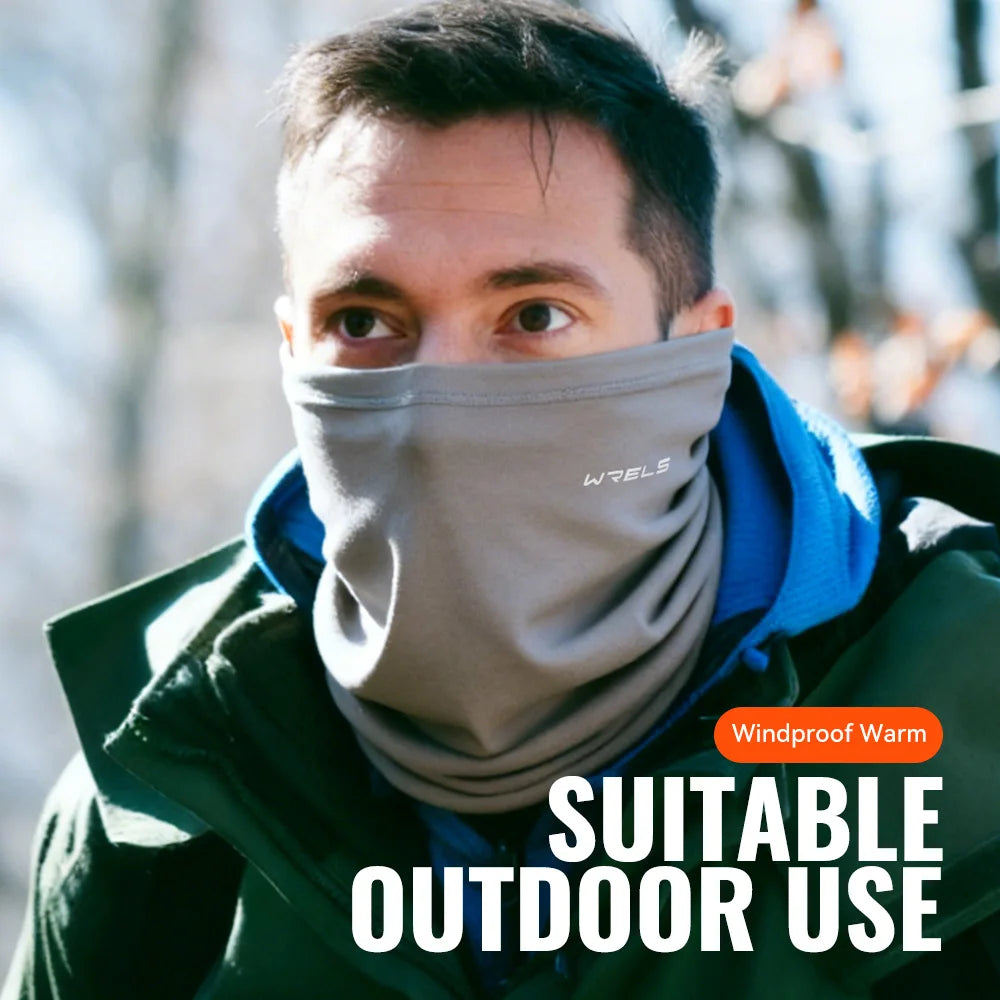
A windproof winter neck warmer designed for real cold exposure — 💡 See it in action
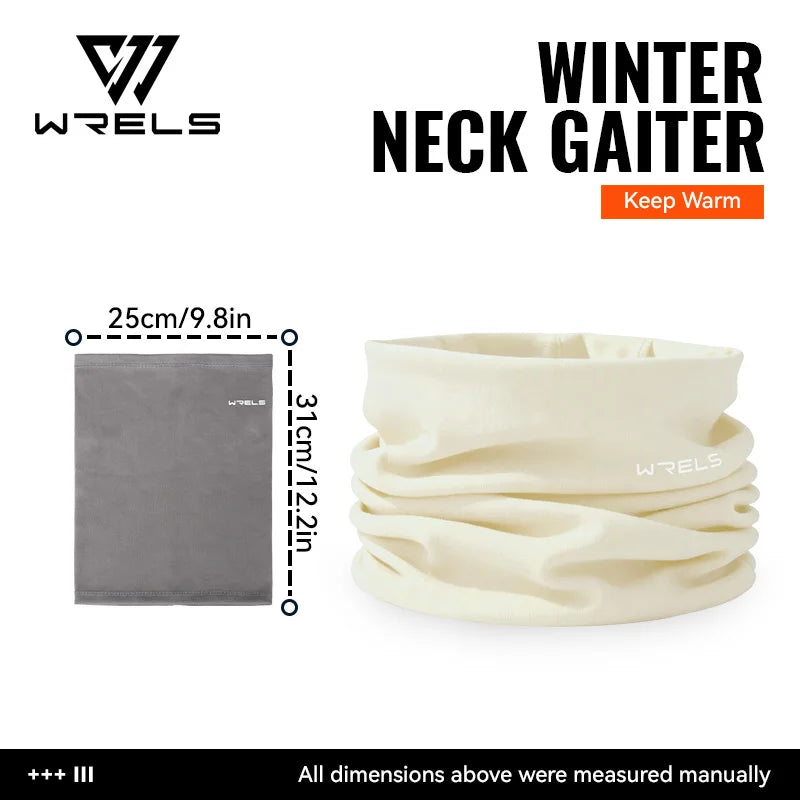
Flexible, soft, and secure — a warm neck gaiter built for movement 💡 See it in action
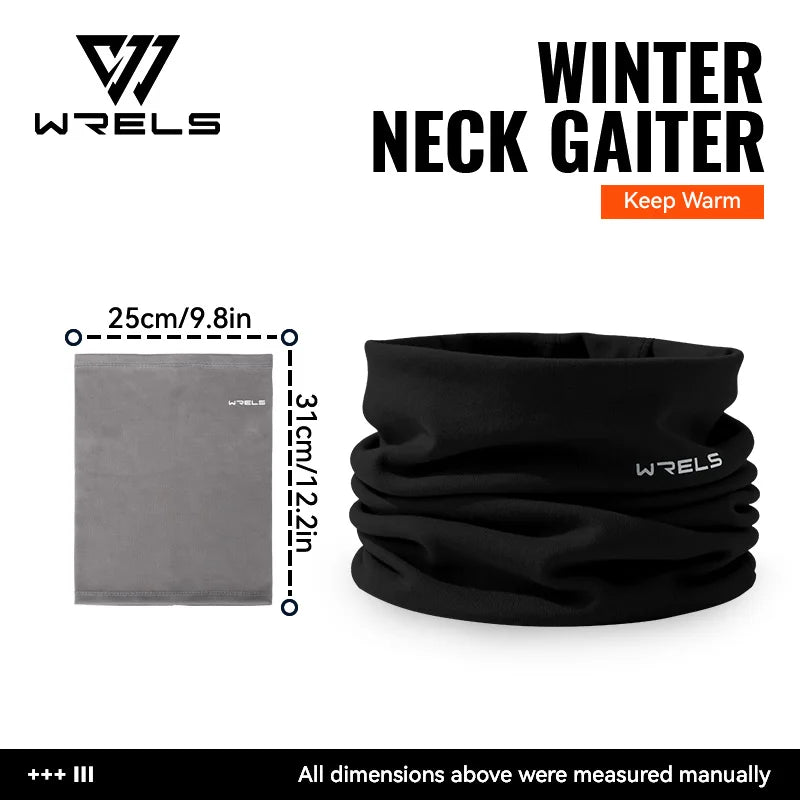
Designed for daily winter confidence — 💡 See it in action