

Why Does My Ear Feel Muffled But No Wax?
If your ear feels muffled but you cannot see any earwax, the problem may be caused by pressure changes, congestion, fluid behind the eardrum, inflammation, or an issue affecting how sound travels through the ear. Muffled hearing can make sounds seem distant, dull, or as though you have cotton wool in your ear.
Visible earwax is only one possible cause. The outer ear canal may look clear while the Eustachian tube is blocked, fluid is trapped behind the eardrum, or an infection is causing swelling. Less commonly, sudden muffled hearing can be a sign of inner-ear hearing loss that needs urgent medical evaluation.
The right next step depends on how suddenly the muffled hearing began and whether you also have pain, pressure, dizziness, discharge, fever, or other symptoms.
Why Your Ear Feels Muffled: Causes, Symptoms, and Safe Ways to Fix It
⏱ 5 min read
Have you ever woken up feeling like one ear is stuffed with cotton? Or noticed sounds suddenly seem distant even though you cannot see any earwax? If you are asking, “why does my ear feel muffled,” the sensation can be caused by anything from temporary pressure changes to congestion, fluid, infection, or a problem affecting the inner ear.

Ear discomfort and muffled hearing can have several causes beyond visible earwax — See it in action
Quick Self-Check: What Your Symptoms Might Mean
The feeling of an ear feeling muffled can mean different things depending on how quickly it started and what other symptoms you have. This quick self-check can help you identify the most likely pattern, but it cannot replace a professional diagnosis.
Muffled hearing with no pain
Muffled hearing without pain is commonly associated with pressure imbalance, Eustachian tube dysfunction, congestion, fluid behind the eardrum, or earwax that is not immediately visible. If the change is mild and follows a cold, allergy flare-up, or air travel, the hearing may improve as pressure and inflammation settle.
If hearing loss is sudden or noticeably severe, however, do not assume the problem is simply congestion or wax. Sudden hearing changes should be assessed promptly.
Muffled hearing with pain or pressure
An ear that feels blocked and muffled with pain or significant pressure may be affected by inflammation, an ear infection, fluid buildup, or pressure-related injury. Fever, worsening pain, swelling, or drainage make medical evaluation more important.
Muffled hearing after cleaning or earwax removal
Muffled hearing after cleaning ears may happen when wax is pushed deeper into the canal, moisture becomes trapped, or the delicate skin of the ear canal becomes irritated or swollen. If hearing does not gradually improve or symptoms worsen, stop inserting anything into the ear and arrange an evaluation.
Woke up with one ear muffled
If you woke up with one ear muffled, temporary pressure changes, congestion, fluid, or sleeping with pressure on one side may be possible explanations. A sudden one-sided change in hearing should not automatically be attributed to sleep position, especially if the hearing loss is substantial or accompanied by ringing or dizziness.
Feels like cotton wool in my ear
The feeling of cotton wool in my ear is a common description of muffled hearing. It can occur when sound is blocked in the ear canal, when pressure is not equalized properly, when fluid affects the middle ear, or when hearing is reduced in the inner ear.
Most Common Causes of Muffled Hearing Without Visible Wax
If your ear feels muffled but no wax is visible, the cause may be deeper than the outer ear canal. The middle ear and inner ear play important roles in transmitting and processing sound, so a clear-looking ear canal does not necessarily mean the ear is functioning normally.
Eustachian tube dysfunction
The Eustachian tubes connect the middle ear with the back of the nose and help equalize pressure. When a tube becomes swollen or does not open properly, pressure can build up and create a sensation of fullness, popping, clogged hearing, or muffled sound.
Eustachian tube dysfunction commonly occurs during or after a cold, allergy flare-up, sinus congestion, or rapid altitude changes. Symptoms may come and go and may become more noticeable during swallowing, yawning, flying, or diving.
Fluid behind the eardrum
Fluid can collect in the middle ear and interfere with the normal movement of the eardrum and tiny hearing bones. This may make sounds seem dull or distant even when there is no visible blockage in the ear canal.
Fluid-related muffled hearing may follow a respiratory infection, allergies, or Eustachian tube dysfunction. A feeling of fullness or pressure may occur with it, although pain is not always present.
Middle or outer ear infection
Ear infections can cause muffled hearing because inflammation, swelling, or fluid interferes with sound transmission. Middle-ear infections often cause pressure and pain behind the eardrum, while outer-ear infections can cause tenderness, canal swelling, itching, or drainage.
Fever, worsening pain, swelling, discharge, or symptoms that do not improve should be evaluated by a healthcare professional.
Allergies, sinus congestion, and colds
Allergies and respiratory infections can cause swelling and mucus buildup around the Eustachian tube. This can prevent the middle ear from equalizing pressure normally and create the sensation that your ear is clogged or muffled.
In these cases, the hearing change often occurs alongside a stuffy nose, sneezing, sinus pressure, postnasal drainage, or other congestion symptoms.
Barotrauma, TMJ, hearing loss, and other less common causes
Rapid changes in air or water pressure during flying, diving, or altitude changes can temporarily affect the ear and cause muffled hearing. This is known as barotrauma and may also cause pressure, pain, or difficulty equalizing the ears.
Jaw joint problems, including temporomandibular joint (TMJ) irritation, can sometimes create ear fullness or pressure-like symptoms. Less commonly, muffled hearing may reflect noise-related or age-related hearing loss, inner-ear disorders, injury, or sudden sensorineural hearing loss.
Because these causes can feel similar, persistent or sudden hearing changes should be evaluated rather than repeatedly treated as earwax or congestion without confirmation.
Common Causes Compared at a Glance
| Possible cause | Typical symptoms | Expected duration | Recommended action |
|---|---|---|---|
| Eustachian tube dysfunction | Fullness, pressure, popping, muffled hearing | May improve over days or longer depending on the trigger | Address the underlying congestion and seek evaluation if persistent or severe |
| Fluid behind the eardrum | Dull hearing, fullness, pressure, sometimes reduced hearing without pain | Can last days to weeks depending on the cause | Professional evaluation may be needed if symptoms persist |
| Ear infection | Pain, muffled hearing, pressure, fever, swelling, or discharge | Varies according to the type and severity of infection | Arrange medical evaluation, especially with worsening symptoms |
| Cold or allergies | Congestion, blocked nose, pressure, muffled hearing | Often improves as the underlying congestion settles | Use appropriate symptom care and seek advice if symptoms persist |
| Pressure change or barotrauma | Ear fullness, popping, pressure, muffled hearing after flying or diving | Often temporary, but persistent symptoms need evaluation | Avoid forcing pressure equalization and seek care if severe or ongoing |
| Sudden inner-ear hearing loss | Rapid hearing reduction, often in one ear, sometimes with ringing or dizziness | Requires prompt assessment | Seek urgent medical evaluation rather than waiting for it to resolve |
Muffled Hearing After Cleaning or Earwax Removal
Muffled hearing after earwax removal can happen for several reasons. Cleaning may push remaining wax deeper into the ear canal, while water or cleaning solutions can temporarily affect hearing if moisture remains trapped.
The skin lining the ear canal can also become irritated. Swelling caused by repeated rubbing, scratching, or inserting objects may narrow the canal and make hearing feel blocked.
If your hearing gradually returns after cleaning and you have no significant pain, dizziness, discharge, or other concerning symptoms, temporary irritation or moisture may be possible. However, persistent muffled hearing after ear wax removal should not be treated with repeated probing or aggressive flushing.
Seek professional evaluation if the hearing change continues, becomes worse, or is accompanied by pain, discharge, bleeding, severe dizziness, or a sudden substantial reduction in hearing.
How to Get Rid of a Muffled Ear Safely at Home
The safest approach depends on the likely cause. Home care may be reasonable for mild muffled hearing associated with temporary congestion or pressure, but it should not delay evaluation of sudden or severe hearing loss.
Safe self-care options
- For congestion or a cold: Rest, stay hydrated, and manage nasal congestion according to appropriate medical or pharmacy guidance.
- For mild pressure changes: Swallowing, yawning, or gentle jaw movements may help the Eustachian tube open naturally.
- For suspected earwax: Use only an appropriate earwax-softening product as directed, and avoid inserting objects into the ear canal.
- After water exposure: Allow the ear to dry naturally and avoid poking inside the canal to remove trapped moisture.
- After flying or diving: Avoid forceful pressure-equalization techniques if they cause pain or discomfort.
What to avoid
- Do not insert cotton swabs, hairpins, or other objects into the ear canal.
- Do not repeatedly scrape or probe the ear to search for hidden wax.
- Avoid forceful flushing if you have ear pain, a history of eardrum problems, ear surgery, or unexplained hearing loss.
- Do not assume sudden hearing loss is caused by wax or congestion and wait several days without medical advice.
Home treatment is most appropriate when symptoms are mild, the likely cause is clear, and there are no warning signs. If the ear feels blocked and muffled without improvement, a healthcare professional can determine whether the problem is wax, pressure, fluid, infection, or hearing loss.

Gentle ear care can help prevent irritation and worsening blockage — See it in action
How Doctors Diagnose the Cause
When your ear feels muffled but no wax is visible, a healthcare professional usually begins by asking when the symptoms started and whether they are affecting one or both ears.
The evaluation may include:
- Medical history: Recent colds, allergies, air travel, diving, noise exposure, ear cleaning, injuries, and previous ear problems may provide important clues.
- Ear examination: An otoscope can help assess the ear canal, eardrum, visible fluid, inflammation, and possible blockage.
- Hearing tests: Audiometry or other hearing assessments can help determine whether hearing is reduced and whether the problem is more consistent with conductive or inner-ear hearing loss.
- Additional testing: Further tests or imaging may be considered when symptoms are persistent, unusual, associated with other neurological signs, or not explained by the initial examination.
A proper diagnosis matters because treatment for earwax, congestion, infection, pressure problems, and inner-ear hearing loss is not the same.
When a Muffled Ear Is a Medical Emergency
Sudden hearing changes should be taken seriously. Seek urgent medical evaluation if you experience a rapid or sudden reduction in hearing, particularly in one ear, even if the ear does not hurt and appears clear.
Prompt care is also important when muffled hearing occurs with:
- Sudden or substantial hearing loss
- New ringing in the ear alongside a sudden hearing change
- Severe dizziness or problems with balance
- Facial weakness, numbness, or other neurological symptoms
- Severe ear pain, high fever, significant swelling, or drainage
- A serious head or ear injury
Sudden sensorineural hearing loss can sometimes feel like a blocked or muffled ear and may be mistaken for earwax or congestion. Because early assessment can be important, do not wait several days to see whether a sudden hearing change resolves on its own.
How Long Does Muffled Hearing Last?
How long a muffled ear lasts depends on the underlying cause, the severity of the problem, and how quickly the trigger resolves.
- Temporary pressure changes: May improve within hours, although persistent or severe symptoms should be assessed.
- Cold or allergy-related congestion: Often improves as the congestion settles, but symptoms can persist if inflammation continues.
- Eustachian tube dysfunction: May come and go and can last longer than the original cold or allergy flare-up.
- Fluid behind the eardrum: Can persist for days or longer and may require follow-up if hearing remains reduced.
- Earwax blockage: Usually improves once the blockage is safely removed.
- Ear infection: Recovery varies according to the type and severity of the infection and whether treatment is needed.
- Sudden hearing loss: Should not be monitored at home for several days without prompt medical assessment.
If your ear feeling muffled continues, repeatedly returns, or progressively worsens, professional evaluation can help identify the cause and prevent an ongoing hearing problem from being overlooked.
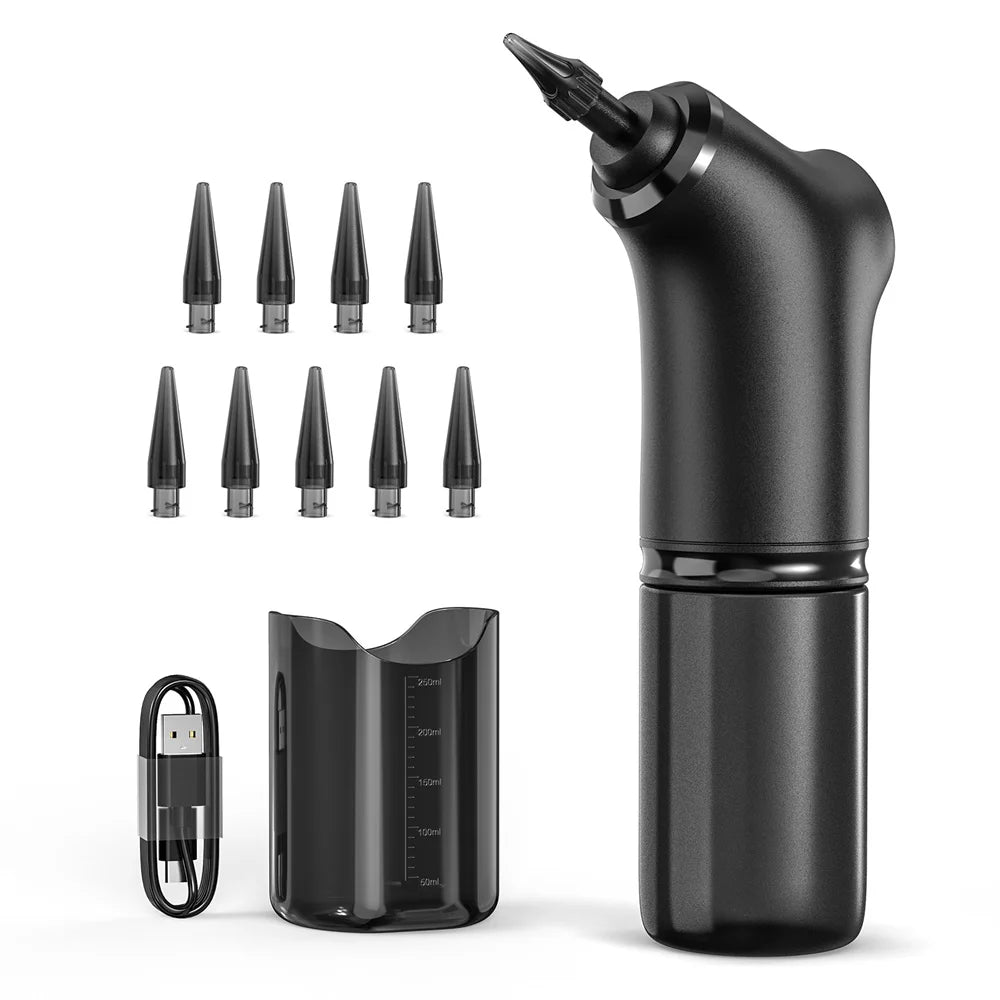
Persistent hearing changes deserve the right diagnosis and care — See it in action
Frequently Asked Questions
Can an ear feel muffled even if there is no wax?
Yes. An ear can feel muffled without visible wax because of Eustachian tube dysfunction, fluid behind the eardrum, congestion, allergies, infection, pressure changes, or an inner-ear hearing problem.
Why did I wake up with one ear muffled?
Waking up with one ear muffled may be related to temporary pressure, congestion, fluid, or other ear problems. If the hearing change is sudden or significant, especially with ringing or dizziness, seek prompt medical evaluation rather than assuming it is caused by sleeping position.
Why does my ear feel like cotton wool is inside?
The feeling of cotton wool in my ear is a common description of muffled hearing. It may result from blockage in the ear canal, pressure imbalance, fluid, inflammation, or reduced hearing from the middle or inner ear.
Is muffled hearing after earwax removal normal?
Temporary muffled hearing can occur after earwax removal because of remaining moisture, irritation, swelling, or residual wax. If hearing does not improve or becomes worse, avoid further cleaning and seek professional evaluation.
Can allergies cause muffled hearing?
Yes. Allergies can cause inflammation and congestion around the Eustachian tube, making it harder for the middle ear to equalize pressure. This may lead to fullness, popping, and muffled hearing.
How can I tell if I have sudden hearing loss?
A rapid or noticeable reduction in hearing, especially in one ear, may be sudden hearing loss even if the ear simply feels plugged or muffled. Because it can be difficult to distinguish from wax or congestion without an examination, seek prompt medical evaluation.
How long should a muffled ear last?
Temporary muffled hearing from pressure or congestion may improve within hours to days, while fluid, Eustachian tube dysfunction, or infection can last longer. Persistent, worsening, or sudden hearing changes should be evaluated.
When should I see a doctor for muffled hearing?
Seek medical advice for persistent or worsening muffled hearing, or for symptoms such as pain, fever, discharge, severe dizziness, balance problems, or sudden hearing loss. Sudden or substantial hearing reduction should receive prompt evaluation.
Related Guide: How to Remove Earwax Safely at Home Step by Step













