

Winter Ear Warmers Comparison: Headbands vs Ear Muffs for Wind Protection
Winter ear warmers are more than a cold-weather accessory—they're an important layer of ear protection from wind during outdoor activities. Whether you're running, cycling, commuting, hiking, or simply walking on a windy day, choosing between headbands and ear muffs affects warmth, comfort, breathability, and wind resistance. This guide explains how to protect your ears from wind, compares the most effective options, and helps you choose the right solution for your activity level and weather conditions.
⏱ 8 min read

Wind-resistant ear warmers compared during real winter outdoor use.
Ear Protection From Wind: Why Your Ears Need Protection in Cold Weather
Your ears lose heat quickly because they have thin skin, very little insulating fat, and are constantly exposed to moving air. Even when the rest of your body feels comfortable, your ears may become painfully cold first.
Good ear protection from wind becomes especially important when temperatures drop below freezing or whenever strong wind increases heat loss. Runners, cyclists, hikers, skiers, and anyone spending time outdoors can benefit from protecting their ears before discomfort develops.
- Thin ear tissue cools rapidly in cold weather.
- Wind chill accelerates heat loss from exposed skin.
- Reduced blood flow makes ears slower to warm up.
- Proper coverage helps reduce numbness, irritation, and discomfort.
Why Wind Hurts Your Ears Faster Than Cold Alone
Many people assume temperature alone causes ear pain, but wind often plays the larger role. Moving air strips away the thin layer of warmth surrounding your skin, making your ears feel much colder than the thermometer suggests.
- Wind chill increases the rate of heat loss.
- Cold air reduces circulation to exposed ears.
- Dry winter wind can contribute to redness, irritation, and windburn.
- Long exposure may cause numbness that reduces comfort and awareness.
These effects are especially noticeable during outdoor running, cycling, skiing, hiking, or any activity where movement creates additional airflow around your head.
How to Protect Ears From Wind: Best Methods for Outdoor Activities
Use Wind-Resistant Ear Warmers and Headbands
Wind-resistant ear warmers provide targeted insulation without overheating the rest of your head. Low-profile headbands are particularly useful for runners and cyclists because they stay secure while fitting comfortably beneath helmets.
Choose Thermal Layers for Extreme Cold
When temperatures fall significantly below freezing, combine ear warmers with insulated hats or hoods for additional protection. Layering helps trap more warm air while reducing direct wind exposure.
Cover Ears During High-Wind Activities
Buffs, neck gaiters, insulated hats, and earmuffs all offer different levels of protection depending on the weather. During high winds, choose products that fully cover the ears without compromising visibility or hearing awareness.
Windproof Ear Warmers vs Headbands vs Ear Muffs: Which Protection Works Best?
Each style offers advantages depending on your activity, expected temperatures, and wind exposure.
Windproof Ear Warmers for Running and Training
- Excellent balance of warmth and breathability.
- Comfortable during high-intensity workouts.
- Designed to reduce overheating.
- Ideal for runners and outdoor training.
Ear Muffs for Extreme Cold and Strong Wind
- Maximum insulation and full ear coverage.
- Excellent protection during long periods outdoors.
- Best suited to walking, commuting, or standing outdoors.
- Can feel bulky during vigorous exercise.
Headbands for Lightweight Wind Protection
- Fit easily under cycling and ski helmets.
- Lightweight construction supports active movement.
- Offer moderate warmth with good ventilation.
- Ideal in cool to moderately cold weather.
Compare comfort, warmth, and coverage in outdoor conditions.
| Feature | Windproof Headbands | Ear Muffs |
|---|---|---|
| Wind Resistance | Moderate to High | High |
| Warmth | Moderate | High |
| Breathability | High | Moderate |
| Helmet Compatibility | Excellent | Limited |
| Best Use | Running, cycling, training | Walking, commuting, extreme cold |
| Typical Price | $15–$40 | $20–$60 |
How Windproof Ear Warmers Work: Materials and Features That Matter
Wind-Blocking Outer Layers
Wind-resistant fabrics reduce airflow reaching the ears, helping retain body heat without relying on bulky insulation.
Fleece and Thermal Insulation
Soft fleece linings trap warm air close to the skin while remaining comfortable during extended wear.
Breathability for Active Outdoor Use
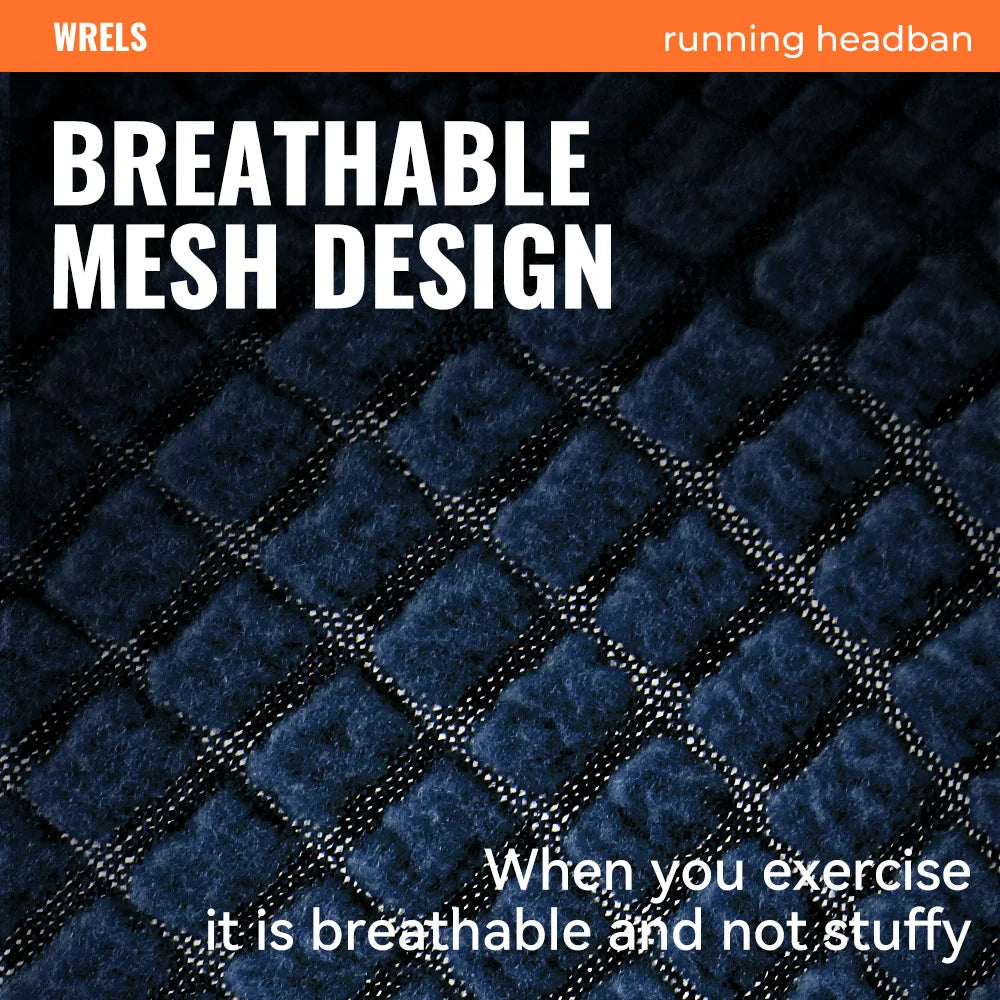
Moisture-wicking materials help move sweat away from the skin, reducing dampness that can make ears feel colder during exercise.
- Wind-resistant outer shell
- Thermal insulating layer
- Breathable moisture management
- Secure fit that stays in place during movement
Best Ear Protection Options by Activity and Weather
Running and Outdoor Training
Choose lightweight windproof headbands that balance warmth with ventilation to avoid overheating.
Cycling in Cold Wind
Select slim ear warmers that fit comfortably beneath helmets while maintaining hearing awareness.
Skiing and Extreme Winter Conditions
Pair insulated ear protection with helmets or winter hats for maximum warmth and wind resistance.
Daily Walking and Commuting
Insulated ear muffs often provide the greatest comfort during lower activity levels and extended exposure.
Looking for additional winter wellness products? Explore our Body Care & Health Devices Collection .
Do Ear Warmers Prevent Windburn and Cold-Related Ear Problems?
Yes—quality ear warmers can help reduce the risk of windburn by limiting direct exposure to cold, dry air. Protection depends on complete ear coverage, proper fit, and wind-resistant materials.
While ear warmers cannot treat medical conditions, they may help reduce:
- Dryness caused by cold wind.
- Redness and irritation.
- Pain associated with prolonged wind exposure.
- Heat loss that contributes to numbness.
Real-World Testing: What Makes Ear Protection Comfortable Outdoors
Comfort depends on more than insulation. During outdoor use, the best-performing ear protection combines warmth with stability and breathability.
- Headbands remain stable during running and cycling.
- Ear muffs deliver greater warmth during stationary activities.
- Pressure around the ears should remain comfortable over long periods.
- Breathable fabrics help reduce sweat buildup during exercise.
- Proper sizing improves both warmth and comfort.
How to Choose the Best Wind Resistant Ear Warmers
- Choose stronger wind resistance for open, windy environments.
- Select breathable fabrics for high-intensity workouts.
- Look for thermal insulation when temperatures are well below freezing.
- Prioritize a secure fit that stays in place without excessive pressure.
- Consider helmet compatibility if you cycle or ski regularly.
Care Tips for Long-Lasting Wind Protection
- Wash gently using mild detergent to preserve thermal fabrics.
- Air dry completely after workouts to maintain elasticity.
- Avoid excessive heat that may damage wind-resistant materials.
- Store flat between uses to help maintain shape.
- Rotate between pairs if used frequently to reduce odor buildup.

Comfortable ear protection for everyday winter activities.
FAQ About Protecting Ears From Wind
How do you protect your ears from strong wind?
Wear wind-resistant ear warmers, insulated headbands, ear muffs, or a winter hat that completely covers your ears. Match the level of protection to both temperature and wind conditions.
Do ear warmers block wind completely?
Not always. High-quality windproof designs greatly reduce airflow, but complete protection depends on the material, construction, and how well the ear warmer fits.
Do ear warmers prevent windburn?
They can significantly reduce the likelihood of windburn by shielding your ears from direct exposure to cold, dry wind.
Are windproof ear warmers good for running?
Yes. Lightweight, breathable ear warmers designed for active use provide warmth without trapping excessive heat, making them ideal for winter running and outdoor training.
What is better for wind protection: headbands or earmuffs?
Headbands work best for active sports where breathability and helmet compatibility matter, while ear muffs provide greater insulation and are generally better for very cold, windy conditions or lower-intensity outdoor activities.
Related Guide: Warmest Ear Warmers Compared: Top Picks for Windy Winters













