

Are Window Cleaning Robots a Practical Alternative?
⏱ 8 min read
Tall windows can look spectacular, but fingerprints, dust, and water spots quickly steal their shine. If ladders feel unsafe and manual wiping takes too long, you may wonder whether automated window cleaning robots are a practical alternative. This guide explains how window cleaning robots work, how well they perform in real homes, where they still fall short, and whether they're a worthwhile investment compared with traditional window cleaning.

Smart suction at work on tall glass — See it in action
Are Window Cleaning Robots a Practical Alternative to Traditional Window Cleaning?
Yes—for many homeowners, window cleaning robots are a practical alternative to traditional window cleaning for routine maintenance. They dramatically reduce physical effort, improve safety when cleaning tall windows, and keep glass looking consistently clean between deep-cleaning sessions.
That said, expectations should remain realistic. Window cleaning robots excel at removing everyday dust, fingerprints, pollen, and light water spots. Extremely dirty windows, dried bird droppings, paint residue, or heavy mineral deposits may still require manual pre-cleaning or spot treatment.
The biggest advantages include:
- Hands-free cleaning for tall or difficult-to-reach windows
- Reduced need for ladders
- Consistent maintenance cleaning throughout the year
- Time savings for homes with many windows
Before choosing one, compare cleaning performance, window compatibility, safety features, navigation quality, maintenance requirements, and long-term value rather than focusing on suction power alone.
How Window Cleaning Robots Work
Suction vs Non-Suction Designs
Window cleaning robots generally fall into suction-based or non-suction categories. Suction robots attach securely to vertical glass using vacuum motors, making them suitable for high windows, patio doors, mirrors, and many frameless glass surfaces. Non-suction models rely on tracks or magnetic systems and are usually better suited to smaller or framed windows.
Most automatic window cleaners combine microfiber pads with controlled movement patterns to loosen dirt while maintaining steady pressure across the glass.
Navigation and Edge Detection Technology
Modern window cleaning robots use sensors, gyroscopes, and intelligent navigation algorithms to determine cleaning paths and detect window edges. Many premium models automatically change direction when they encounter frames while continuously monitoring suction.
Although navigation has improved considerably, no robot is perfect. Complex window shapes, decorative grilles, deep corners, or uneven glass can still require minor manual touch-ups.
Robot Window Cleaner Pros and Cons
- Pros: Reduces manual labor, improves safety, cleans high windows, maintains glass regularly, works well on standard vertical glass, and can operate while you complete other household tasks.
- Cons: May leave slight edge streaks, requires setup, cleans heavily soiled windows more slowly, and still benefits from occasional manual detailing.
Performance by Window Type
Robot window cleaner effectiveness depends heavily on the type of glass being cleaned.
- Framed residential windows: Excellent performance.
- Sliding glass doors: Very good coverage.
- Large picture windows: Excellent for routine maintenance.
- Frameless glass: Works well with compatible suction models.
- Irregular or curved windows: Performance varies by design.
Cleaning Results: Light Dust vs Heavy Grime
For weekly or biweekly maintenance, robot window cleaners perform surprisingly well. They easily remove fingerprints, light dust, pollen, and most water spots.
Heavy grime is different. Thick dirt layers or dried contaminants often require two or more cleaning passes, and some users lightly spray the glass beforehand for better results.
Time Savings and Cleaning Quality
While robots usually clean more slowly than an experienced person, they require very little supervision. Instead of spending 30 to 60 minutes manually wiping windows, users can start the cleaning cycle and focus on other household tasks.
The overall finish is typically very good, though perfectionists may still perform a quick microfiber wipe around corners after the robot finishes.
Robot Window Cleaners vs Traditional Window Cleaning
Cleaning Quality Comparison
Traditional hand cleaning still delivers the highest-quality finish, especially around window edges and corners. However, robot window cleaners provide consistently clean glass with significantly less effort when used regularly.
Safety, Speed, and Effort
The biggest advantage of window cleaning robots is safety. Cleaning second-story windows or large exterior glass often requires ladders, while robots stay attached using powerful suction and safety cords.
Although setup takes a few minutes, the physical effort is dramatically lower than manual cleaning.
Long-Term Cost and Value
A quality robot window cleaner requires a higher upfront investment than traditional cleaning tools. However, homeowners with many windows may recover that value through reduced cleaning time, fewer professional cleaning appointments, and more frequent maintenance that keeps glass looking cleaner year-round.
Best Window Cleaning Robots Compared
Top-Rated Models in 2026
Several well-reviewed models consistently perform well across different home environments:
- Brand A — Best overall navigation and suction performance.
- Brand B — Strong value for budget-conscious buyers.
- Brand C — Best choice for large or frameless glass surfaces.
Features, Price, and Performance Side-by-Side
| Model | Price | Suction | Battery Life | Best For |
|---|---|---|---|---|
| Brand A | $399 | High | 60 min | Overall performance |
| Brand B | $249 | Medium | 45 min | Budget buyers |
| Brand C | $499 | High | 70 min | Large and frameless windows |
Which Robot Is Best for Different Homes
- Small apartments: Compact models provide excellent value.
- Multi-story homes: High-suction robots with reliable safety systems are recommended.
- Homes with large glass walls: Premium models with advanced navigation reduce missed areas.
- Modern homes with frameless glass: Choose robots specifically rated for frameless surfaces.
Safety, Maintenance, and Common Limitations
Window Cleaning Robot Safety Tips
- Always attach the supplied safety cord when cleaning exterior windows.
- Inspect suction performance before every cleaning session.
- Avoid operating on cracked or unstable glass.
- Keep power cables clear of moving parts.
Maintenance Requirements
Clean microfiber pads after every use and replace them once they become worn or lose absorbency. Regularly inspect suction vents, empty or refill any water reservoir if applicable, and store the robot in a clean, dry location. Simple maintenance helps maintain cleaning performance and extends the robot's lifespan.
When Robot Window Cleaners Perform Poorly
Even the best window cleaning robots have limitations. Performance may decline on:
- Windows covered with heavy mud or thick grime
- Very small panes below the manufacturer's minimum size
- Curved or highly irregular glass
- Windows with protruding handles or decorative obstacles

Effortless coverage on wide panes — See it in action
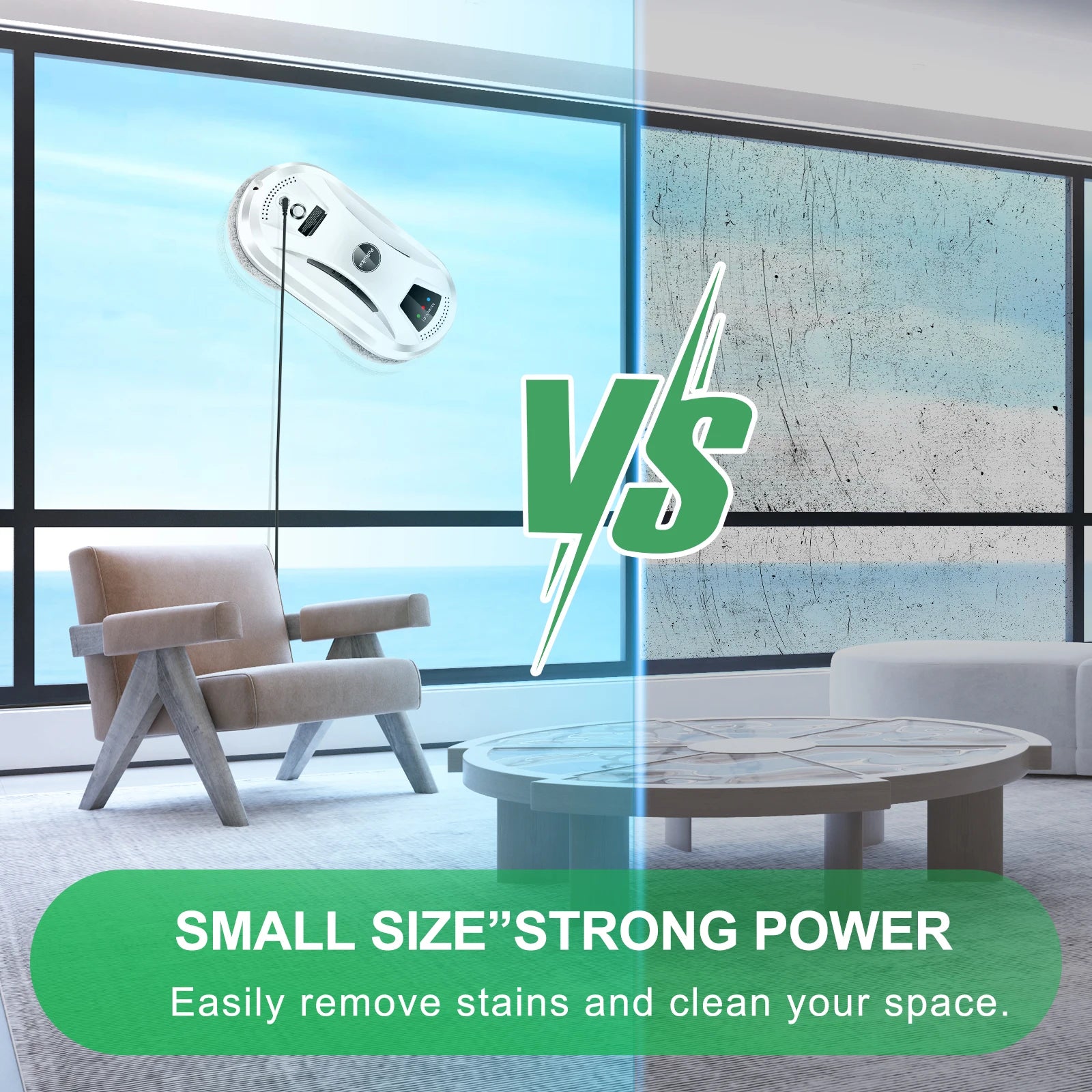
Designed for modern homes — See it in action
Are Robot Window Cleaners Worth It?
Who Should Buy One
Window cleaning robots are an excellent choice for apartment residents, homeowners with large glass surfaces, busy families, older adults, and anyone who wants safer routine window maintenance without climbing ladders.
Who Should Stick to Manual Cleaning
If you only clean a few small windows once or twice a year or require showroom-quality edge-to-edge perfection every time, manual cleaning may remain the better option.
Final Verdict
Are robot window cleaners worth it? For most homeowners, yes. They won't completely replace manual cleaning forever, but they dramatically reduce the amount of work required while improving safety and making regular maintenance much easier. Used consistently, window cleaning robots offer an effective balance of convenience, cleaning quality, and long-term value.
FAQ About Window Cleaning Robots
Do window cleaning robots work on heavily dirty windows?
Yes, but heavily soiled windows often require multiple cleaning passes or light pre-cleaning to achieve the best results.
Can robot window cleaners clean frameless or unusually shaped windows?
Many premium suction-based robots support frameless glass. However, unusually shaped windows may leave small areas that require manual finishing.
Are window cleaning robots safe for exterior high-rise windows?
Yes, when used according to the manufacturer's instructions and with the supplied safety cord properly attached.
How often should microfiber pads be replaced or washed?
Wash microfiber pads after each use. Replace them once they become worn, lose absorbency, or no longer provide effective cleaning.
Can window cleaning robots replace manual cleaning completely?
For regular maintenance, they can handle most cleaning tasks. Occasional manual detailing is still helpful for corners, stubborn stains, or deep seasonal cleaning.
Are automatic window cleaners worth the investment for most homeowners?
If your home has numerous windows, large glass doors, or difficult-to-reach panes, an automatic window cleaner can save significant time while reducing the risks associated with ladder use.
Related Guide: :contentReference[oaicite:0]{index=0}













