

Does a Windproof Neck Gaiter Really Prevent Windburn?
A windproof neck gaiter for skiing helps reduce windburn by shielding exposed skin from fast-moving, dry air that accelerates heat and moisture loss. While many people associate windburn with freezing temperatures, the primary cause is persistent airflow that dehydrates the skin and weakens its natural protective barrier. On chairlifts, exposed ridgelines, and high-speed descents, this effect becomes even more noticeable.
Unlike thick scarves that mainly provide insulation, a technical ski gaiter combines wind resistance, breathability, and close facial coverage . This allows warm air to stay near the skin while preventing excessive sweat buildup that can make you colder once activity slows.
- Dense fabric construction: Reduces cold air penetration while maintaining flexibility.
- Wind-resistant membranes or coatings: Help block icy gusts during high-speed skiing.
- Secure ergonomic fit: Prevents gaps around the neck and lower face where wind commonly enters.
- Extended facial coverage: Protects cheeks, chin, and nose when worn as a ski face cover.
A windproof gaiter cannot completely eliminate windburn in severe alpine storms. Extremely low temperatures, prolonged exposure, and uncovered facial areas may still require additional protection such as goggles, helmets, moisturizers, or a balaclava. When properly fitted and layered, however, a quality ski face cover windproof design can significantly improve comfort while helping prevent windburn skiing enthusiasts commonly experience.
Windproof Neck Gaiter for Skiing: Top Picks for Cold and Windy Slopes
⏱ 6 min read
Ever reached the bottom of a run with your neck stinging, lips numb, and skin irritated from icy wind? If you ski or snowboard regularly, standard layers often aren't enough. A properly designed windproof neck gaiter for skiing can make a noticeable difference in comfort, allowing you to stay out longer even in harsh conditions.
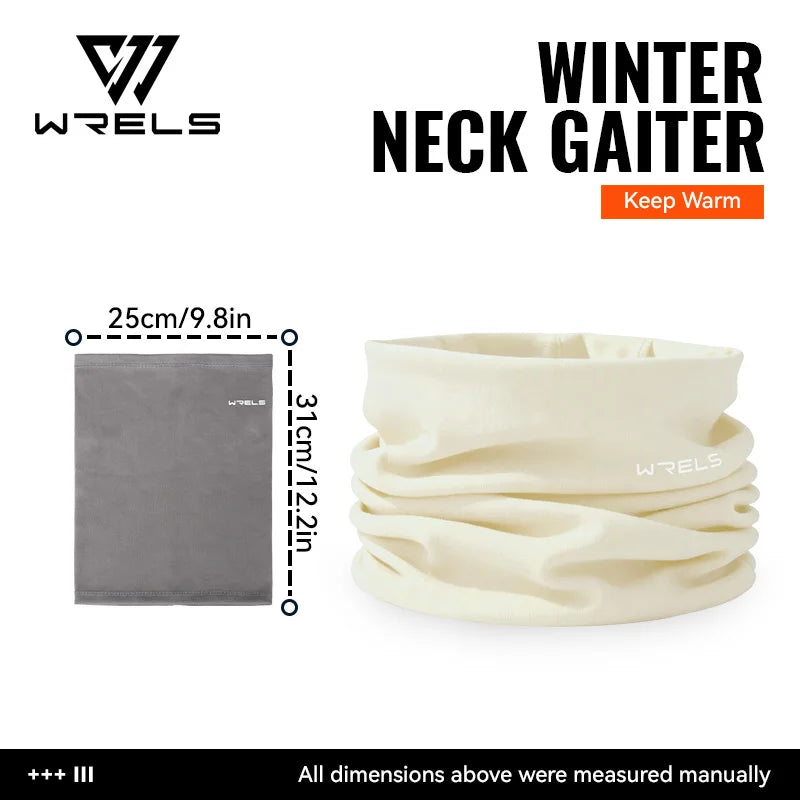
Windproof neck gaiter for skiing designed to prevent windburn ❄️ See it in action
Modern cold weather neck gaiters are engineered to balance wind resistance, breathability, moisture management, and secure fit. Choosing the right model depends on where you ski, how intensely you ride, and the weather conditions you expect.
Which style suits you best—minimal coverage or full ski face protection? Read on!
Why Windproof Protection Matters More Than Thickness
A bulky scarf may feel warm while standing still, but technical fabrics perform better once you're skiing. A windproof ski neck gaiter blocks airflow without trapping excessive moisture, making it more comfortable throughout an active day on the mountain.
Windproof Membranes vs Fleece
Fleece provides excellent insulation by trapping warm air, but strong winds can still penetrate lightweight fleece. Windproof membranes or laminated softshell fabrics dramatically reduce airflow, making them ideal for exposed chairlifts and alpine terrain.
Breathability and Moisture Management
During climbs or aggressive downhill runs, your body generates heat and perspiration. A breathable ski neck gaiter allows moisture vapor to escape, reducing condensation that can leave fabrics damp and uncomfortable.
Best Materials for Skiing
- Softshell with windproof membrane for maximum protection.
- Dense fleece for cold resort days.
- Merino wool blends for natural temperature regulation and odor resistance.
- Synthetic performance fabrics for quick drying during high-output activities.
The best thermal neck gaiter for skiing balances warmth-to-weight ratio, breathability, and secure coverage rather than relying on thickness alone.
Best Windproof Neck Gaiters for Skiing: Tested and Compared
Best Overall
Fleece-Lined Windproof Gaiter offers an excellent balance of wind resistance, warmth, and comfort. It works well for most resort skiers who experience changing weather throughout the day.
Pros:
Excellent warmth, comfortable against skin, stable fit.
Cons:
Slightly warmer during spring skiing.
Best for Resort Skiing
A fleece-lined technical gaiter provides dependable insulation during repeated chairlift rides while remaining comfortable beneath helmets and jacket collars.
Best for Snowboarding
A stretchable snowboarding neck gaiter prioritizes flexibility and unrestricted movement while maintaining reliable wind protection during freestyle riding.
Best for Backcountry Touring
Lightweight softshell designs excel during uphill travel by combining strong breathability with enough wind resistance for exposed ridgelines.
Best Budget Option
Budget-friendly fleece gaiters provide good everyday performance for recreational skiing, though they generally offer lower wind resistance than membrane-based models.
Best for High-Output Activities
Breathable thermal gaiters with moisture-wicking fabrics help regulate temperature during cross-country skiing, uphill touring, and fast-paced winter sports.
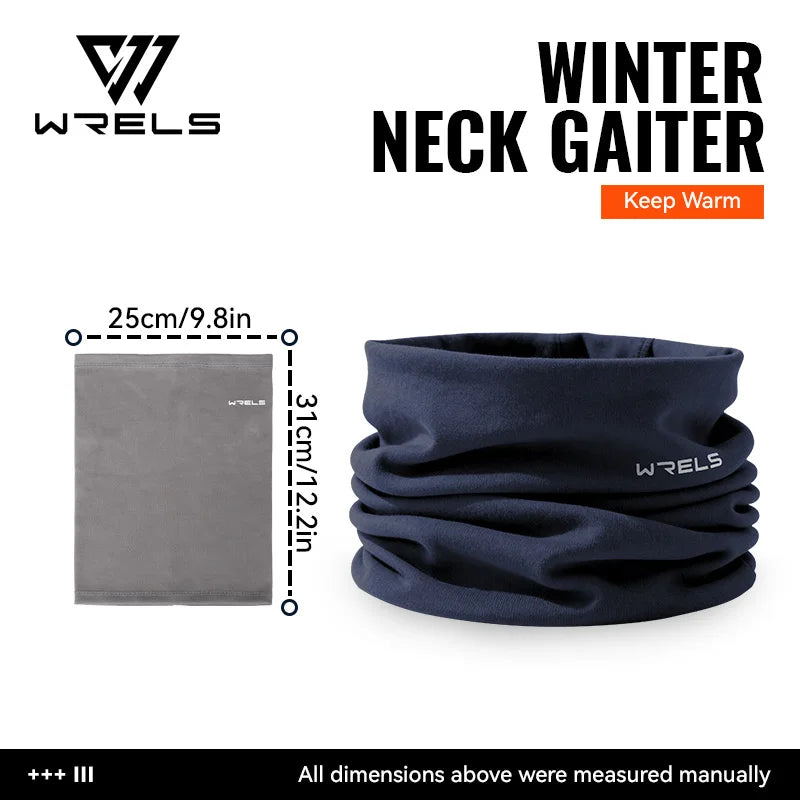
Cold weather neck gaiter performance during high-speed runs See it in action
Windproof Neck Gaiter Comparison Table
| Model | Material | Windproof Score | Breathability | Temperature Range | Coverage | Price |
|---|---|---|---|---|---|---|
| Fleece-Lined Windproof Gaiter | Windproof fleece | 8/10 | 6/10 | -5°C to 5°C | Neck + lower face | $$ |
| Lightweight Softshell Gaiter | Softshell laminate | 7/10 | 9/10 | -2°C to 8°C | Neck | $$$ |
| Full Coverage Ski Face Protection | Technical membrane | 10/10 | 7/10 | -15°C to 0°C | Face + neck | $$$ |
| Budget-Friendly Ski Neck Gaiter | Poly fleece | 6/10 | 5/10 | -3°C to 5°C | Neck | $ |
| Breathable Thermal Neck Gaiter | Performance knit | 7/10 | 10/10 | -2°C to 7°C | Neck + chin | $$ |
Best Neck Gaiter by Skiing Conditions
Resort Skiing
Choose insulated fleece or membrane-backed gaiters that prioritize warmth and comfort during repeated chairlift rides.
Backcountry Touring
Lightweight breathable designs reduce overheating during climbs while still blocking wind at higher elevations.
Cross-Country Skiing
Thin moisture-wicking synthetic or merino gaiters provide excellent temperature regulation during sustained aerobic effort.
Extreme Cold and Windy Days
For exposed alpine environments, combine a full ski face cover windproof gaiter with a helmet, goggles, and balaclava to maximize protection and minimize exposed skin.
How to Choose the Right Cold Weather Neck Gaiter
The best neck gaiter for skiing depends on weather conditions, skiing style, and personal comfort preferences.
Fit and Sizing
A snug fit seals out wind without restricting breathing or neck movement. Stretch fabrics accommodate different face shapes while maintaining coverage.
Helmet and Goggle Compatibility
Choose low-profile seams and flexible materials that fit comfortably beneath helmet straps and integrate cleanly with goggles.
Fabric Selection
- Merino wool for natural warmth and odor resistance.
- Synthetic blends for quick drying.
- Softshell laminates for strong wind protection.
- Dense fleece for maximum insulation.
Temperature Guide
- Above 5°C: Lightweight breathable fabrics.
- -5°C to 5°C: Medium-weight fleece or softshell.
- Below -10°C: Windproof membrane with additional layering.
How to Wear a Neck Gaiter for Maximum Wind Protection
Even premium materials perform best when positioned correctly.
With Helmet and Goggles
- Pull the gaiter high enough to cover exposed skin.
- Tuck upper edges beneath helmet padding.
- Overlap slightly with goggle foam to reduce skin exposure.
Layering with a Balaclava
On extremely cold days, wear a thin balaclava beneath a windproof neck gaiter for added insulation without excessive bulk.
Preventing Fogging
Avoid directing warm exhaled air straight into your goggles. Position the upper edge below the nose or choose breathable vented fabrics to reduce condensation.
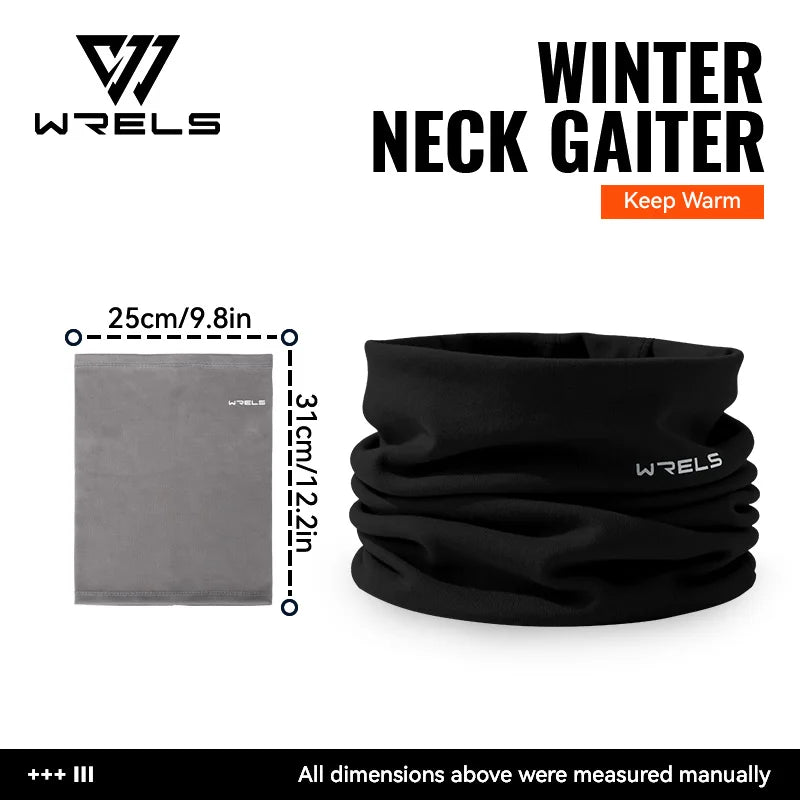
Neck cover skiing setup that helps prevent windburn See it in action
Proper positioning and occasional adjustment help maintain warmth while preventing excess moisture buildup throughout the day.
Care, Washing and Long-Term Durability
Cleaning Instructions
Wash your gaiter every 5–10 uses using cold water and mild detergent. Heavy perspiration or muddy conditions may require more frequent cleaning.
Maintaining Windproof Fabrics
Avoid fabric softeners and high heat, as these may reduce the effectiveness of moisture-wicking treatments and wind-resistant coatings.
When to Replace
Replace a gaiter if the fabric loses elasticity, develops tears, or no longer seals effectively around the neck and face. Most quality gaiters last several winter seasons with proper care.
Recommended Accessories to Pair with Your Neck Gaiter
Ski Goggles
- Anti-Fog Ski Goggles – Improve visibility while reducing wind exposure around the eyes.
Helmets
- Choose a well-fitted ski helmet that integrates comfortably with your gaiter and goggles.
Balaclavas
- Ideal for severe winter storms requiring complete face protection beneath helmets.
Base Layers
- Thermal Base Layers – Build an effective cold-weather layering system.
- Windproof Ski Gloves – Complete your winter protection while maintaining dexterity.
Frequently Asked Questions
What is the best windproof neck gaiter for skiing?
For most skiers, a fleece-lined gaiter with a windproof outer layer provides the best balance of warmth, breathability, and comfort.
Is a windproof neck gaiter warmer than fleece alone?
Usually yes. Windproof layers reduce convective heat loss, making them feel warmer than fleece by itself in windy conditions.
Can I use the same neck gaiter for skiing and snowboarding?
Yes. Most technical gaiters perform equally well for skiing and snowboarding, provided they fit comfortably beneath your helmet.
Which material offers the best wind protection?
Softshell laminates and technical windproof membranes provide the highest resistance to airflow while remaining breathable.
How should a ski neck gaiter fit?
It should fit snugly without restricting breathing, covering the neck completely while staying securely in place during movement.
Can I wear one with a helmet and goggles?
Yes. Most modern ski gaiters are specifically designed to integrate with helmets and goggles while minimizing exposed skin.
How do I stop my goggles from fogging when wearing a neck gaiter?
Position the upper edge carefully, avoid directing warm breath into the goggles, and choose breathable fabrics that vent moisture efficiently.
Should I choose merino wool or synthetic fabric?
Merino wool offers excellent odor resistance and natural temperature regulation, while synthetic fabrics generally dry faster and provide greater durability.
What temperature is a thermal neck gaiter suitable for?
Most thermal gaiters perform well from about -5°C to 5°C, while membrane-based models paired with additional layers remain effective in much colder weather.
How long does a windproof neck gaiter typically last?
With regular care, a quality windproof neck gaiter typically lasts several winter seasons before noticeable loss of elasticity or wind resistance.
Related Guide: Best Fleece Neck Gaiter Winter: Top Picks Compared













