Does winter cycling clothing really keep you warm without bulk?
Yes. The best winter cycling clothing keeps riders warm without excessive bulk by combining a moisture-wicking base layer, targeted insulation, and a wind- or water-resistant outer layer. This layering system traps heat while allowing excess moisture to escape, helping you stay comfortable and mobile in cycling clothing for cold weather.
⏱ 8 min read
Winter Cycling Clothing: Complete Layering Guide + Best Gear for Cold Weather
Cold rides don’t have to mean numb fingers, stiff knees, or cutting your route short. The right winter cycling clothing uses breathable insulation, wind protection, and flexible fabrics to help regulate body temperature without the bulk of a single heavy coat. This guide explains how to dress for winter cycling, which fabrics and layers work best, and how to choose cold-weather gear for commuting, training, and long rides.
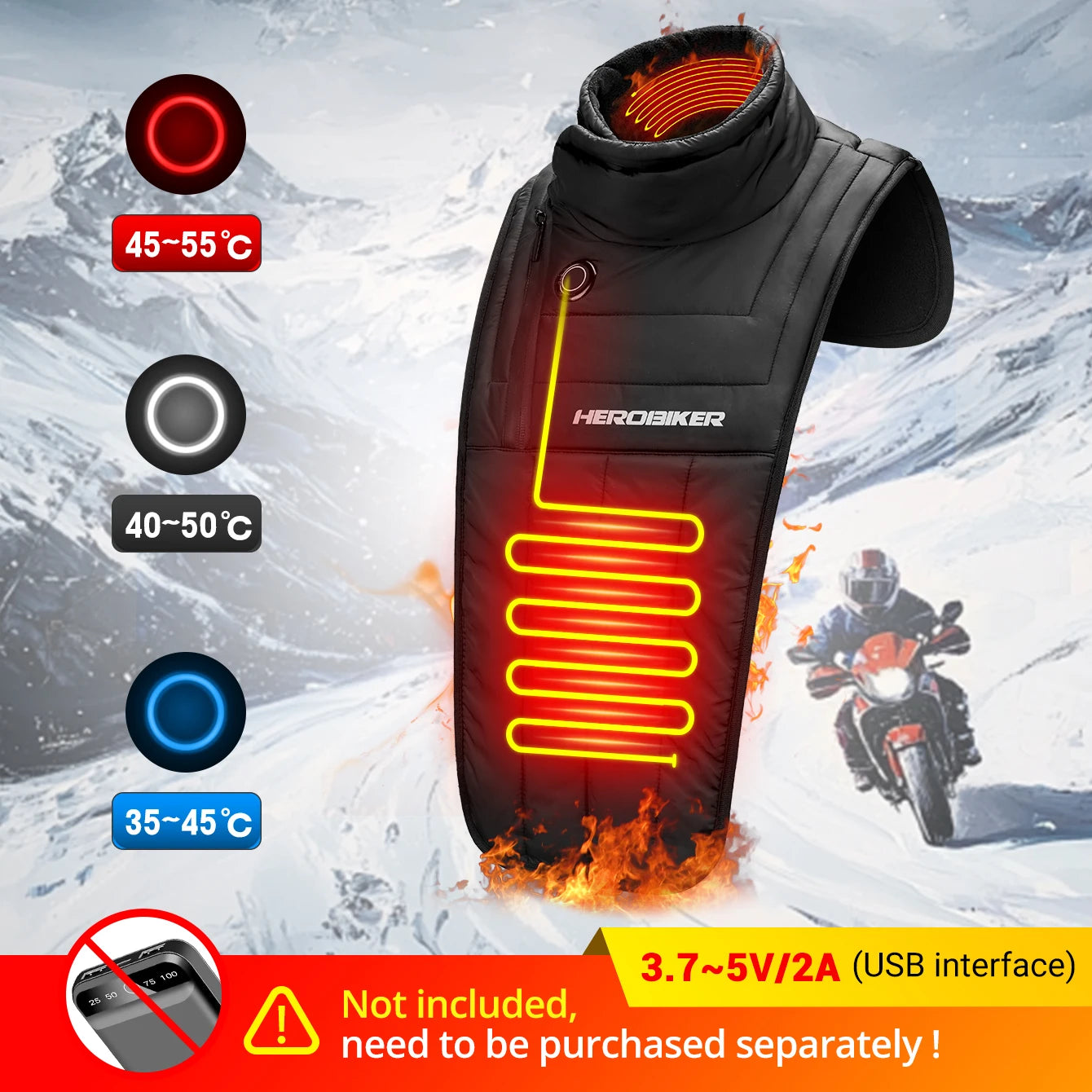
Winter cycling clothing tested for warmth and comfort — See it in action
Why Winter Cycling Clothing Matters
Winter cycling clothing does more than keep you warm. It helps manage the three conditions that most affect comfort and performance during cold-weather rides: moisture, wind, and heat loss. Because cycling generates body heat even in low temperatures, the goal is not simply to wear the thickest possible clothing. The goal is to maintain a comfortable temperature while staying dry and unrestricted.
Common cold-weather riding challenges
- Cold wind: Moving air can rapidly increase heat loss, especially during descents or exposed sections of a route.
- Sweat buildup: Moisture trapped next to the skin can make you feel colder when your effort decreases.
- Cold extremities: Fingers, toes, ears, and the face often lose comfort before the core.
- Restricted movement: Too many bulky layers can interfere with pedaling and bike control.
How moisture, wind, and insulation affect comfort
Effective thermal cycling gear balances insulation with breathability. Insulation slows the loss of body heat, while breathable fabrics help move moisture away from the skin. A wind-resistant outer layer then reduces the cooling effect of moving air.
This is why a well-fitted three-layer system can often perform better than one oversized winter jacket. The layers can be adjusted as your effort, temperature, and weather change.
How to Dress for Winter Cycling (Layering System Explained)
Knowing how to dress for winter cycling starts with a simple principle: each layer should have a specific job. A winter cycling layering guide should account for sweat production, wind exposure, temperature, ride intensity, and whether rain or snow is expected.
Base layer: moisture management
The base layer sits next to your skin and should help move sweat away from the body. Merino wool and synthetic technical fabrics are common choices because they can provide warmth while managing moisture better than ordinary cotton.
Choose a close-fitting base layer that allows full movement without compressing uncomfortably. A damp base layer can make you feel cold quickly once your pace slows, so moisture management is especially important for long rides and variable-intensity training.
Mid layer: insulation
The mid layer provides additional warmth by trapping air close to the body. Thermal jerseys, fleece-lined cycling tops, and lightweight insulated layers are common options.
For high-intensity rides, choose a more breathable mid layer to reduce overheating. For slower commutes or long endurance rides, additional insulation may be more valuable because you may produce less body heat.
Outer layer: windproof vs waterproof protection
The outer layer protects the insulation underneath from environmental conditions. A windproof jacket is often sufficient for dry, cold rides, while a waterproof shell becomes more important during persistent rain or wet snow.
Softshells can offer a useful compromise between warmth, wind resistance, stretch, and breathability. A fully waterproof shell generally provides stronger rain protection but may require careful ventilation to prevent sweat from accumulating inside.
Temperature outfit guide: 10–15°C
- Lightweight moisture-wicking base layer
- Long-sleeve jersey or light thermal top if needed
- Packable wind layer for exposed routes or descents
- Light gloves and optional leg coverage
Temperature outfit guide: 5–10°C
- Long-sleeve thermal base layer
- Thermal jersey or breathable mid layer
- Wind-resistant cycling jacket or softshell
- Full-length tights or leg warmers
- Medium-weight gloves and warmer socks
Temperature outfit guide: 0–5°C
- Insulating thermal base layer
- Fleece or thermal mid layer
- Windproof outer layer
- Thermal bib tights
- Insulated gloves and shoe covers
- Neck and ear protection
Temperature outfit guide: below 0°C
- Warm moisture-managing base layer
- Additional insulating mid layer as needed
- Windproof or insulated outer shell
- Full thermal leg protection
- Insulated gloves with enough dexterity for safe bike control
- Warm socks and suitable overshoes
These ranges are starting points rather than strict rules. Wind, humidity, precipitation, route elevation, and ride intensity can make the same temperature feel very different. If you regularly overheat, improve ventilation before simply removing all insulation.
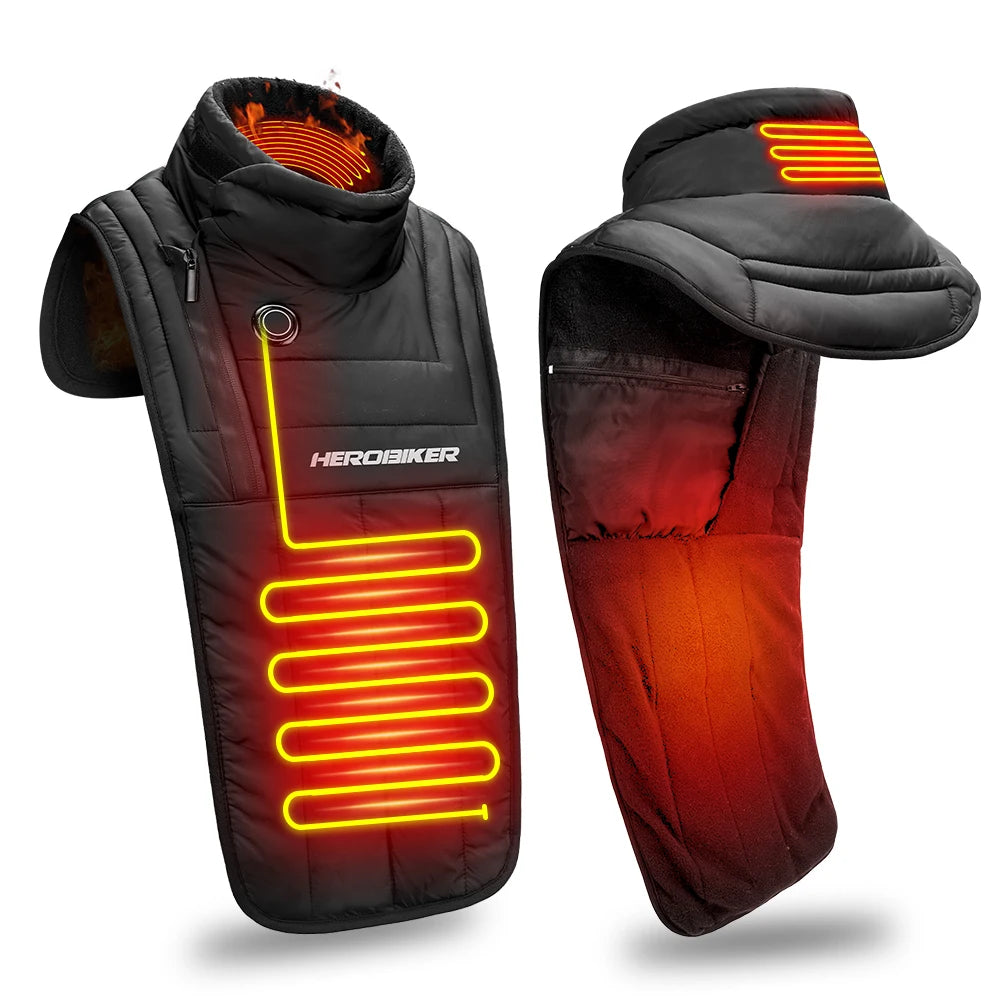
Smart layering system for winter cycling comfort — See it in action
Merino Wool vs Synthetic vs Fleece: Which Fabric Performs Best?
Choosing thermal cycling gear often comes down to fabric performance. Merino wool, synthetic materials, and fleece each have different strengths, so the best choice depends on your ride length, intensity, weather, and laundry routine.
- Merino wool: Offers natural warmth, good moisture management, and odor resistance. It is particularly useful for long rides and repeated wear, although it can be more delicate and may dry more slowly than some synthetics.
- Synthetic fabrics: Usually dry quickly, manage sweat effectively, and are often durable and easy to care for. They are a strong choice for high-intensity riding and wet conditions where rapid drying matters.
- Fleece: Provides efficient warmth by trapping air and is commonly used as a mid layer or lining. It can be highly comfortable in cold conditions but may need to be paired with a breathable outer layer during hard efforts.
For cycling clothing for cold weather, there is no single universally best fabric. A practical combination may use a moisture-managing base layer, fleece or thermal insulation for warmth, and a windproof or waterproof outer layer for protection.
Winter Cycling Clothing Checklist by Body Zone
A complete winter biking outfit protects the areas most exposed to wind and heat loss while preserving movement and visibility. Use this winter cycling clothing checklist when building or upgrading your cold-weather kit.
Head, neck, and face
- Thermal skull cap or helmet liner
- Neck warmer or balaclava ( winter neck warmer )
- Thermal headband for milder conditions
- Face protection when cold air causes discomfort
Upper body
- Moisture-wicking base layer
- Thermal jersey or insulating mid layer
- Windproof or waterproof cycling jacket
- Packable gilet for changing conditions
Legs and bib tights
- Fleece-lined or thermal bib tights for colder rides
- Leg warmers for flexible temperature management
- Wind-resistant coverage for exposed or fast descents
Hands, feet, socks, and overshoes
- Insulated winter cycling gloves
- Thermal or merino cycling socks
- Water-resistant or waterproof overshoes for wet conditions
- Enough room in footwear for comfortable socks without restricting circulation
Eyewear and visibility
- Protective cycling eyewear for wind, road spray, and changing light
- Reflective details or high-visibility elements for darker winter conditions
- Clean lenses to maintain clear vision in damp or low-light weather
Winter Cycling Clothing by Ride Type
The best winter biking outfit tips depend on how long and how hard you ride. A short commute creates different clothing needs from a two-hour endurance session.
Short commute
For a short commute, prioritize wind protection, easy temperature management, and practical coverage. You may need more insulation than a cyclist completing a hard training session because the ride may be shorter and less intense.
Training rides
Training rides often require greater breathability. Use a moisture-managing base layer and adjustable outer layer so you can release heat during climbs or high-effort intervals.
Long endurance rides
Long rides require flexibility. Conditions can change significantly over several hours, so packable layers, spare gloves or socks, and a reliable windproof or waterproof shell can be valuable.
High-intensity efforts
Hard efforts generate more body heat, making ventilation especially important. Choose lighter insulation and breathable fabrics, and use zippers or vents to regulate temperature before you become heavily overheated.
Best Winter Cycling Clothing by Category
The best winter cycling clothing is not necessarily the thickest or most expensive. The right choice depends on the conditions you face most often and how each item fits into your layering system.
Best jackets
Look for a jacket that matches your typical weather. Windproof jackets are useful for dry, cold rides, while waterproof shells are better for persistent rain. A breathable softshell can provide a practical middle ground for variable conditions.
Best bib tights
Thermal bib tights are a strong choice for regular cold-weather riding because they provide continuous leg coverage and can help reduce gaps between the jersey and tights. Fleece-lined options are especially useful in colder conditions.
Best gloves
Winter cycling gloves should balance insulation with dexterity. Very thick gloves may provide warmth but can make braking and shifting less comfortable. Choose insulation according to temperature, wind, and how quickly your hands typically cool.
Best shoes and overshoes
Cold feet are often caused by a combination of wind exposure, dampness, and insufficient insulation. Thermal socks and appropriate overshoes can add protection without requiring a completely different footwear system.
Best budget options
Budget-conscious riders should prioritize versatile pieces rather than buying an entire wardrobe at once. A quality base layer, a reliable windproof outer layer, warm gloves, and effective foot protection can create a strong foundation. Add specialized insulation as your riding conditions require it.
Waterproof vs Thermal Cycling Gear: Which Do You Need?
Choosing between waterproof and thermal cycling gear depends on what is causing discomfort on your rides. Cold and rain are different problems, and the best solution is not always the same garment.
- Thermal gear: Best for retaining heat in dry, cold conditions. It focuses on insulation and warmth.
- Waterproof gear: Best for protecting against rain and wet snow. It helps prevent external moisture from soaking through layers.
- Windproof gear: Useful when moving air rapidly increases heat loss, even if there is no rain.
For many winter rides, the most adaptable approach is a thermal base and mid layer combined with a windproof or waterproof outer shell selected according to the forecast.
How Weather Conditions Change Your Clothing Choices
Rain
Rain increases the importance of water resistance and ventilation. A waterproof cycling jacket can help keep external moisture out, but breathable fabrics and adjustable vents are useful for managing sweat from inside.
Snow
Snow can combine cold temperatures with moisture and reduced visibility. Choose insulating layers, weather-resistant outer protection, and visibility features appropriate for the conditions. Check the road surface carefully because traction can become a more important safety concern than clothing alone.
Wind
Wind can make a relatively moderate temperature feel much colder while riding. A windproof front panel or outer layer may provide more practical benefit than adding another thick insulating layer.
Wet roads
Even when rain has stopped, wet roads can create spray that reaches the lower body and feet. Fenders, water-resistant clothing, and suitable overshoes can help reduce moisture buildup during these rides.
Beginner vs Experienced Rider Clothing Priorities
New riders do not need to purchase every specialized item immediately. A sensible upgrade path helps avoid overspending while still addressing the biggest sources of discomfort.
Beginners should prioritize: a comfortable moisture-managing base layer, reliable wind protection, warm gloves, adequate leg coverage, and protection for the feet and neck.
Experienced riders may prioritize: more specialized layers for different temperature ranges, lighter fabrics for high-intensity riding, packable rain shells, dedicated thermal bib tights, and clothing optimized for specific ride durations.
The best winter cycling clothing system is built around your actual riding habits. Buying one versatile layer that you use frequently is often more valuable than collecting specialized gear that rarely matches your conditions.
Common Mistakes When Choosing Cycling Clothing for Cold Weather
- Overdressing: Too much insulation can cause heavy sweating and leave you colder when your effort drops.
- Wearing cotton as the primary base layer: Cotton can retain moisture and become uncomfortable during prolonged activity.
- Ignoring extremities: Cold hands, feet, ears, and neck can end a ride even when the core is comfortable.
- Ignoring ventilation: A completely sealed system may trap sweat during climbs and hard efforts.
- Choosing poor fit: Loose gaps can allow wind to enter, while overly tight layers can restrict movement and reduce comfort.
- Buying only for the coldest day: A modular system is usually more useful across an entire winter than one extremely heavy outfit.
Good cycling clothing for cold weather should provide warmth without sacrificing movement, moisture management, or the ability to adjust your temperature during a ride.
Cold Weather Cycling Tips to Get More From Your Gear
Pre-ride checklist
- Check temperature, wind, precipitation, and road conditions.
- Choose layers based on effort level as well as temperature.
- Inspect gloves, socks, and outer layers for dampness before starting.
- Carry an extra layer for long rides, descents, or unexpected weather changes.
- Use reflective details and suitable lighting when visibility is reduced.
Post-ride clothing care
- Follow the care label for thermal and technical fabrics.
- Allow damp clothing to dry properly rather than leaving it compressed in a bag.
- Avoid excessive heat when drying technical garments unless the manufacturer permits it.
- Close zippers and fasteners before washing to reduce unnecessary wear.
- Wash technical clothing regularly to help preserve fabric performance and comfort.
Proper care helps thermal cycling gear maintain its fit, insulation, moisture management, and weather resistance over time.
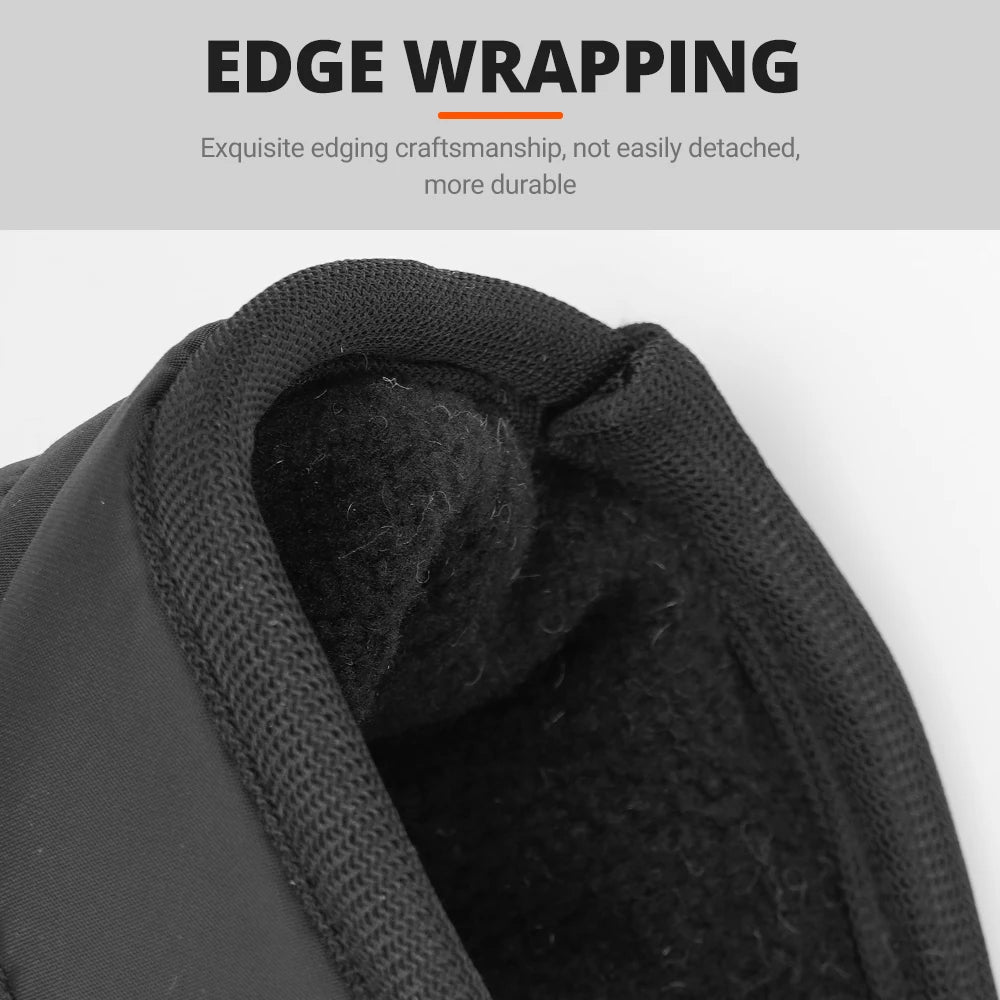
Stay warm, ride longer with winter cycling clothing — See it in action
Winter Cycling Clothing FAQ
What should I wear for cycling in 40°F weather?
At around 40°F (about 4°C), many riders start with a moisture-wicking thermal base layer, a warm mid layer, and a windproof outer layer. Add thermal tights, gloves, warm socks, and neck protection according to wind, humidity, ride intensity, and personal comfort.
How many layers do I need for winter cycling?
Many riders use three functional layers: a moisture-managing base layer, an insulating mid layer, and a windproof or waterproof outer layer. In milder conditions, one or two layers may be enough; below freezing, additional insulation may be needed.
Is merino wool better than synthetic for cycling?
Neither is universally better. Merino wool offers warmth and odor resistance, while synthetic fabrics often dry faster and perform well during high-sweat activities. The better choice depends on your ride intensity, weather, drying needs, and personal preference.
Do I need waterproof clothing for every winter ride?
No. Waterproof clothing is most useful when rain, wet snow, or significant road spray is expected. For dry, cold conditions, a breathable windproof outer layer may provide better comfort and ventilation.
Should winter cycling clothing fit tightly?
Winter cycling clothing should generally fit close enough to reduce gaps and maintain effective layering, but it should not restrict movement or make breathing uncomfortable. The fit should allow the layers underneath to work without excessive compression.
What are the best gloves for freezing rides?
The best gloves for freezing rides provide enough insulation for the conditions while preserving the dexterity needed for braking and shifting. Wind resistance and moisture protection can be just as important as thickness.
How do I stop my feet from getting cold while cycling?
Start with appropriately warm socks, avoid footwear that restricts circulation, and use suitable overshoes or shoe covers when wind, rain, or road spray is a problem. Keeping the rest of your layering system balanced can also help maintain overall comfort.
How do I wash thermal cycling clothing without damaging it?
Follow the garment care label, use the recommended washing temperature, and avoid harsh treatment that can damage technical fibers or weather-resistant finishes. Allow garments to dry according to the manufacturer's instructions and avoid unnecessary high heat.
For comfort-focused accessories that complement cold-weather routines, explore the Lifestyle collection.
Related Guide: Winter Insulated Coats: In-Depth Review and Brand Comparison