Do insulated door covers really help keep heat inside?
Yes. An insulated door cover helps reduce heat loss by sealing gaps around a door and creating an extra thermal barrier between your living space and the cold outdoors. While it won't replace proper insulation or weatherstripping, it can noticeably reduce drafts, improve indoor comfort, and ease the workload on your heating system during winter.
Whether you choose a lightweight winter door cover for seasonal draft protection or a thicker insulated door cover with multiple thermal layers, both options can make rooms feel warmer by limiting cold air infiltration. For the best results, combine a removable insulation cover with well-sealed windows and properly maintained door seals.
Insulated Door Cover vs Winter Door Cover: Best Options for Blocking Cold Air (2026 Guide)
Cold air leaking through an entry door can make even a well-heated home feel uncomfortable. This guide compares today's most effective insulated door covers, explains how they work, and helps you choose the right option for your climate, budget, and door type.
⏱ 7 min read
Best Insulated Door Covers for Winter (2026 Reviews)
Quick Comparison Table (Features, Materials, Price Range)
| Product Type | Best For | Material | Installation | Price Range |
|---|---|---|---|---|
| Magnetic Thermal Curtain | Frequent entry doors | Oxford fabric + cotton lining | Velcro / magnetic seal | $20–$40 |
| Quilted Insulated Door Cover | Maximum insulation | Multi-layer polyester | Hook & loop / nails | $30–$60 |
| Plastic Film Insulation Kit | Budget temporary use | Clear shrink film | Tape + heat shrink | $10–$20 |
| Removable Foam Panel Cover | Rental homes | Foam core + fabric | Pressure fit | $25–$50 |
How We Evaluated the Products
Each insulation option was assessed using practical buying criteria that matter most during winter, including draft reduction, thermal performance, ease of installation, durability, daily convenience, renter friendliness, and overall value. Rather than focusing on a single feature, the recommendations below balance insulation effectiveness with real-world usability.
Best Overall Insulated Door Cover
A quilted insulated door cover with multi-layer thermal fabric offers the best combination of heat retention, durability, sound reduction, and seasonal value. It performs particularly well on front doors exposed to strong drafts or consistently cold outdoor temperatures.
Best Budget Door Insulated Cover
Plastic film insulation kits provide an inexpensive way to reduce air leaks around doors. Although intended mainly for temporary or seasonal use, they can noticeably improve comfort when installed carefully and sealed correctly.
Best Magnetic Winter Door Cover
Magnetic door curtains combine effective draft blocking with hands-free access. Automatic magnetic closure makes them especially suitable for busy households where the door is opened frequently throughout the day.
Best Removable Door Insulation Cover for Renters
Removable insulated door covers that attach with Velcro or pressure-fit foam panels are excellent choices for apartments and rental properties because they improve insulation without leaving permanent marks on doors or frames.
Choosing between a winter door cover and an insulated door cover may seem straightforward, but the right option depends on your local climate, the amount of air leakage, and how often the door is used. Understanding these differences helps you invest in a solution that delivers the greatest comfort and long-term value.
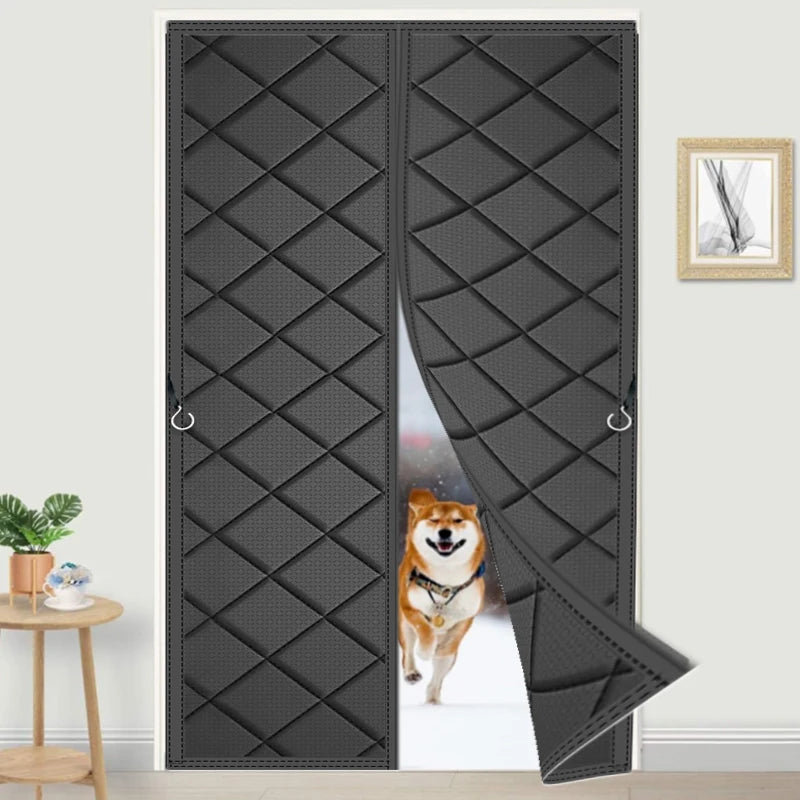
Winter door cover for draft blocking and warmth — See it in action
What Is an Insulated Door Cover and How Does It Work?
An insulated door cover is a removable thermal barrier designed to reduce heat transfer through doors while limiting cold drafts around the frame. Unlike a basic winter door cover that primarily blocks moving air, an insulated door cover combines draft protection with materials that slow conductive heat loss, helping rooms stay warmer during cold weather.
Reflective Barriers
Some insulated door covers incorporate reflective layers that redirect radiant heat back into the room. These materials are particularly effective when installed on exterior doors exposed to cold outdoor temperatures and work best when combined with a tight perimeter seal.
Foam and Quilted Insulation
Higher-performance models typically use foam cores, cotton filling, or quilted polyester insulation between durable fabric layers. These materials create a thicker thermal barrier than standard fabric covers, improving comfort while also helping reduce outside noise.
Air Gap and Thermal Resistance
One of the biggest advantages of an insulated door cover is the layer of still air trapped between the cover and the door. Because still air transfers heat much more slowly than moving air, this pocket improves overall thermal resistance and reduces noticeable cold spots near entryways.
Most insulated door covers include:
- A durable outer fabric that resists everyday wear
- An insulating core made from foam, cotton, or polyester batting
- Secure attachment points that help minimize air leakage around the edges
- A removable design for seasonal installation and storage
When installed correctly, this layered construction helps stabilize indoor temperatures, reduce uncomfortable drafts, and improve overall heating efficiency throughout the winter months.
For the best results, combine a door insulated cover with window sealing methods and properly maintained door weatherstripping to reduce heat loss throughout the room.
Insulated Door Cover vs Winter Door Cover: What's the Difference?
| Feature | Winter Door Cover | Insulated Door Cover |
|---|---|---|
| Primary Function | Reduce drafts | Reduce drafts and improve heat retention |
| Material Thickness | Lightweight fabric or film | Multi-layer quilted or foam-insulated construction |
| Thermal Performance | Moderate | High |
| Typical Use | Seasonal draft blocking | Cold climates and improved energy efficiency |
| Indoor or Outdoor Use | Mainly indoor | Indoor, with some models suitable for protected exterior use |
| Installation | Simple | Moderate, depending on mounting method |
Materials Compared
Winter door covers typically rely on lightweight fabric, plastic film, or simple draft barriers to stop moving air. Insulated door covers add foam, cotton, or quilted polyester layers that slow heat transfer while also blocking drafts, making them more effective in colder environments.
Indoor vs Outdoor Use
Most door insulated covers are designed for indoor installation, although some heavy-duty models can be used on protected exterior doors. Always check whether the material is intended for direct exposure to moisture and sunlight before outdoor installation.
Temporary vs Seasonal Use
If you only need short-term protection during occasional cold spells, a lightweight winter door cover or plastic insulation kit may be sufficient. For homes that experience extended winters, a reusable insulated door cover generally provides better long-term comfort and durability.
Which Option Is Best for Your Climate?
Homes in mild climates often benefit from a simple winter door cover that blocks drafts. In regions with prolonged freezing temperatures, a thick insulated door cover offers greater thermal resistance and can help maintain more consistent indoor temperatures throughout the season.
How to Choose the Best Insulated Door Cover
Entry Doors
For frequently used front or back doors, choose a well-insulated cover with secure edge sealing and durable materials that can withstand repeated daily use without losing effectiveness.
Garage Doors
Doors leading to attached garages often experience significant temperature differences. A thicker insulated door cover with multiple thermal layers can help reduce cold transfer into adjoining living spaces.
Patio and Sliding Doors
Sliding glass doors benefit from wider insulated panels or thermal curtains that cover the entire opening while remaining easy to move when access is needed.
Basement Doors
Basement entry doors are commonly exposed to cooler temperatures and higher humidity. Select moisture-resistant materials with good insulating properties to improve comfort in lower-level living areas.
Rental-Friendly Options
If you rent your home, removable door insulation covers that attach with Velcro, reusable adhesive strips, or pressure-fit designs provide effective insulation without damaging walls or door frames.
Installation Guide and Maintenance
Proper installation is just as important as choosing the right insulated door cover. A snug fit around the edges helps minimize air leaks, improves thermal performance, and allows the cover to perform consistently throughout the winter season.
Measuring Correctly
Measure both the height and width of your door, including the frame if the cover is designed to overlap it. Check product sizing before installation to ensure the cover seals the perimeter without interfering with door operation.
Installing Magnetic and Hook-and-Loop Covers
- Clean the door surface before attaching adhesive strips or magnetic components.
- Align the cover carefully to create an even seal around all edges.
- Press hook-and-loop fasteners firmly into place and allow adhesives to bond fully before regular use.
- Test the door several times to confirm smooth opening, closing, and complete magnetic sealing where applicable.
Cleaning and Storage
Most fabric insulated door covers can be spot cleaned or gently hand washed according to the manufacturer's instructions. At the end of winter, allow the cover to dry completely before folding and storing it in a clean, dry location to extend its lifespan.
Common Installation Mistakes
- Using a cover that is too small for the door opening.
- Leaving gaps around corners or the threshold.
- Applying adhesive strips to dusty or damp surfaces.
- Blocking door hardware or restricting normal door movement.
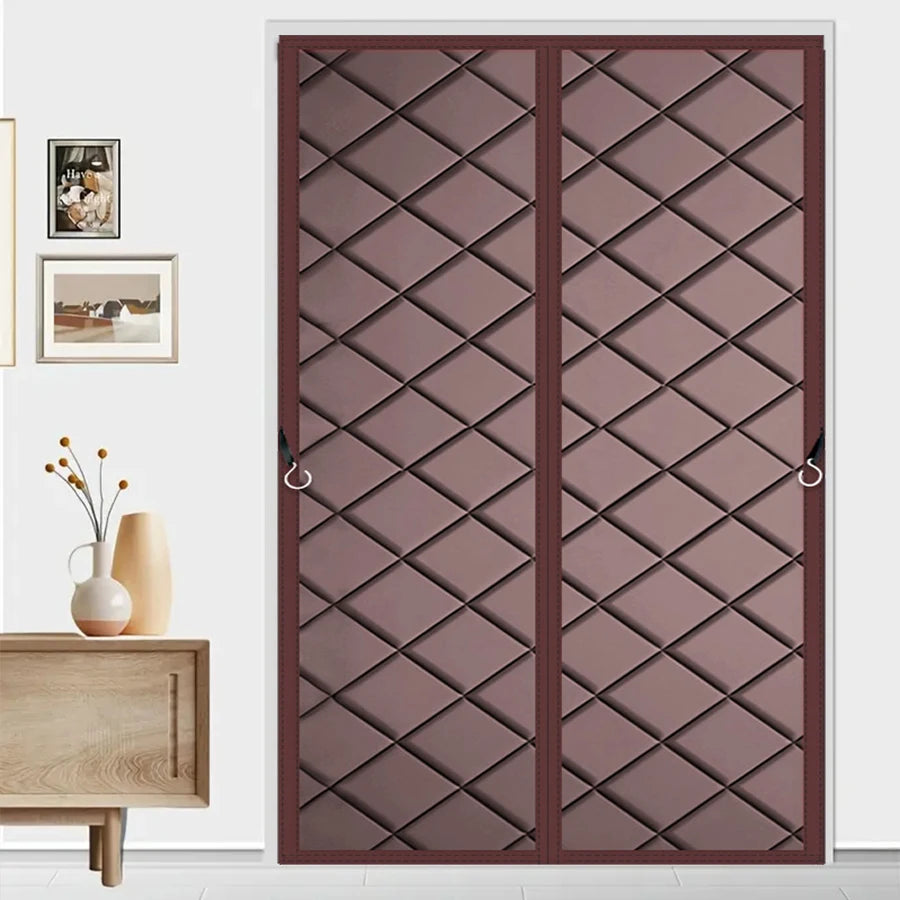
Door insulated cover for daily winter comfort — See it in action
Real-World Performance: What Users Like and Dislike
Common Benefits
- Noticeable reduction in cold drafts within the first few days after installation.
- More stable indoor temperatures near exterior doors.
- Improved comfort in rooms that previously felt chilly.
- Reduced outside noise thanks to thicker insulating materials.
- Potentially lower heating demand when used alongside existing weatherproofing measures.
Common Complaints
Users most often report reduced performance when the cover is poorly fitted or installed over damaged door seals. Lightweight seasonal covers may also provide less insulation than thicker quilted designs in extremely cold climates.
Who Benefits Most
Insulated door covers are especially useful for homeowners with older exterior doors, renters seeking non-permanent insulation, and anyone looking for an affordable way to improve comfort without replacing an entire door.
One popular option is the winter magnetic insulated door curtain , appreciated for combining reliable draft protection with convenient walk-through access.
Many users also explore complementary home comfort solutions in the Lifestyle collection for seasonal upgrades.

Removable insulation cover for winter doors — See it in action
Which Insulated Door Cover Should You Buy?
Best for Homeowners
- Choose a thick quilted insulated door cover for maximum heat retention.
- Look for multi-layer construction with secure edge sealing.
- Ideal for homes in regions with long, cold winters.
Best for Renters
- Select removable insulated door covers that use Velcro, reusable adhesive strips, or pressure-fit designs.
- They provide effective insulation without damaging doors or frames.
- Easy to remove and store when winter ends.
Best for Extreme Cold
- Choose insulated door covers with thick quilted or foam-filled cores.
- Pair them with quality weatherstripping and insulated curtains for improved overall thermal performance.
- Best suited for frequently used exterior doors exposed to freezing temperatures.
Best Budget Choice
- Plastic film insulation kits offer the lowest upfront cost.
- They work well as temporary door insulation solutions for seasonal draft reduction.
- Ideal for mild climates or short-term winter use.
Frequently Asked Questions
Can insulated door covers be reused every winter?
Yes. Most quality fabric and quilted insulated door covers are designed for seasonal reuse. Clean and dry the cover before folding and storing it in a cool, dry location to maximize its lifespan.
Do insulated door covers damage doors?
No. Most modern products use removable hook-and-loop fasteners, magnetic attachments, or non-damaging adhesive strips that can be removed without harming properly finished door surfaces when used as directed.
Are magnetic insulated door covers better than hook-and-loop versions?
Magnetic insulated door covers are generally more convenient for high-traffic entryways because they automatically close after you pass through. Hook-and-loop designs often create a tighter fixed seal, making them a good choice for doors that are opened less frequently.
Can insulated door covers be used on garage or RV doors?
Yes, provided you choose a cover designed for the appropriate door size and application. Larger insulated panels are commonly used on garage entry doors, while lightweight removable covers work well for many RV doors during cold-weather camping.
How much heat can an insulated door cover actually save?
The amount varies depending on your home's insulation, climate, and the condition of the existing door. While an insulated door cover cannot replace proper insulation, it can noticeably reduce drafts and improve comfort when installed correctly.
How to insulate a door for winter without permanent changes?
Use removable insulated door covers, magnetic thermal curtains, foam panel inserts, or plastic film insulation kits. These temporary door insulation solutions improve comfort without requiring permanent modifications.
Related Guide: Best Insulated Door Curtain Winter Compared for Real Homes