

Ear Pain from Cold Weather: Causes and How to Protect Your Ears
Cold mornings shouldn't leave your ears aching for hours. If your ears hurt after wearing earmuffs in the cold, the discomfort may be caused by a combination of freezing temperatures, wind exposure, tight-fitting earmuffs, or trapped moisture. Choosing the right fit and wearing earmuffs correctly can help protect your ears from cold weather while keeping you comfortable throughout winter.

Soft winter ear muffs that protect ears from cold without pressure pain — See it in action
Choosing the right earmuffs isn't just about warmth. Proper fit, breathable materials, and good insulation can make the difference between comfortable winter outings and painful ears.
Why Do My Ears Hurt After Wearing Earmuffs in the Cold?
If you're wondering why your ears hurt after wearing earmuffs in the cold , the answer often involves more than one factor. Cold temperatures reduce blood flow to the outer ear, while overly tight earmuffs may add pressure to already sensitive cartilage. Most mild discomfort improves shortly after warming up, but persistent or severe pain deserves medical evaluation.
How Cold Weather Affects the Outer Ear
The outer ear contains very little fat and is exposed directly to cold air and wind. In response, blood vessels narrow through a process called vasoconstriction , reducing circulation to preserve body heat. This can cause sharp, aching, or throbbing ear pain from cold weather , especially during windy conditions or prolonged outdoor activities.
How Earmuffs Can Contribute to Ear Pain
Although earmuffs are designed to protect your ears, poor-fitting models can create pressure against the ear cartilage. Moisture from sweat may also become trapped inside the ear covering, causing skin irritation or discomfort during extended wear. Breathable materials and adjustable designs help reduce these issues while maintaining warmth.
Most Common Causes of Ear Pain After Wearing Earmuffs
Pressure From Tight Earmuffs
Overly tight headbands compress the outer ear, leading to soreness that often becomes noticeable after 30 to 60 minutes of continuous wear. Adjustable earmuffs with soft padding distribute pressure more evenly.
Cold Wind and Sensitive Ear Cartilage
Strong wind removes heat rapidly from exposed skin. Even brief exposure before putting on earmuffs may trigger outer ear pain in cold weather , particularly in people with naturally sensitive ears.
Moisture and Skin Irritation
Sweat, snow, or damp hair can increase friction inside earmuffs. Moisture may soften the skin and contribute to irritation, itching, or mild soreness. Drying earmuffs thoroughly between uses helps reduce this problem.
Underlying Conditions That Can Be Triggered
Cold exposure doesn't always cause ear pain directly. Conditions such as eczema, ear infections, temporomandibular joint (TMJ) disorders, or certain nerve conditions like neuralgia may flare up during cold weather. If symptoms continue after warming up or repeatedly return, consult a healthcare professional.
Symptom Checker: Is Your Ear Pain Normal or a Sign of a Medical Problem?
Symptoms That Usually Improve at Home
- Mild aching that eases after warming indoors.
- Temporary tenderness from earmuff pressure.
- Slight redness that fades within a short time.
- Brief discomfort during exposure to cold wind.
Warning Signs That Need Medical Evaluation
- Severe pain lasting several hours after warming.
- Drainage, swelling, or persistent redness.
- Hearing loss, dizziness, or ringing in the ear.
- Fever or signs of infection.
- Areas that remain numb, pale, or unusually hard after cold exposure.
These symptoms may indicate frostbite, infection, or another medical condition that requires professional assessment rather than home treatment alone.
Immediate Relief for Ear Pain After Cold Wind
Warm the Ear Safely
Move indoors and allow your ears to warm gradually. Apply a warm—not hot—compress for several minutes. Avoid placing your ears directly against heaters or using very hot water, as rapid heating may worsen discomfort.
Reduce Pressure and Irritation
Remove tight earmuffs temporarily, gently massage the outer ear to encourage circulation, and replace them with a better-fitting pair once discomfort improves. If skin irritation is present, allow the area to dry before putting earmuffs back on.
When to Seek Medical Attention
If ear pain after cold wind becomes severe, continues despite warming, or is accompanied by swelling, fever, discharge, or hearing changes, seek medical care promptly.
How to Prevent Ear Pain in Winter
Choose Comfortable Earmuffs
Look for adjustable earmuffs with soft fleece, memory foam, or thermal lining that provide insulation without squeezing the ears. Comfortable designs help prevent pressure-related soreness during long periods outdoors.
Wear Earmuffs Correctly
Position earmuffs so they completely cover the outer ear without pressing excessively against the cartilage. Reposition them if they slide or create uneven pressure.
Manage Moisture and Sweat
If your ears become damp during exercise, dry them before continuing outdoor activities. Washing reusable earmuffs according to the manufacturer's instructions also helps maintain hygiene and comfort.
Layer Hats or Headbands for Better Protection
Pair earmuffs with a winter hat or insulated hood for additional protection in extremely cold or windy conditions. Layering helps reduce heat loss without requiring excessive pressure from the earmuffs themselves.
How to Wear Earmuffs Without Pain
Finding the Right Fit
Select earmuffs that stay securely in place without compressing the ears. Adjustable bands and flexible frames usually provide the best balance between warmth and comfort.
Tips for Glasses and Hearing Aid Users
Eyeglass arms and hearing aids can create extra pressure beneath earmuffs. Choose models with softer padding or wider cushions that reduce pressure around these areas.
Taking Breaks During Long Wear
If you'll be outdoors for several hours, remove your earmuffs briefly indoors when practical. This allows your skin to dry and relieves continuous pressure on the outer ear.
People who experience frequent winter discomfort may also benefit from other warming products designed for sensitive facial areas. Explore additional options in our Eye Care Devices collection .
Common Mistakes That Make Ear Pain Worse
- Choosing earmuffs that clamp too tightly against the ears.
- Continuing to wear damp earmuffs after snow or heavy exercise.
- Remaining in strong wind for extended periods without adequate protection.
- Using damaged or worn-out earmuffs that no longer fit properly.
- Ignoring persistent pain, numbness, or swelling after returning indoors.
Frequently Asked Questions
Why do my ears hurt after wearing earmuffs in the cold?
Cold-induced narrowing of blood vessels, pressure from tight earmuffs, trapped moisture, or underlying skin conditions can all contribute to discomfort. Most mild pain improves after warming up.
Can earmuffs make ear pain worse?
Yes. Poorly fitting earmuffs that press firmly against the outer ear or trap excessive moisture may increase soreness instead of relieving it.
How do I know if cold ear pain is serious?
Seek medical evaluation if pain is severe, lasts for hours after warming, or is accompanied by swelling, fever, hearing loss, drainage, or persistent numbness.
What is the fastest way to relieve ear pain after cold wind?
Move indoors, warm the ears gradually with a warm compress, avoid rapid heating, and remove any source of pressure from tight earmuffs.
Are earmuffs effective for cold protection?
Yes. Properly fitted earmuffs significantly reduce heat loss and shield the ears from cold wind, helping prevent discomfort during winter activities.
Do earmuffs help with a cold?
Earmuffs do not treat the common cold, but they help keep the ears warm and may reduce discomfort caused by cold temperatures and wind exposure.
How can I wear earmuffs without pain?
Choose adjustable earmuffs with soft padding, position them correctly over the ears, keep them dry, and take occasional breaks during prolonged wear.
What's the best way to keep ears warm in winter without messing up hair?
Lightweight ear warmer headbands, behind-the-head earmuffs, or low-profile fleece designs often provide excellent insulation while minimizing pressure and preserving hairstyles.
Winter ear muffs should combine warmth, flexibility, and pressure-free support in one simple solution. The winter ear warmers headband uses plush insulation, adjustable stretch, and wind-resistant fabric to help protect ears from cold while remaining comfortable during commuting, walking, skiing, and other outdoor activities.
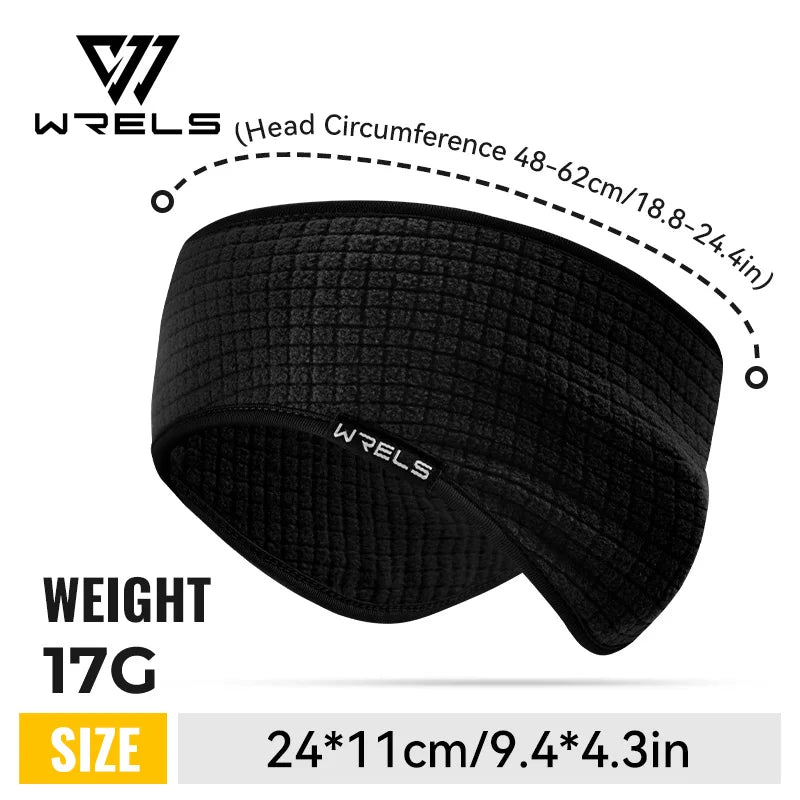
Pressure-free winter ear muffs that block cold wind gently — See it in action
Related Guide: How to Wear Ear Warmers for Comfort in Any Winter Weather













