

Does Ear Protection for Cold Weather Really Prevent Ear Pain?
Yes—high-quality ear protection for cold weather can significantly reduce or prevent ear pain by limiting heat loss and blocking wind exposure. Materials like fleece, wool, and insulated synthetics trap warm air around the ear, while wind-resistant layers prevent cold air from stripping that heat away.
However, effectiveness depends on conditions. In mild cold, lightweight headbands may be enough. In freezing temperatures or strong wind chill, insulated and windproof designs are necessary to maintain warmth and prevent cold weather ear pain.
Winter Ear Protection That Prevents Cold Ear Pain
The right winter ear protection can mean the difference between enjoying cold weather and dealing with sharp ear pain. Modern designs combine insulation, wind resistance, and breathability to keep ears warm without overheating—whether you're commuting, exercising, or working outdoors.
⏱ 6 min read
Discover the options designed to keep ears warm and pain-free outdoors.

Insulated ear warmers designed to protect ears from cold wind — See it in action
Why Do Ears Hurt in the Cold?
Ears are especially vulnerable to cold because they have thin skin, minimal fat insulation, and exposed cartilage. When temperatures drop, the body reduces blood flow to the ears to conserve heat, making them more sensitive to pain.
How Wind Chill Increases Heat Loss
Wind accelerates heat loss by stripping away the thin layer of warm air around your skin. This “wind chill” effect can make moderate temperatures feel much colder, increasing the risk of discomfort and frostnip.
When Cold Exposure Becomes Dangerous
- Frostnip: Early stage with numbness and tingling
- Frostbite: Severe freezing that can damage tissue
- Persistent pain: A sign ears are not adequately protected
Proper ear protection helps maintain circulation and prevents these issues.
How Ear Protection Works
Insulation
Materials like fleece, wool, and synthetic blends trap warm air close to the skin, reducing heat loss and maintaining comfort.
Wind Blocking
Windproof layers prevent cold air from penetrating and disrupting warmth, which is critical in exposed environments.
Moisture Management
Breathable fabrics wick sweat away from the skin. Dry ears stay warmer than damp ones, especially during active use.
Types of Ear Protection for Winter
Thermal Earmuffs
Provide full ear coverage and high insulation. Best for commuting and casual wear.
Ear Warming Headbands
Lightweight and breathable, ideal for running, cycling, and active sports.
Beanies and Hats
Offer general warmth but may not fully seal around ears in windy conditions.
Helmet-Compatible Options
Low-profile headbands and thin liners fit under helmets without pressure points, making them ideal for skiing or biking.
Material Comparison: Fleece vs Wool vs Synthetic
- Fleece: Lightweight, soft, dries quickly, good for active use
- Wool: Excellent insulation, retains warmth even when damp
- Synthetic: Durable, often wind-resistant, balances warmth and breathability
Best Ear Protection for Different Winter Activities
Running
Use breathable headbands that wick sweat and prevent overheating.
Skiing and Snowboarding
Choose helmet-compatible ear protection with windproof layers.
Hiking
Layer headbands with hats to adapt to changing temperatures.
Cycling
Wind-resistant designs are essential due to constant airflow.
Commuting and Outdoor Work
Insulated earmuffs or thicker headbands provide long-lasting warmth.
How to Keep Ears Warm in Winter
- Layer ear protection with hats in extreme cold
- Choose moisture-wicking materials to stay dry
- Adjust layers based on activity level
- Ensure full ear coverage with no gaps
Choosing the Right Ear Protection by Temperature
- Mild Cold (5°C to 10°C): Lightweight headbands
- Freezing (0°C to 5°C): Insulated fleece or wool
- Extreme Cold (below 0°C): Windproof thermal protection
- High Wind Chill: Full coverage with wind-blocking layers
Get winter ear protection men trust — limited stock!
Features That Matter Most
- Wind Resistance: Essential for preventing rapid heat loss
- Secure Fit: Keeps cold air out
- Breathability: Prevents sweat buildup
- Comfort: Works with helmets, hats, and glasses
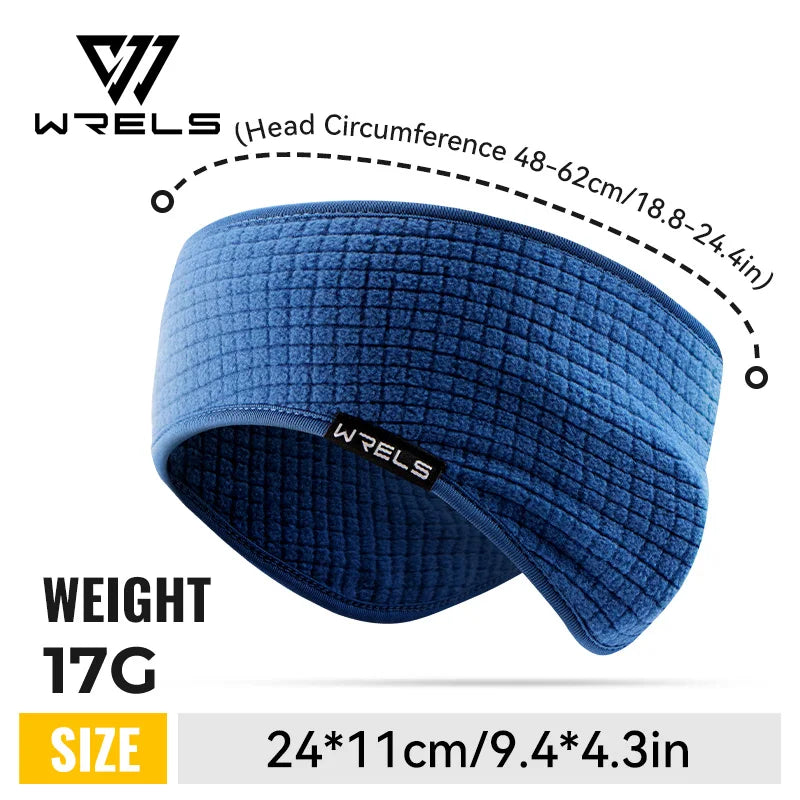
Lightweight design built for long winter wear — See it in action
How to Wear Ear Protection Correctly
With Hats
Wear ear protection underneath for better insulation and fit.
Under Helmets
Use thin, low-profile designs to avoid pressure points.
For Active Sports
Ensure a snug fit that stays in place during movement without restricting airflow.
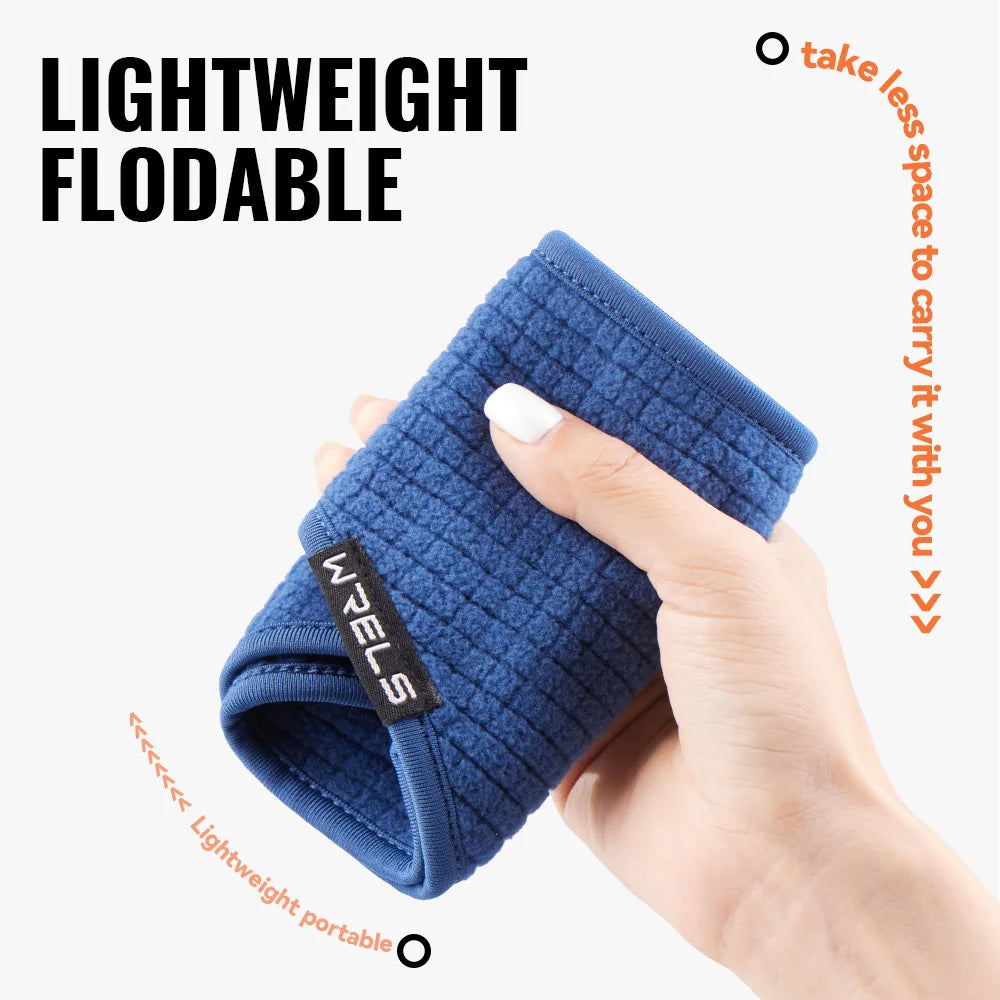
Designed for comfort during extreme cold days — See it in action
Care, Washing and Durability Tips
- Wash fleece and synthetic materials in cold water
- Air dry to maintain insulation performance
- Avoid high heat which can damage fibers
- Replace when elasticity or insulation declines
Is Investing in Quality Winter Ear Protection Worth It?
- Improves comfort in cold conditions
- Reduces risk of frostnip and ear pain
- Lasts multiple seasons with proper care
- Adapts to various activities and environments
Get yours now before cold season peaks!
Frequently Asked Questions
Why do ears hurt in the cold even when I wear a hat?
Hats often don’t fully seal around the ears, allowing wind and cold air to penetrate.
What is the best ear protection for winter running?
Lightweight, moisture-wicking headbands are ideal for active use.
Are ear muffs warmer than fleece headbands?
Yes, earmuffs generally provide more insulation, but headbands offer better breathability.
Can I wear ear protection under a helmet?
Yes, low-profile designs are specifically made for helmet compatibility.
How do I keep my ears warm without overheating?
Choose breathable materials and adjust layers based on activity level.
What material is best for cold weather ear protection?
Wool for insulation, fleece for comfort, and synthetics for durability and wind resistance.
How can I prevent ear pain in cold weather?
Use windproof, insulated ear protection with a snug fit.
At what temperature should I start covering my ears?
Most people benefit from ear protection below 10°C, especially with wind.
Can cold weather damage my ears permanently?
Severe exposure can lead to frostbite, which may cause lasting damage.
How do I wash fleece or wool ear warmers?
Use gentle cold washing and air drying to preserve insulation.
Related Guide: Winter Ear Warmers for Men Review: Real Results in Cold Wind













