Winter Face Covering Showdown: Neck Gaiter vs Mask for Cold Weather
Neck Gaiter vs Mask: Quick Comparison Table
If you're deciding between a neck gaiter vs mask for winter, the right choice depends on whether warmth or filtration is your top priority. Here's a quick overview.
| Feature | Neck Gaiter | Face Mask |
|---|---|---|
| Primary Purpose | Warmth, wind protection, versatility | Respiratory protection and filtration |
| Cold Weather Performance | Excellent | Moderate |
| Filtration | Low to moderate (depends on fabric) | Moderate to very high (especially N95) |
| Breathability | High | Varies by mask type |
| Coverage | Neck, chin, mouth, nose (adjustable) | Nose and mouth only |
| Best For | Running, hiking, skiing, commuting, outdoor work | Healthcare, crowded spaces, poor air quality |
| Main Limitation | Limited particle filtration | Less warmth and limited neck coverage |
Winter Face Covering: Why the Neck Gaiter vs Mask Debate Matters
The best winter face covering isn't always the warmest or the most protective—it depends on where you're going and what you're doing. A skier facing freezing wind has different needs than someone riding public transportation during flu season. Understanding the strengths of each option helps you choose the most practical cold weather face covering.
Warmth, Breathability, and Filtration
Every winter face covering balances three important factors:
- Warmth: trapping body heat while blocking cold wind.
- Breathability: allowing moisture and excess heat to escape during activity.
- Filtration: reducing exposure to airborne particles when health protection is important.
Neck gaiters generally emphasize warmth and airflow, while masks prioritize filtration.
Common Winter Activities
Your activity often determines which option works best:
- Skiing and snowboarding
- Winter hiking and trail running
- Cycling or motorcycle commuting
- Walking the dog or daily errands
- Public transportation and indoor public spaces
How Your Environment Changes the Best Choice
Cold, dry mountain air, windy city streets, and crowded indoor environments all create different challenges. In freezing outdoor conditions, insulation and wind protection usually matter most. In hospitals, airports, or areas with poor air quality, filtration becomes the priority.
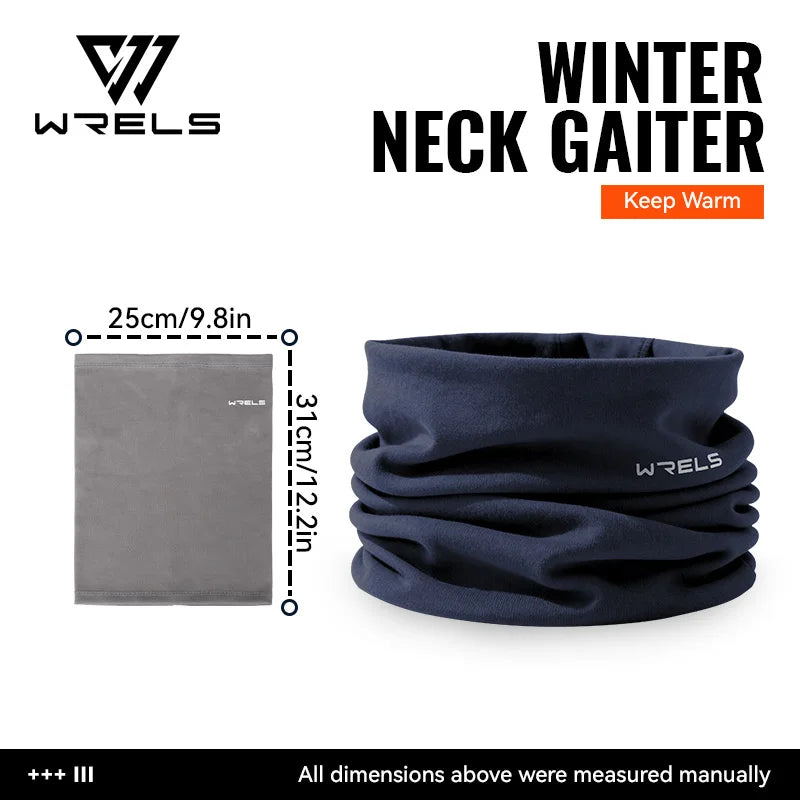
Modern winter face covering styles designed for cold weather protection.
What Is a Neck Gaiter vs a Mask?
What Is a Neck Gaiter?
A neck gaiter is a seamless or stitched tubular fabric worn around the neck that can easily be pulled over the mouth and nose. Most winter models use fleece, merino wool, polyester, or blended performance fabrics to improve insulation while remaining comfortable during movement.
What Is a Face Mask?
A face mask is designed primarily for respiratory protection. Common options include:
- Cloth masks: reusable with basic filtration.
- Surgical masks: disposable masks that provide moderate filtration.
- N95 respirators: high-filtration masks that filter a large percentage of airborne particles when properly fitted.
Neck Gaiter vs Balaclava
The biggest difference is coverage. A neck gaiter protects the neck and lower face while remaining highly adjustable. A balaclava extends over the head and often leaves only the eyes exposed, making it better suited for prolonged exposure to severe winter conditions.
Neck Gaiter vs Mask: Feature-by-Feature Comparison
| Feature | Neck Gaiter | Mask |
|---|---|---|
| Warmth | High insulation and heat retention | Low to moderate warmth |
| Breathability | Highly breathable and adjustable | Varies depending on type |
| Filtration | Low (unless specialized fabric) | High (especially N95 respirators) |
| Comfort | Soft, flexible, lightweight | Depends on fit and material |
| Wind Protection | Excellent | Moderate |
| Best Use | Cold weather, sports, outdoor activities | Health protection and crowded environments |
Warmth
A fleece-lined gaiter creates an insulating layer of warm air around the neck and lower face. This trapped air helps reduce heat loss while shielding exposed skin from icy wind.
Filtration
Masks are specifically engineered for particle filtration, while most neck gaiters are not. Although thicker multi-layer gaiters can reduce airflow and provide some barrier protection, they should not be considered replacements for certified respirators when filtration is required.
Breathability
Outdoor athletes often prefer gaiters because they allow more airflow during climbing, running, hiking, or skiing. Moisture can escape more easily, reducing the damp feeling that develops during strenuous exercise.
Comfort and Moisture Management
Performance fabrics wick sweat away from the skin, helping maintain comfort during changing activity levels. Masks can become damp more quickly during heavy exertion, especially in freezing temperatures.
Fit and Coverage
A gaiter covers both the neck and lower face and can be adjusted instantly as temperatures change. Masks provide a more secure seal around the nose and mouth but leave the neck exposed unless paired with additional winter gear.
For flexible cold-weather protection, products like the winter neck gaiter fleece windproof offer an effective balance of warmth and breathability.
Do Neck Gaiters Really Work?
How Gaiters Reduce Wind Exposure
Yes. Neck gaiters work extremely well as cold weather face coverings because they reduce direct wind exposure while trapping warm air close to your skin. This combination significantly improves comfort during outdoor activities.
Filtration Limitations
Although thicker gaiters offer more protection than lightweight single-layer fabrics, they do not match the filtration performance of certified masks designed for respiratory protection.
Are Neck Gaiters Good for Cold Weather?
Absolutely. For hiking, skiing, snowboarding, cycling, winter running, or simply walking outside on cold mornings, neck gaiters provide excellent insulation, flexibility, and moisture management. They perform best when warmth—not medical-grade filtration—is the primary goal.
When to Choose a Mask Over a Neck Gaiter
Health & Illness Protection
If your primary goal is protection against viruses or bacteria, a mask—especially a high-grade respirator—offers significantly better filtration than a gaiter.
Pollution & Air Quality
In urban areas with poor air quality, masks can help filter fine particles more effectively than standard gaiters.
High-Risk Environments
Hospitals, clinics, crowded public transportation, and indoor settings with limited ventilation are situations where masks remain the better choice.
When a Neck Gaiter Is the Better Choice
Running and Hiking
Lightweight gaiters move naturally with your body, making them comfortable for trail running, hiking, and fast-paced outdoor exercise.
Skiing and Snow Sports
They fit comfortably beneath helmets and goggles while helping prevent exposed skin from becoming numb in freezing wind.
Windy and Extreme Cold
Wind chill can make temperatures feel dramatically colder. A fleece neck gaiter helps reduce heat loss around one of the body's most exposed areas.
Everyday Winter Comfort
Whether you're commuting, shoveling snow, walking the dog, or attending outdoor events, a neck gaiter offers convenient warmth without constantly adjusting a scarf.
Neck Gaiter vs Ski Mask vs Balaclava
Coverage Comparison
- Neck Gaiter: neck and lower face.
- Ski Mask: most of the face with openings for the eyes.
- Balaclava: head, neck, face, and sometimes shoulders.
Warmth Comparison
Balaclavas generally provide the highest level of insulation because they eliminate more exposed skin. Neck gaiters remain warmer than traditional scarves while allowing easier adjustment.
Best Activity for Each
- Neck gaiter: hiking, running, commuting, moderate winter sports.
- Ski mask: downhill skiing and snowmobiling.
- Balaclava: mountaineering, extreme cold, long outdoor exposure.
Can You Wear a Neck Gaiter and a Mask Together?
When Layering Makes Sense
Yes. Many people wear a filtration mask underneath a fleece neck gaiter during winter. The mask provides respiratory protection while the gaiter adds insulation and shields the mask from cold wind.
Comfort Considerations
Layering works best when both items fit comfortably without restricting breathing. Avoid overly tight combinations that create pressure around the nose or ears.
Cold Weather Benefits
Using both together can improve comfort during freezing temperatures by reducing cold air entering around the mask while helping retain facial warmth.
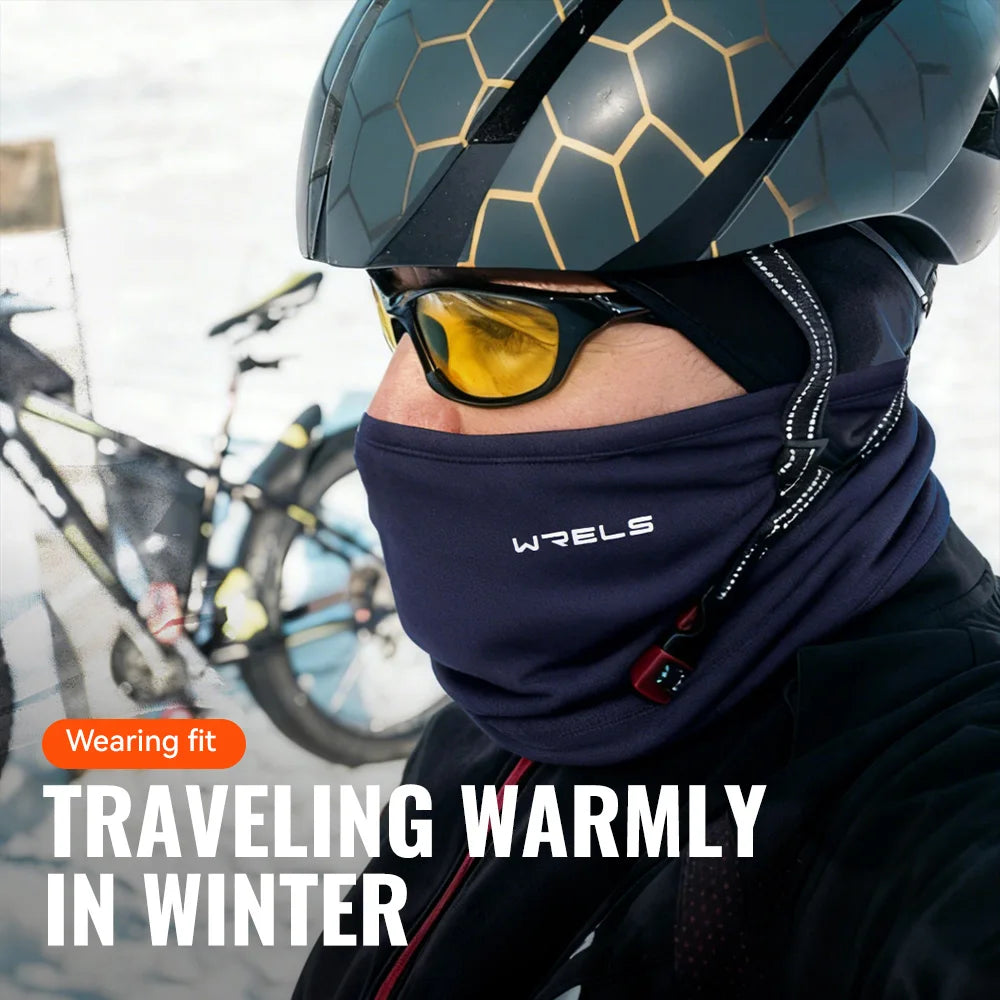
Breathable thermal neck gaiter designed for cold weather protection.
Materials Matter: Which Fabric Performs Best?
Fleece
Fleece provides excellent insulation and soft comfort, making it one of the most popular choices for cold climates.
Merino Wool
Merino wool naturally regulates temperature, resists odors, and continues insulating even when slightly damp.
Synthetic Performance Fabrics
Polyester and other technical fibers dry quickly, wick moisture efficiently, and are ideal for high-output activities like running or skiing.
Multi-Layer Designs
Multi-layer winter gaiters combine insulation, durability, and improved wind resistance while maintaining flexibility for daily wear.
Care and Maintenance
Cleaning
Wash reusable gaiters regularly using the manufacturer's care instructions to remove sweat, dirt, and oils.
Drying
Allow the fabric to dry completely before storage to help preserve elasticity and prevent unwanted odors.
Replacing Worn Gear
If a gaiter becomes stretched, develops holes, or loses its insulating properties after repeated washing, replacing it helps maintain comfort and performance.
Which Winter Face Covering Is Right for You?
Decision Guide by Activity
- Winter hiking or running: Neck gaiter.
- Skiing or snowboarding: Neck gaiter or balaclava depending on temperature.
- Crowded indoor spaces: High-filtration mask.
- Extreme cold: Balaclava or layered neck gaiter and mask.
- Daily commuting: Choose based on whether warmth or filtration is your higher priority.
Final Recommendations
If your goal is staying warm during outdoor winter activities, a quality fleece neck gaiter delivers excellent comfort, wind protection, and versatility. If respiratory protection is your primary concern, a properly fitted mask remains the better option. For the coldest conditions where both warmth and filtration matter, layering a mask beneath a neck gaiter offers the best balance.
High-quality fleece gaiters, such as the winter neck gaiter fleece windproof , offer excellent insulation while maintaining breathability, making them ideal for everyday winter use.
Frequently Asked Questions
Do neck gaiters keep you warm?
Yes. A well-fitted fleece or insulated neck gaiter traps warm air close to your skin and blocks cold wind, making it highly effective for winter activities.
Are neck gaiters good for cold weather?
Yes. They are specifically designed for cold weather comfort and are widely used by runners, hikers, skiers, cyclists, and outdoor workers.
How do I choose between a ski mask vs neck gaiter?
Choose a ski mask or balaclava if you need maximum coverage in severe winter conditions. Choose a neck gaiter if you prefer greater flexibility, breathability, and easier temperature regulation.
Is a balaclava warmer than a neck gaiter?
Generally, yes. Because it covers the head, neck, and much of the face, a balaclava retains more heat during prolonged exposure to freezing temperatures.
Can I wear both a neck gaiter and a mask?
Yes. Wearing a face mask underneath a neck gaiter combines respiratory protection with improved warmth and wind resistance, making it a practical solution during cold weather.
Related Guide: Best Fleece Neck Gaiter Winter: Top Picks Compared