

Do Heated Jackets Actually Keep You Warm in Cold Weather?
Yes. A winter heating jacket actively generates warmth through built-in heating elements rather than relying only on insulation to trap body heat. That extra source of heat makes a noticeable difference in freezing temperatures, particularly when you're standing still, commuting, working outdoors, or facing cold wind that gradually reduces the effectiveness of conventional winter clothing.
What temperature difference can you expect?
Most battery powered heated jackets can increase perceived warmth by approximately 10–20°F (5–11°C), depending on the heat setting, insulation quality, outside temperature, and wind conditions. On higher settings, heating panels continuously warm key areas such as the chest and back, helping maintain a comfortable core temperature even when temperatures fall below freezing.
Rather than heating your entire body, these jackets focus on the areas that lose heat most quickly. Keeping your core warm often helps your hands and feet feel more comfortable while reducing the need for multiple bulky layers.
When heated jackets outperform regular coats
A heated jacket is most effective whenever your body isn't producing enough heat through movement. Common situations include:
- Standing outdoors for extended periods, including commuting, outdoor events, or waiting for public transportation
- Low-activity situations such as spectating, fishing, camping, or leisurely walking
- Outdoor work where exposure to cold lasts for several hours
- Windy or damp weather where traditional insulation gradually loses effectiveness
In these conditions, active heating helps offset continuous heat loss, allowing you to stay comfortable without constantly adding extra layers.
Where they have limitations
Even the best heated jackets aren't designed to replace proper winter clothing in every situation. Battery life decreases on the highest heat settings, and extremely cold environments may still require thermal base layers, insulated pants, gloves, and appropriate footwear. For highly active activities like running or strenuous hiking, your own body heat may provide enough warmth that the heating system is needed only occasionally.
Are Heated Jackets Worth It? Real-World Review, Pros, Cons & Buying Guide
⏱ 7 min read
For many people, the answer is yes. A quality winter heating jacket provides adjustable warmth that traditional insulated coats simply can't match, making it especially valuable for commuters, outdoor workers, travelers, and anyone who spends long periods in cold weather. But battery life, climate, and how you use the jacket all influence whether it's the right investment. This guide explains how heated jackets work, what to expect in real-world conditions, and what features matter before you buy.
Explore how a modern winter heating jacket compares to traditional coats.

Instant warmth without bulky layers — winter heating jacket in action See it in action
How Do Heated Jackets Work? (Battery, Heating Zones & Safety Explained)
Understanding how heated jackets work makes it easier to evaluate their comfort, safety, and long-term value. Modern designs combine lightweight insulation with rechargeable heating technology to deliver controlled warmth exactly where it's needed most.
Heating elements and heat distribution
Most battery powered heated jackets use flexible carbon fiber or graphene heating panels positioned across the chest, upper back, and sometimes the collar or sleeves. When powered on, these elements generate even, adjustable heat that warms your core directly instead of relying solely on trapped body heat. This targeted approach provides faster comfort while reducing the need for bulky layers.
Battery systems and power consumption
Most jackets are powered by removable rechargeable lithium-ion battery packs ranging from 5V to 12V. Runtime varies according to the selected heat level, ambient temperature, and battery capacity.
- Low heat: 6–10 hours
- Medium heat: 4–6 hours
- High heat: 2–4 hours
Using lower heat settings whenever possible helps extend battery life while maintaining comfortable warmth throughout the day.
Are heated jackets safe to wear?
Yes. Quality heated jackets include built-in safety features such as automatic temperature regulation, overheat protection, insulated wiring, and water-resistant electrical components. When the manufacturer's charging, washing, and operating instructions are followed, they are considered safe for everyday commuting, outdoor recreation, and work.
Charging time and battery lifespan
Most rechargeable battery packs require approximately 3 to 6 hours to reach a full charge. With normal seasonal use and proper storage, a lithium-ion battery can typically last for several hundred charging cycles before noticeable capacity loss occurs. Avoiding deep discharge and storing the battery in a cool, dry place during the off-season can help maximize its service life.
Heated Jacket Pros and Cons (Honest Breakdown)
Key benefits of heated jackets
- Instant, adjustable warmth without relying on multiple heavy layers
- Three or more heat settings to match changing weather conditions
- Improved comfort during commuting, outdoor work, camping, and spectating
- Consistent core temperature in windy and freezing environments
- Greater freedom of movement thanks to lighter insulation requirements
- Can also be worn with the heating system switched off as a regular insulated jacket
Real drawbacks to consider
- Higher purchase price than a comparable insulated winter jacket
- Battery runtime decreases when using the highest heat setting
- Requires periodic charging and proper battery care
- Slight increase in weight from the removable battery pack
- May provide limited additional value in regions with mild winters
When the extra cost makes sense
A heated jacket delivers the best value if you spend hours outdoors in cold weather throughout the winter. Daily commuters, delivery drivers, outdoor workers, hunters, anglers, photographers, and travelers often benefit the most because the extra warmth improves comfort without adding bulky clothing. For someone who only encounters cold weather occasionally, a traditional insulated jacket may provide sufficient performance at a lower cost.
Real-World Performance: Comfort, Heat Output & Battery Life
Comfort and fit
Modern heated jackets are designed to feel much like conventional insulated outerwear. Flexible heating panels are thin enough that they are rarely noticeable during everyday wear. For maximum heating efficiency, choose a fit that keeps the panels close to your body without restricting movement or layering options.
Battery life in real conditions
Manufacturer battery estimates are typically measured under controlled conditions. In everyday winter use, runtime varies depending on outside temperature, wind, heat setting, and battery capacity.
- High heat: approximately 2–3 hours in freezing temperatures
- Medium heat: around 3–5 hours
- Low heat: up to 8 hours under moderate conditions
Many users extend runtime by starting on a high setting to warm up quickly before switching to medium or low once comfortable.
Battery performance in freezing temperatures
Like all lithium-ion batteries, heated jacket batteries lose some efficiency in extremely cold weather. As temperatures drop well below freezing, you may notice slightly shorter operating times than the advertised maximum. Carrying a fully charged spare battery or using lower heat settings can help maintain warmth during extended outdoor activities.
Although heated jackets cost more initially, regular use can make them a worthwhile long-term investment. For example, a $150 jacket worn across 100 winter days works out to roughly $1.50 per use. When compared with the daily comfort, reduced layering, and improved cold-weather performance, many owners find the ongoing value justifies the higher purchase price.
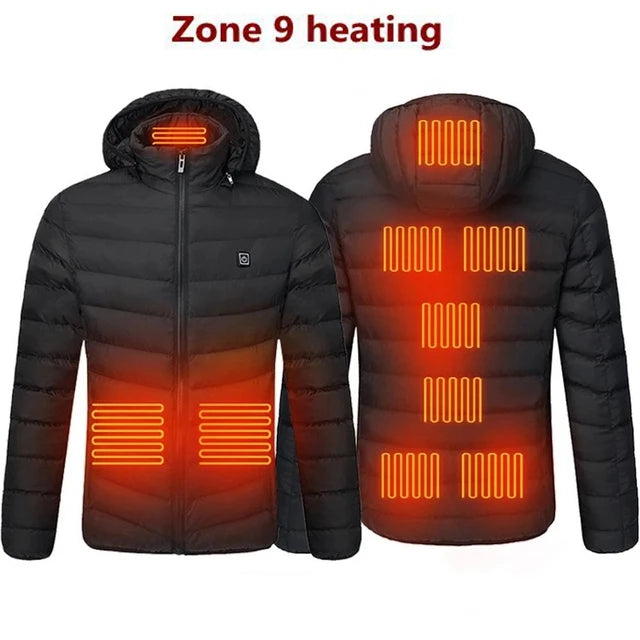
Balanced heat zones and flexible design — battery powered heated coat See it in action
Heated Jacket vs Traditional Insulated Winter Jacket
Choosing between a heated jacket and a traditional insulated winter jacket depends on your activity level, climate, and how long you'll remain outdoors. Unlike a standard coat that only traps body heat, a heated jacket actively warms your core using built-in heating elements, making it especially effective during long periods of inactivity.
| Feature | Heated Jacket | Traditional Insulated Jacket |
|---|---|---|
| Warmth | Active heating provides consistent warmth even when standing still. | Relies entirely on body heat and insulation. |
| Weight and mobility | Less bulky while still delivering high levels of warmth. | May require thicker insulation for similar comfort. |
| Battery dependence | Requires a charged battery for heating functions. | No battery or charging required. |
| Overall value | Best for frequent cold-weather exposure, outdoor work, commuting, and long periods outdoors. | Ideal for active movement and moderate winter conditions. |
If you're regularly exposed to freezing temperatures, strong winds, or long periods of standing outdoors, a heated jacket offers a clear advantage by delivering warmth directly to your chest and back instead of relying solely on insulation. For active hiking, running, or everyday use in milder climates, a conventional insulated jacket may be all you need.
Best Heated Jacket for Winter: What to Look For Before Buying
Key features that matter
- Multiple heating zones positioned across the chest, back, and collar for even warmth
- High-capacity rechargeable battery with reasonable charging times
- Wind-resistant and water-resistant outer fabric for reliable winter performance
- Quality insulation that keeps you warm even when the heating system is turned off
- Multiple heat settings for adjusting comfort as weather conditions change
- Comfortable fit that allows freedom of movement without placing heating panels too far from the body
The best heated jacket for winter combines efficient heating technology with durable construction. Premium materials, reliable electronics, and practical weather protection usually provide better long-term value than choosing the lowest-priced option.
Choosing based on your use case
- Commuting: Prioritize lightweight construction, long battery life, and slim insulation for everyday comfort.
- Outdoor work: Look for rugged materials, multiple heating zones, extended battery runtime, and weather-resistant fabrics.
- Winter sports: Choose flexible designs with breathable insulation and dependable water resistance for changing conditions.
- Travel: Consider packability, removable batteries, and versatile styling that works both outdoors and indoors.
Selecting a battery powered heated jacket that matches your typical activities helps maximize comfort, battery efficiency, and overall satisfaction throughout the winter season.
Battery replacement and warranty
Before purchasing, check whether replacement batteries are readily available from the manufacturer. A removable battery extends the useful life of the jacket and makes it easier to replace worn components after several seasons. It's also worth reviewing the warranty to understand what is covered, including heating elements, electronics, and battery performance.
Heated Jacket Care, Washing & Maintenance
Cleaning safely
- Turn the jacket off and disconnect the battery pack.
- Remove the battery before washing.
- Close all zippers and fasten any hook-and-loop closures.
- Follow the manufacturer's care label, typically using a gentle wash cycle with mild detergent.
- Allow the jacket to air dry completely before reconnecting the battery.
Never wash or charge the battery itself, and avoid using bleach or high heat unless specifically approved by the manufacturer.
Storage tips
Store your heated jacket in a cool, dry location during the off-season. Remove the battery if the jacket won't be used for an extended period, and recharge it periodically according to the manufacturer's recommendations to help preserve battery health.
Extending battery and jacket lifespan
Avoid fully draining the battery after every use, protect electrical connectors from excessive moisture, and inspect cables and heating panels occasionally for signs of wear. Proper care helps maintain consistent heating performance and extends the life of both the battery and the jacket.
Learn how heated outerwear simplifies cold-weather dressing.
Who Should (and Shouldn't) Buy a Heated Jacket
Best users
- Commuters who spend time waiting outdoors in cold weather
- Outdoor workers who need dependable warmth throughout long shifts
- Travelers visiting colder destinations during winter
- Campers, anglers, hunters, and spectators who remain stationary for extended periods
- People who naturally feel cold or struggle to stay comfortable despite wearing multiple layers
Who should skip one
- Highly active users who generate plenty of body heat through continuous movement
- People living in mild winter climates where heavy insulation is rarely necessary
- Occasional winter users who may find a quality insulated jacket sufficient for their needs
If you regularly spend hours outdoors in cold weather, the additional warmth and comfort of a heated jacket can easily justify the investment. If your winter exposure is brief or your climate remains relatively mild, a traditional insulated jacket may provide better overall value.
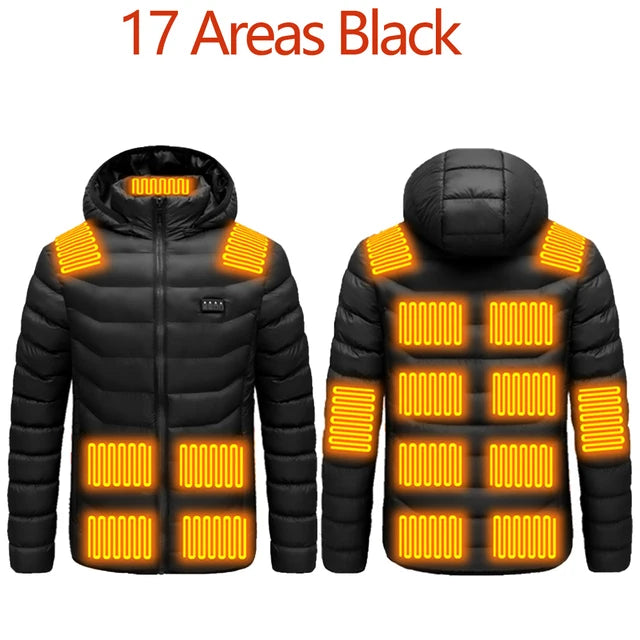
Designed for everyday wear and real winter comfort — heated battery powered jacket See it in action
Final Verdict: Are Heated Jackets Worth It?
For anyone who regularly faces freezing temperatures, long commutes, outdoor work, or extended periods of inactivity outside, the answer is yes. A quality heated jacket delivers adjustable, consistent warmth that traditional insulated coats simply cannot provide on their own.
The higher upfront cost is balanced by improved comfort, reduced reliance on bulky layers, and dependable performance throughout the winter season. Choosing a model with durable construction, reliable battery life, and effective heating zones further increases its long-term value.
That said, heated jackets aren't the perfect solution for everyone. If you live in a mild climate, spend little time outdoors during winter, or remain highly active in cold weather, a conventional insulated jacket may meet your needs at a lower cost.
Ultimately, the best choice depends on your climate, daily routine, and personal comfort preferences. For the right user, a heated jacket is a worthwhile investment that makes cold-weather activities significantly more comfortable.
Shop the Winter Heating Jacket
Frequently Asked Questions About Heated Jackets
Are heated jackets worth the extra money?
For people who regularly spend time outdoors in cold weather, heated jackets often justify their higher price through improved comfort, adjustable warmth, and reduced dependence on heavy layering. Those living in mild climates or spending little time outside may find a traditional insulated jacket offers better value.
How do heated jackets work?
Heated jackets use rechargeable lithium-ion batteries to power thin carbon fiber or graphene heating elements positioned in key areas such as the chest and back. These panels generate controlled warmth that helps maintain a comfortable core temperature.
How long does a heated jacket battery last?
Battery life typically ranges from 2 to 10 hours depending on the battery capacity, selected heat setting, outside temperature, and weather conditions. Lower heat settings generally provide the longest operating time.
Are heated jackets safe to wear every day?
Yes. Modern heated jackets are designed with safety features including temperature regulation, overheat protection, insulated wiring, and water-resistant electrical components. When used according to the manufacturer's instructions, they are suitable for everyday wear.
Can you wash a battery powered heated jacket?
Yes. Remove the battery before washing and follow the care instructions provided by the manufacturer. Most heated jackets can be cleaned using a gentle machine cycle or hand washing, followed by air drying.
Do heated jackets work without the battery?
Yes. With the battery removed or switched off, a heated jacket continues to function as a regular insulated winter jacket, although the active heating feature will not operate.
Can you bring a heated jacket on a plane?
Yes. Most airlines allow heated jackets in both checked and carry-on luggage, but lithium-ion batteries are generally required to travel in carry-on baggage. Always check your airline's current battery regulations before flying.
How many winters should a heated jacket last?
A well-made heated jacket can provide reliable performance for many winter seasons when properly maintained. Regular cleaning, careful storage, and proper battery care help maximize the lifespan of both the heating system and the rechargeable battery.
Related Guide: Heated Winter Coats Review: Real Results After 30 Days













