

Does a winter insulated jacket really keep you warm without bulk?
Yes. A modern winter insulated jacket keeps you warm without unnecessary bulk by trapping body heat inside thousands of tiny air pockets created by down or synthetic insulation. Combined with a wind-resistant shell and breathable construction, today's jackets reduce heat loss while allowing moisture to escape, so you stay comfortable whether you're commuting, hiking, or traveling in cold weather.
Winter Insulated Jackets: Best Picks, Buying Guide & How They Keep You Warm
⏱ 5 min read
Modern winter gear no longer forces a trade-off between warmth and mobility. Today's insulated jackets combine advanced materials, lightweight construction, and weather-resistant shells to deliver reliable protection without weighing you down. This guide compares the best jacket types, explains how insulation works, and helps you choose the right option for your climate and activities.
Best Insulated Jackets (2026): Top Picks for Every Activity
Quick Comparison Table (Warmth, Weight, Fill Type, Best Use)
| Jacket Type | Insulation | Warmth | Weight | Best For |
|---|---|---|---|---|
| Down Jacket | Goose or duck down | Excellent | Ultra-light | Cold, dry climates |
| Synthetic Jacket | Polyester insulation | Very Good | Light | Wet or unpredictable weather |
| Hybrid Jacket | Mapped down & synthetic | Very Good | Light | Hiking and active movement |
Best Overall Insulated Jacket
A versatile insulated jacket balances warmth, breathability, durability, and weather protection. Mid-weight insulation paired with a windproof shell performs well for everything from daily commuting to weekend outdoor adventures.
Best Lightweight Insulated Jacket for Winter
A lightweight insulated jacket winter design prioritizes mobility, packability, and layering. These jackets are ideal for travel, hiking, and changing temperatures where flexibility matters.
Best Budget Winter Insulated Jacket
Budget-friendly models generally use quality synthetic insulation that provides dependable warmth, easy maintenance, and solid value for everyday winter wear.
Best Windproof Insulated Jacket
A windproof insulated jacket features tightly woven fabrics or laminated membranes that dramatically reduce wind chill, making the insulation far more effective in exposed environments.
Best Insulated Jacket for Cold Weather
For prolonged exposure below freezing, choose high-fill-power down or premium synthetic insulation with adjustable hoods, storm cuffs, and insulated collars for maximum heat retention.
Best for Hiking & Outdoor Adventures
Outdoor enthusiasts benefit from lightweight jackets that combine breathable insulation, abrasion-resistant fabrics, and compressible designs that pack easily into a backpack.
Best for Everyday Commuting
Urban jackets prioritize comfort, clean styling, moderate insulation, and weather protection, making them suitable for work, travel, and everyday errands.
A streamlined winter insulated jacket that delivers warmth without bulk. See it in action.
How Insulated Jackets Work: Down, Synthetic & Modern Materials
What is an insulation layer and why does it matter?
The insulation layer is responsible for trapping warm air generated by your body. The more efficiently it maintains loft while allowing excess moisture to escape, the warmer and more comfortable the jacket feels during prolonged cold-weather use.
Down vs Synthetic Insulation (Pros & Cons)
- Down insulation: Outstanding warmth-to-weight ratio, excellent compressibility, and ideal for dry winter climates.
- Synthetic insulation: Retains warmth when damp, dries quickly, requires less maintenance, and performs better in wet conditions.
Materials That Keep Jackets Warm
Modern insulated jackets often combine recycled synthetic fibers, responsibly sourced down, durable ripstop shell fabrics, and strategically mapped insulation zones to improve warmth while reducing unnecessary weight.
How Fill Power and Loft Affect Warmth
Fill power measures how much space down occupies after expansion. Higher fill power generally provides greater warmth with less weight because it traps more insulating air. Synthetic insulation relies on fiber structure rather than fill power but follows the same principle: maintaining loft equals maintaining warmth.
Key Features That Matter in Cold Weather
Why a winter windproof jacket shell changes everything
Even excellent insulation loses effectiveness if cold wind penetrates the shell. Wind-resistant outer fabrics preserve your body's warm air layer and improve real-world comfort significantly.
Warmth-to-weight ratio explained
The best insulated jackets maximize thermal efficiency while remaining lightweight enough for comfortable all-day wear and unrestricted movement.
Packability and breathability
Highly compressible insulation makes travel easier, while breathable construction helps regulate body temperature during hiking, walking, or other active pursuits.
Insulated Jacket vs Winter Coat: Which Should You Buy?
Lightweight vs Heavy Winter Insulated Coats
Lightweight jackets work well for layering, travel, and active lifestyles. Heavier winter insulated coats provide greater warmth during prolonged exposure in extremely cold temperatures.
Active vs Everyday Use
Hikers, skiers, and outdoor enthusiasts benefit from breathable, flexible insulation, while commuters often prioritize longer coverage, additional weather protection, and everyday comfort.
Layering System vs Standalone Warmth
If temperatures vary throughout the day, a lightweight insulated jacket paired with base and mid layers offers greater versatility than relying on a single heavy coat.
How to Choose the Best Insulated Jacket
Climate and Temperature Rating
Match your insulation level to your typical winter conditions. Mild climates require lighter insulation, while frequent freezing temperatures call for higher loft and improved weather protection.
Down or Synthetic?
Choose down if warmth, low weight, and compressibility are your priorities. Choose synthetic insulation if you'll frequently encounter rain, snow, or damp environments.
Shell Fabric and Weather Protection
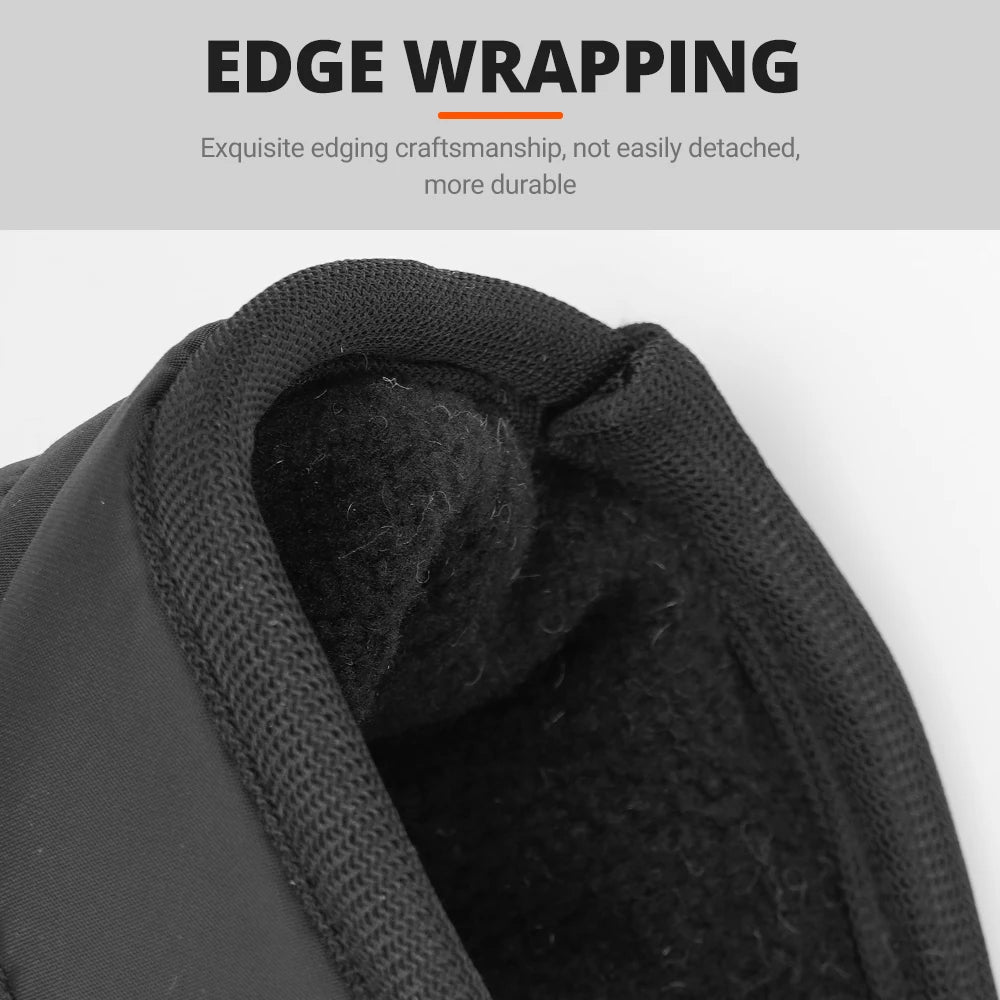
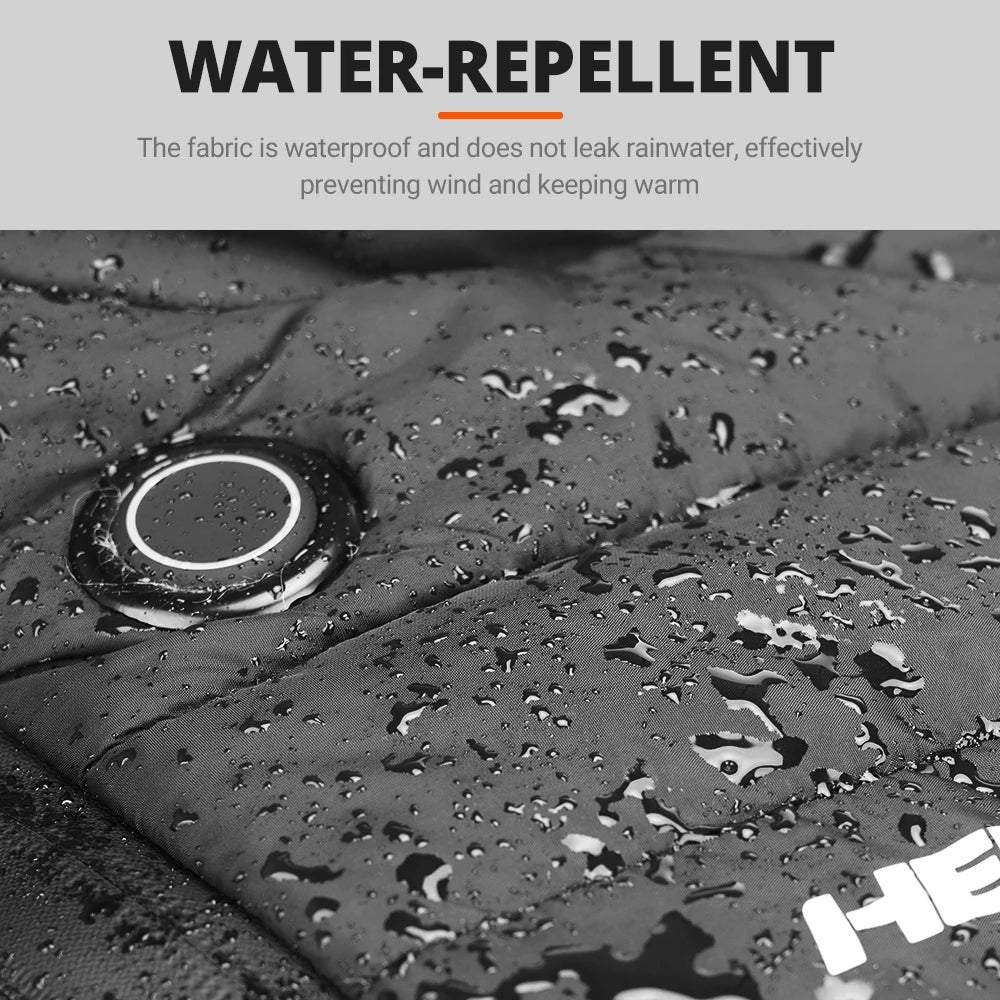
A durable shell with wind resistance and water-repellent treatment enhances insulation performance and keeps you comfortable during changing weather.
Fit, Layering and Mobility
Your jacket should comfortably accommodate base and mid layers without compressing insulation. A well-designed fit also allows unrestricted arm and shoulder movement.
Weight, Packability and Features
Consider adjustable hoods, zippered pockets, elastic cuffs, two-way zippers, and packability if you travel frequently or spend extended time outdoors.
How We Tested and Selected These Insulated Jackets
Testing Criteria
Our recommendations prioritize insulation efficiency, weather resistance, mobility, weight, durability, and overall value rather than focusing on a single performance metric.
Warmth and Weather Performance
We compare how different insulation types perform in wind, light precipitation, and varying activity levels, with particular attention to warmth retention and moisture management.
Comfort, Durability and Value
Additional evaluation includes long-term loft retention, stitching quality, shell durability, ease of maintenance, and the overall balance between performance and price.
How to Fit and Layer for Maximum Warmth
A proper fit allows insulation to maintain its loft while providing enough room for effective layering.
- Base layer: Wear moisture-wicking fabric against your skin.
- Insulated jacket: Leave enough space for unrestricted movement.
- Seal warmth: Tighten cuffs, hem, and hood when temperatures drop.
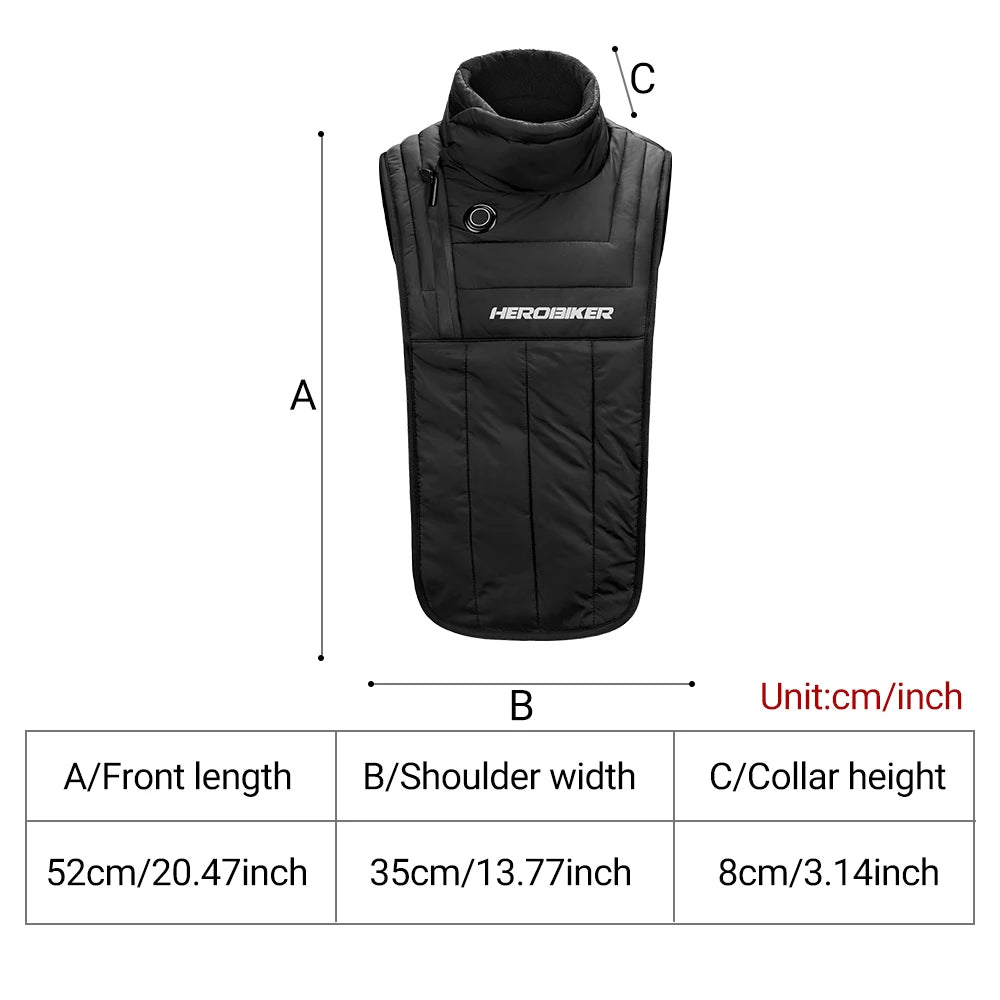
- Protect extremities: Use a winter neck warmer .
Layered correctly, winter insulated coats stay sleek and functional. See it in action.
Care, Storage and Maintenance
Cleaning Down and Synthetic Jackets
Always follow the manufacturer's care instructions. Use detergents formulated for insulated garments when appropriate, avoid fabric softeners, and rinse thoroughly to preserve insulation performance.
Restoring Loft
After washing, dry the jacket completely. Down jackets often regain loft more effectively when tumble dried on low heat with clean dryer balls, while synthetic insulation generally restores loft through gentle drying and light shaking.
Water Repellent Care
If water no longer beads on the shell fabric, reapply a durable water repellent (DWR) treatment to help maintain weather resistance and extend the jacket's useful life.
Real-World Performance & Testing Insights
Field-tested warmth performance
Real-world performance depends on wind, humidity, and activity level. Jackets with efficient insulation and windproof shells consistently outperform heavier garments that lack effective weather protection.
Durability and long-term wear
Premium insulated jackets maintain loft and warmth after repeated use when properly cared for, while lower-quality insulation may flatten over time and reduce thermal efficiency.
- "I walk daily in freezing wind and feel protected without bulk."
- "Layering feels easier and much more comfortable."
- "The jacket stays warm while giving me full freedom of movement."
Accessories like a winter neck warmer further improve comfort during the coldest days.
For lifestyle-focused winter essentials, explore the Lifestyle collection to complement your routine.
Smart insulation and wind protection for everyday winter wear. See it in action.
Insulated Jacket FAQ
What is an insulated jacket?
An insulated jacket is an outer layer designed with down or synthetic insulation that traps body heat while minimizing bulk, making it suitable for cold-weather activities.
Which insulation is warmest for winter?
High-fill-power down generally provides the best warmth-to-weight ratio, while premium synthetic insulation performs better in wet winter conditions.
Is a lightweight insulated jacket warm enough?
Yes. A lightweight insulated jacket is often warm enough for most winter conditions when paired with appropriate base layers and used within its intended temperature range.
Are insulated jackets waterproof or just windproof?
Most insulated jackets are windproof and water-resistant rather than fully waterproof. For heavy rain or prolonged wet weather, pair one with a waterproof shell.
Should I buy an insulated jacket or a winter coat?
Choose an insulated jacket if you value mobility, layering, and versatility. Choose a heavier winter coat for prolonged exposure to extreme cold or lower activity levels.
How long do insulated jackets last?
A quality insulated jacket can last many years with proper washing, careful storage, and periodic maintenance to preserve insulation loft and weather-resistant finishes.
Related Guide: How to Layer for Winter Motorcyclists Safely and Warmly













