

Does a Winter Neck Gaiter Under Helmet Really Work?
A winter neck gaiter under helmet works well when it is thin enough to preserve helmet fit while sealing the gap between your helmet and jacket collar. A properly fitted neck gaiter blocks cold airflow, reduces windburn, traps warm air around the neck, and wicks away perspiration so moisture doesn't leave you feeling colder later in your ride.
The key is choosing a low-profile neck gaiter rather than a bulky face covering. Slim, breathable fabrics maintain the helmet's designed fit while allowing ventilation systems to function normally. Whether you're skiing, cycling, snowboarding, or riding a motorcycle, the right neck cover for cold weather riding improves comfort without compromising mobility.
However, a neck gaiter should never make your helmet feel tighter, shift helmet positioning, interfere with chin straps, or block your field of vision. If adding a gaiter changes how your helmet fits, consider a thinner option or adjust your layering instead.
Winter Neck Gaiter Under Helmet: 5 Slim Options Compared
Finding a winter neck gaiter under helmet that stays warm without feeling bulky is harder than it sounds. Too thick and your helmet won't sit correctly. Too thin and freezing wind reaches your neck within minutes. Below, we compare five helmet-friendly options and explain which designs work best for skiing, cycling, motorcycling, and everyday winter commuting.
⏱ 6 min read
Discover how today's slim designs outperform bulky winter face coverings.
Why the Right Fit Under a Helmet Makes or Breaks Comfort
A bulky neck gaiter can push your helmet upward, create pressure points, and reduce stability. By comparison, a comfortable neck gaiter under helmet sits flat against the skin, stretches naturally with movement, and blocks cold air around the jaw, chin, and neck without affecting helmet retention.
Different helmet designs also influence your choice. Ski helmets provide insulation but expose more of the neck, cycling helmets maximize ventilation, and motorcycle helmets must manage continuous high-speed wind. Matching your gaiter thickness to both the helmet and activity produces the best balance of warmth and comfort.
How Thin Should a Neck Gaiter Be Under a Helmet?
The ideal thin neck gaiter for helmet use should fit like a lightweight base layer. It should stretch easily without folding or bunching under ear pads or helmet padding. For high-output activities such as winter cycling or uphill skiing, lightweight synthetic or merino fabrics are often sufficient. Reserve fleece-lined models for slower activities or extremely cold conditions.
Where to Position a Neck Gaiter Around Helmet Straps
Pull the gaiter smoothly around your neck before fastening the helmet. Position the upper edge beneath your jaw rather than directly over the chin strap. Helmet straps should lie flat against your face without fabric trapped underneath, allowing the retention system to function correctly while minimizing pressure points.
Tips for better comfort:
- Choose a gaiter that follows the contours of your helmet.
- Smooth out wrinkles before fastening your helmet.
- Keep seams away from pressure points around the ears.
- Select moisture-wicking fabrics that dry quickly during extended activity.
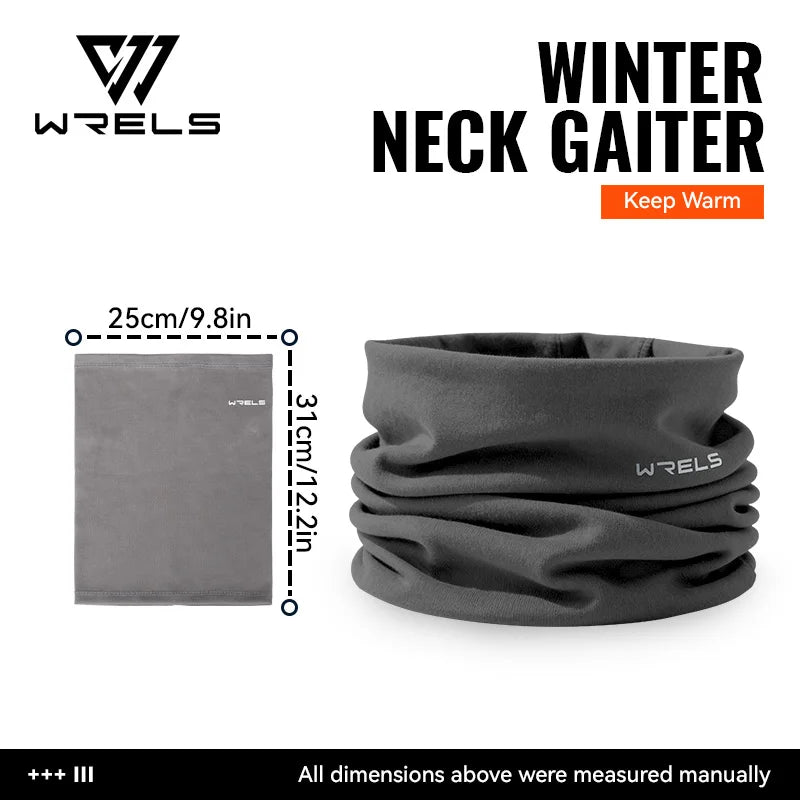
Slim winter neck gaiter under helmet for skiing and cycling. See how a low-profile design maintains helmet comfort.
How to Wear a Neck Gaiter Under a Helmet Step by Step
Layering Order Before Putting on Your Helmet
- Dress in your moisture-wicking base layer.
- Pull the neck gaiter over your head and smooth it around your neck.
- Put on your helmet without disturbing the gaiter.
- Fasten the chin strap and verify the helmet sits level.
- Adjust goggles or eyewear after the helmet is secured.
This approach minimizes bunching around the ears and keeps the gaiter from shifting as you move.
Adjusting the Gaiter for Airflow and Visibility
When using a neck gaiter under ski helmet or as a neck warmer under motorcycle helmet, avoid pulling the fabric too high across the nose unless conditions require it. Leaving a small ventilation gap helps reduce moisture buildup and visor or goggle fogging while maintaining warmth around the neck.
Choosing the Best Material for a Helmet-Friendly Neck Gaiter
Merino Wool for Warmth and Odor Control
Merino wool naturally regulates temperature, remains comfortable across changing conditions, and resists odor during multi-day trips. It performs particularly well for skiing, snowboarding, and winter hiking.
Fleece for Wind Protection in Extreme Cold
Fleece-lined models provide excellent insulation during long descents, motorcycle commuting, and windy chairlift rides. Look for slim fleece designs that avoid excessive bulk around helmet padding.
Polyester Blends for Lightweight Breathability
Synthetic polyester blends dry quickly and excel during high-intensity activities where sweat management matters. They're often the preferred breathable neck gaiter for helmet use among cyclists and runners because they combine stretch, airflow, and durability.
Neck Gaiter Compatibility by Helmet Type
Ski and Snowboard Helmets
Ski helmets leave part of the neck exposed while working closely with goggles. A slim insulated gaiter seals the gap between your jacket collar and helmet without interfering with ear pads or causing pressure beneath the helmet.
Motorcyclists experience sustained wind pressure even at moderate speeds. A neck warmer under motorcycle helmet should extend low enough to tuck inside the jacket collar while remaining thin around the chin strap to avoid discomfort on long rides.
Bicycle and Cycling Helmets
Cycling helmets prioritize airflow, making lightweight stretch or merino options the best choice. Riders generate substantial body heat, so breathable fabrics prevent overheating while still protecting against cold wind during descents.
5 Slim Neck Gaiter Options Compared
Instead of focusing only on materials, consider how each design performs with your helmet and activity level.
| Style | Warmth | Bulk | Breathability | Best Use |
|---|---|---|---|---|
| Fleece Windproof Gaiter | High | Low | Medium | Very cold skiing, motorcycle commuting |
| Lightweight Stretch Gaiter | Medium | Very Low | High | Cycling and active winter sports |
| Merino Wool Tube | Medium-High | Low | High | Long days with changing temperatures |
| Balaclava Style | Very High | Medium | Medium | Extreme cold with correctly fitted helmets |
| Convertible Neck Cover | Medium | Low-Medium | Medium-High | Variable weather and mixed activities |
If you want a streamlined solution specifically designed for cold-weather riding, explore the featured winter neck gaiter fleece windproof .
This style also pairs well with other cold-weather gear found in the Lifestyle collection.
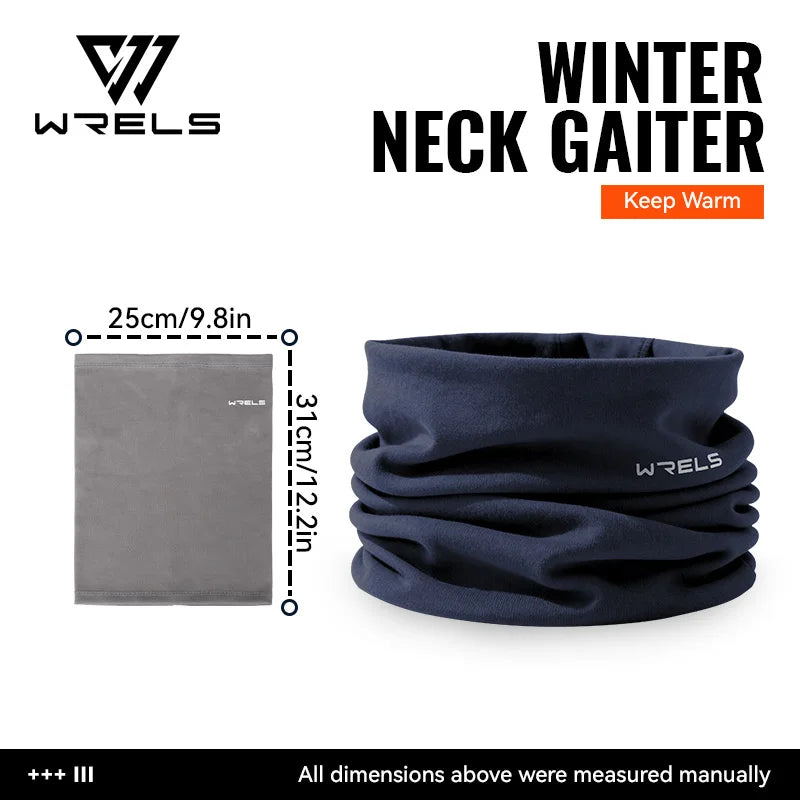
Compare neck gaiters and balaclavas to choose the best option for your helmet and riding conditions.
Scenario-Based Layering: Skiing, Snowboarding, Motorcycling
Skiing and Snowboarding
For lift-served skiing, choose a slim insulated winter neck gaiter under helmet that seals the collar area while remaining compatible with goggles. During milder conditions, pair a lightweight gaiter with breathable outerwear instead of adding bulky layers.
Motorcycling and Commuting
Cold air pressure increases dramatically with speed, making wind resistance a priority. A fleece-lined neck cover for cold weather riding reduces windburn while remaining comfortable beneath full-face or modular helmets.
Cold-Weather Cycling
Winter cyclists produce significant body heat. Lightweight, moisture-wicking fabrics outperform thick insulation because they regulate sweat while blocking direct airflow during descents. Convertible gaiters also make it easy to adjust coverage during changing conditions.
Choose a slim gaiter that works with your helmet—not against it.
Browse related cold-weather essentials in Body Care and Health Devices .
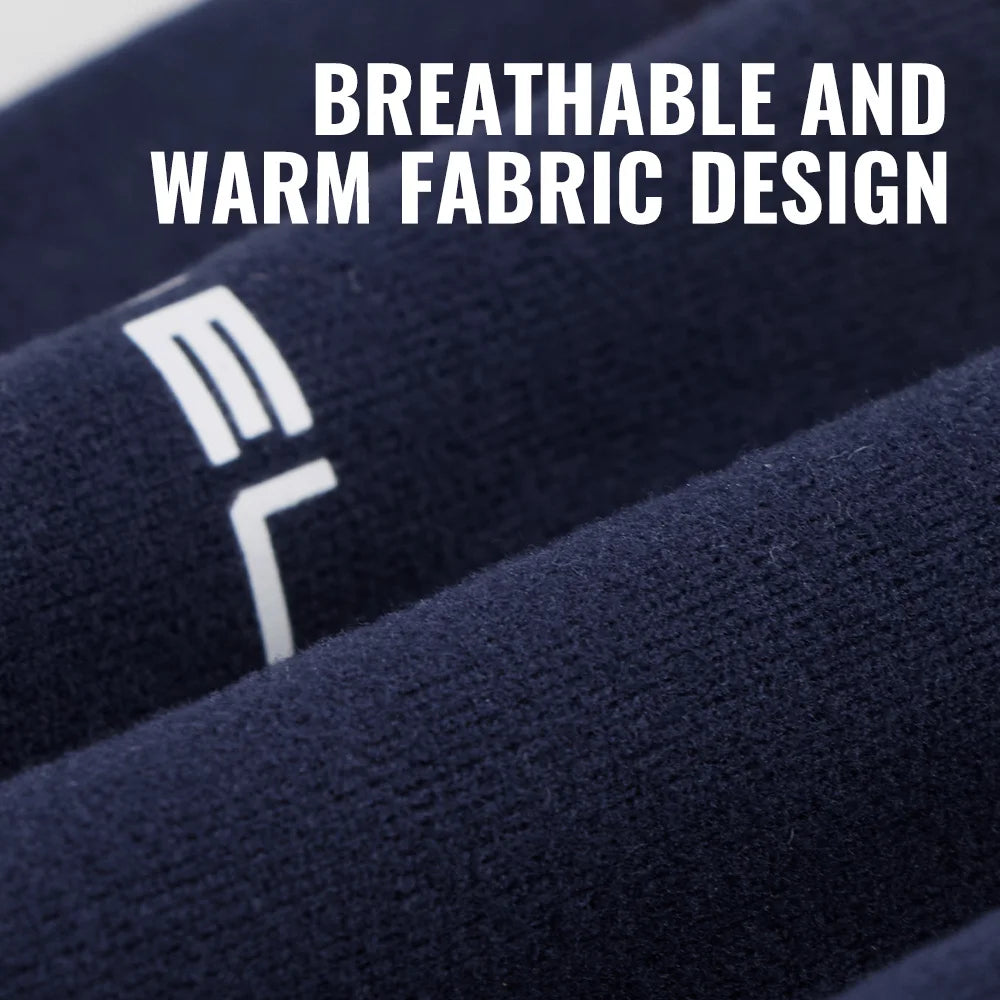
A properly fitted neck gaiter improves warmth without compromising helmet comfort.
Common Problems Wearing Neck Gaiters Under Helmets
Bunching Around the Neck and Chin
Extra fabric can create pressure points and push the helmet upward. Choose stretch materials with a close fit and smooth the gaiter before putting on your helmet.
Overheating During High-Intensity Activities
If you become too warm while climbing or cycling, switch to thinner synthetic or merino fabrics instead of thick fleece. Better moisture management keeps you warmer once activity levels decrease.
Helmet Fogging and Moisture Issues
Directing warm breath upward often causes goggles and visors to fog. Position the gaiter below the nose whenever practical and use breathable materials that release moisture efficiently.
Reduced Comfort From Poor Fit
If your helmet feels noticeably tighter after adding a gaiter, the fabric is likely too thick. Helmet retention and protection always take priority over additional insulation.
Quick FAQs
Can you wear a neck gaiter under a helmet?
Yes. A thin, properly fitted neck gaiter is designed to be worn beneath most ski, cycling, and motorcycle helmets without affecting comfort when helmet fit remains correct.
Does a neck gaiter affect helmet safety?
It should not, provided the gaiter does not alter helmet positioning, interfere with the chin strap, or make the helmet excessively tight. Always check helmet fit after adding winter layers.
Is a neck gaiter better than a balaclava under a helmet?
For most riders, yes. A neck gaiter offers less bulk and greater versatility, while a balaclava provides additional facial coverage for extreme cold. Choose based on weather and helmet fit.
Can a winter neck gaiter prevent windburn?
Yes. Covering exposed skin around the neck and jaw significantly reduces direct wind exposure and helps prevent windburn during skiing, cycling, and motorcycling.
What is the thinnest neck gaiter for wearing under a helmet?
Lightweight polyester or merino wool tubes are typically the thinnest options while still providing useful warmth and moisture management.
Should a neck gaiter go inside or outside helmet straps?
Helmet straps should rest directly against your face. Position the gaiter around your neck and below the strap system whenever possible to maintain proper helmet retention.
Is merino or synthetic fabric better under a helmet?
Merino excels in temperature regulation and odor resistance, while synthetic fabrics dry faster and perform better during high-intensity activities. The better choice depends on your climate and activity level.
How do I choose the right thickness?
Use thinner gaiters for active sports and milder temperatures. Reserve fleece-lined models for extremely cold weather or lower-intensity activities where insulation is more important than ventilation.
How to prevent helmet fogging with a neck gaiter?
Keep the gaiter below the bridge of your nose whenever possible and use breathable materials that reduce upward airflow toward goggles or visors.
Can a slim neck gaiter double as a face covering?
Yes. Many stretch and convertible designs can be pulled over the mouth and nose temporarily when additional warmth or wind protection is needed.
Try the winter neck gaiter fleece windproof while stock lasts.
Related Guide: Best Fleece Neck Gaiter Winter: Top Picks Compared













