

How can you stay warm while backpacking without carrying heavy gear?
Staying warm while backpacking is possible with smart layering, efficient shelter setup, high-calorie nutrition, and compact heat sources like a lightweight gas heater backpacking system. By improving circulation, blocking wind, and creating quick warmth bursts, hikers can maintain body heat comfortably without adding bulky clothing or excess pack weight.
⏱ 7 min readStaying Warm While Backpacking Without Heavy Gear
Cold nights don’t have to ruin your trip. Staying warm while backpacking isn’t about carrying more—it’s about using smarter systems. By combining heat retention, moisture control, efficient layering, and strategic warmth boosts, you can stay comfortable through cold nights without overloading your pack.
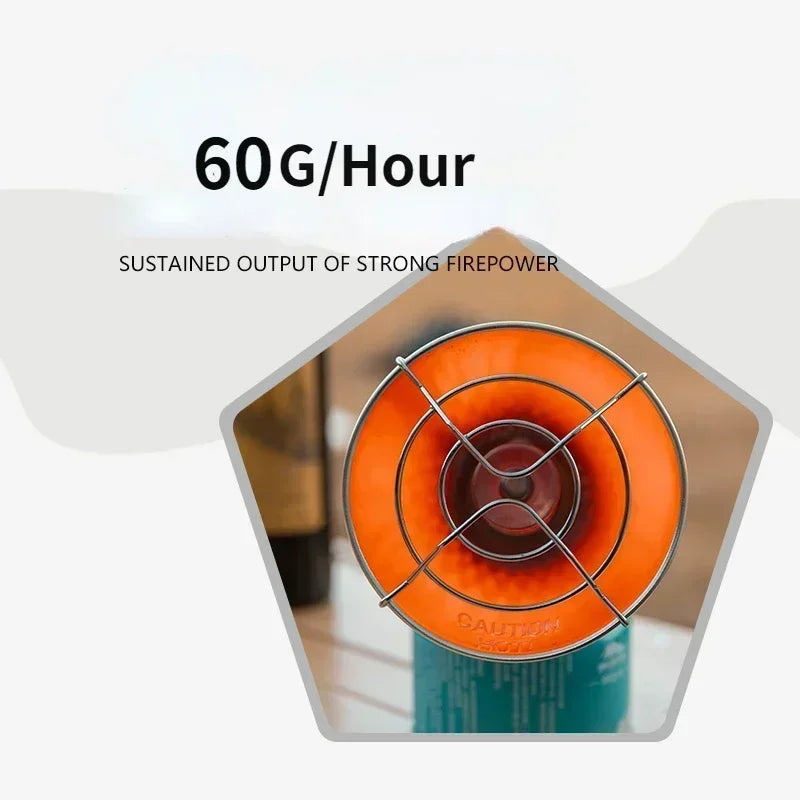
staying warm while backpacking made easier with compact heat — See it in action
Why Cold Hits Backpackers Harder Than Expected
Backpackers often underestimate cold because heat loss outdoors is constant, invisible, and amplified by wind, fatigue, and moisture. Understanding how your body loses heat is the foundation of staying warm without adding weight.
Heat Loss Mechanisms You Must Control
- Conduction: Heat lost to the ground when sitting or sleeping
- Convection: Wind stripping away body heat
- Radiation: Natural heat escaping into cold air
- Evaporation: Sweat cooling your body rapidly
Common Mistakes That Make You Colder
- Overdressing while hiking and sweating excessively
- Skipping proper ground insulation at camp
- Ignoring wind exposure when choosing a campsite
- Wearing damp clothing into your sleep system
The Ultralight Warmth System (Core Framework)
Staying warm without heavy gear is not about adding insulation—it’s about managing heat efficiently. This system maximizes warmth per gram carried.
Prioritize Heat Retention Over Heat Creation
Blocking wind, insulating from the ground, and trapping warm air is more effective than generating new heat.
Manage Moisture Aggressively
Sweat is the fastest path to getting cold. Adjust layers early to stay dry during movement.
Optimize Warmth-to-Weight Ratio
Think in systems, not items. A balanced layering setup plus an efficient sleep system outperforms bulky gear.
Use Strategic Heat Boosts
Short bursts of movement, warm drinks, or controlled heat sources can quickly raise core temperature.
Layering for Backpacking Warmth (Without Bulk)
A proper layering system adapts to changing conditions without adding unnecessary weight.
Base Layer: Moisture Control
Use moisture-wicking fabrics to keep sweat off your skin and prevent rapid cooling.
Mid Layer: Insulation Efficiency
Lightweight fleece or down traps heat effectively while remaining compressible.
Outer Layer: Wind & Weather Protection
A thin shell blocks wind and rain, dramatically increasing warmth.
Common Layering Mistakes
- Wearing too many layers instead of adjusting dynamically
- Ignoring ventilation during movement
- Relying on one heavy jacket instead of modular layers
Sleep System Optimization for Cold Nights
Most heat loss happens at night. Optimizing your sleep system is the highest-impact way to stay warm.
Sleeping Pad R-Value Strategy
Ground insulation is critical. Without it, even the best sleeping bag will fail.
Sleeping Bag Efficiency Hacks
- Sleep only in dry clothing
- Use a hat or buff to reduce heat loss
- Keep electronics and water inside your bag
Clothing vs Sleeping System Tradeoffs
Let your sleep system handle most of the insulation instead of packing extra clothing.
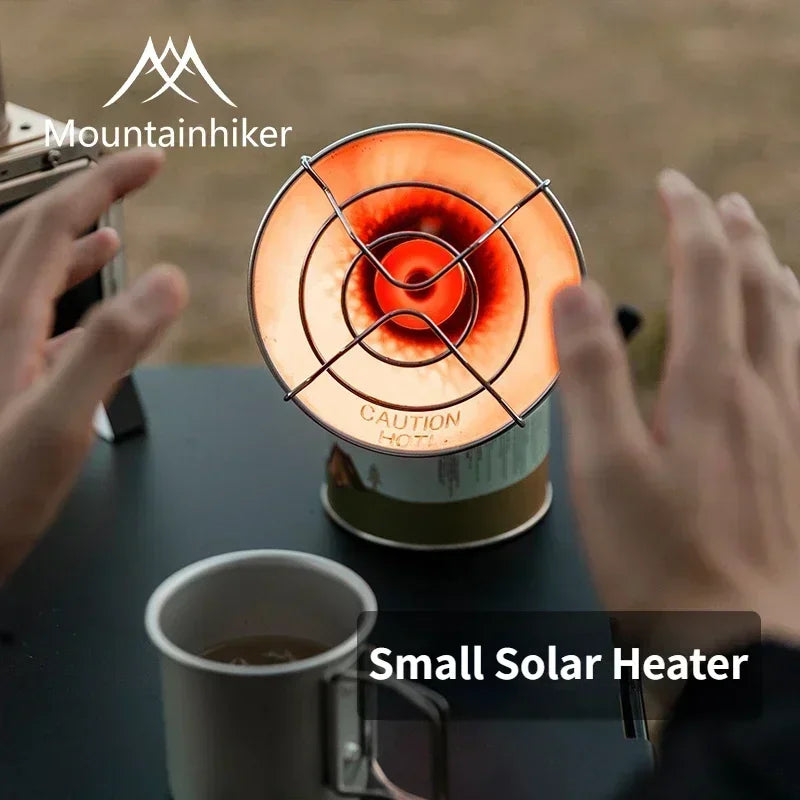
lightweight gas heater backpacking warmth boost — See it in action
Campsite Strategy That Keeps You Warmer
Your campsite choice can change your perceived temperature significantly without adding gear.
Wind Protection Positioning
Set up behind natural barriers like rocks, trees, or terrain features.
Ground Insulation Techniques
Avoid valleys where cold air settles. Use natural insulation like leaves if needed.
Shelter Setup for Heat Retention
Pitch your shelter low and tight to minimize airflow.
How to Keep Warm While Hiking (Day & Night Movement)
Movement is your most efficient heat source—but it must be controlled.
Regulating Heat While Moving
Start slightly cold and let your body warm up naturally.
Preventing Sweat-Freezing Cycles
Remove layers before climbs and add them back when stopping.
Night Hiking Warmth Tips
Maintain steady pacing and keep extremities covered.
Nutrition & Metabolic Heat Hacks
Your body generates heat from calories. Eating strategically improves warmth.
High-Calorie Foods That Generate Heat
Fats and complex carbs provide sustained heat production.
Pre-Sleep Eating Strategy
A calorie-dense snack before bed helps maintain warmth overnight.
Hydration and Warmth
Proper hydration supports circulation and heat distribution.
Extremities Protection (Hands, Feet, Face)
Your body prioritizes core warmth, causing extremities to cool first.
Why Extremities Get Cold First
Reduced blood flow to protect vital organs leads to faster heat loss in hands and feet.
Quick Warm-Up Protocol
- Swing arms to boost circulation
- Do short bursts of movement
- Keep extremities dry
Lightweight Gear Tricks
Use liner gloves, dry socks, and wind protection instead of bulky insulation.
Ultralight Warmth Tools (When Gear Is Worth It)
Technique matters most, but a few lightweight tools can improve efficiency.
When to Add Gear vs Use Technique
Add gear only when solving a specific weakness like ground insulation or wind exposure.
Minimalist Heat Tools
- Ultralight insulated pads
- Compact wind shells
- Lightweight thermal layers
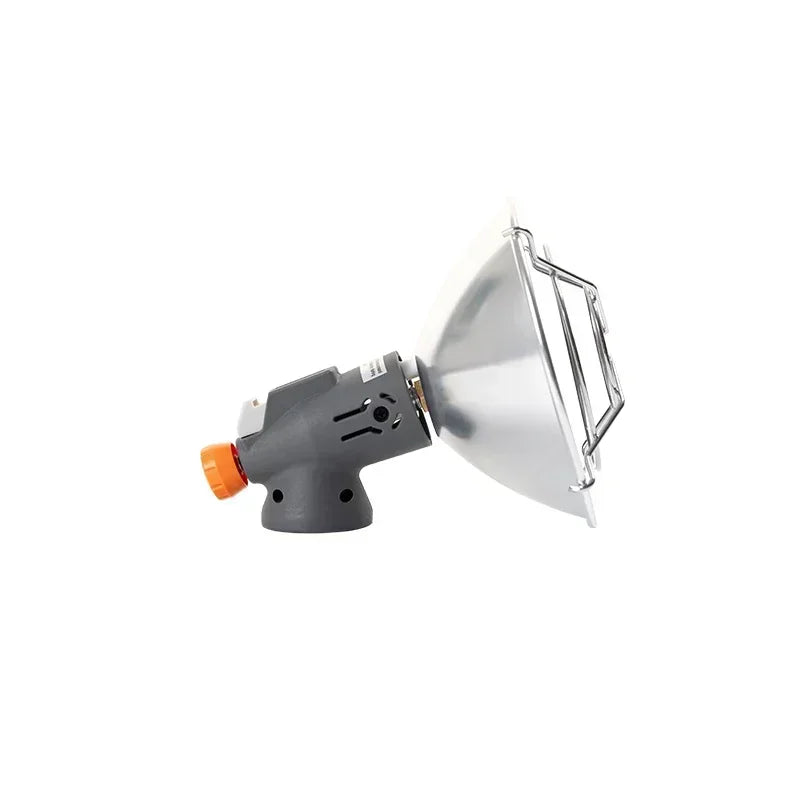
cold weather survival camping comfort — See it in action
Real Backpacker Experiences
“Dropped 3 pounds from my winter pack and slept warmer than ever.” — Mark T.
“Hands finally stayed warm after quick heat before bed.” — Lena R.
“No more bulky layers — just smarter warmth.” — Jason P.
Small, strategic changes consistently outperform heavy gear.
Warmth Mini-FAQ
Is staying warm while backpacking possible without heavy jackets?
Yes. A proper layering system combined with wind protection and moisture control is more effective than a single heavy jacket.
What is the most important factor for staying warm?
Heat retention—especially blocking wind and insulating from the ground—has the biggest impact.
Why do I feel colder after sweating?
Sweat evaporates and rapidly cools your body, increasing heat loss.
How much weight can ultralight warmth strategies save?
Many backpackers reduce pack weight by 20–40% by optimizing systems instead of adding gear.
For more lifestyle gear solutions, explore Lifestyle collections built for comfort and performance outdoors.
Related Guide: How to Stay Warm Camping in Freezing Nights
UPGRADE PLAN { "outline": [ { "action": "MODIFY", "h2": "How to Stay Warm Backpacking Without Heavy Gear", "h3": [], "focus": [ "Answer the primary question immediately", "Summarize core ultralight principles", "Set expectations for different temperatures", "Link techniques covered later" ], "keywords": [ "how to stay warm backpacking without heavy gear", "stay warm while backpacking" ] }, { "action": "KEEP", "h2": "Why Cold Hits Backpackers Harder Than Expected", "h3": [ "Heat Loss Mechanisms You Must Control", "Common Mistakes That Make You Colder" ], "focus": [ "Explain conduction, convection, radiation and evaporation", "Show why moisture accelerates heat loss", "Correct common misconceptions", "Introduce body heat conservation" ], "keywords": [ "how to retain body heat while backpacking", "backpacking cold weather tips" ] }, { "action": "ADD", "h2": "Plan Before the Trip for Maximum Warmth", "h3": [ "Check Weather and Wind", "Match Clothing to Temperature", "Build an Ultralight Warmth Checklist" ], "focus": [ "Weather planning", "Temperature-based preparation", "Pack only high-value insulation", "Avoid unnecessary weight" ], "keywords": [ "ultralight backpacking warmth tips", "ultralight cold weather gear" ] }, { "action": "KEEP", "h2": "The Ultralight Warmth System (Core Framework)", "h3": [ "Prioritize Heat Retention Over Heat Creation", "Manage Moisture Aggressively", "Optimize Warmth-to-Weight Ratio", "Use Strategic Heat Boosts" ], "focus": [ "Explain warmth hierarchy", "Balance efficiency and weight", "Reduce unnecessary gear", "Build a repeatable system" ], "keywords": [ "best ways to stay warm outdoors without bulky gear", "ultralight backpacking warmth tips" ] }, { "action": "MODIFY", "h2": "Layering for Backpacking Warmth Without Bulk", "h3": [ "Base Layer: Moisture Control", "Mid Layer: Insulation Efficiency", "Outer Layer: Wind & Weather Protection", "Temperature-Based Layering Examples", "Common Layering Mistakes" ], "focus": [ "Use adaptable layering", "Match layers to activity", "Prevent overheating", "Optimize clothing weight" ], "keywords": [ "layering for backpacking warmth", "lightweight backpacking clothing for cold weather" ] }, { "action": "KEEP", "h2": "Sleep System Optimization for Cold Nights", "h3": [ "Sleeping Pad R-Value Strategy", "Sleeping Bag Efficiency Hacks", "Clothing vs Sleeping System Tradeoffs" ], "focus": [ "Improve sleep insulation", "Increase warmth without heavier bags", "Reduce overnight heat loss", "Choose efficient combinations" ], "keywords": [ "how to stay warm camping without heavy gear", "backpacking cold weather tips" ] }, { "action": "KEEP", "h2": "Campsite Strategy That Keeps You Warmer", "h3": [ "Wind Protection Positioning", "Ground Insulation Techniques", "Shelter Setup for Heat Retention" ], "focus": [ "Select protected campsites", "Reduce wind exposure", "Improve ground insulation", "Maximize shelter efficiency" ], "keywords": [ "how to stay warm camping without heavy gear", "stay warm while backpacking" ] }, { "action": "MODIFY", "h2": "Stay Warm While Hiking During the Day and at Night", "h3": [ "Regulating Heat While Moving", "Preventing Sweat-Freezing Cycles", "Rest Break Strategies", "Night Hiking Warmth Tips" ], "focus": [ "Maintain steady body temperature", "Avoid cooling during breaks", "Control sweat", "Adapt after sunset" ], "keywords": [ "how to keep warm hiking at night", "stay warm while backpacking" ] }, { "action": "KEEP", "h2": "Nutrition and Hydration for Natural Heat Production", "h3": [ "High-Calorie Foods That Generate Heat", "Pre-Sleep Eating Strategy", "Hydration and Warmth" ], "focus": [ "Support metabolic heat", "Time meals effectively", "Stay hydrated", "Avoid energy crashes" ], "keywords": [ "how to retain body heat while backpacking", "backpacking cold weather tips" ] }, { "action": "KEEP", "h2": "Extremities Protection (Hands, Feet, Face)", "h3": [ "Why Extremities Get Cold First", "Quick Warm-Up Protocol", "Lightweight Gear Tricks" ], "focus": [ "Protect high-risk areas", "Restore circulation", "Use lightweight solutions", "Prevent heat loss" ], "keywords": [ "stay warm while backpacking", "ultralight cold weather gear" ] }, { "action": "MODIFY", "h2": "Lightweight Gear That Delivers the Biggest Warmth Gains", "h3": [ "When to Add Gear vs Use Technique", "Highest Warmth-to-Weight Upgrades", "Items You Can Leave Behind" ], "focus": [ "Prioritize efficient gear", "Avoid bulky equipment", "Compare technique vs gear", "Reduce pack weight safely" ], "keywords": [ "ultralight cold weather gear", "best ways to stay warm outdoors without bulky gear" ] }, { "action": "REMOVE", "h2": "Real Backpacker Experiences", "h3": [], "focus": [], "keywords": [] }, { "action": "ADD", "h2": "Emergency Warming Techniques and Warning Signs", "h3": [ "What to Do if You Start Getting Cold", "Recognize Early Hypothermia", "When to Stop and Seek Shelter" ], "focus": [ "Immediate warming actions", "Safety-first decision making", "Recognize danger", "Prevent escalation" ], "keywords": [ "backpacking cold weather tips", "how to retain body heat while backpacking" ] }, { "action": "ADD", "h2": "Common Myths About Staying Warm Backpacking", "h3": [ "More Layers Always Mean More Warmth", "Sleeping in Too Many Clothes", "Alcohol Keeps You Warm" ], "focus": [ "Correct misconceptions", "Explain evidence-based practices", "Improve decision making", "Avoid unsafe habits" ], "keywords": [ "stay warm while backpacking", "ultralight backpacking warmth tips" ] } ], "internal_links": [ "Layering systems for backpacking", "Sleeping pad R-value guide", "Backpacking clothing materials comparison", "How to choose a backpacking sleeping bag", "Cold weather camping checklist", "Hypothermia prevention basics" ], "faq": [ "How cold can you backpack without a heavy jacket?", "What is the lightest way to stay warm while backpacking?", "Is layering better than carrying one heavy coat?", "How do you stay warm in a tent without extra blankets?", "What should you eat to stay warm while backpacking?", "How do you prevent getting cold after sweating on a hike?" ], "trim": [ "Real Backpacker Experiences" ] } Approved linked products: - Explore the portable gas heater hikers love (/products/portable-camping-gas-heater-stove) - see the heater in action (/products/portable-camping-gas-heater-stove) - Get your portable camping heater now — limited stock! (/products/portable-camping-gas-heater-stove) Product Rules - Keep all approved products. - Only approved products may contain affiliate links. - You may add real competitor products when useful. - Competitor products must not contain links unless already present. - Only create comparison tables when they genuinely improve the article. RULES - Apply every instruction in the Upgrade Plan. - Keep all existing affiliate links unchanged. - Keep all existing internal links unchanged. - Keep all existing image URLs unchanged. - Preserve sections such as Related Articles, Related Posts and Recommended Reading. - Avoid duplicate headings. - Insert new sections only where specified. - Improve clarity, topical coverage, EEAT and readability. - Expand weak sections only when required. - Use natural keyword placement. - Keep semantic HTML clean. YEAR UPDATE If visible article text contains "2005", replace it with "2026". Do not modify years inside: - URLs - href attributes - image filenames OUTPUT REQUIREMENTS Return ONLY the final upgraded HTML article. The output must be valid HTML and ready to publish. Do NOT return: - Markdown - Explanations - Notes - Code fences - JSON - XML Return the HTML beginning with the first HTML element and ending with the last HTML element.












