

Does worn out shoe support cause pain?
Yes. Worn out shoe support can contribute to foot, knee, hip, and lower back pain because it changes how your feet absorb impact and maintain alignment. As midsoles compress and arch support flattens, your feet receive less stability with every step.
Instead of distributing pressure evenly, your muscles, tendons, and joints must compensate for the lost support. Over time, this altered movement pattern can lead to worn out shoes foot pain, increase the risk of worn out shoes knee pain, and make everyday walking or standing feel noticeably more tiring.
The good news is that not every pair needs replacing immediately. If the shoe's upper, heel counter, and outsole remain structurally sound, replacing worn insoles or adding supportive inserts may restore comfort. However, shoes with collapsed midsoles, severe heel tilt, or major structural damage should generally be replaced rather than repaired.
Worn Out Shoe Support Fixes You Can Do Today
If your steps feel heavier, your knees ache after short walks, or your feet burn by afternoon, worn out shoe support may be the hidden cause. The frustrating part is that support often disappears long before the shoe looks damaged. This guide explains how to identify support failure, decide whether a repair is worthwhile, and choose practical fixes that improve comfort without replacing shoes unnecessarily.
⏱ 6 min read
Discover how small support changes can make walking feel lighter again.
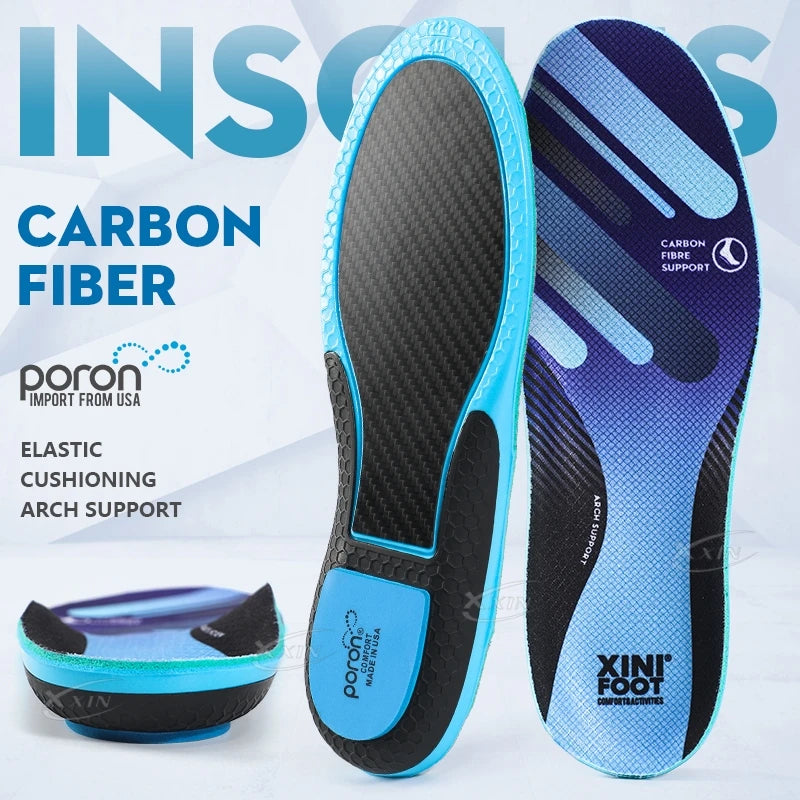
Worn out shoe support signs often appear before visible damage — See it in action
Signs of Worn Out Shoe Support (Quick Diagnosis Guide)
Visual signs your shoe support is failing
- Flattened or permanently compressed midsoles that no longer rebound
- Uneven outsole wear, especially along one heel edge
- Deep creases through the midsole foam
- Heel counter leaning inward or outward
- Shoes sitting unevenly on a flat surface
Feel-based symptoms (foot, ankle, knee pain)
- Feet feel tired much sooner than before
- Arch pain during walking or standing
- Heel soreness or pressure points
- Knee discomfort that improves when wearing newer shoes
- Reduced stability on uneven ground
Simple at-home support tests
- Press test: Press the midsole with your thumb. Foam that stays compressed has likely lost its cushioning.
- Twist test: Excessive twisting may indicate reduced structural support.
- Balance test: Stand on one foot while wearing the shoes. Increased wobbling compared with newer shoes can suggest support loss.
Why Shoe Support Breaks Down Over Time
Compressed midsoles
The midsole absorbs thousands of impacts during normal walking. Over months of use, foam gradually loses elasticity, reducing shock absorption and energy return even if the outsole still looks acceptable.
Flattened insoles and arch support
Factory insoles are often the first components to compress. Once flattened, they provide less arch support and allow pressure to concentrate under the heel and forefoot.
Heel collapse and outsole wear
Repeated loading can weaken the heel counter while uneven outsole wear changes how your foot contacts the ground. Together, these changes reduce stability and alter your natural gait.
How Worn Out Shoe Support Triggers Foot and Knee Pain
Common foot fatigue symptoms to watch for
- Aching arches after light activity
- Burning beneath the ball of the foot
- Heel soreness after walking or standing
- Feet feeling unusually tired at the end of the day
Why poor support affects knees and posture
When support breaks down, your foot may roll inward or outward more than intended. These small changes affect the entire kinetic chain, increasing stress on the ankles, knees, hips, and lower back.
While worn shoes do not cause every case of joint pain, replacing degraded support is often a simple step that reduces unnecessary strain before discomfort becomes persistent.
Step-by-Step Shoe Support Check at Home
- Inspect the insole: Remove it and look for flattened areas, permanent indentations, or worn-through fabric.
- Check midsole rebound: Press firmly into the foam. Healthy midsoles recover quickly, while worn foam remains compressed.
- Evaluate heel stability: Place the shoes on a flat table. A leaning heel often indicates structural wear.
- Test shoe flexibility: Shoes should flex naturally at the forefoot but resist twisting through the middle.
- Compare both shoes: Significant differences between left and right may reflect gait imbalance or uneven wear.
If multiple tests indicate support failure but the shoe remains structurally intact, you may be able to improve shoe support at home with replacement insoles or supportive inserts.
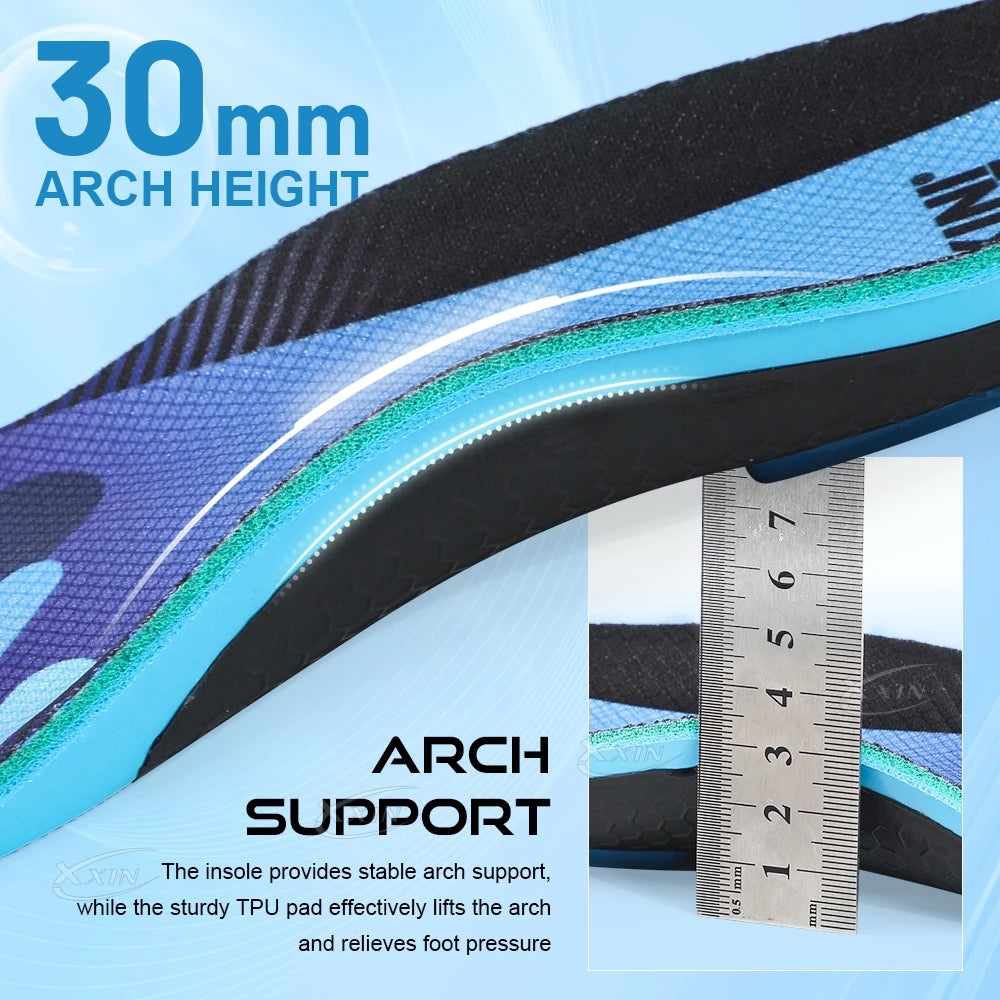
Checking shoe support at home helps determine whether repair or replacement is the better option.
DIY Shoe Support Fixes You Can Do at Home
Replace worn insoles
Replacing compressed insoles is often the most effective low-cost shoe support fix. Choose a supportive insole with appropriate arch height instead of relying on soft foam alone.
Add arch support or heel cups
- Arch support inserts help improve foot alignment.
- Heel cups stabilize rearfoot movement and reduce impact.
- Pressure-relief pads may improve comfort for localized sore spots.
Restore cushioning where possible
Although dead midsoles cannot be restored completely, quality cushioning inserts can reduce impact and improve comfort while extending the useful life of shoes that remain structurally sound.
Improve shoe fit and stability
Proper lacing techniques, replacing stretched laces, and ensuring the heel fits securely can improve stability without modifying the shoe itself.
When Replacing Insoles Is Enough
Replacing insoles is often sufficient when:
- The outsole still has good traction.
- The heel counter remains firm.
- The shoe sits level on a flat surface.
- The upper is in good condition.
- Only the factory insole has become compressed.
For added rigidity and support, many people choose structured options such as carbon fiber insoles , especially when the shoe itself remains in good condition but the original support has deteriorated.
Supportive recovery tools in Body Care and Health Devices can also complement healthy movement habits.
When Shoe Support Cannot Be Repaired
Some shoes simply reach the end of their service life. Replacement is generally the safer option when you notice:
- Completely collapsed midsoles with no rebound.
- Heel counters that no longer hold shape.
- Visible cracks through the midsole.
- Severe outsole wear affecting traction.
- Shoes leaning noticeably to one side.
Adding insoles cannot restore structural integrity once these components fail. Continuing to wear severely worn shoes may increase discomfort and reduce walking stability.
Fix Support or Replace Shoes? (Decision Framework)
| Condition | Repair | Replace |
|---|---|---|
| Compressed factory insole | ✓ | |
| Minor cushioning loss | ✓ | |
| Heel leaning sideways | ✓ | |
| Collapsed midsole | ✓ | |
| Cracked or unstable shoe structure | ✓ |
In general, repairing support makes sense when only removable components have worn out. Once the shoe's structural elements fail, replacement provides better comfort, safety, and long-term value.
Repair Solutions by Shoe Type
Running shoes
Running shoes experience the highest impact loads. Replace insoles early, monitor midsole rebound regularly, and retire shoes once cushioning no longer recovers.
Walking and casual shoes
Supportive replacement insoles often extend the useful life of casual footwear when the outsole and upper remain in good condition.
Work shoes
People who stand all day benefit most from firm arch support, durable heel stability, and rotating multiple pairs throughout the workweek.
How to Choose the Right Replacement Insole
Arch height
Select an arch profile that matches your natural foot shape. Overly aggressive support may feel uncomfortable, while insufficient support may not improve alignment.
Cushioning level
Choose moderate cushioning that absorbs impact without becoming unstable. Extremely soft foam may feel comfortable initially but often compresses quickly.
Activity type
Running, work, hiking, and everyday walking place different demands on footwear. Select an insole designed for your primary activity rather than using one universal option for every shoe.
Daily Habits That Protect Shoe Support Longer
- Rotate between at least two pairs of shoes.
- Allow shoes to air dry after heavy use.
- Avoid crushing the heel when taking shoes off.
- Replace worn insoles before the shoe structure deteriorates.
- Inspect midsoles every few months if you walk or stand daily.
These simple habits help preserve cushioning, improve shoe support at home, and delay unnecessary replacements.
Upgrade daily comfort with reinforced support today.
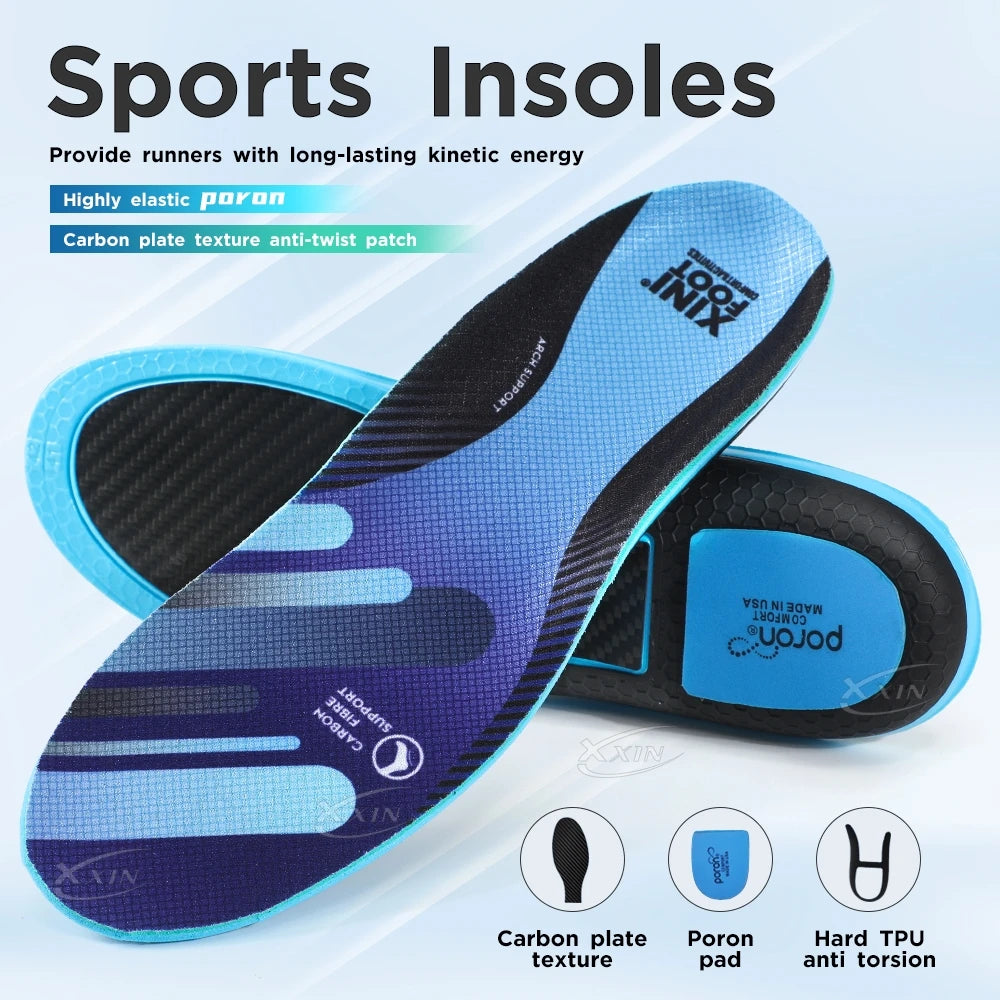
Reinforced shoe support can improve comfort, balance, and walking confidence.
Frequently Asked Questions
How long does shoe support usually last?
For many athletic shoes, effective support begins declining after roughly 300 to 500 miles of use. Walking surfaces, body weight, and activity level can shorten or extend this lifespan.
Can worn out shoe support really affect knees?
Yes. Reduced support changes how force travels through the foot and leg, which may increase stress on the knees in some individuals.
Is an insert enough or do I need new shoes?
If only the insole has worn out and the shoe remains structurally stable, a supportive replacement insert is often sufficient.
How do I know if my shoe midsole is dead?
Persistent compression, deep creases, poor rebound, and reduced comfort are common signs that the midsole has reached the end of its useful life.
Can insoles fully fix worn out shoes?
No. Insoles improve comfort and support but cannot repair collapsed midsoles, broken heel counters, or other structural damage.
How often should I replace shoe support?
Inspect your shoes every few months if you wear them daily. Replacing insoles before complete support failure often extends overall shoe life.
Can worn out shoe support be repaired permanently?
No. Insoles and inserts can restore comfort, but once the shoe's structural components have broken down, replacement is the only permanent solution.
What part of a shoe loses support first?
The removable insole and foam midsole usually compress before the upper or outsole shows significant wear.
Can replacing insoles fix knee pain from worn shoes?
Replacing insoles may reduce knee discomfort if inadequate support is contributing to poor alignment. However, persistent knee pain should be evaluated by a healthcare professional.
How can I improve shoe support at home without buying new shoes?
Replace worn insoles, improve shoe fit with proper lacing, rotate shoes regularly, and monitor heel stability. These steps can improve comfort when the shoe structure remains intact.
How long do replacement insoles last?
Most quality replacement insoles last between six and twelve months, depending on walking distance, body weight, and daily use.
When should I replace shoes instead of repairing them?
Replace shoes when the midsole has collapsed, the heel leans noticeably, the outsole is excessively worn, or structural stability has been lost.
Related Guide: How to Improve Foot Stability With Insoles Step by Step













