

Does at home radiofrequency skin tightening really work?
Answer: Yes — at home radiofrequency skin tightening uses controlled radiofrequency energy to stimulate collagen and elastin production, improving firmness and reducing mild sagging over weeks. Regular sessions with a quality rf facial device home can deliver noticeable lifting and smoother texture without in-office downtime.
⏱ 12 min readAt Home Radiofrequency Skin Tightening Benefits: Why This Tech Works Best
Are you tired of long clinic waits, expensive treatments that deliver mixed results, or skincare routines that don’t visibly lift sagging skin? If so, at home radiofrequency skin tightening offers a practical path to firmer, smoother skin using targeted heat energy that supports collagen renewal. Read on to learn how radiofrequency skin therapy can fit into your routine, what realistic results look like, and which device features matter most for lasting improvement.
Explore complementary devices and treatments that support overall facial confidence.

at home radiofrequency skin tightening — 💡 See it in action. Check product details
What is at home radiofrequency skin tightening?
Direct answer: at home radiofrequency skin tightening delivers controlled radiofrequency energy into superficial skin layers to stimulate collagen and elastin, increasing firmness and reducing the appearance of mild sagging. Consistent use with an rf facial device home yields gradual lift and improved texture within weeks.
At its core, radiofrequency (RF) skin therapy uses electromagnetic waves to generate gentle heat in the dermis. That heat triggers a natural wound-healing response — new collagen fibres form and existing fibres contract — leading to firmer, tighter skin. Home devices are calibrated for safety and repeated use, offering a convenient way to maintain results between professional sessions or as a primary regimen for mild to moderate laxity.
Why this technology works better than alternatives
Here’s why radiofrequency often outperforms passive topical-only approaches and many single-mode tools:
- Targets structural tissue: RF penetrates below the surface where collagen and elastin live, not just the outer dead layer.
- Stimulates a biological response: Heat triggers collagen remodeling rather than temporarily masking sagging.
- Consistent, repeatable protocol: Home devices allow regular treatments at safe intensities for cumulative benefit.
- Comfort & minimal downtime: Compared with aggressive in-office procedures, RF is well tolerated and quick to recover from.
Which style suits you best? Read on!
Key features to look for in an rf facial device home
When evaluating devices, check for the following technologies and usability features that directly impact outcomes:
- Frequency & power control: Look for adjustable intensity and multiple frequency bands to tailor energy delivery to different areas (cheeks vs jawline).
- Temperature monitoring: Real-time sensors help keep dermal heat in the effective but safe zone.
- Multiple modes: Combining RF with EMS (electrical muscle stimulation), LED, or ultrasound can amplify results across tone and texture.
- Ergonomic head design: Contoured applicators and different head sizes improve contact and energy uniformity.
- Battery life and usability: Cordless operation and a clear display make at-home routines less of a chore.
Comparison table — pick the right features
| Feature | Why it matters | Recommended |
|---|---|---|
| Adjustable intensity | Customize for sensitivity zones and progressive improvement | Yes |
| Temperature sensor | Safety + consistent results | Highly recommended |
| Multi-mode (EMS/LED) | Combines firming with tone and glow | Beneficial |
Top benefits: firmness, texture, confidence
Below are concrete advantages people report when they commit to a measured at home rf treatment plan:
- Improved skin firmness: Noticeable tightening of mild sagging around jawline and lower face.
- Smoother texture: Pore appearance reduces and skin feels denser.
- Non-invasive lift: A lifted look without needles or surgical recovery.
- Time-efficient sessions: Typical treatments last 8–20 minutes and fit into weekly routines.
- Cost-effective over time: One device replaces recurring clinic visits for maintenance-level improvement.
Follow the usage guide below to maximize each session.
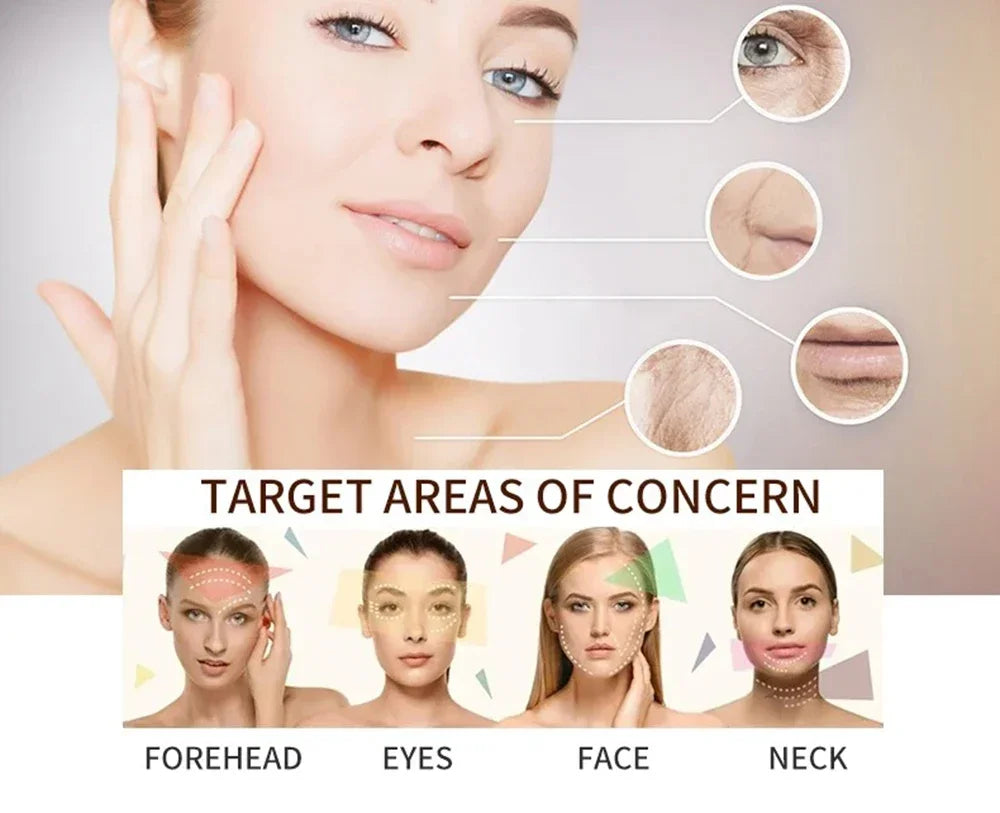
radiofrequency skin therapy in daily routines — 💡 See it in action. Explore the product
Real results: what to expect and when
Realistic expectations are essential. At-home RF is cumulative — improvements appear gradually as collagen remodelling progresses.
- Immediate: Mild skin tightening sensation during treatment and temporary tone from tissue contraction.
- 2–6 weeks: Noticeable textural improvements and firmer feeling as collagen production ramps up.
- 8–12 weeks: More discernible lift in contours and reduced appearance of mild sagging for many users.
- Maintenance: Monthly sessions after initial course help preserve results.
Important: Outcomes depend on age, baseline laxity, frequency of sessions, and device energy. For moderate-to-severe laxity, in-office professional options may be recommended in combination with at-home maintenance.
How to use your at home rf treatment — step-by-step
Follow a consistent protocol for safe, effective use. Below is an ordered list you can follow each week:
- Cleanse thoroughly and pat dry — remove oils and makeup to maximize contact.
- Apply a conductive gel or serum if manufacturer recommends it; this improves energy transfer.
- Start at the lowest intensity for the first session to assess tolerance.
- Move the applicator slowly across each treatment zone for the recommended time (usually 2–5 minutes per area).
- Use circular or upward strokes; avoid prolonged stationary heat over one spot.
- Finish with a soothing moisturizer and sunscreen during the day.
- Repeat sessions per device guidance — commonly 1–3 times per week for 6–12 weeks as an initial course.
Quick usage checklist
- Patch test on inner jaw for first-time users
- Hydrate and avoid alcohol within 24 hours if your skin is reactive
- Log sessions and take before/after photos to track subtle changes
Compare: at-home RF vs other firming methods
Here’s a neutral comparison to help you decide which path fits your goals:
| Method | Downtime | Typical cost | Best for |
|---|---|---|---|
| At-home RF | None | One-time device purchase | Mild–moderate sagging, maintenance |
| Clinic RF / thermage | Short (1–7 days possible redness) | High per session | Moderate sagging, faster results |
| Microneedling | Several days | Low–medium per session | Texture, scars, moderate collagen induction |
| Surgical lift | Weeks | High | Severe laxity, structural correction |
Safety essentials and troubleshooting
Safe use is straightforward when you follow device instructions. Key safety points:
- Avoid use over broken skin, active infections, or inflammatory conditions.
- Do not use if pregnant, breastfeeding, or if you have implanted electrical devices (e.g., pacemaker) unless cleared by a clinician.
- Reduce intensity if you experience persistent pain, long-lasting redness, or blistering.
- Consult a dermatologist if you have concerns about scarring, rosacea, or connective tissue disorders.
Why this product fits the solution path
Direct answer: The KentDO EMS 6in1 facial massager combines radiofrequency skin therapy with EMS and supporting modalities to address tone, texture, and mild sagging at home — delivering multi-targeted benefits you can maintain weekly.
The ideal at-home device combines reliable RF energy with usability features that encourage consistent use. Models that pair RF with EMS can influence both collagen synthesis (RF) and superficial muscle tone (EMS). A multi-mode device reduces the number of separate steps in your routine and improves adherence, which is often the single greatest determinant of success with at-home protocols.
For shoppers comparing devices, consider how a device integrates into daily life: is it easy to hold, does it have clear intensity controls, and does it include the treatment heads for jawline, under-eye, and broader face areas? These small design choices shape long-term results.
Pros & Cons
| Pros | Cons |
|---|---|
|
|
User stories & social proof
Here are representative examples from regular users (anonymized and paraphrased):
“After 8 weeks of twice-weekly sessions, the lower face looked firmer and my jawline felt tighter. No downtime and simple to use.” — A., 47
“I add a 10-minute RF session to my evening routine. Texture is smoother and makeup sits better.” — M., 35
Before/after photos and session logs help quantify subtle progress. Many users report the combination of RF + EMS modes gives the fastest perceptible change compared to RF alone.
Ready for an at-home upgrade? Click through to see the KentDO device and accessories.
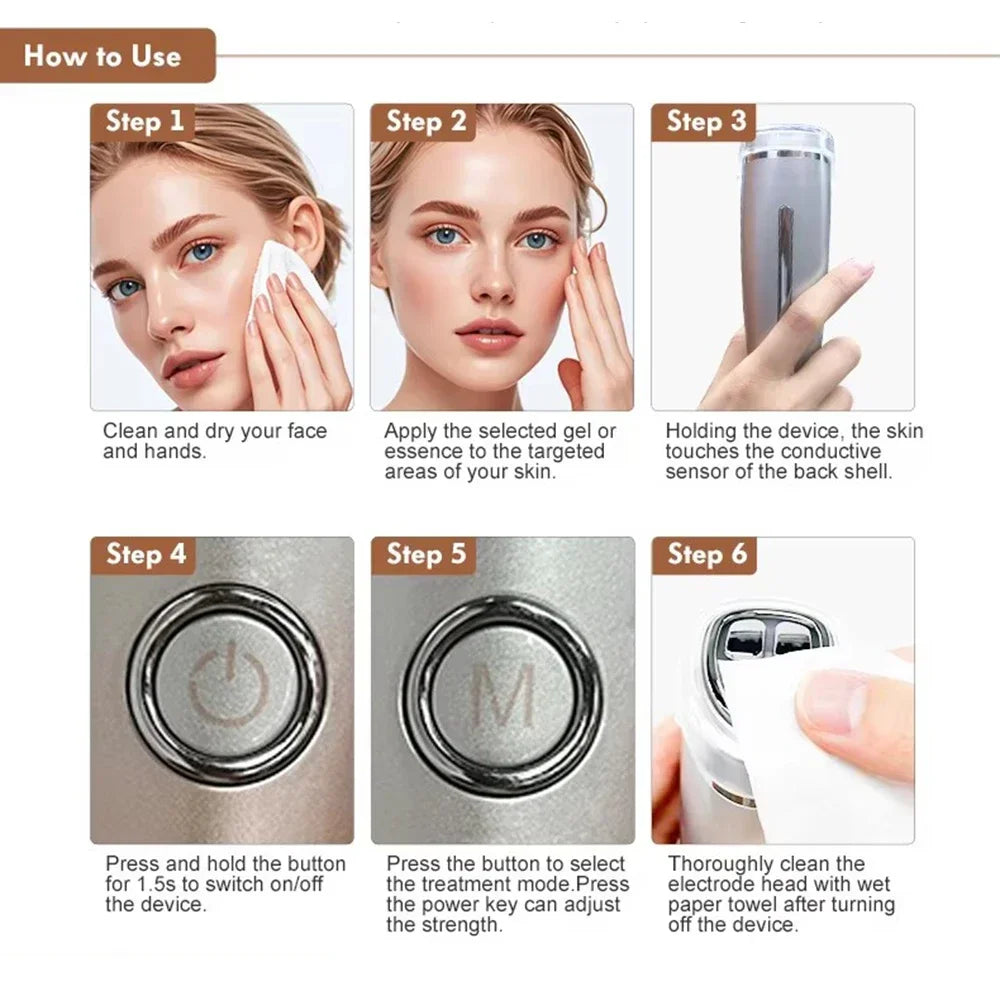
rf facial device home — real results and routines. View product
Buying guide & urgency
When evaluating pricing, think across 12–24 months: a well-made device amortizes over many maintenance sessions and may cost less than repeated clinic treatments. Look for clear warranty, return policy, and easy-to-contact support.
- Check included accessories (charging dock, extra heads)
- Verify replacement part availability
- Look for bundled guides that explain treatment cadence
Where to continue browsing related solutions: If you want devices for other routines or complementary tools, explore the Skin and Beauty Care Devices collection and the Body Care and Health Devices collection for multi-use devices that expand your regimen.
Mini FAQ (schema-ready)
How often should I use at home radiofrequency skin tightening?
Most manufacturers recommend 1–3 sessions per week during an initial 6–12 week course, then monthly maintenance. Always follow the device-specific instructions and adjust intensity based on tolerance.
Is at home radiofrequency skin tightening safe for all skin tones?
Radiofrequency treats skin by heat and is broadly safe across skin tones because it doesn’t target pigment. However, follow device guidelines and patch-test if you have sensitive or reactive skin.
Can I use RF devices under the eyes?
Some devices include a small applicator for the periorbital area; choose low intensity and short duration for this delicate skin. Do not use over the eyelid or close to the eyeball itself unless the device explicitly permits it.
Final thoughts — is this the right path for you?
If you want to improve mild sagging and boost firmness without downtime, at home radiofrequency skin tightening provides a credible, science-based option. Success depends on device quality, consistent sessions, and realistic expectations. For structural correction or pronounced laxity, combine at-home therapy with a consultation from a skincare professional.
Ready to try a thoughtfully designed multi-mode device? See the KentDO EMS 6in1 facial massager for controlled radiofrequency skin therapy and supportive modes that make at-home maintenance simple: KentDO EMS 6in1 Facial Massager.
Note: Individual results vary. Follow manufacturer guidance and consult a medical professional for specific medical conditions.
Related Articles:
- Loose Skin on Face: How Advanced At-Home Devices Improve Lift and Bounce
- RF Skin Tightening at Home: The Science Behind Smoother, Firmer Skin
Pillar Articles:













