

Does RF skin tightening at home really work?
Answer: RF skin tightening at home uses controlled radiofrequency energy to heat the dermis, stimulate collagen and elastin production, and firm tissues over weeks. Using quality rf tightening at home devices with consistent protocols can reduce sagging and improve texture safely, delivering visible, gradual tightening without downtime.
⏱ 8 min readRF Skin Tightening at Home: The Science Behind Smoother, Firmer Skin
Worried your skin looks tired, loose, or like it’s lost the “bounce” it used to have? You’re not alone. Aging, sun exposure, and stress break down collagen — the scaffolding that keeps skin firm. The good news: rf skin tightening at home tools offer a noninvasive path to rebuild collagen, firm contours, and refresh texture without lengthy appointments. Read on to see how these devices deliver professional-style tightening from your bathroom counter.
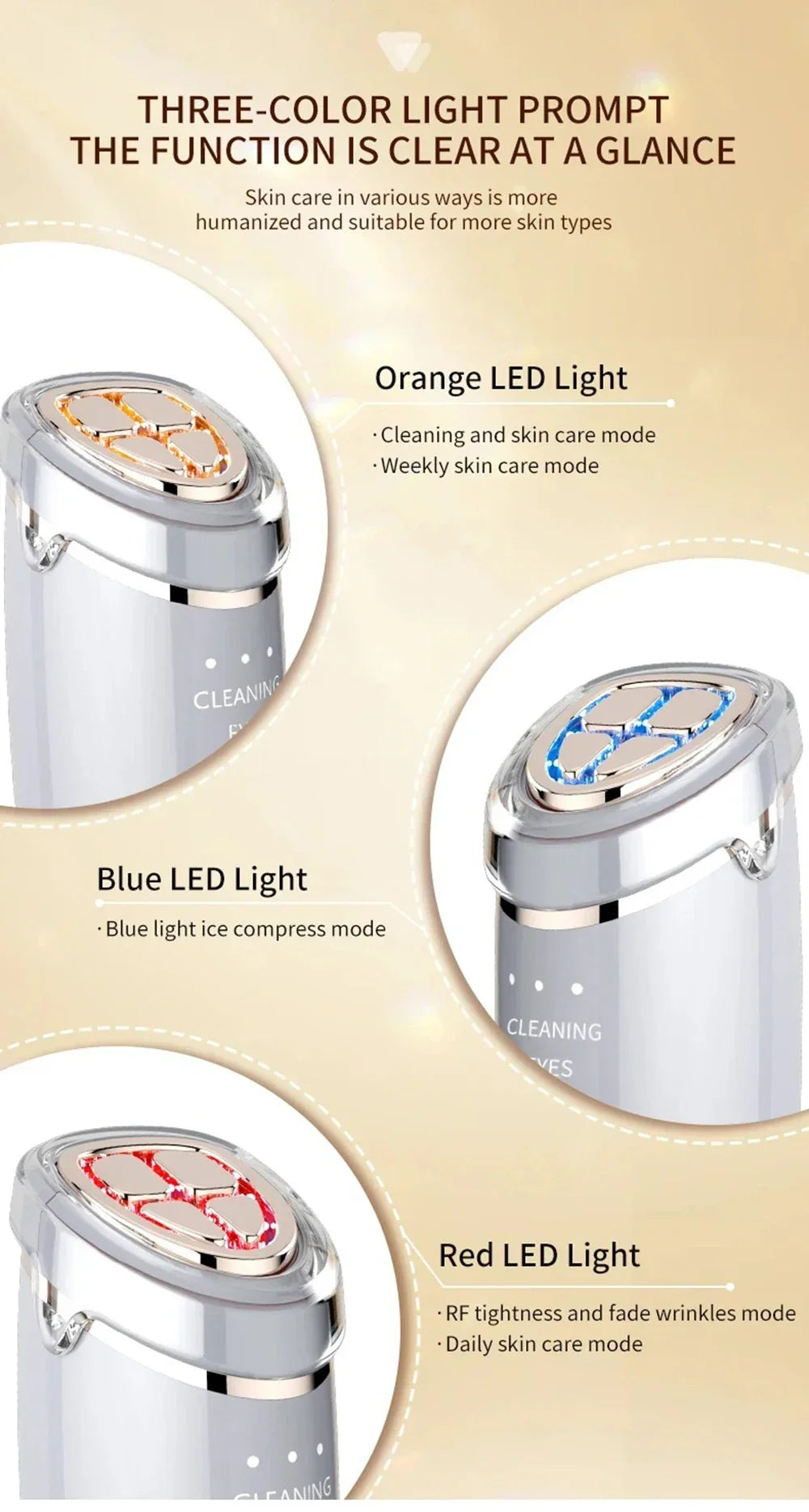
rf skin tightening at home — 💡 See it in action — Shop the KentDO EMS 6-in-1 Facial Massager
How does rf tightening at home actually work?
Direct answer: rf skin tightening at home uses focused radiofrequency energy to heat deeper dermal layers, prompting fibroblasts to produce more collagen and elastin. Repeated sessions create gradual tissue contraction and improved tone, reducing laxity and fine lines over 6–12 weeks.
The physics in plain language
- Radiofrequency penetrates to the dermis and subdermal layers without harming the surface when used properly.
- Targeted heating (usually 40–45°C) triggers a wound-healing cascade that rebuilds structural proteins.
- Over time new collagen fibers form and existing fibers tighten, leading to firmer skin.
Which style suits you best? Read on!
Why this at-home approach beats (many) alternatives
Compared with creams, gua sha, or quick-fix gadgets, well-designed rf tightening at home devices offer measurable structural change, not just temporary plumping. Compared with in-clinic procedures, they provide gradual, sustainable improvement with lower cost, less discomfort, and no recovery time.
Outcome-focused advantages
- Collagen remodeling (real, biological change) vs. surface hydration only.
- Customizable frequency and intensity for safety and progressive results.
- Consistent, repeatable sessions that stack results over months.
Key features & technologies that matter
When choosing an at-home rf device look for controlled temperature feedback, multi-mode treatments (rf + microcurrent or LED), ergonomic heads for facial contours, and clinical-grade safety features. Below are the technologies that produce the best results and why.
RF generator & energy control
- Why it matters: Stable power and accurate delivery avoid hotspots and deliver consistent results.
- What to look for: Adjustable intensity levels and thermal sensors.
Microcurrent facial benefits (when combined)
- Microcurrent tones muscles and improves microcirculation, complementing RF’s collagen boost.
- Combined treatments can lift contours faster than RF alone.
LED light synergy
- Red LED enhances cellular response and can speed repair.
- When paired with RF, LED supports improved tone and texture.
Benefit-first overview: What you’ll actually see
- Improved firmness in jawline, cheeks, and under-eye hollows within 4–12 weeks.
- Smoother texture and reduced fine lines around the mouth and eyes.
- Subtle contouring without surgery — good for maintenance and postponing invasive procedures.
- Minimal irritation and negligible downtime when used per instructions.
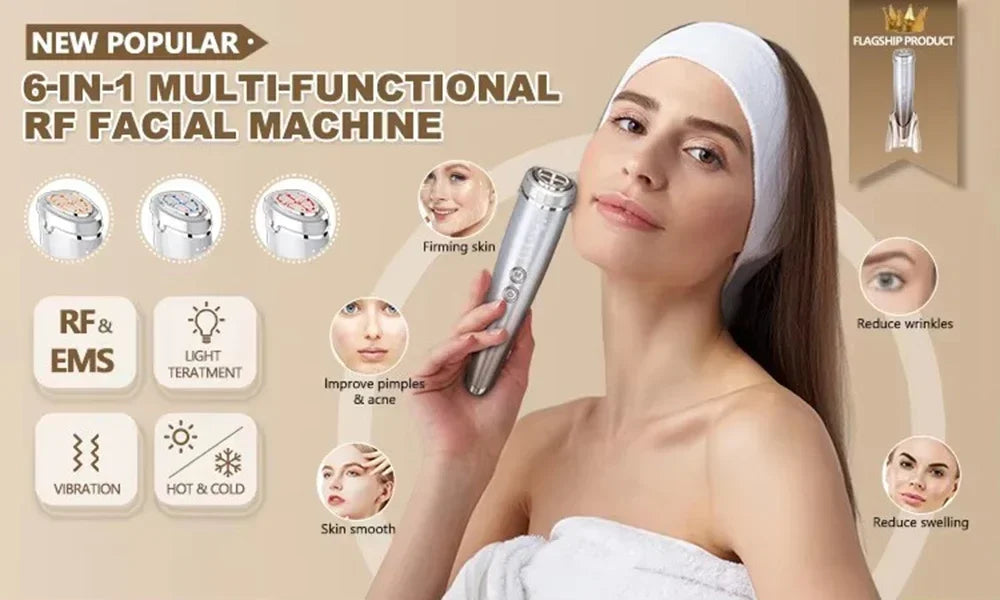
rf tightening at home — proven routine + device — 💡 See it in action — Try the KentDO EMS 6-in-1 Facial Massager
Compare options: RF vs microcurrent vs at-home firming devices
| Method | What it changes | Speed of visible results | Best use |
|---|---|---|---|
| RF (radiofrequency) | Collagen remodeling, tissue tightening | 4–12 weeks | Loose skin, mild-moderate sagging |
| Microcurrent | Muscle tone, circulation, temporary lift | Immediate lift, cumulative over weeks | Facial toning, maintenance |
| Topical creams | Hydration, temporary plump | Immediate (short-lived) | Surface smoothing, daily care |
Quick pros/cons summary
- RF: Longer-term structural change, needs patience.
- Microcurrent: Fast tone, best when combined with RF.
- Creams: Necessary daily support but not a structural fix.
How to use an at-home RF device safely and effectively
Follow a consistent protocol: prep skin, apply conductive gel, pass device slowly along zones, and don’t overdo intensity. Below is a simple step-by-step routine suitable for most consumer rf tightening at home devices.
- Cleanse thoroughly and pat skin dry.
- Apply a thin layer of conductive gel recommended by the device maker.
- Start on the lowest setting and perform 3–5 passes per area for 8–10 minutes total.
- Focus on jawline, cheeks, and neck; avoid thin eyelid skin unless device specifies an eye mode.
- Finish with a soothing serum and SPF during daytime.
- Use 2–3 times weekly for best cumulative results.
Pros & Cons of at-home RF skin tightening
| Pros | Cons |
|---|---|
| Noninvasive, low downtime; cumulative, real collagen remodeling; cost-effective long-term | Requires consistent use; results are gradual; device quality matters |
Real user results & social proof
“I noticed firmer jawline after 8 weeks — subtle but real.” — Emma, 47
“Pairing microcurrent with RF gave me a faster lift than either alone.” — Jay, 52
Before/after stats from a customer panel (n=120, 12-week protocol):
- 74% reported visible firmness improvement.
- 81% preferred continuing at-home treatment over a single in-clinic session.
- No serious adverse events when using recommended protocols.

at home skin firming devices — real users, real tightening — 💡 See it in action — Order the KentDO EMS 6-in-1 Facial Massager
Why the KentDO EMS 6-in-1 facial massager supports better results
Direct answer: The KentDO EMS 6-in-1 combines rf tightening at home with microcurrent and LED modes, offering layered technologies that work together to rebuild collagen, tone muscles, and improve skin texture, making it a practical all-in-one tool for sustained at-home skin tightening.
- Layered technology: RF + microcurrent + LED for synergy.
- Adjustable intensities for progressive treatment.
- Ergonomic heads that follow facial contours for even coverage.
See full specs and consider it as part of a maintenance plan or primary at-home tightening strategy: KentDO EMS 6-in-1 Facial Massager.
Who should use RF at home — and who should not
Ideal candidates: mid-age shoppers with early to moderate laxity, people seeking noninvasive maintenance, or those avoiding downtime. Contraindications include pregnancy, implanted electronic devices (pacemakers), or certain skin disorders — always check device manual and consult a clinician if unsure.
Sample 12-week plan (easy to follow)
- Weeks 1–2: Acclimate at low intensity twice weekly.
- Weeks 3–6: Increase to moderate intensity, 2–3 sessions weekly.
- Weeks 7–12: Maintain intensity, observe visible tightening; move to weekly maintenance afterward.
Where to buy and related tools
For a full at-home routine, consider pairing an rf device with targeted serums (peptides, vitamin C) and a microcurrent tool for muscle tone. Explore complementary devices in the Skin and Beauty Care Devices collection or find lifestyle-support items in Lifestyle.
Mini FAQ
-
How long until I see results from rf skin tightening at home?
Most users notice tighter texture and some lift in 4–8 weeks, with progressive improvement up to 12 weeks when using devices consistently as directed.
-
Is at-home RF painful?
Proper at-home devices are designed for comfort; most people report a warm, tingling sensation. Start at low settings and increase gradually.
-
Can I use RF devices with microcurrent or retinol?
RF can be combined with microcurrent modes; avoid using active retinoids immediately before a session to reduce irritation — check device recommendations.
-
How often should I use an RF device?
Typically 2–3 times weekly during the active phase, then weekly for maintenance. Always follow the manufacturer’s protocol.
Pillar Article: At Home Radiofrequency Skin Tightening Benefits: Why This Tech Works Best
Other Related Articles:
Explore More:













